Book a trip for Valencia's fires and you can circle the same dates every year. Book one for Chinese New Year and the date slides by weeks from one year to the next. Neither festival is being difficult. They are just keeping different calendars.
Fixed to the solar calendar
The easy ones follow the Gregorian calendar most of the world uses. Las Fallas always peaks March 15 to 19, and Songkran, Thailand's water-soaked new year, is always April 13 to 15. If a festival is pinned to a date like this, the only thing that changes year to year is the day of the week, which matters more than it sounds: a fixed date that lands on a weekend draws bigger crowds.
Following the moon
Many of Asia's great festivals keep a lunisolar calendar: months begin with the new moon, and an extra month is added every few years to keep the calendar in step with the seasons. The result is a date that moves across a window of about a month on the Gregorian calendar.
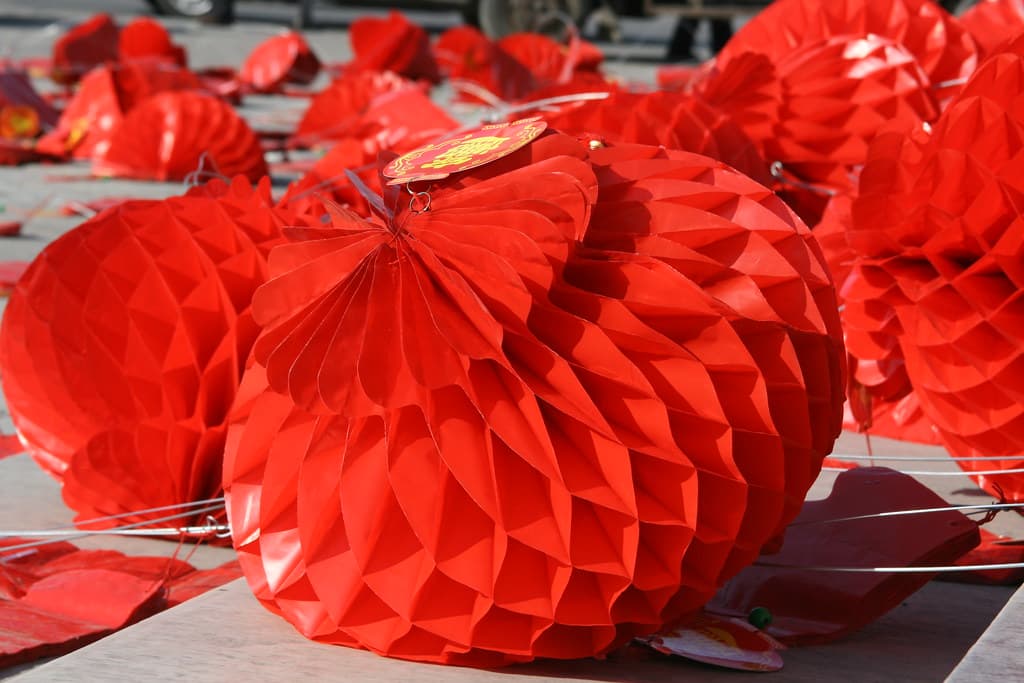
Chinese New Year is the classic case. Its first day always falls between January 21 and February 20. Everything counted from it moves with it: the Lantern Festival is the fifteenth day of the first month, the first full moon of the year. The Hungry Ghost Festival fills the seventh lunar month, usually across August and September, and Vietnam's Tết Trung Thu lands on the full moon of the eighth.
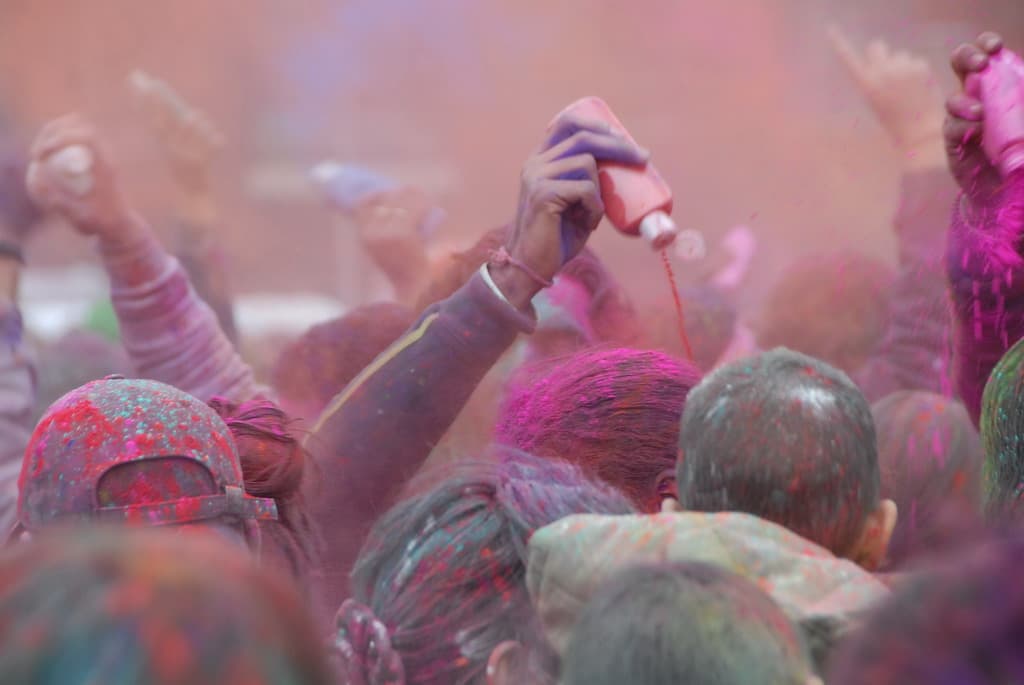
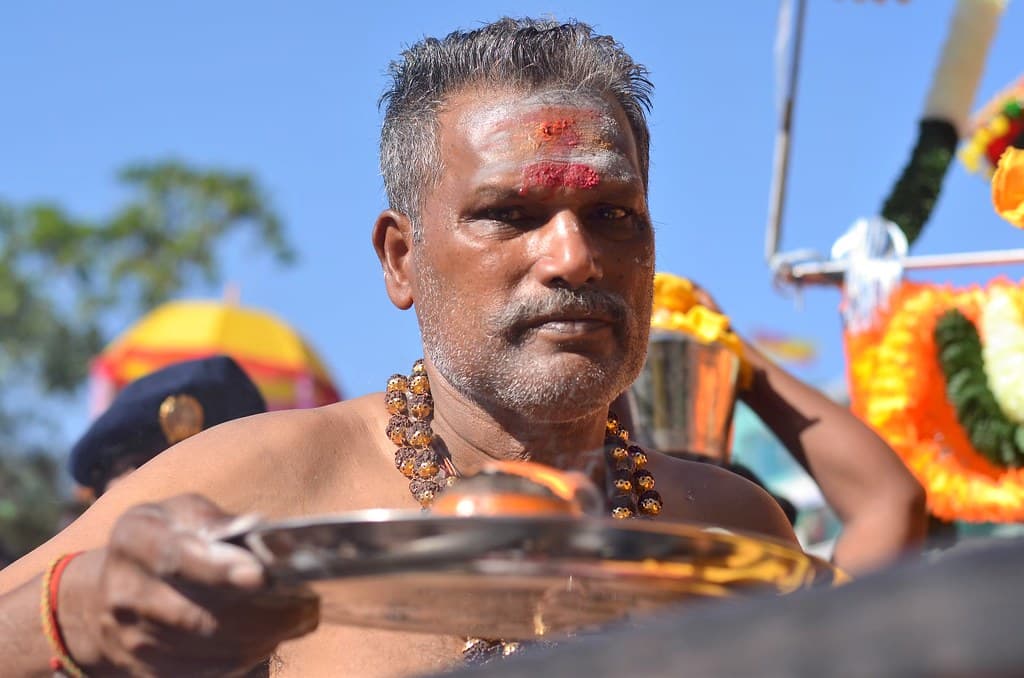
Hindu calendars work on a similar principle with their own month names. Holi begins with bonfires on the full moon of Phalguna, usually in March, and Thaipusam falls on the full moon of the Tamil month of Thai, somewhere between late January and early February.
Counting from Easter
Christian Holy Week and carnival hang off Easter, which falls on the first Sunday after the first full moon on or after the spring equinox, as the churches define it. That puts it anywhere from late March to late April. Semana Santa in Seville runs from Palm Sunday to Easter Sunday, so it moves with it, and so does every carnival that ends before Ash Wednesday.
Orthodox churches compute Easter with the older Julian calendar, which is why Orthodox Easter in Corfu usually falls a week or more after Western Easter, and only sometimes on the same day.
When the organizers decide
Some festivals have no rule at all beyond "around this time": the organizers pick dates each year. Iceland Airwaves is usually Thursday to Saturday in early November, but the exact days are whatever the festival announces.
What "est." means on this site
Every festival here carries its dates year by year, and each set is marked one of two ways:
- Confirmed: fixed by a calendar rule we can compute exactly, or announced by the organizers.
- Estimated (the small "est." label): worked out from the festival's rule, but not yet announced. Lunar dates can differ by a day between countries or communities, and some organizers shift things for practical reasons, so we treat these as a strong guide, not a promise.
Estimated dates are the reason a "free month" can turn up a festival one year and miss it the next. Search engines only see the confirmed ones from us: we publish event data for confirmed dates and keep the estimates for people.
The upside of a moving calendar is the same as the downside: miss it this year and it comes round again, just somewhere else on the page. Here's the next twelve months, estimates and all.