What is Iceland Airwaves?
Iceland Airwaves began in 1999 as a one-off showcase in an aircraft hangar at Reykjavík's domestic airport. It caught on, moved into the city, and became one of Europe's favorite discovery festivals, the kind of event where you see bands in small rooms a year before they fill arenas. Björk, Sigur Rós and Of Monsters and Men are part of its story, and plenty of international acts have played here on the way up.
The festival takes over downtown Reykjavík for a few nights each November. Instead of a muddy field, it uses the city's venues: concert halls, clubs, bars and a church, all within a few minutes' walk of each other. A single wristband gets you into the main program, subject to venue capacity, and the fun is moving between venues, dipping into shows you know nothing about and finding a new favorite.
Icelandic music is the backbone. More than half the lineup is often local, from electronic producers to choirs to indie bands, alongside international acts in every genre. The festival paused during the pandemic and returned in 2022 in a shorter format, with a three-day main program.
A whole city becomes one festival, and every venue is a short walk in the dark.
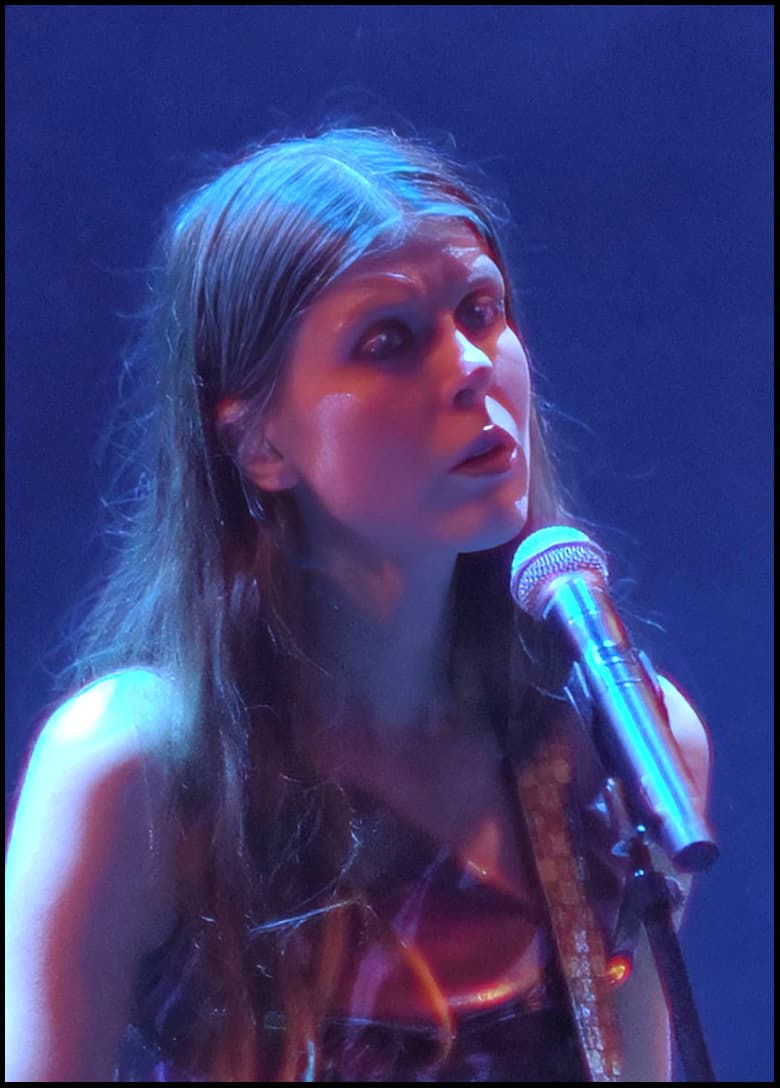
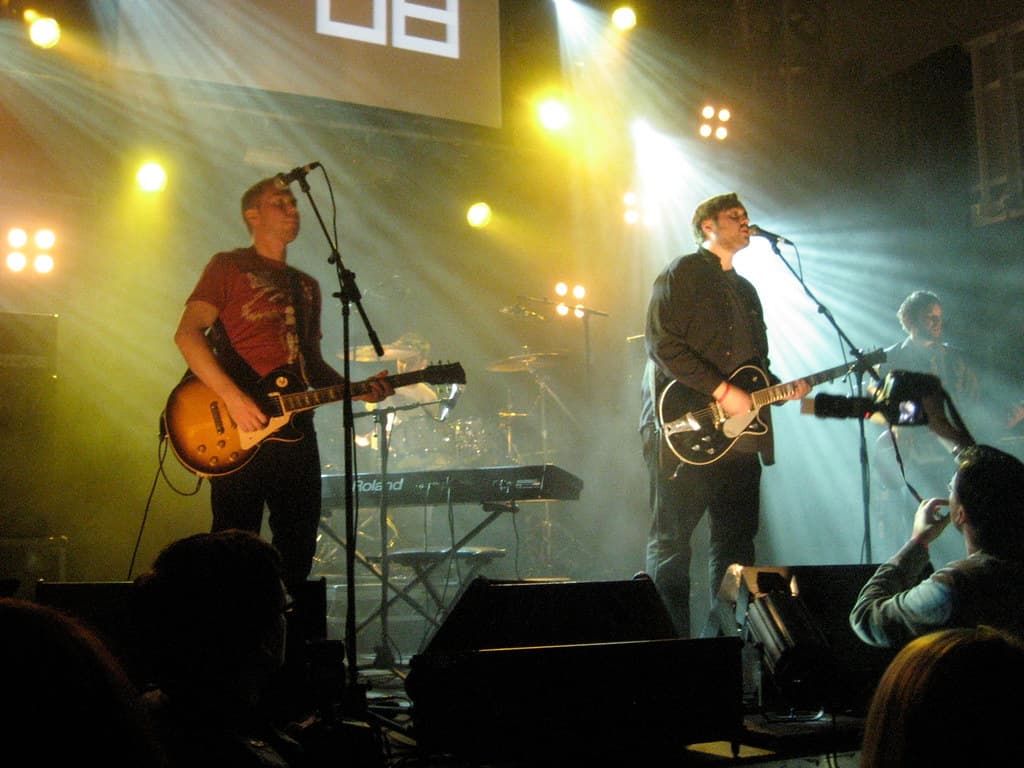
JFDR performing at Iceland Airwaves in 2023
What to expect
The main program runs over three evenings, with extra headline shows around them in some years.
First night
Finding your feet
Pick up your wristband, study the schedule and start with a couple of Icelandic acts you have never heard of. Venues are close together, so you can catch three or four sets in a night.
Second night
Discovery mode
Mix the bigger names with smaller venues. Many festivalgoers follow tips from the people they meet in queues.
Third night
The big finish
The last night brings the most crowded venues and the latest finishes, with parties continuing in bars long after the final sets.
Daytime
Recovery and exploring
Use the short daylight hours for a swim in a geothermal pool, a walk around the old harbor, or a day trip to the Golden Circle.
Planning your trip
Getting there
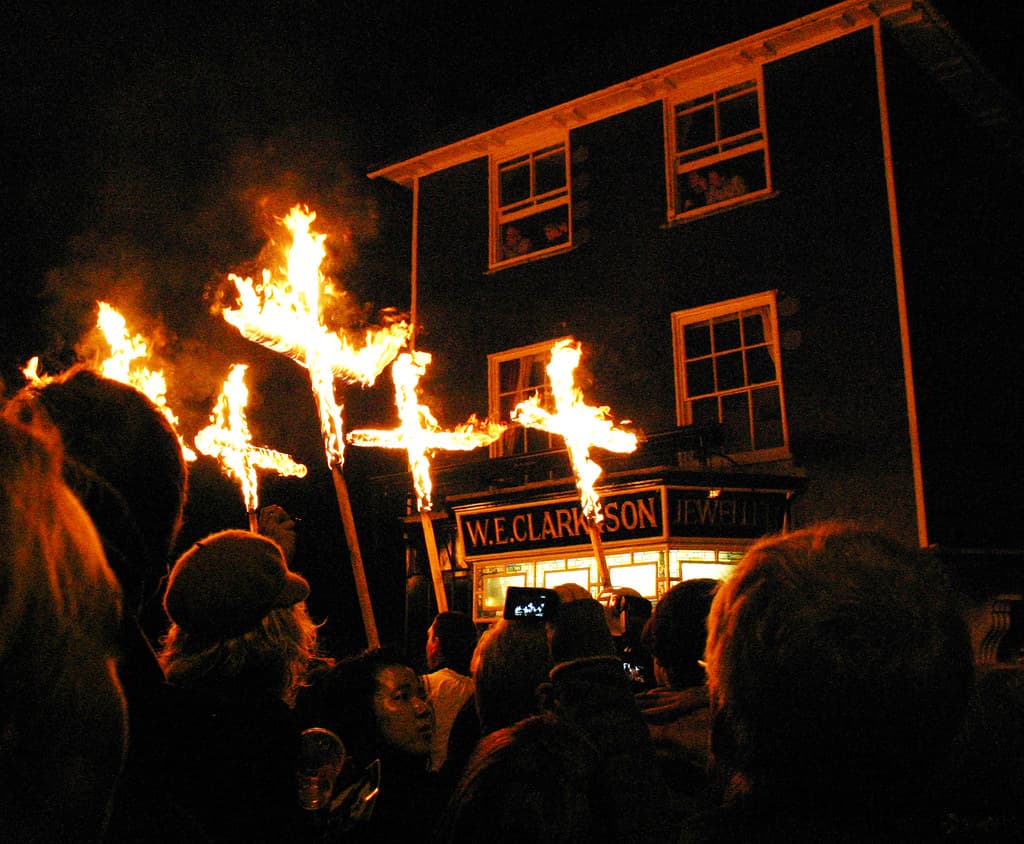
Keflavík International Airport is about forty-five minutes from Reykjavík by Flybus, with transfers timed to flights. Iceland has direct flights to a number of cities in Europe and North America, which makes a long-weekend trip realistic. Once in the city, you will not need a car: all the venues are indoors and within walking distance of one another, though November pavements can be icy. Early November is busy for festivals elsewhere too: Lewes Bonfire Night is held on or around November 5, which in 2026 is the first night of the main program.
Where to stay
Reykjavík is expensive and the festival can fill its hotels and guesthouses, so book accommodation as soon as you have your pass. Stay in the center, where you can walk to every venue and back after the last sets, which run until about 2 AM.
What it costs
For the 2026 edition, a three-day festival pass was listed at ISK 17,400 before a September price increase, and a one-day pass at ISK 11,900. Some headline concerts outside the main program are ticketed separately, and an optional Airwaves Plus upgrade buys an express queue, which still does not guarantee entry to a full venue. Budget generously for food and drink, which cost far more than in most of Europe. Heading on to Germany for Advent? The Nuremberg Christkindlesmarkt opens in late November.
Go like you know
- Build a schedule from the lineup on the festival website (there is no native app in 2026), but leave gaps for surprises.
- Swim in a local geothermal pool in the morning. It is where Reykjavík socializes, and it is the best hangover cure in the North Atlantic.
- Look up between venues. On clear, dark nights the northern lights can appear even over the city.
- Buy alcohol at the duty-free shop on arrival if you plan to drink at your accommodation; bar prices are steep.
- Stay an extra day or two to see some of Iceland beyond Reykjavík, such as the waterfalls and black-sand beaches of the south coast.
Frequently asked questions
Do I need a festival pass?
Yes. The main program needs a wristband, sold as a three-day festival pass or a one-day pass. Collect it with photo ID matching the name on your ticket. Some headline concerts outside the main program are ticketed separately, and prices rose in September for 2026, so buy early.
Will I see the northern lights?
Possibly. November is aurora season, and the long nights help, but you need clear skies and solar activity, and Reykjavík's light pollution makes faint displays hard to see. Check the aurora forecast and walk to a darker spot such as Grótta lighthouse, or join a short tour if conditions look good.
Is Iceland Airwaves only for indie music fans?
No. The lineup covers electronic music, hip hop, pop, folk, classical crossovers, jazz and experimental sounds, as well as indie and rock. The spirit is curiosity. If you like discovering new music in small rooms, you will find plenty to enjoy whatever your usual taste.
How many days should I plan?
The main program covers three nights, but plan at least four or five days in total. That gives you time to recover from the flight, enjoy the city by day and take a day trip into the Icelandic landscape, which is half the reason to come in the first place.