What is Chinese New Year?
Chinese New Year, known in China as the Spring Festival (春节, Chūnjié), marks the start of the lunisolar year. It is the country's most important holiday and the center of the year for hundreds of millions of people. Its date moves each year, falling between late January and mid-February, and each year carries one of the twelve animals of the Chinese zodiac.
The festival's many customs share a theme: closing the old year cleanly and inviting good fortune into the new one. Families clean their homes before New Year to sweep out bad luck, then avoid sweeping for the first days so as not to brush good luck away. Doors are pasted with red couplets, chūnlián, and the character for fortune, fú (福), often hung upside down because the word for "upside down" sounds like "arrived".
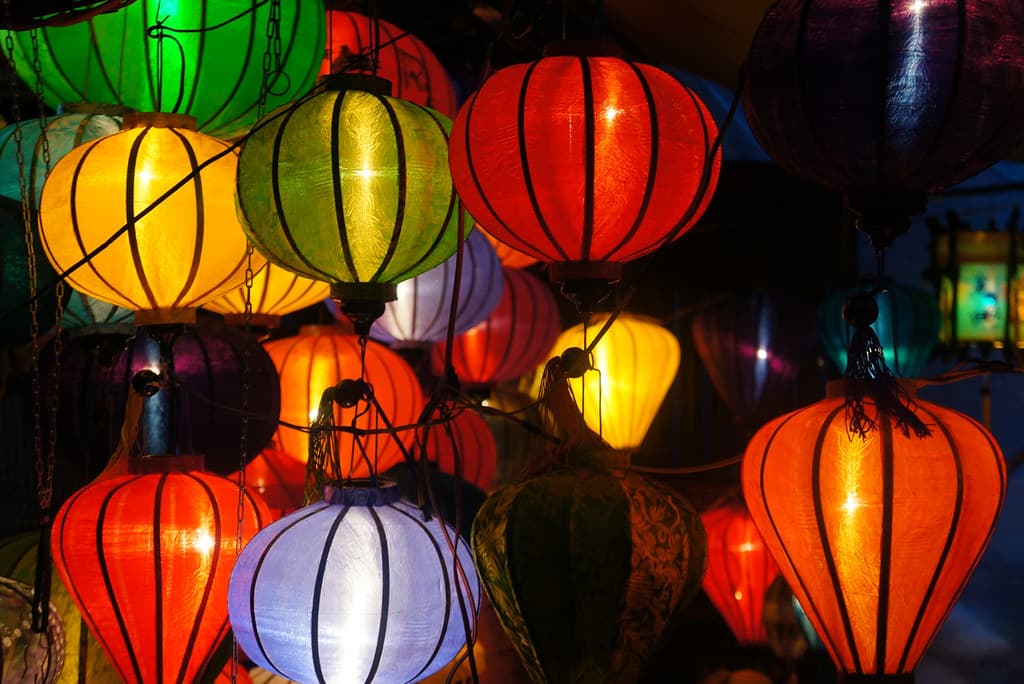
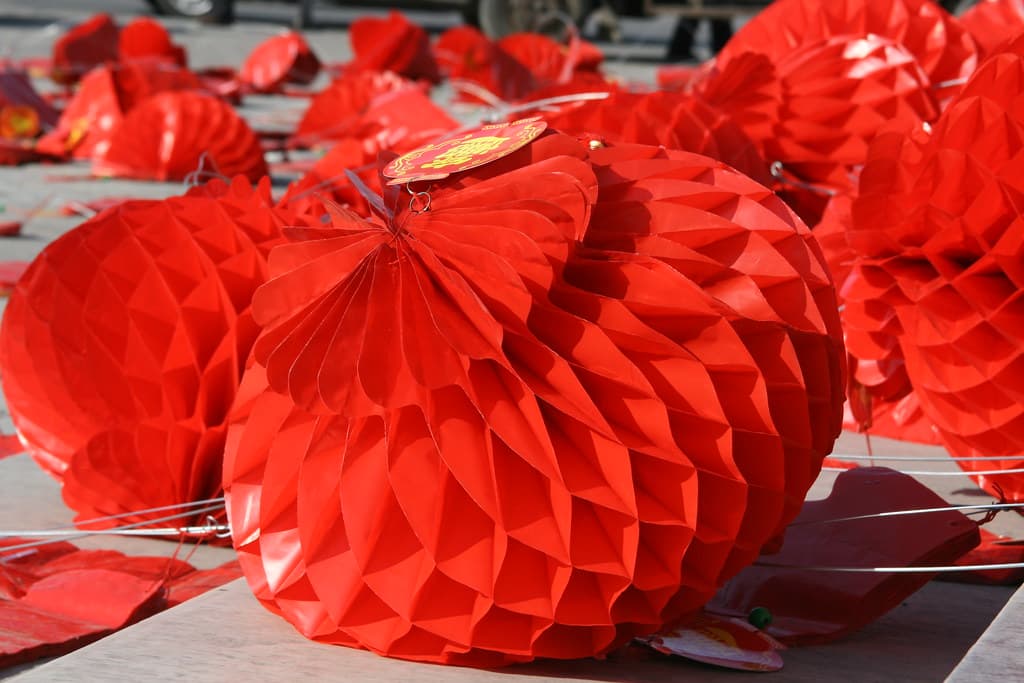
Legend tells of Nián, a beast that came each New Year to terrorize villages until people discovered it feared the color red, firelight and loud noises. Firecrackers, red lanterns and red clothing all trace back to that story. The emotional center, though, is the family. The New Year's Eve reunion dinner is the meal of the year, and the annual rush of people travelling home for it, known as chūnyùn, is often described as the largest annual human migration on Earth; the 2026 rush was officially expected to cover a record 9.5 billion trips over about 40 days.
Clean the house, close the year, and leave a light on for the luck that is coming.
What to expect
For visitors, the festival has two very different moods: the bustling run-up and the quiet, family-centered days that follow.
Before New Year
Markets and shopping
Cities fill with stalls selling couplets, lanterns, sweets and gifts. In southern China, especially Guangzhou, flower markets bloom with peach blossom, orchids and kumquat trees.
New Year's Eve
The reunion dinner
Families gather for the most important meal of the year. In northern China, dumplings are folded together; in the south, tables fill with fish, chicken and sticky rice cake. Restaurants offer set menus, and popular ones need booking well ahead.
New Year's Day
Visits and red envelopes
People dress in new clothes and visit relatives. Children and unmarried younger relatives receive hóngbāo, red envelopes of money.
First week
Temple fairs
Temple fairs, miàohuì, bring food stalls, folk performances, lion dances and games to parks and temple grounds, with Beijing's among the best known. In 2026 the big ones, at Ditan, Longtan and Changdian, ran from New Year's Day for a week.
Day 15
Lantern Festival
The celebrations close with the Lantern Festival, a night of lantern displays, riddles and sweet rice dumplings.
Planning your trip
Getting there
The single biggest challenge is transport. Trains and domestic flights sell out quickly for the weeks around the holiday, and prices rise sharply. Rail tickets go on sale about 15 days before travel, so set a reminder for the day your date opens; the official 12306 platform also offers a waitlist for sold-out trains. Avoid travelling on the days just before New Year's Eve and at the end of the holiday, when the return rush peaks.
Pick one city as a base. Beijing offers temple fairs and historic sites, Guangzhou has the flower markets, and smaller cities and rural areas show family traditions most clearly but have fewer services during the holiday. Inside a city, expect closures at family-run businesses and heavy crowds at the famous sights.
Where to stay
Hotels in big cities can be easier to find than usual during the first days, because many residents have gone home, but book anyway if you are arriving on a peak travel day.
What it costs
The festival itself is mostly free to watch: lantern displays, markets and street celebrations cost nothing. Some temple fairs charge a small gate fee (about ¥30 at Ditan and Longtan in 2026, while Changdian was free). Your real costs are transport and lodging, which spike around the holiday, plus the meals you book ahead.
Go like you know
- Learn the greeting xīnnián kuàilè (Happy New Year) or the business-minded gōngxǐ fācái (wishing you prosperity). People appreciate the effort.
- If you are invited to a family meal, bring a gift such as fruit or sweets, and give and receive with both hands.
- Avoid giving gifts in sets of four or wrapping them in white; both are linked to death.
- Watch at least part of the Spring Festival Gala on New Year's Eve. It is a national ritual, and understanding it helps you join conversations.
- Head to a temple on the first morning of the year to see families burning incense and making wishes for the months ahead.
Frequently asked questions
When is Chinese New Year?
It falls on the first day of the first month of the Chinese lunisolar calendar, which places it between late January and mid-February. The festival period traditionally runs from New Year's Eve to the Lantern Festival fifteen days later. China's official public holiday has recently run eight to nine days, and the State Council announces it each November.
Is it a good time to visit China?
It can be wonderful if you plan carefully. The run-up is festive and everything is open, while the first days are quiet with many closures. Transport is the hardest part, so book trains and flights well ahead and avoid the peak travel days on either side of the holiday.
Where are the best places to experience it?
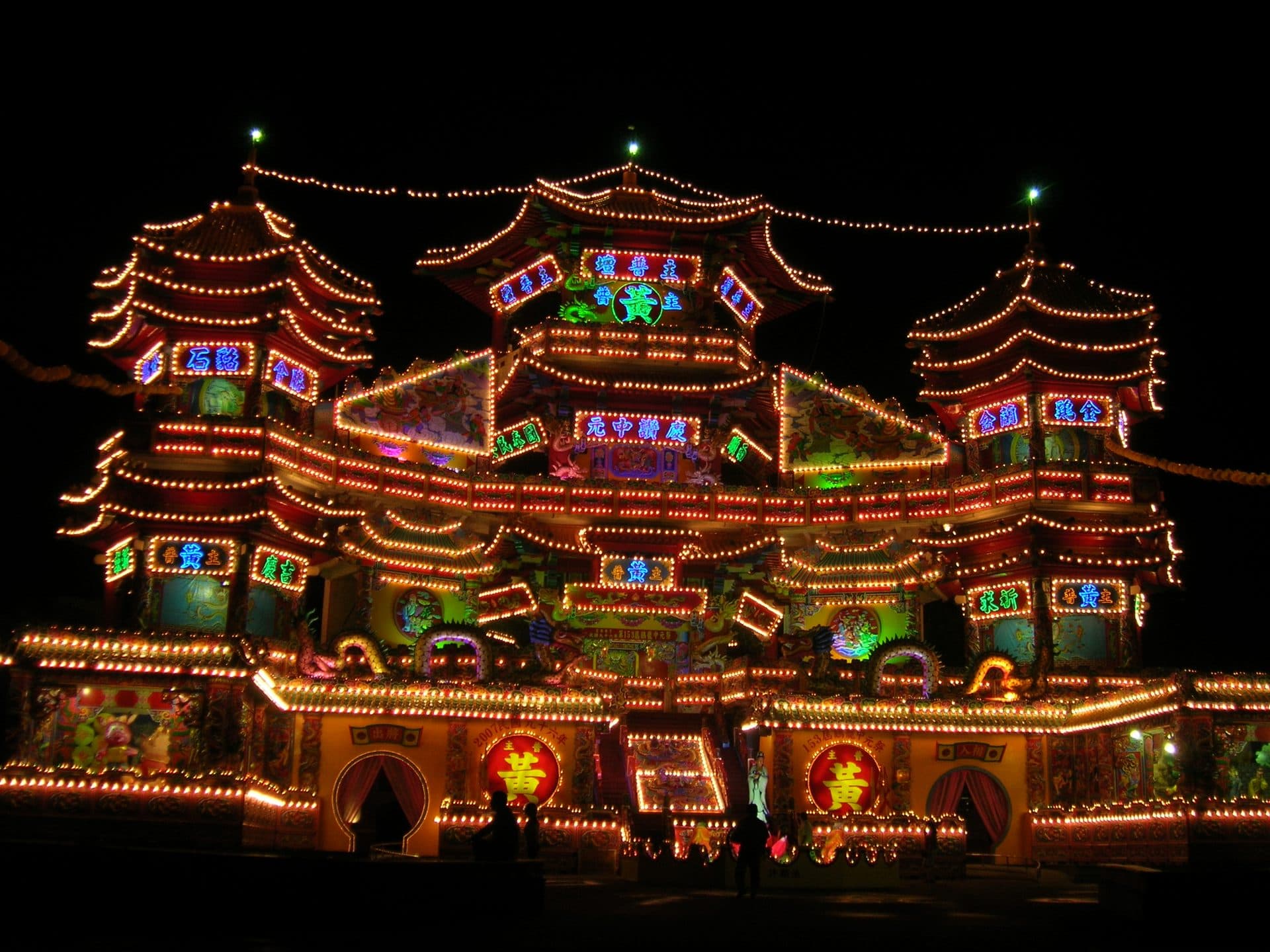
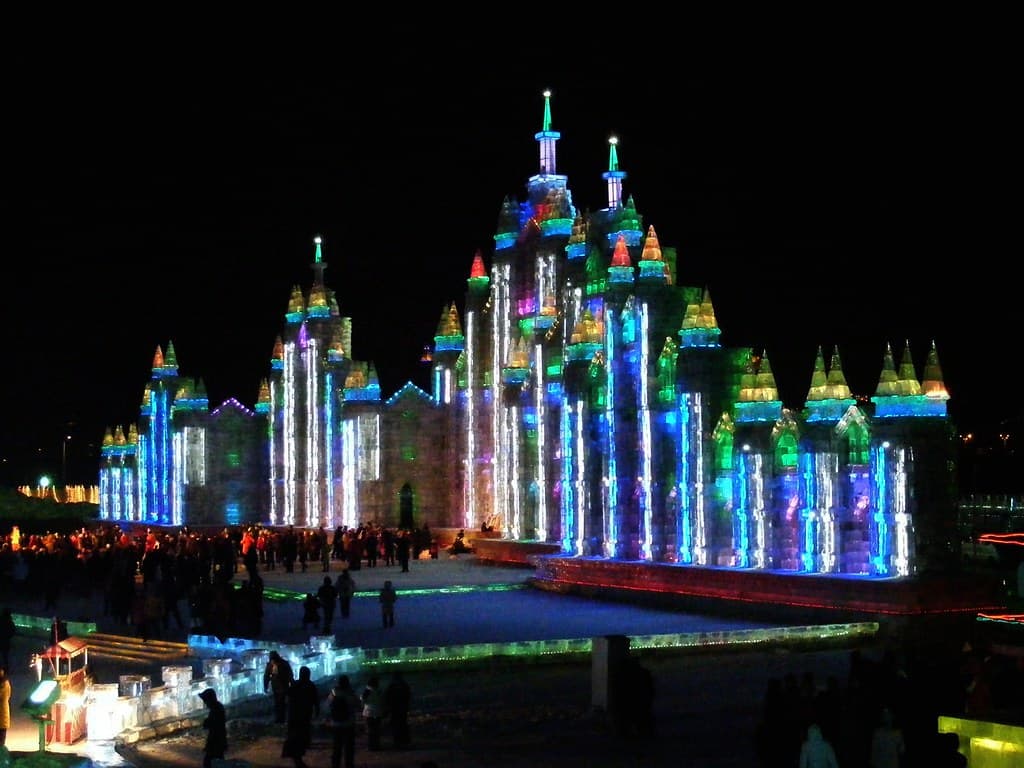
Beijing is known for temple fairs, Guangzhou for its flower markets, and smaller towns for fireworks and family traditions. Harbin combines the holiday with its ice and snow festival. Outside the mainland, Hong Kong, Taiwan, Singapore and Malaysia also celebrate on a grand scale, and Vietnam's Tết Nguyên Đán falls on the same lunar new year with its own flavor.
What should I avoid doing?
Avoid sweeping or throwing out rubbish on New Year's Day, which is said to discard good luck. Do not give clocks, sets of four or white-wrapped gifts. Avoid talking about death or misfortune, and try not to break dishes. Red clothing is a safe, cheerful choice for visits.