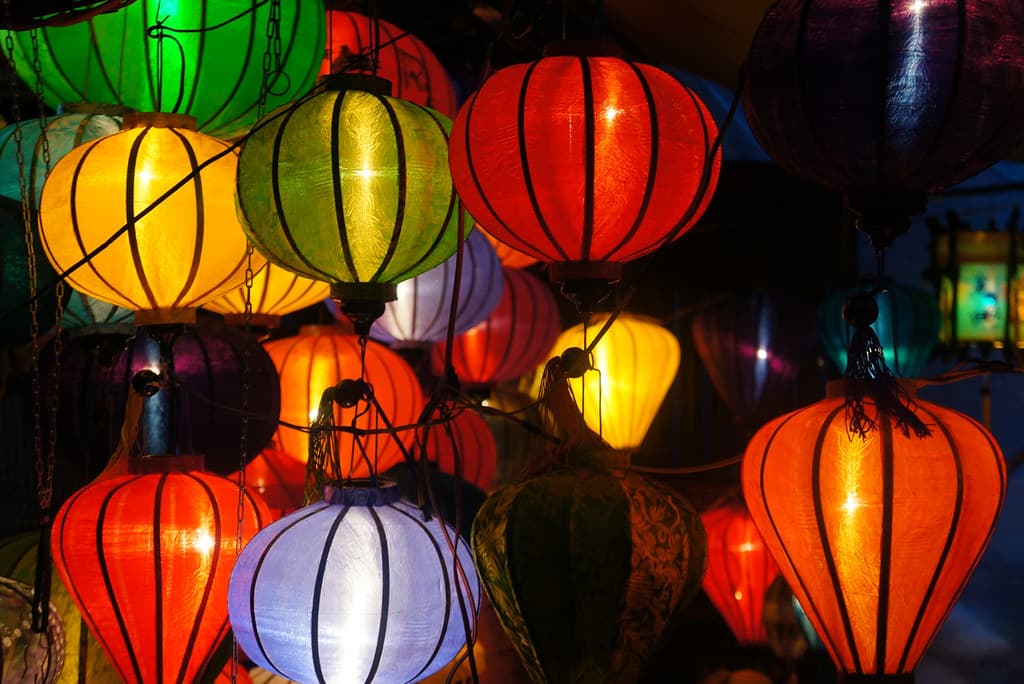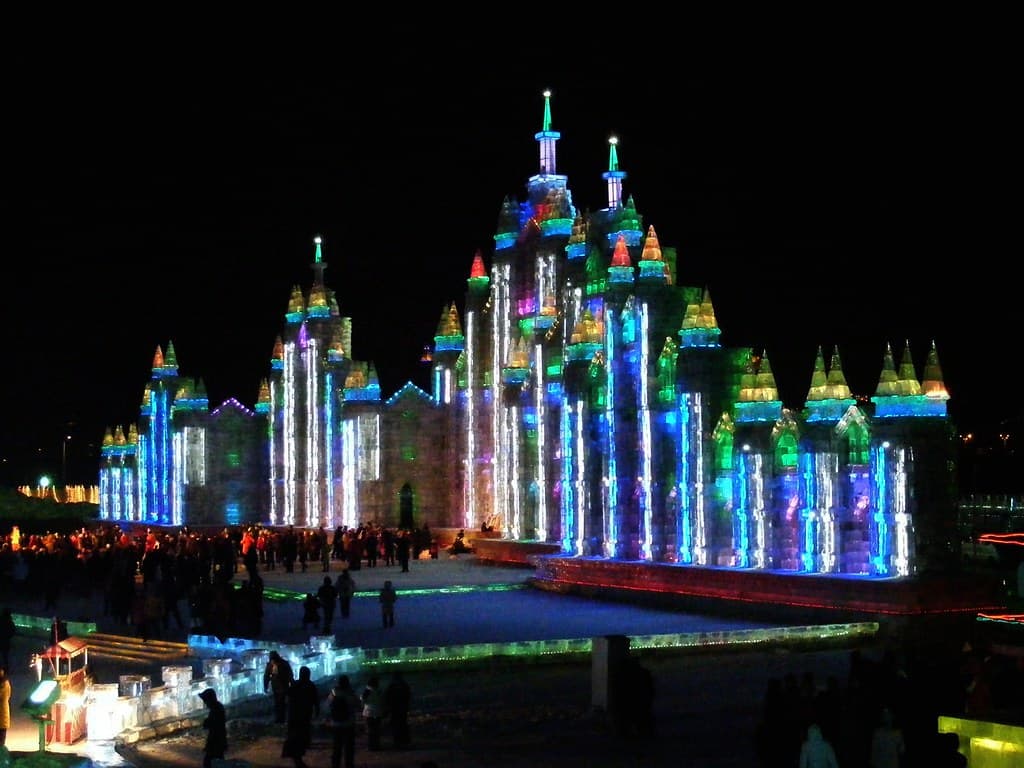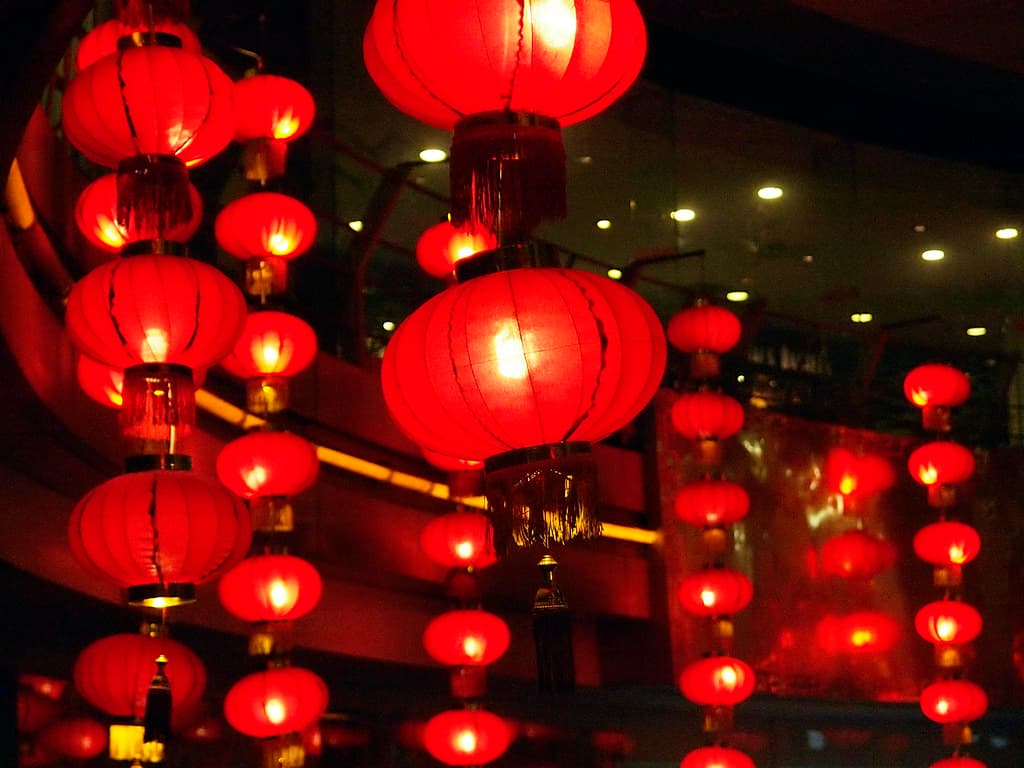
What is the Lantern Festival?
The Lantern Festival, Yuánxiāo Jié (元宵节), falls on the fifteenth day of the first lunar month, the first full moon of the Chinese year. It closes the long Chinese New Year season, and for many families it marks the last day of New Year celebrations before normal life resumes.
The festival is often described as more than two thousand years old. By the Han dynasty the fifteenth day of the first month was already a major holiday, and the lantern custom is traditionally credited to Emperor Ming of the Eastern Han, who ordered lanterns lit in temples and palaces to honor the Buddha after seeing monks do so on this date. By the Tang dynasty the festival ran for three nights, with curfews lifted and women free to go out and see the lanterns; under the Song it stretched to five.
That freedom made the festival romantic, and it is sometimes called Chinese Valentine's Day. Traditions include solving riddles written on lanterns, dragon and lion dances, and eating yuánxiāo or tāngyuán, round glutinous rice balls filled with sweet sesame, red bean or peanut, whose roundness symbolizes family unity and the full moon.
The celebration also travelled. Chinese communities across Southeast Asia, Taiwan and beyond mark the night with their own customs. In Malaysia and Singapore, for example, young women traditionally threw mandarin oranges into the water in the hope that a suitor would find them, a playful local twist on the festival's romantic side. It is best known as a Chap Goh Mei custom in Malaysia.
The year's first full moon, and every street answers it with light.
What to expect
The day itself is the peak, but lantern fairs and displays often run through the whole stretch between New Year's Day and the festival.
New Year to Day 15
Lantern fairs run
Major lantern fairs, such as the Qinhuai Lantern Fair in Nanjing, are held between the Spring Festival and the Lantern Festival, with displays along rivers, streets and temple grounds. The Zigong lantern festival in Sichuan opened on January 23 in 2026, well ahead of the festival night.
Day 15
Lantern Festival day
Families eat yuánxiāo or tāngyuán at home, then go out to see lanterns. Riddle games, performances and fireworks run into the night.
Night
Crowds and riddles
Popular lantern areas reach peak crowds in the evening. Many venues run riddle contests, where solving a riddle wins a small prize.
Planning your trip
Getting there
Nanjing is well connected by high-speed rail: about an hour and a half to two hours from Shanghai and around four hours from Beijing. The Confucius Temple area along the Qinhuai River is reached by Metro Line 3 (Fuzimiao station) or Line 1 (Sanshanjie). On the festival night, though, Nanjing has closed those stations for hours to manage crowds (17:30 to 21:00 in 2022), so plan to arrive earlier or walk in from another stop. Other famous lantern celebrations include Zigong in Sichuan, known for giant lantern sculptures, and the old towns and temples of many cities across China. Taiwan's Pingxi Sky Lantern Festival holds mass releases around festival day (one fell on March 3 in 2026), a very different way to spend the night.
Where to stay
If you are in China for New Year, staying through the Lantern Festival is a good way to see the season's finale. Book trains and hotels early, as the holiday rush may still affect transport, especially around weekends. Staying within walking distance of the Confucius Temple means the metro closures matter less.
What it costs
Walking the lantern streets and the pedestrian lanes around the Confucius Temple costs nothing. Individual attractions charge: one visitor guide listed ¥30 for the Confucius Temple hall and ¥50 for a combination ticket in 2026, so check current prices on the scenic area's own site. Rice balls and street snacks are cheap, and hotels near the festival areas charge more on the festival weekend.
Go like you know
- Visit lantern fairs early in the evening, right after the lights come on, for good photos before the crowds peak.
- Try to solve a lantern riddle. They are often wordplay in Chinese, so go with a local friend if you can.
- Buy a small lantern from a street seller; children carry them and adults join in.
- Combine Nanjing's lanterns with a visit to its city wall, about 25 kilometers of Ming dynasty wall that still stands.
- Love lantern nights? Vietnam's Tết Trung Thu fills Hoi An's Old Town with star lanterns at the autumn full moon.
- Look for dragon and lion dance performances in temple grounds and public squares in the afternoon.
- Carry small change for street snacks and riddle games, and keep a little room for sweet rice balls on the way home.
Frequently asked questions
When is the Lantern Festival?
It falls on the fifteenth day of the first month of the Chinese lunar calendar, two weeks after New Year's Day, usually in February or early March. Many lantern fairs open earlier and run for several days or weeks around the festival.
Where are the best places to see lanterns?
Nanjing's Qinhuai Lantern Fair is among the oldest and most famous, with roots in the Eastern Wu period and national intangible heritage status since 2006. Zigong in Sichuan is known for giant lantern sculptures, and many cities hold displays in parks and temples. Outside mainland China, Taiwan's Pingxi sky lanterns and the Taiwan Lantern Festival are also popular.
What do people eat during the Lantern Festival?
The signature food is yuánxiāo or tāngyuán, sweet glutinous rice balls filled with sesame, red bean, peanut or other fillings. Families eat them together, as their round shape symbolizes reunion and harmony. Street stalls also sell many snacks around lantern fairs.
Is it a public holiday?
The Lantern Festival is not on China's list of official public holidays (the Spring Festival holiday ends days earlier), so most people work during the day and celebrate in the evening. That makes the evening the busiest time at lantern fairs and the best time to experience the festive atmosphere.
Can I take part as a visitor?
Absolutely. The Lantern Festival is public and welcoming. Walk the lantern displays, buy a small lantern, eat rice balls from a stall, and try a riddle game. If you are invited to a family meal, bring fruit or sweets as a gift and accept the invitation as a real honor.