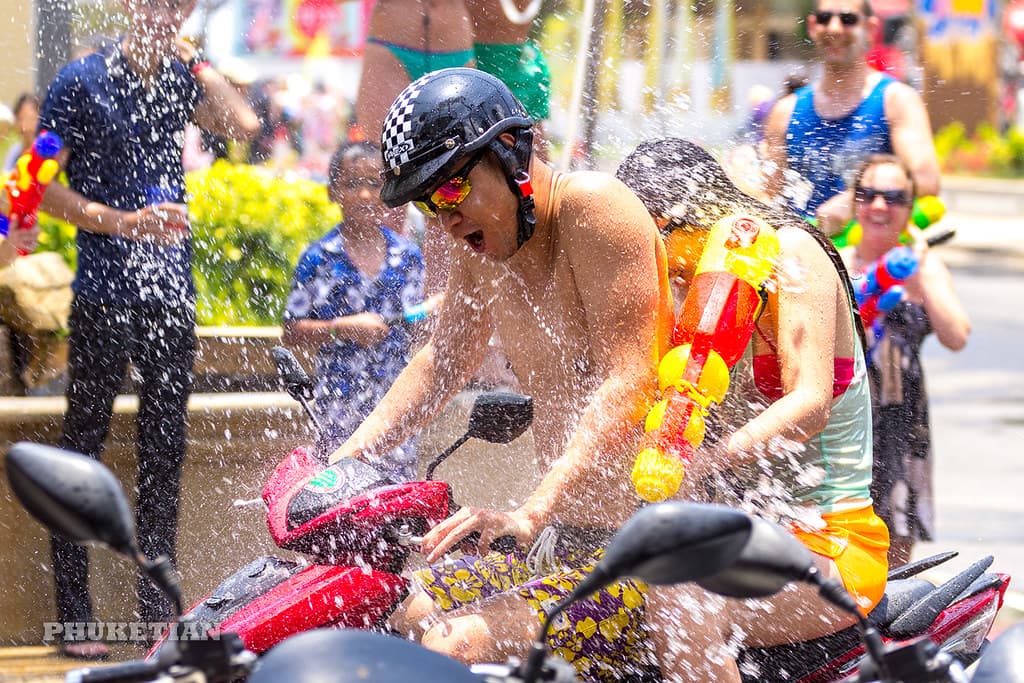
What is Songkran?
Songkran marks the traditional Thai New Year, and in 2023 UNESCO added it to its list of the world's intangible cultural heritage. Its heart is water as purification: washing away the old year's misfortune to start clean. The oldest rituals are gentle ones: rod nam dam hua, pouring scented water over the palms of elders to ask their blessing; bathing sacred Buddha images; carrying sand into temple courtyards to build small pagodas, returning the dust you've carried out on your shoes over the year.
Somewhere along the way, the gentle pouring escalated. Today the street-level expression of all that symbolism is one of the world's great water fights, and nowhere commits like Chiang Mai, where the moat road ringing the old city becomes a multi-day amphibious battle: buckets dipped straight from the moat, pickup trucks with barrels in the bed, water guns of military ambition, and ice-water merchants doing brisk trade in tactical advantage.
Both festivals, the reverent one and the soaking one, are real, and they happen simultaneously, often on the same block. That coexistence is Songkran's charm.
Water thrown at you is a blessing. It helps to remember that around the four hundredth blessing of the afternoon.
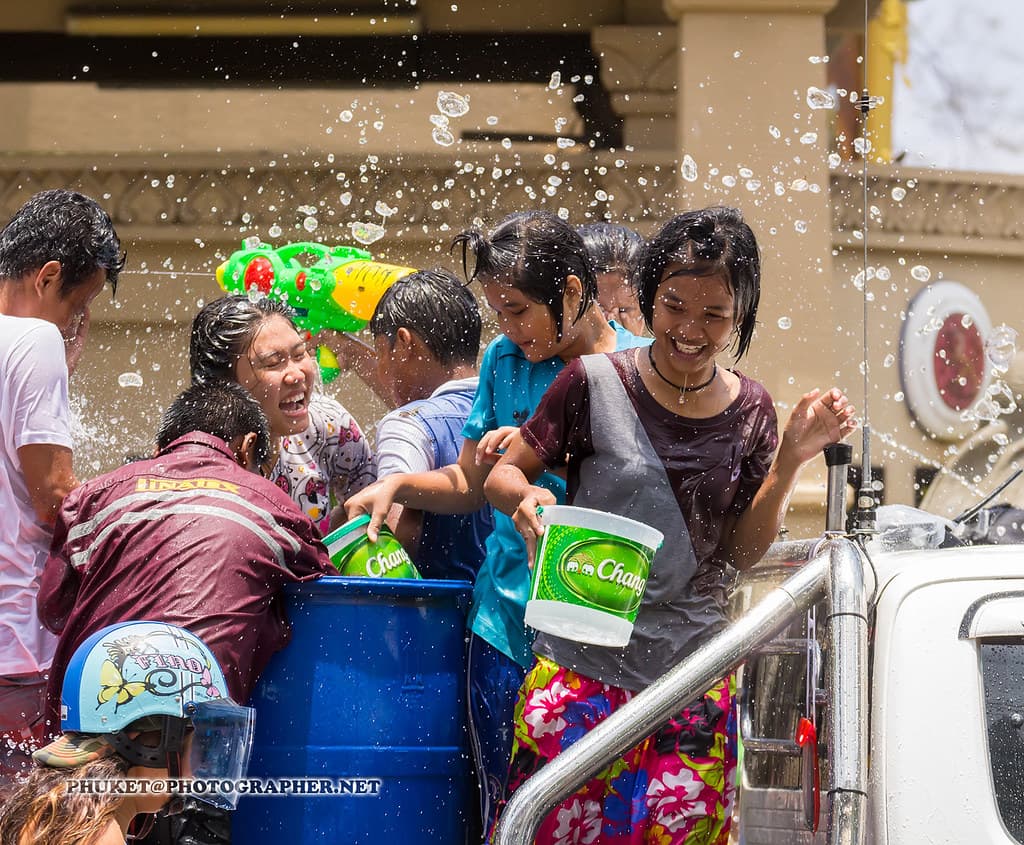
Buckets, hoses and a lot of laughing
Photo by Phuketian.S / flickr · CC BY 2.0
What to expect
Mornings, especially on the 13th, belong to the quiet version: families at the temple, monks receiving alms, Buddha images being bathed with scented water. Chiang Mai parades its most revered image, the Phra Buddha Sihing, on a float from Wat Phra Singh through the old city so the crowd can pour water over it as it passes. The city's traditional Songkran program, with its sand pagodas and rod nam dam hua ceremonies, stretches well beyond the main days.
After the rituals, the old city moat and Tha Phae Gate become the main event, with Nimmanhaemin Road, west of the old city, the other big water zone. Expect total, repeated, cheerful saturation the moment you step outside; exemption is not on offer, and asking for it misses the point. Side streets host family-scale skirmishes with garden hoses.
April is the hot season, with average highs around 36°C and often hotter. Being drenched is not a hardship; it's the town's collective air conditioning.
Planning your trip
Getting there
Chiang Mai is about an hour to an hour and a half by air from Bangkok, with a dozen or so flights a day, or twelve to fifteen hours on the overnight sleeper train from Bangkok's Krung Thep Aphiwat Central Terminal. Getting around during the festival is mostly on foot; songthaews (shared pickup taxis) and tuk-tuks run, but you will not arrive dry, and drivers know it.
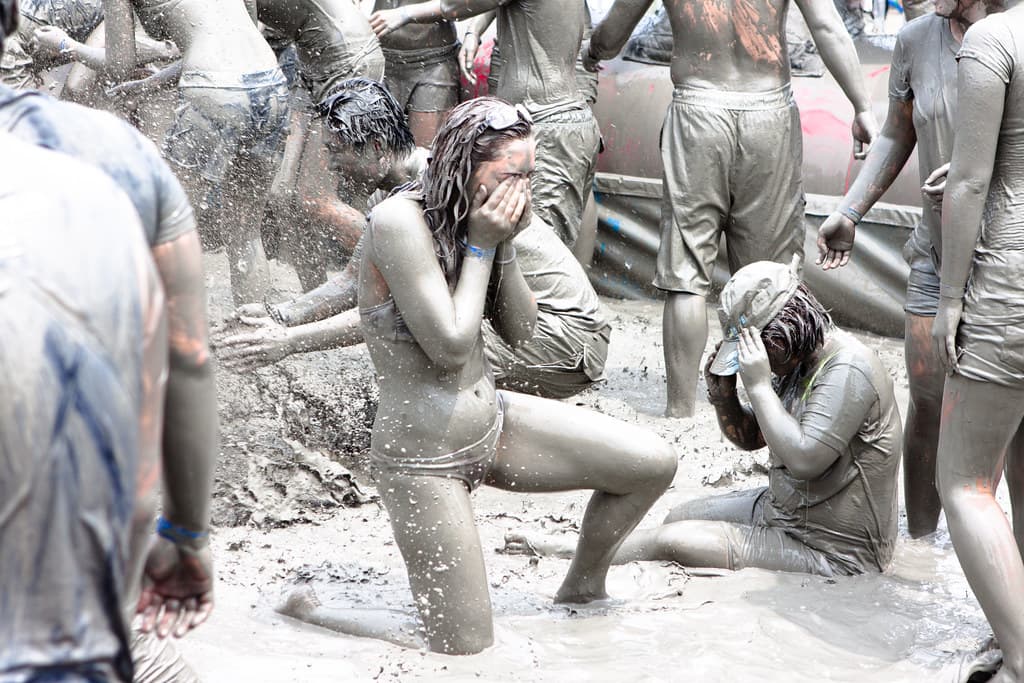
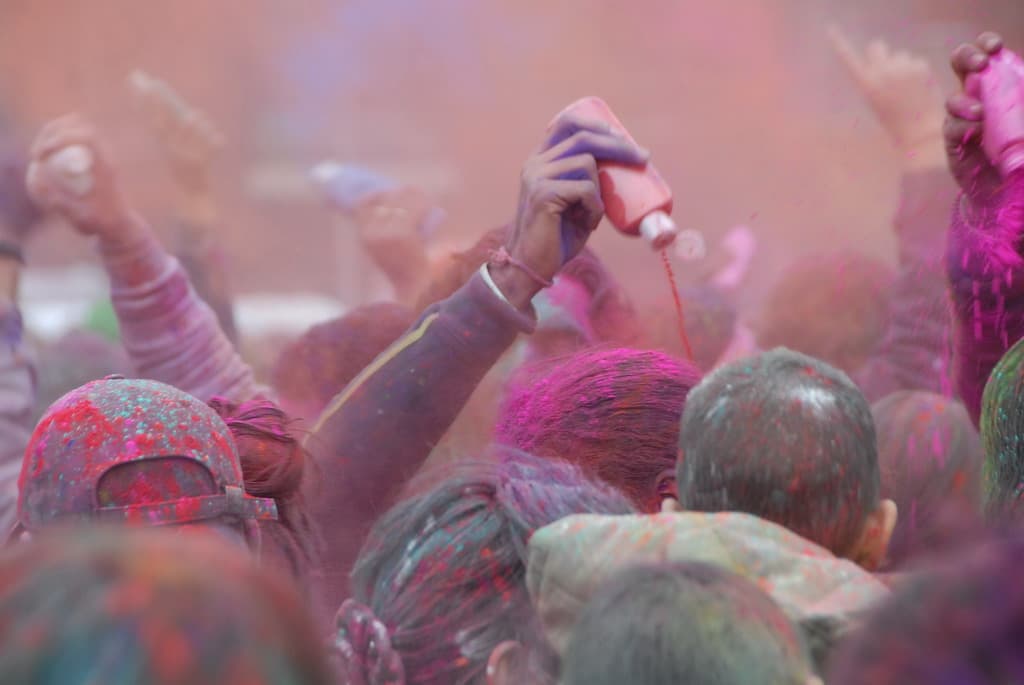
Bangkok is the other classic Songkran base: it opened Silom Road for the 2026 water play and restricted Khao San Road's water zone to the afternoon and evening, with a 10 pm cut-off. If you like to compare water fights, Holi in India does something similar with color powder in March, and Korea's Boryeong Mud Festival covers you in mud each summer.
Where to stay
Chiang Mai's old city guesthouses put you inside the action. Anywhere within the moat square or just outside Tha Phae Gate means you can retreat, dry off, and re-arm at will. Book as early as you can: rooms near the water zones go first, and late bookers end up far from the action.
What it costs
Joining the water fight is free, and the sacred rituals at the temples are open to watch respectfully. The costs you will meet are your water gun, rooms and transport. SiteMinder's hotel data showed average daily rates across Thailand rising by about a third on the previous year's Songkran window, and we found no Chiang Mai-specific figure, so check rates early.
Waterproof everything: a dry-bag or pouch for phone, cash, and hotel key is non-negotiable. Wear quick-dry clothes you don't treasure; festival shirts in loud florals are sold on every corner and are the correct uniform.
Go like you know
- Do the morning temple circuit on day one before the fight starts; it reframes everything you'll be part of by afternoon.
- Monks, babies, the elderly and pregnant women are off limits for soaking: a gentle pour on the shoulder or hands, if anything, and only when welcomed. Never aim at motorcyclists.
- The white paste people may wipe on your cheek is din sor pong, a blessing: accept it with a smile and wear it proudly.
- The moat corners near Tha Phae Gate are maximum intensity; the northern moat road is gentler for families and warm-ups.
- Thai authorities banned high-pressure water guns for Songkran 2026, with fines of up to 4,000 baht, so leave the pressurized pipes at home and aim for shoulders, not eyes.
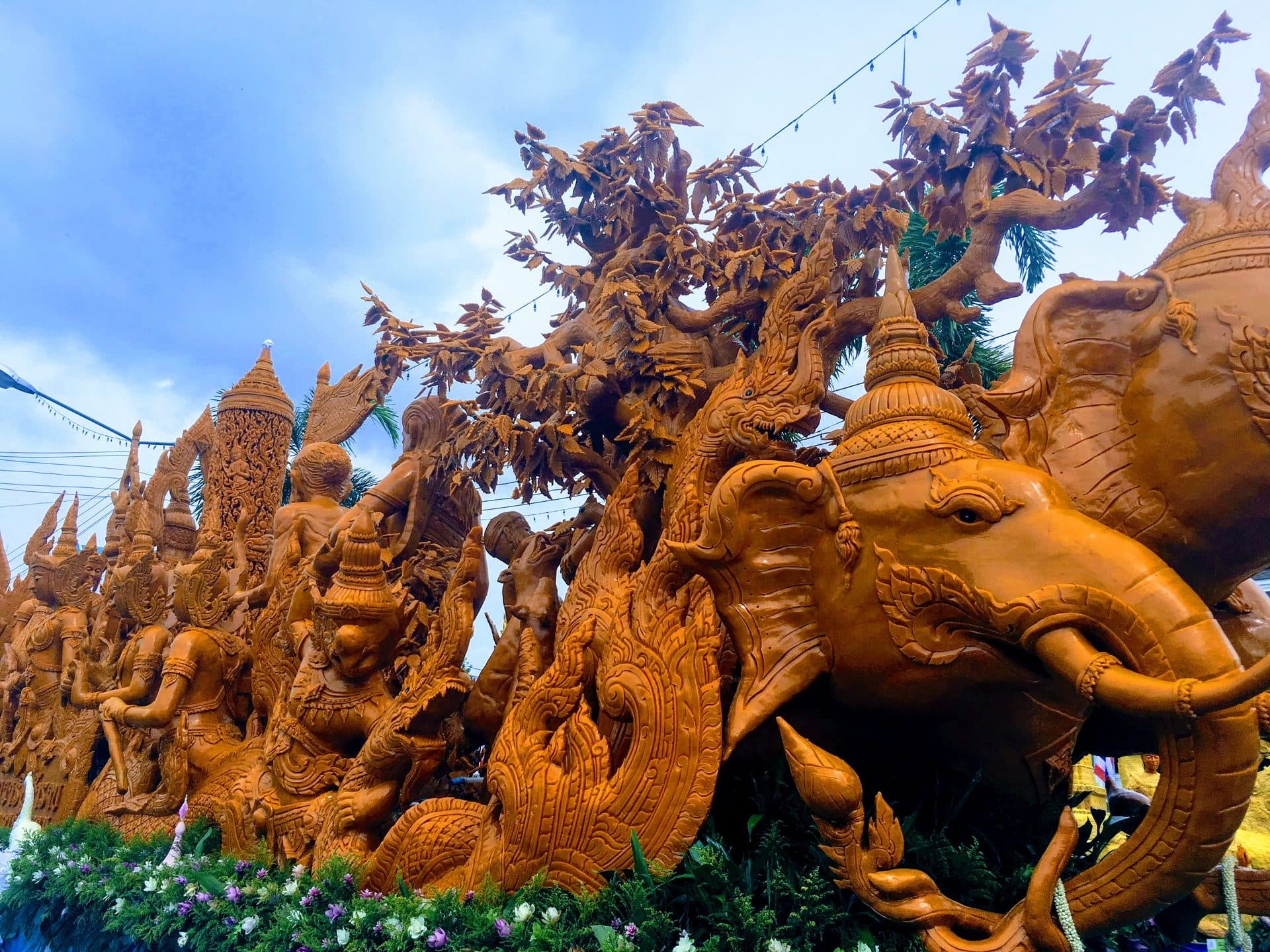
- Thailand's other great light-and-water spectacle comes in July, when the Ubon Ratchathani Candle Festival rolls carved wax floats through Isan.
Frequently asked questions
Can I opt out of getting wet?
Realistically, no. Anywhere near the old city on the main days, you are a participant. Bank errands and airport runs happen early, before the crowds. If staying dry matters to you, Songkran week in Chiang Mai is the wrong booking; that's an honest answer.
Which city does Songkran best?
Chiang Mai is the consensus pick for scale and atmosphere: the moat setting, the processions, and a compact old city built for the game. Bangkok's Silom and Khao San are wilder and more touristic; smaller towns give you the family version with the temple rituals intact.
Is Songkran family-friendly?
Very, by daylight. Thai families fight in multi-generation squads, and children with buckets outrank everyone. Evenings around the big stages get boozier, and families drift home at dusk. So should you if you're traveling with kids.
What about the new rules?
Authorities announced rules for 2026 that include bans on high-pressure water guns and on putting powder on people without their consent, plus time limits in Bangkok's water zones. Rules change year to year, so check the Tourism Authority of Thailand's announcements before you pack your gear.