What is São João do Porto?
São João is Porto's night. On June 23, the eve of the feast of St John the Baptist, the whole city goes out and stays out until sunrise. Strangers tap each other on the head with plastic hammers, grills on every corner send up the smoke of sardines, the streets fill with music and dancing, and at midnight fireworks burst over the Douro river.
The festival has been celebrated for more than six centuries, and by the 19th century it had become Porto's most important. Like midsummer festivals across Europe, it mixes a Christian feast with much older celebrations of the solstice and the sun, and of courtship. That is where some of its customs come from: people once tapped each other with leeks or garlic flowers, as a flirtation or a blessing, and the custom is still seen around the city.
The plastic hammers, martelinhos, are newer. A local toy maker brought them in during the 1960s, and they caught on so completely that the squeaky hammer is now the symbol of the night. Alongside them come pots of basil, manjericos, sold all over the city, each with a paper flower and a little popular verse, traditionally a gift between sweethearts.
What to expect
The party builds through June, with neighbourhood street parties called arraiais and parades of parish groups, but everything leads to the night of June 23.
June 22
The rusgas
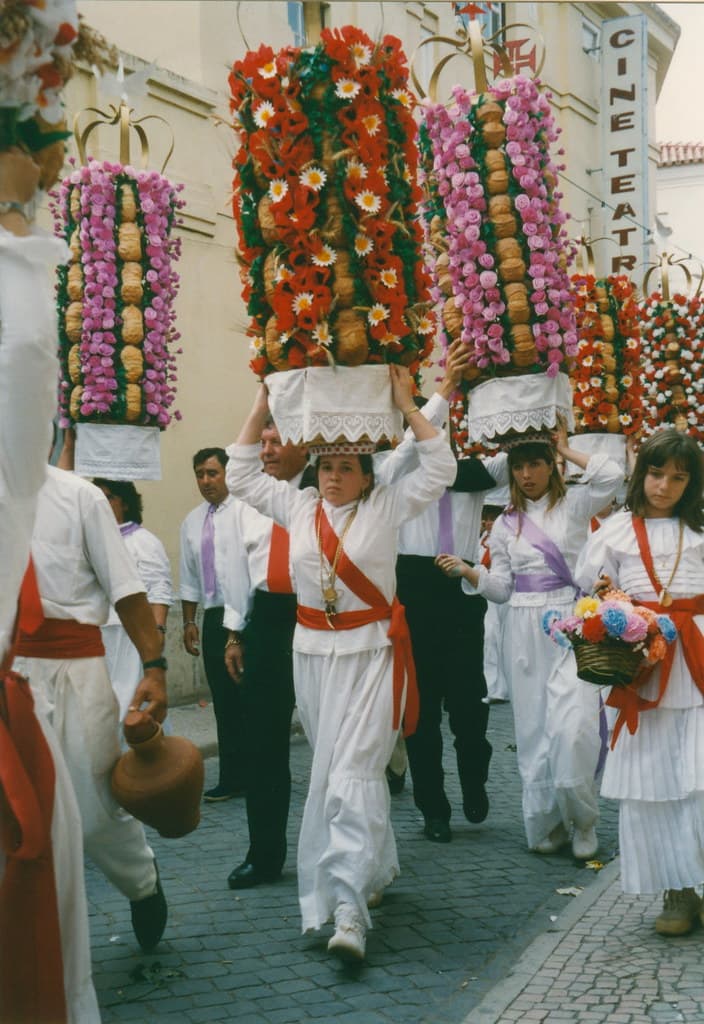
Groups from Porto's parishes parade down the Avenida dos Aliados in traditional costume, with music and dancing, and are judged on their performance. It is the most traditional event of the festival.
June 23
São João night
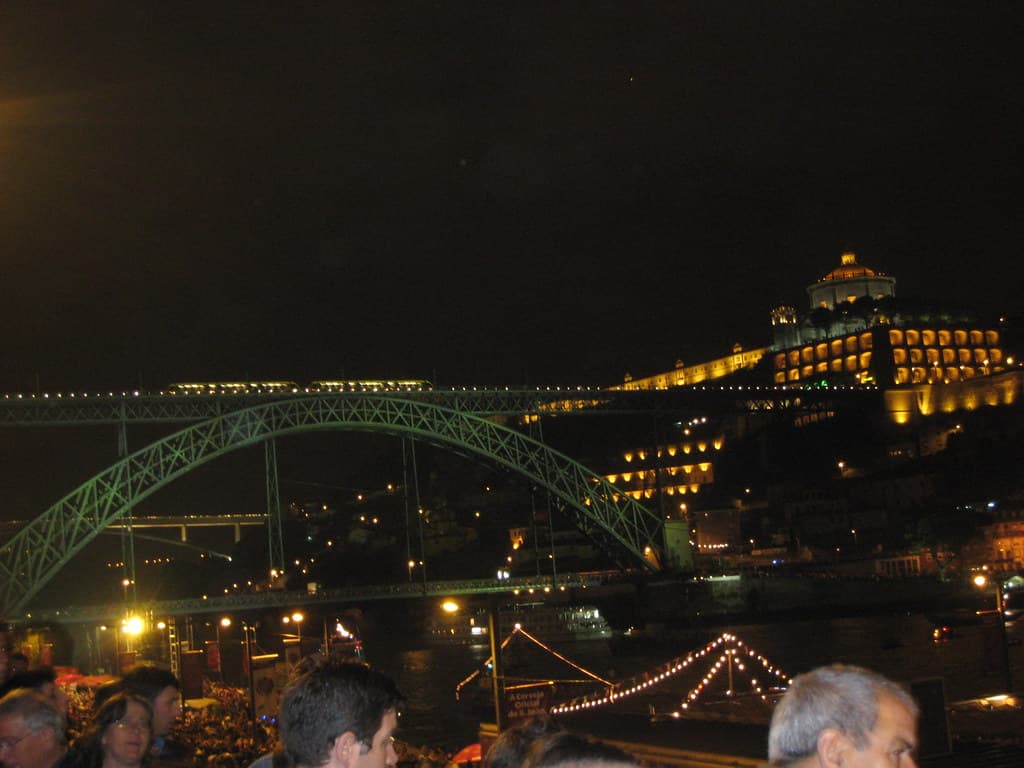
From the late afternoon the old streets fill. Families grill sardines outside their front doors, stages play music across the city, and the crowd moves down towards the Ribeira, the riverside quarter, hammers in hand. At midnight the fireworks begin over the Douro, lit from the river and the Luís I bridge.
June 24
Sunrise and St John's Day
After the fireworks, many people walk west along the river to the seaside at Foz to watch the sun come up, and the bravest go for a swim. June 24 is a public holiday in Porto, and the city sleeps it off.
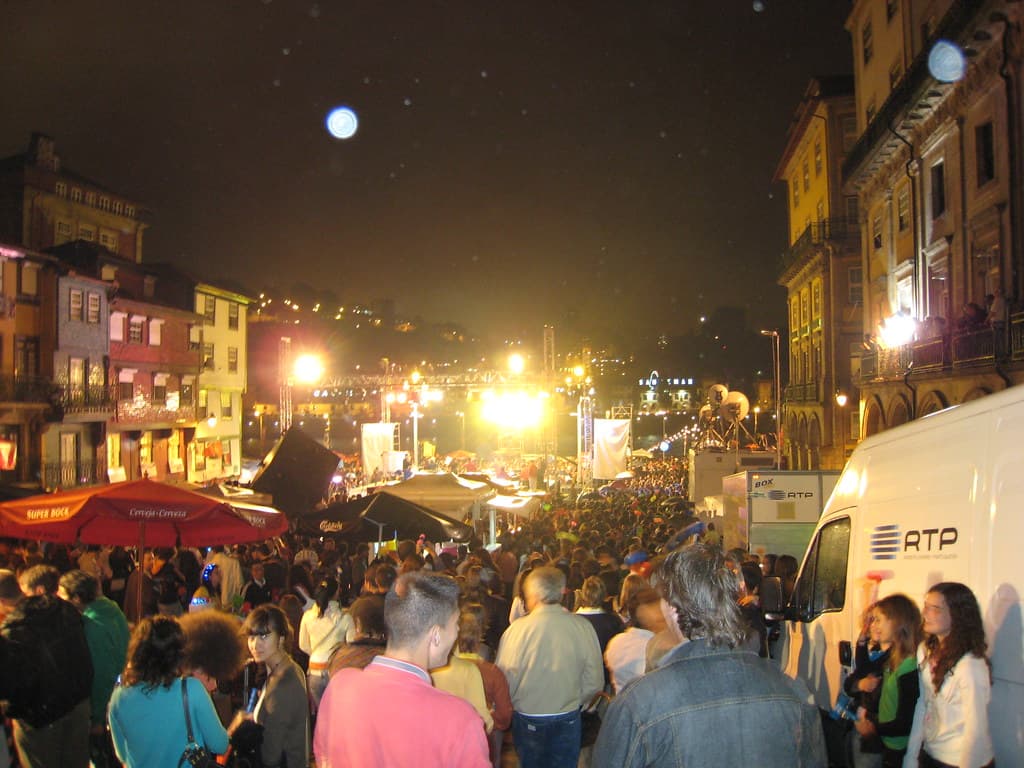
The Ribeira on São João night
Photo by Hugo Cadavez / flickr · CC BY 2.0
Planning your trip
Getting there
Porto's airport is linked to the centre by metro, and there are trains from Lisbon in about three hours. On the night itself, the metro runs late and the centre closes to cars, so walk: the main streets and the riverside are close together, if steep.
Where to stay
Anywhere in the historic centre, around the Ribeira, Aliados or Baixa, keeps you on foot, though rooms close to the river are noisy until dawn. Vila Nova de Gaia, across the bridge, is a good alternative with views back over the city.
What it costs
The party itself is free. Grilled sardines with bread and a glass of wine cost little at street stalls and in the local associations' arraiais, and a hammer or basil pot costs a few euros. Rooms are the expense: Porto fills up for the night, and prices rise accordingly.
Go like you know
- Buy a hammer and use it, gently. Tapping strangers on the head is the custom, and you will get plenty back.
- Eat sardines on bread, the old way, and try caldo verde, the kale soup that keeps the night going.
- Give a manjerico to someone you like; read the verse first.
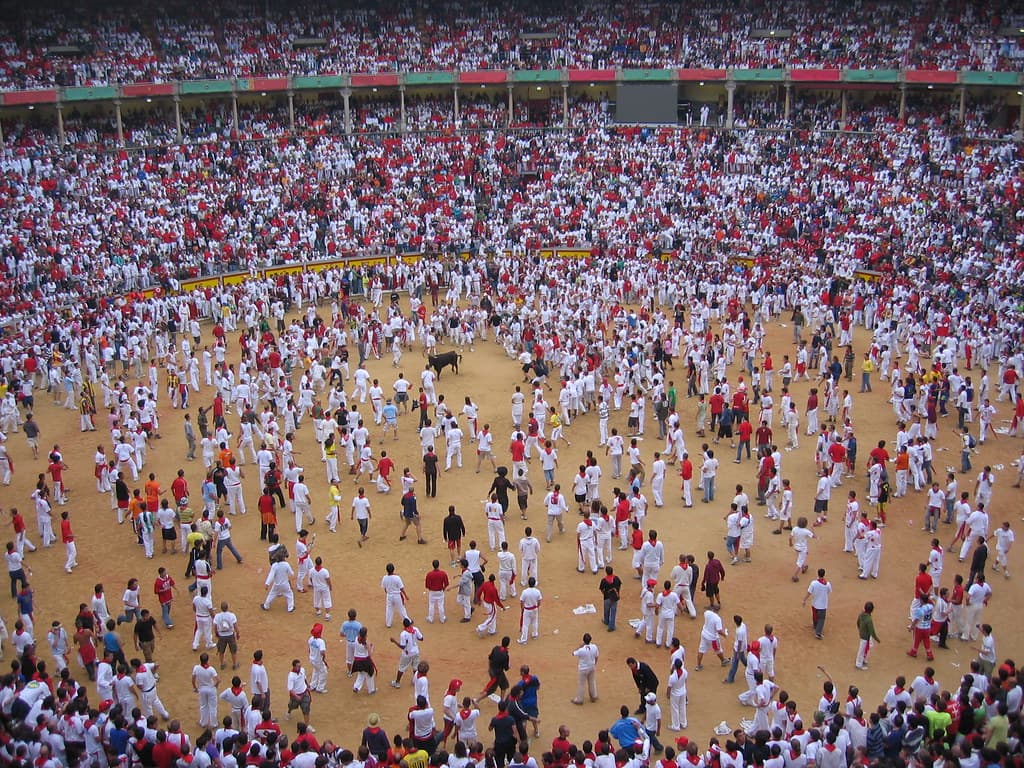
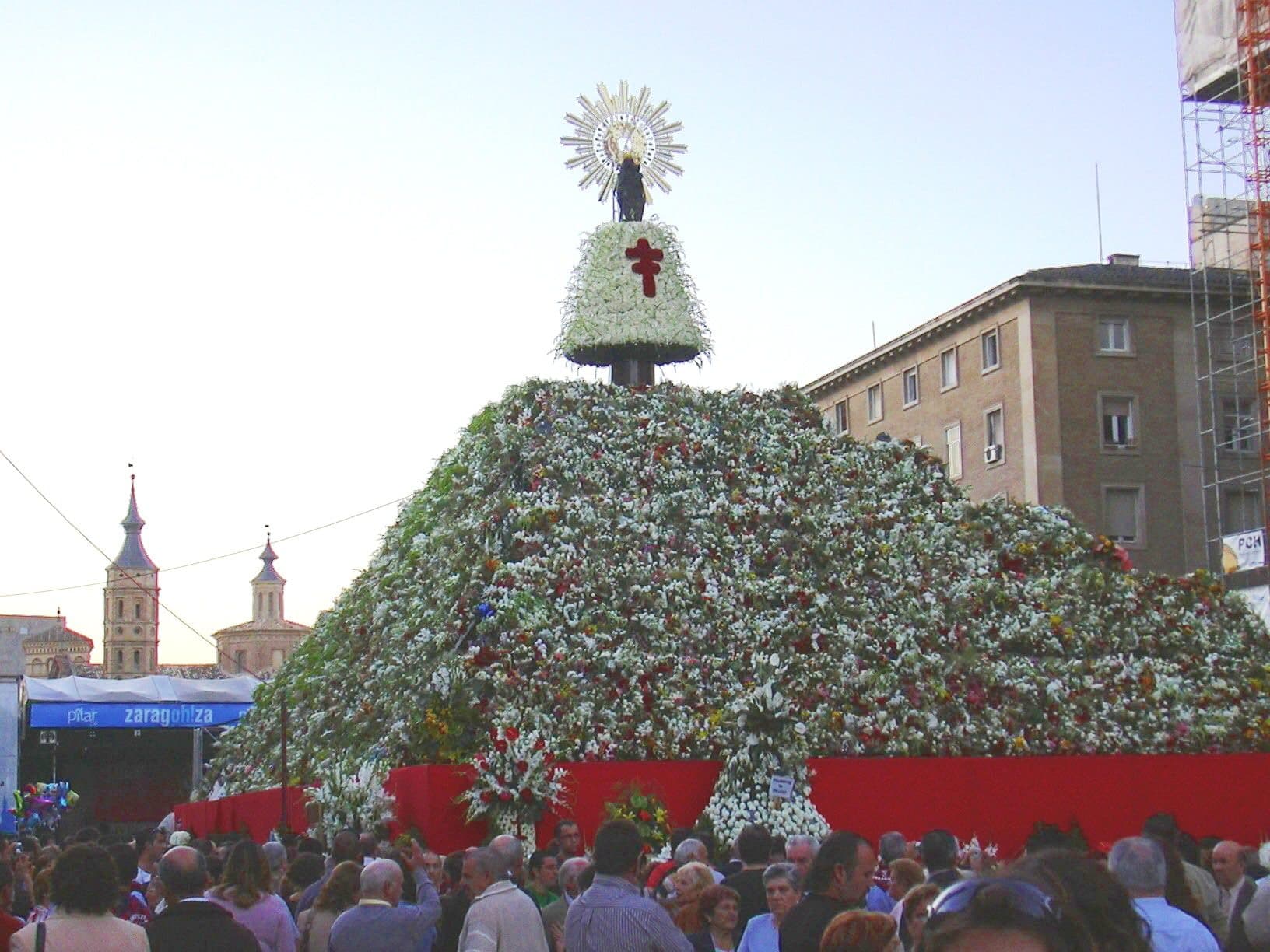
- Spain's San Fermín starts two weeks later, and Zaragoza's Fiestas del Pilar bring the Iberian festival season to an end in October.
- For another all-night Iberian fire and fireworks party, see Valencia's Las Fallas in March.
Frequently asked questions
When is São João do Porto?
Every year on the night of June 23 into June 24, St John's Day. The festival programme runs through much of June, with neighbourhood parties and the parish parades on June 22, but the night of June 23 is the one to be in Porto for. June 24 is a public holiday in the city.
Is São João suitable for families?
The early evening is: families grill sardines in the streets, children carry hammers, and stages play music for all ages. Around the Ribeira before and after midnight, the crowds get very dense and the party gets louder and later, so families with small children often watch the fireworks from further away.
What is the hammer for?
Fun, mostly. Tapping people on the head with a squeaky plastic hammer is the way Porto greets strangers on São João. It replaced an older habit of tapping people with leeks or garlic flowers, said to bring luck and to be a playful form of flirting. Nobody is offended, so join in.