What is São João de Campina Grande?
In Brazil's north-east, June belongs to the festas juninas, the June festivals for St Anthony, St John and St Peter. They are country festivals at heart, with bonfires, corn harvest food, accordion music and square dances in mock-rustic dress, and in the north-east they are as big as Carnival, or bigger. Campina Grande, an inland city in the state of Paraíba, calls its celebration O Maior São João do Mundo, the biggest São João in the world, and few would argue.
It is a young festival with old roots. In 1983 the city's mayor, Ronaldo Cunha Lima, gathered the neighbourhood celebrations into one place, a square in the centre that became the Parque do Povo, the People's Park. It grew fast: by 1987 it was on Brazil's national tourism calendar, and today it runs for about a month, with millions of visitors. The 2026 edition ran for 33 days and drew an estimated 3.5 million people.
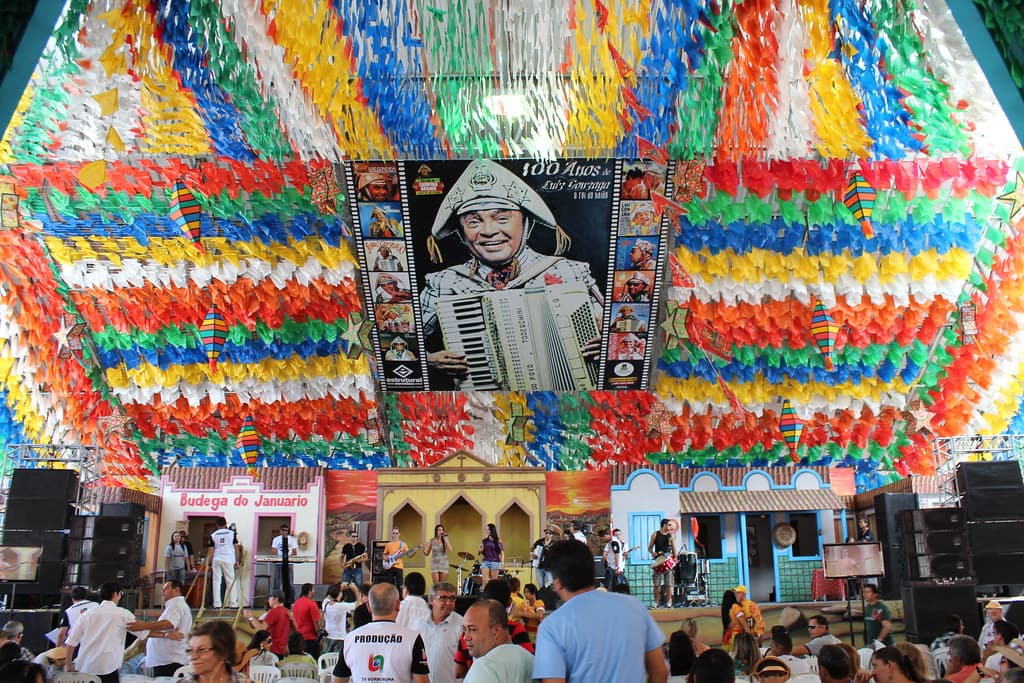
Its soundtrack is forró, the dance music of the north-east, played on accordion, triangle and zabumba drum, and its patron saint, in spirit, is Luiz Gonzaga, the accordionist and singer who carried the music of the backlands to the whole country. His face is everywhere in June.
What to expect
The festival runs every night through June and into early July, building to St John's Eve, June 23, and the weekends around it.
Every night
The Parque do Povo
The festival ground opens in the evening with stalls, rides and stages. Big-name Brazilian artists play the main stage, while smaller stages and the ilhas de forró, little forró islands, host traditional trios playing until the early hours.
June weekends
Quadrilhas and the forró train
Quadrilhas juninas, square-dance troupes of dozens of couples in patched country dress and petticoats, perform and compete. A special train with forró bands on board, the Expresso Forrozeiro, runs out to the nearby district of Galante.
June 23
São João night
The biggest night. Bonfires are lit in the streets and in front of houses, a tradition for St John, and the Parque do Povo is at its fullest until dawn.
Next to the main ground, the Vila Nova da Rainha recreates the village that preceded the city, with crafts, traditional games and even donkey races, and the Sítio São João reproduces country life in the backlands, with a farmhouse, a mill and food stalls.
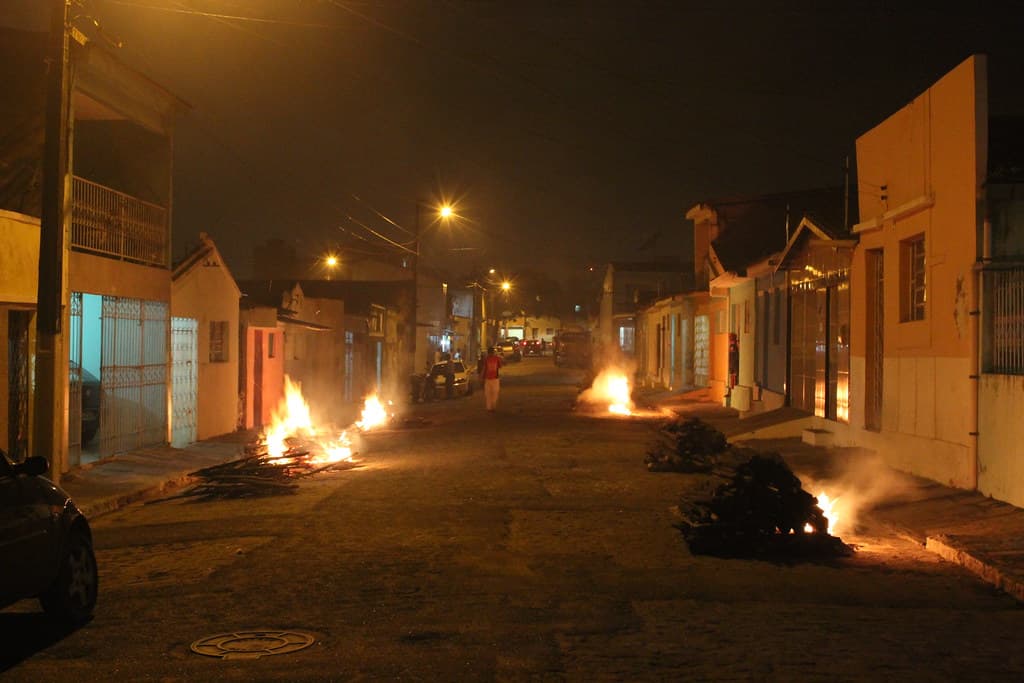
Bonfires in a Campina Grande street on São João
Photo by Marinelson Almeida Silva / flickr · CC BY 2.0
Planning your trip
Getting there
Campina Grande has a small airport with flights from a few Brazilian cities, and more flights add in June. Most visitors fly into João Pessoa or Recife on the coast and come in by road: about two hours from João Pessoa and three from Recife, with frequent buses and extra services in June.
Where to stay
Campina Grande's hotels and guesthouses fill for the June weekends, and locals rent out rooms and houses. Staying in João Pessoa, a beach city, and coming in for one or two nights is a popular combination, though the drive back after a night of forró is long.
What it costs
Entry to the Parque do Povo is free, as are most of the shows. Food and drink are cheap: a plate of corn dishes or a grilled skewer costs little. Flights and rooms rise sharply for June, especially around St John's Eve, so book early.
Go like you know
- Dress the part. Checked shirts, straw hats and patched dresses are everywhere, and painted-on freckles and moustaches are part of the joke.
- Learn a few forró steps before you go: it's a close couples' dance, and strangers will invite you.
- Go to a quadrilha competition. The costumes and choreography take all year to prepare.
- Brazil's other great June festival is the Parintins Folklore Festival in the Amazon, on the last weekend of the month.
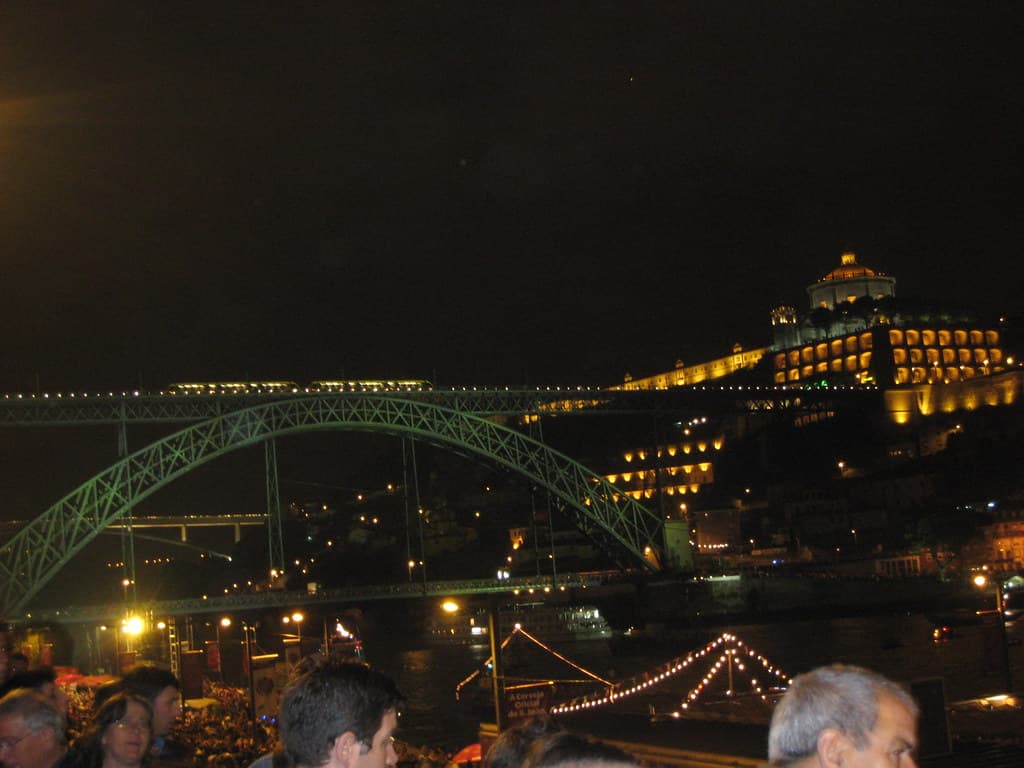
- Across the Atlantic, Porto celebrates the same saint's night with sardines and hammers at São João do Porto.
Frequently asked questions
When is São João de Campina Grande?
For about a month from early June to early July; the city announces the exact dates and programme each spring. In 2026 it ran from June 3 to July 5. The busiest nights are the weekends and St John's Eve, June 23, so plan around those for the full atmosphere.
Is it the same as the festa junina elsewhere in Brazil?
The same tradition, on a much bigger scale. Festas juninas are celebrated across Brazil, often at schools and churches. In the north-east they are the year's main festival, and Campina Grande and Caruaru, in Pernambuco, compete for the title of the biggest, each with a month of music.
Do I need to speak Portuguese?
It helps, as English is not widely spoken in Campina Grande. But the festival is easy to enjoy without it: the music, the dancing and the food need no translation, and people are friendly to visitors. A translation app and a few words of Portuguese go a long way.