What is Nowruz?
Nowruz, meaning "new day" in Persian, is the new year celebrated at the spring equinox, when day and night are equal. A United Nations document puts its origins in Iran more than three thousand years ago, with roots in Zoroastrian traditions of ancient Persia, and it has survived empires, religions and borders. Today it is celebrated by more than three hundred million people across Iran, Afghanistan, Central Asia, the Caucasus, Turkey, parts of the Middle East and the diaspora. UNESCO lists Nowruz (inscribed in 2009 and extended in 2016) as intangible cultural heritage shared by many countries.
The festival celebrates renewal, the victory of light over darkness, and the rebirth of nature. Customs vary by country, but many are shared: spring cleaning before the new year, wearing new clothes, visiting family and friends, and preparing special foods. In Iran, families set a haft-sin table with seven symbolic items whose names begin with the letter s, such as sprouts, apples and garlic. Bonfires are jumped in Iran and Azerbaijan to leave behind the troubles of the past year.
In Uzbekistan, where it is known as Navruz, March 21 is a national holiday. The ancient cities of Samarkand and Bukhara, on the Silk Road, celebrate with music, dance, traditional games and food. Sumalak, cooked overnight from sprouted wheat, is the symbol of the holiday, alongside plov, Uzbekistan's famous rice dish. The holiday is not unique to the Silk Road: Nyepi, Bali's new year, also falls in March.
A new year that begins not at midnight but at the moment the earth leans back toward the sun.
What to expect
Nowruz festivities take place over several days, with the main day at the equinox.
Weeks before
Preparation
Homes are cleaned, new clothes bought, and wheat sprouted for sumalak. Markets fill with sweets and spring greenery.
Eve
Sumalak night
Communities gather to cook sumalak through the night, stirring the huge cauldrons in turns, singing and telling stories.
Mar 21
Navruz day
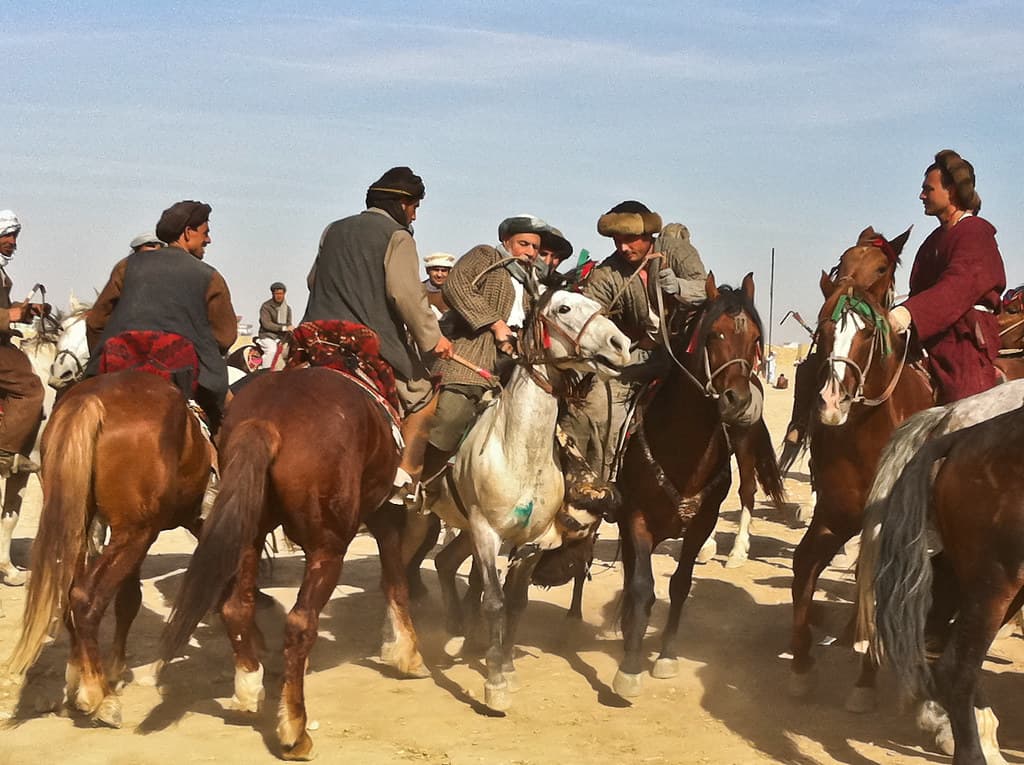
Concerts, folk performances and fairs fill squares and parks. Families share festive meals and visit relatives, and traditional games such as kupkari, a horseback game, may be held outside cities.
Days after
Visits and picnics
People continue visiting family and friends and enjoy picnics in parks and the countryside as spring begins.
Planning your trip
Getting there
Tashkent is the main international hub for Uzbekistan, with connections to Central Asia, the Middle East, China, Korea, India, Southeast Asia, Russia and Europe, and Samarkand has its own airport with international routes. The Afrosiyob high-speed train links Tashkent and Samarkand in a little over two hours and reaches Bukhara in just under four hours from Tashkent. Services can be busy around the Navruz holiday, so book tickets in advance.
If you are traveling across the region, note that dates and customs differ. Uzbekistan's holiday is fixed on March 21, though days off shift around weekends (in 2026 it ran into a four-day break for five-day workers), so check the year's official notice. In Iran, celebrations run to the thirteenth day of the year and end with Sizdah Bedar, a picnic day (official public holidays are shorter, usually the first four days). Azerbaijan celebrates the four Tuesdays before Nowruz, each dedicated to an element, and Kazakhstan holds public holidays from March 21 to 23 with yurts in its city squares.
Where to stay
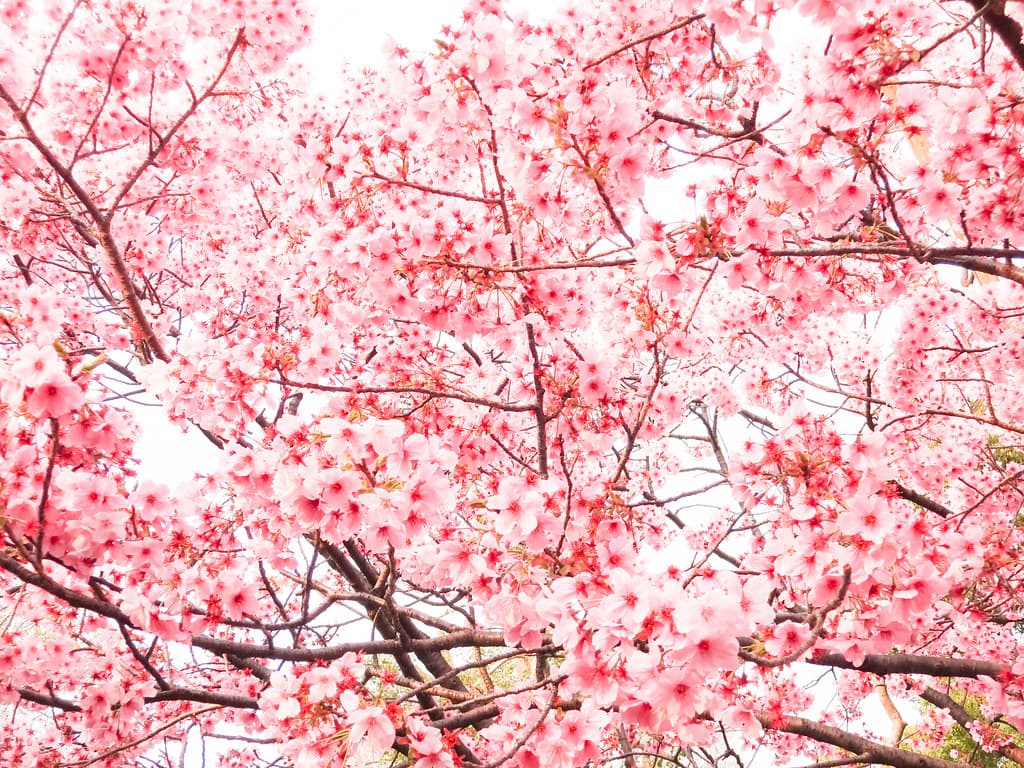
Spring is one of the best times to visit Uzbekistan, with mild weather and blooming trees. Base yourself in Samarkand for the Registan and Shah-i-Zinda, then add Bukhara's old town and Khiva's walled city for a classic Silk Road journey. Hotels are busier than usual around the holiday, so book early.
What it costs
We found no published entry fees for Navruz events, which are largely public gatherings, so the costs to plan for are the ones around them: train tickets between Silk Road cities, and rooms that fill with domestic travelers over the holiday. Check fares and prices close to your dates.
Go like you know
- Try halim, a hearty wheat and meat porridge, and ko'k somsa, pastries filled with spring greens, seasonal Navruz dishes.
- Visit the Registan in the evening, when the madrasas are lit up.
- Learn the greeting Navruz muborak!, "Happy Navruz".
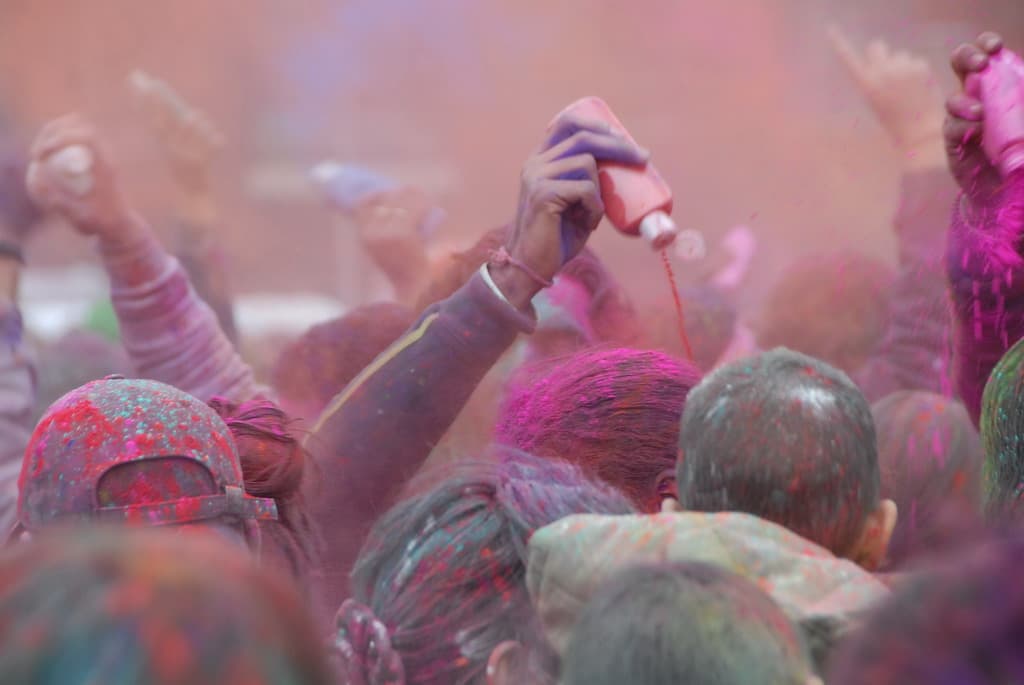
- Visit a local market to see spring sweets and greens on sale. If your route continues to India, Holi also falls in March and also starts with bonfires.
- Explore the Shah-i-Zinda necropolis early in the morning, before the crowds, to see its blue tiles in soft light.
- Take a day trip from Samarkand to Shahrisabz, birthplace of Timur and roughly an hour and a half each way, for a quieter Navruz in a smaller town.
Frequently asked questions
When is Nowruz?
Nowruz falls at the spring equinox, on March 20 or 21 depending on the year and time zone. In Uzbekistan, it is always celebrated on March 21, a national holiday. In Iran, the new year begins at the exact moment of the equinox, and celebrations last 13 days.
Where are the best places to celebrate Nowruz?
Iran, Azerbaijan, Uzbekistan, Kazakhstan, Kyrgyzstan and Tajikistan all celebrate on a large scale. For travelers, Samarkand and Bukhara in Uzbekistan offer easy access, festive events and Silk Road sights. Baku in Azerbaijan is known for its bonfires, especially in the old walled city, Icherisheher.
What is sumalak?
Sumalak is a sweet, thick paste made from sprouted wheat, cooked for many hours, often overnight, in a large cauldron. It is a symbol of spring and abundance, prepared by communities and shared with neighbors and friends during Navruz in Central Asia.
Is Nowruz a religious holiday?
Nowruz has ancient Zoroastrian roots but is today celebrated as a cultural and secular festival by people of many faiths and none. It focuses on spring, family, nature and renewal, and visitors are welcome to join the festivities with respect for local customs.