What is Ouidah Vodun Days?
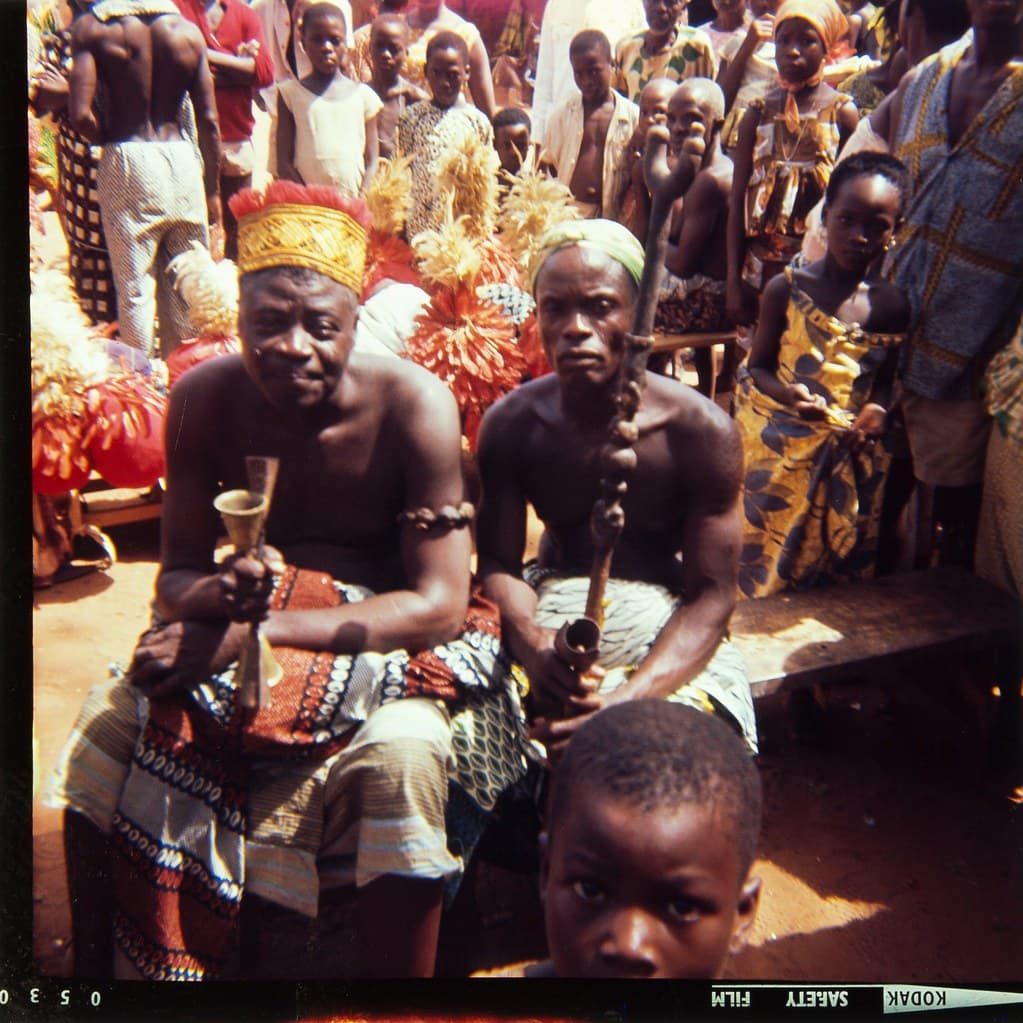
Vodun, the faith the rest of the world often calls voodoo, was born in what is now Benin and Togo, among the Fon, Ewe and related peoples. It is a religion of spirits, the vodun, who govern forces such as thunder, the sea, smallpox and iron, and of ancestors who remain present in daily life. Ceremonies connect the living with these powers through music, dance, offerings and possession.
The transatlantic slave trade carried millions of people from this coast to the Americas, and with them went their faith. Vodun took new forms in Haiti, Brazil, Cuba and Louisiana, while at home it survived colonial suppression and later political pressure. In the 1990s, Benin recognized Vodun openly (it was officially declared a religion in 1996), and January 10 became a national holiday for traditional religions, the Fête du Vodoun.
Ouidah, a former slave-trading port, is the spiritual center of the celebration. Its Temple of Pythons, sacred forest and Route des Esclaves, a four-kilometre route leading to the beach and the Door of No Return memorial, hold layers of history and faith. Since 2024 the government has staged the holiday as Vodun Days, a multi-day program of ceremonies, performances and concerts. Organizers counted more than 435,000 participants at the 2025 edition, and a 2024 law moved the national day from January 10 to the second Friday of January.
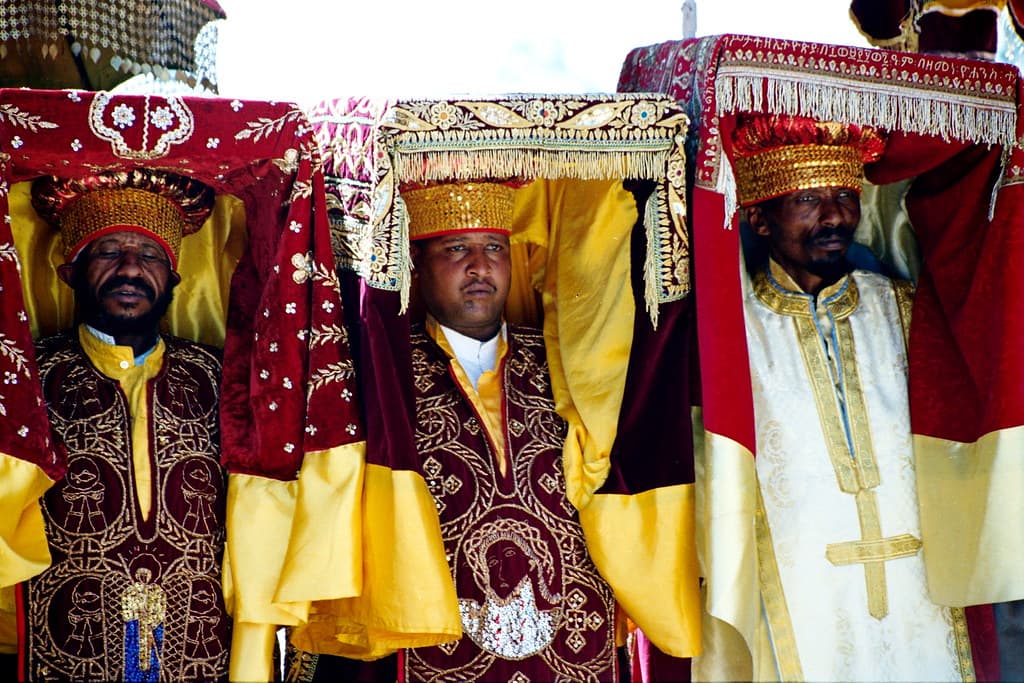
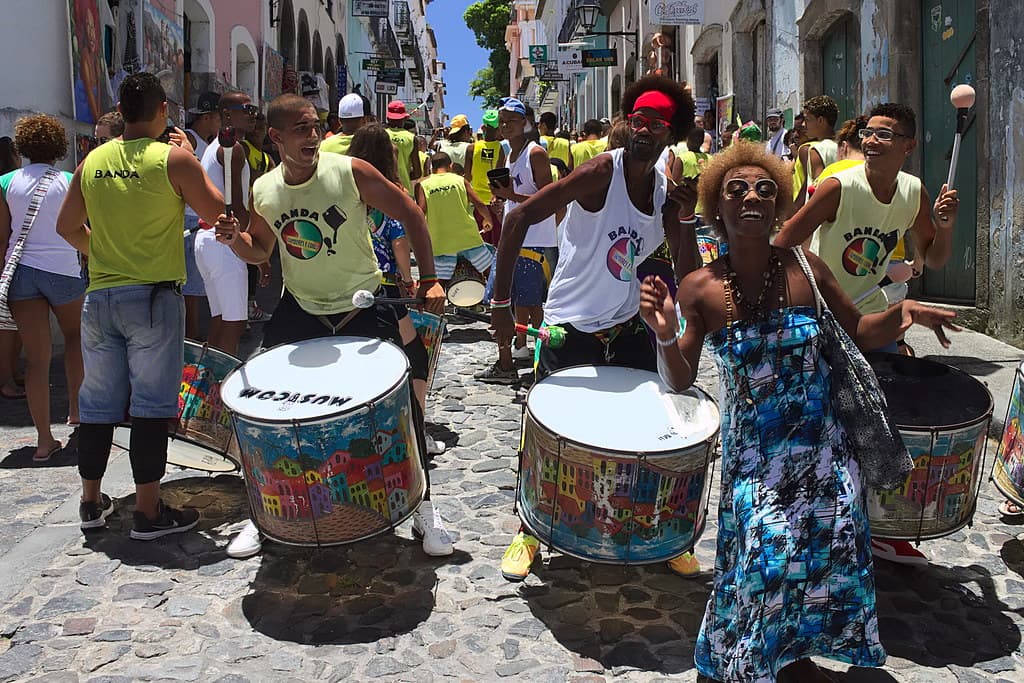
The diaspora story continues across the Atlantic at Salvador Carnival in Bahia and Mardi Gras in New Orleans, and Timkat in Ethiopia is another African religious festival that falls in January.
A faith that crossed the ocean in chains comes home every January to the beach it left from.
What to expect
The program changes each year. The 2026 edition, from the official press pack, shows the rhythm: daytime performances in town, a major ceremony on the beach, concerts at night. A longer program is announced for 2027, so check the official Vodun Days site before planning around a schedule.
Day 1
Squares, masquerades and a beach concert
From nine in the morning, the Egungun, ancestor spirits in layered, shimmering costumes, perform at Place Maro, the Zangbeto, the whirling night guardians, at the Fort Français esplanade, and Vodun convents show their rites in the Kpassè sacred forest. In the evening the beach near the Door of No Return stages a large concert.
Day 2
The Grande Cérémonie Vodun
The centerpiece, held at seven in the evening on the beach near the Door of No Return, opens with a talk on Vodun theology, continues with the consultation of the Fâ oracle and a procession of the convents, and closes with an ecumenical prayer. Cultural shows and traditional music run on into the night.
Day 3
The arena and the beach
From four in the afternoon, shows at the Ouidah Arena feature Zangbeto and Egungun, followed by DJ sets on the beach.
Planning your trip
Getting there
Most visitors fly into Cotonou's Cardinal Bernardin Gantin airport, about 40 kilometres from Ouidah, which has international connections across West Africa and to Europe. Shared taxis and minibuses make the trip along the coast road, but on festival days traffic can be heavy, so leave early.
In 2026 the organizers closed central Ouidah to traffic and linked three free car parks to the town and the beach with free shuttles, with paid Gozem tricycles as an extra option.
Where to stay
We found no official figures for hotel capacity in Ouidah, so book as early as you can, whether in Ouidah itself or in Cotonou, about an hour away, or at a beach hotel along the coast. Check entry requirements for Benin well before travelling: the government runs an e-visa portal (evisa.bj) for stays of up to 90 days.
What it costs
Entry to Vodun Days was free in 2026, according to the organizers, who also sold VIP passes with privileged access to some areas. The costs you will meet are the e-visa (listed at €50 for a single-entry, 30-day visa, €75 for multiple entries, €100 for 90 days), flights, lodging, food, and paid tricycle rides around town. Budget extra for a guide and small offerings.
Go like you know
- Visit the Temple of Pythons, where the sacred royal pythons are honored, and the Sacred Forest of Kpassè, filled with Vodun sculptures.
- Walk the Route des Esclaves to the Door of No Return in the quiet morning before the festival crowds arrive.
- Learn a few words of French, Benin's official language, and some Fon greetings; locals appreciate the effort.
- Bring small bills for offerings, donations and tricycle rides; change can be scarce.
- Extend your trip to the stilt village of Ganvié or the royal palaces of Abomey, which deepen your understanding of Vodun and Benin's history.
- Drink plenty of water and plan rest in the shade during the afternoon; the coastal heat in January is intense even in the dry season.
Frequently asked questions
Is Vodun the same as voodoo?
Vodun is the original West African religion from which Haitian Vodou and other diaspora traditions grew. The word "voodoo" often carries Hollywood stereotypes of curses and dolls that misrepresent the faith. In Benin, Vodun is a recognized religion practiced openly alongside Christianity and Islam.
Can foreigners attend the ceremonies?
Yes, the public events in Ouidah welcome visitors, and the festival is designed to share Vodun culture. Some rituals remain private or are restricted to initiates. Follow the guidance of organizers and local guides, dress modestly, and treat ceremonies as you would a religious service.
When should I arrive?
Arrive a day or two before the main ceremony to see the full program of performances, and to visit Ouidah's historic sites before the biggest crowds. The national holiday weekend is the most intense stretch, with the main beach gathering. Since 2024 the holiday falls on the second Friday of January.
Is it safe to visit?
Ouidah and Cotonou are in the south, far from the northern border regions that governments such as the United States advise against visiting because of terrorism and kidnapping. Check your own government's current advice before booking, take normal precautions in crowds, and arrange transport in advance.
What should I wear?
Choose light, modest clothing that covers shoulders and knees, comfortable closed shoes for sand and uneven ground, a hat and sunglasses. White is common at many ceremonies, but there is no strict rule for visitors. Avoid flashy jewelry, and carry a light layer for the breezy evenings on the coast.