What is Mardi Gras?
Mardi Gras means "Fat Tuesday" in French: the last day of feasting before Lent, the Christian season of fasting that begins on Ash Wednesday. French colonists brought the celebration to the Gulf Coast in the early eighteenth century, and New Orleans made it its own.
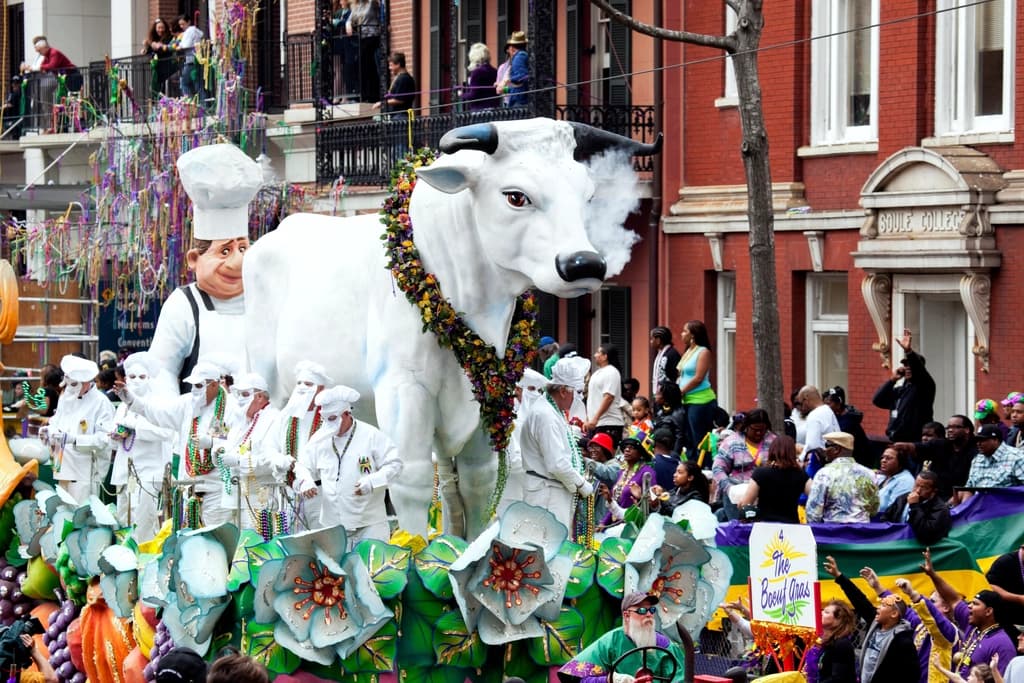
In the nineteenth century, private societies called krewes began organizing elaborate night parades with floats, costumes and themes. The Mistick Krewe of Comus paraded in 1857 and set the template, and over time dozens of krewes followed, from old-line societies with secret membership to modern super-krewes with huge floats and celebrity riders. Each krewe has its own king, queen, ball and traditions, and many have famous signature throws, from Zulu's painted coconuts to Muses' decorated shoes.
Mardi Gras is also a festival of neighborhood traditions. The Mardi Gras Indians, Black New Orleanians who sew elaborate suits of beads and feathers over a whole year, emerge on Mardi Gras Day, meeting other tribes in the streets with chants and ritual challenges. Walking clubs, brass bands and costumed revelers fill the French Quarter and the Marigny. Carnival season officially begins on January 6, Twelfth Night, and the city eats king cake all the way to Fat Tuesday.
Laissez les bons temps rouler. Let the good times roll.
What to expect
The final stretch before Fat Tuesday is packed with parades almost every day.
Final two weekends
Parade season peaks
Major krewes roll Uptown along St. Charles Avenue and downtown, with several parades a day on weekends and night parades lit by flambeaux.
Lundi Gras
The night before
Rex, the King of Carnival, and the King of Zulu arrive by river at the riverfront, parties fill the waterfront, and Orpheus and other night parades roll through the city.
Fat Tuesday
Mardi Gras Day
Zulu rolls first thing in the morning, with Rex following. Walking clubs and costumed revelers take over the French Quarter and Marigny, and Mardi Gras Indians appear in their neighborhoods. At midnight, police clear Bourbon Street and Lent begins.
Planning your trip
Getting there
New Orleans' international airport is about half an hour from downtown by taxi (a flat $36 for one or two passengers) or rideshare. Parking is difficult and streets close around routes. In 2026 the transit authority suspended the St. Charles and Canal streetcar lines from the Thursday before Fat Tuesday through Mardi Gras Day, running buses instead, so plan to walk or use ride-hailing from outside the closures. Grandstand tickets are available on some routes for guaranteed seats and restrooms.
Where to stay
Book accommodation very early, especially for the final weekend; many hotels require minimum stays. Staying near the parade routes, Uptown or in the Central Business District, lets you walk to the action, which matters since streets close for parades.
What it costs
Parades are free to watch from public streets, and the main costs are lodging, which peaks for the final weekend, food and any grandstand seat. Krewe balls are private or ticketed events. Throws and king cake are cheap extras; bring a bag for the beads.
Go like you know
- Eat king cake throughout the season, and if you find the plastic baby in your slice, tradition says you buy the next cake.
- Bring a bag for throws. You will collect more beads than you expect.
- Learn the parade schedule using an app; parades often run late, and timings shift.
- Visit Mardi Gras World to see how floats are built if you want the backstage story.
- Look for the Mardi Gras Indians on Mardi Gras morning, respectfully and at a distance; ask locals where tribes are likely to appear.
- Try a muffuletta, a po'boy or a bowl of gumbo between parades; local restaurants near the routes are packed, so eat early or late.
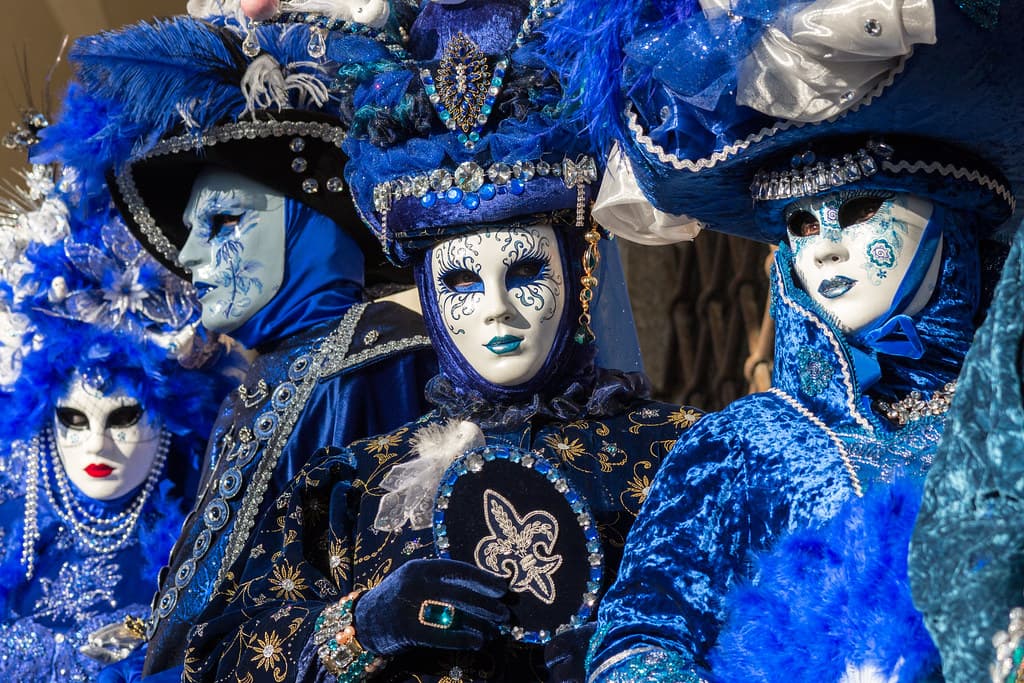
- Comparing Carnivals? In 2027 Venice Carnival and Trinidad and Tobago Carnival also end on Fat Tuesday, February 9.
Frequently asked questions
When should I go to New Orleans for Mardi Gras?
The final two weekends before Fat Tuesday have the most parades and the fullest atmosphere. The weekend before Mardi Gras Day and the day itself are the most crowded. Earlier weekends in the season offer smaller, quirkier parades and are calmer, cheaper and more local.
Is Mardi Gras family-friendly?
Yes, especially Uptown along St. Charles Avenue, where families picnic and children ride on ladder seats. The French Quarter and Bourbon Street are a different, adult scene, particularly at night. Choose your location and timing accordingly.
Do I need tickets for the parades?
No, parades are free to watch from public streets. Grandstand seats on some routes are sold separately and offer guaranteed views and facilities. Krewe balls are private or ticketed events, with some open to the public for a fee.
What should I wear?
Costumes are encouraged, especially on Mardi Gras Day, and purple, green and gold are the classic carnival colors. Wear comfortable shoes for long days of walking and standing, and bring layers; February weather in New Orleans varies from mild to chilly and wet.
What are throws?
Throws are the gifts riders toss from floats: plastic beads, cups, doubloons and toys. Prized items such as Zulu's painted coconuts and Muses' decorated shoes are handed down to the crowd, not thrown. Shout "Throw me something, mister!" and keep your hands up. Never pick items up from under a moving float.