What is Cannstatter Volksfest?
Stuttgart's Volksfest began as a thank-you for food. In 1815, the eruption of Mount Tambora in Indonesia threw so much ash into the atmosphere that Europe went through a "year without a summer," and the harvests that followed failed across southern Germany. King Wilhelm I of Württemberg and Queen Katharina responded with agricultural reforms, and in 1818 the king founded a farmers' festival on the Cannstatter Wasen, a broad meadow by the river Neckar, to celebrate the recovery.
That first festival showed off farm machinery and livestock, and featured a Fruchtsäule, a fruit column decorated with fruit, vegetables and grain donated by the king. The column has become the festival's emblem, and a towering version still stands in the middle of the grounds. A large agricultural show, the Landwirtschaftliches Hauptfest, still runs alongside the fair in some years (in 2026, from September 27 to October 4), but the Volksfest itself has grown into one of the largest folk festivals in the world.
Around four million people come each year, and the organizers describe it as the second-largest folk festival in the world, after Munich's Oktoberfest. It feels different, though. Most of the crowd is Swabian, from Stuttgart and the towns around it, and the event keeps a local, neighborhood character, with company outings, family days and old friends meeting in the same tent every year. The beer is brewed in Stuttgart, and the food is proudly regional.
Born of a famine, it became one of the biggest parties in Germany.
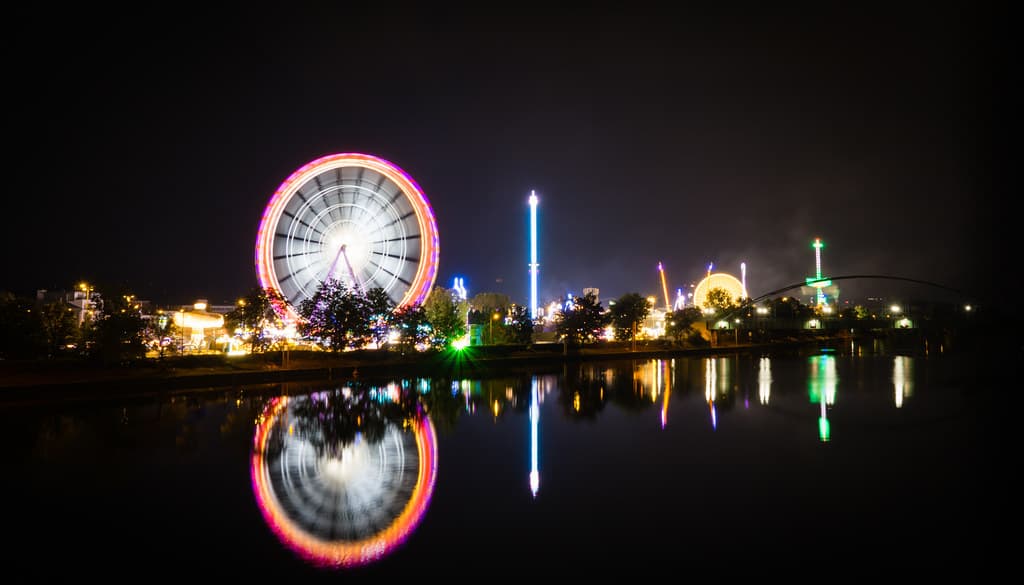
The fairground lights reflected in the Neckar after dark
Photo by beni_rupp / flickr · CC BY 2.0
What to expect
The fair runs for more than two weeks, and its rhythm follows the calendar.
Opening Friday
The tapping
The Lord Mayor of Stuttgart taps the first barrel in one of the big tents, and the fair opens with a rush of locals coming straight from work.
First Sunday
The parade
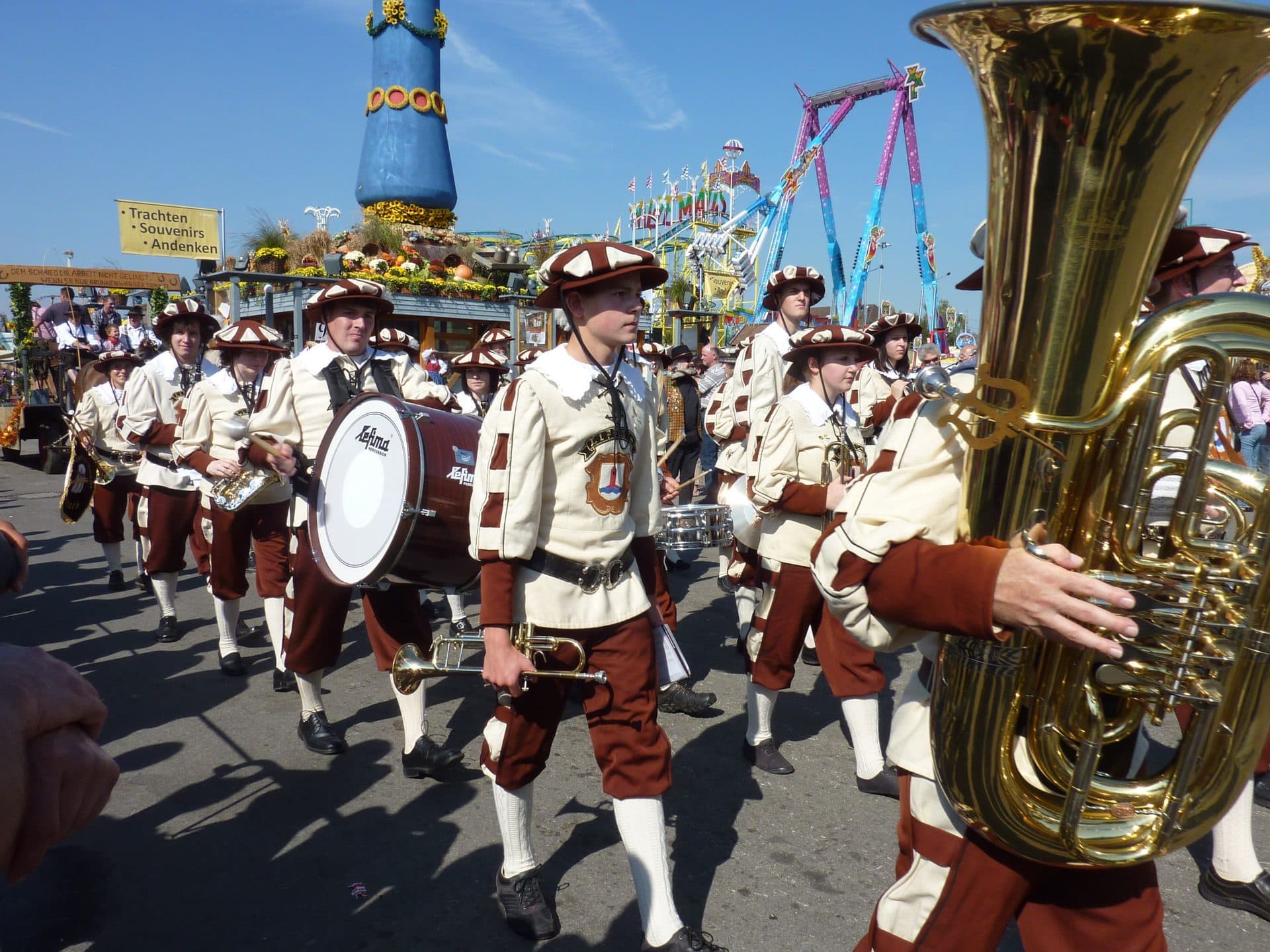
A long procession of brass bands, traditional costume groups, horse teams and decorated wagons travels through Bad Cannstatt to the fairground. In 2026 it counted about 130 groups, so claim a spot on the route early.
Weekdays
Family days and quiet afternoons
Weekday afternoons are relaxed, with reduced prices for rides on family days and plenty of free seats in the tents before the evening crowds arrive.
Closing weekend
Fireworks
The fair ends with a musical fireworks display over the Wasen on the final Sunday evening, and the tents play their last songs late into the night.
Planning your trip
Getting there
Stuttgart is a major rail hub, and its airport is linked to the main station by S-Bahn (about 27 minutes). The Wasen lies in the district of Bad Cannstatt: take the S-Bahn or a regional train to Bad Cannstatt station, a walk of under ten minutes, or the U11 or U19 tram to the Cannstatter Wasen stop (the trams run to the grounds until about 8 p.m.). Driving is not worth it, since parking is limited and park-and-ride lots on the edge of town are the better bet. Bags larger than A4 are not allowed in, though lockers are available for a fee.
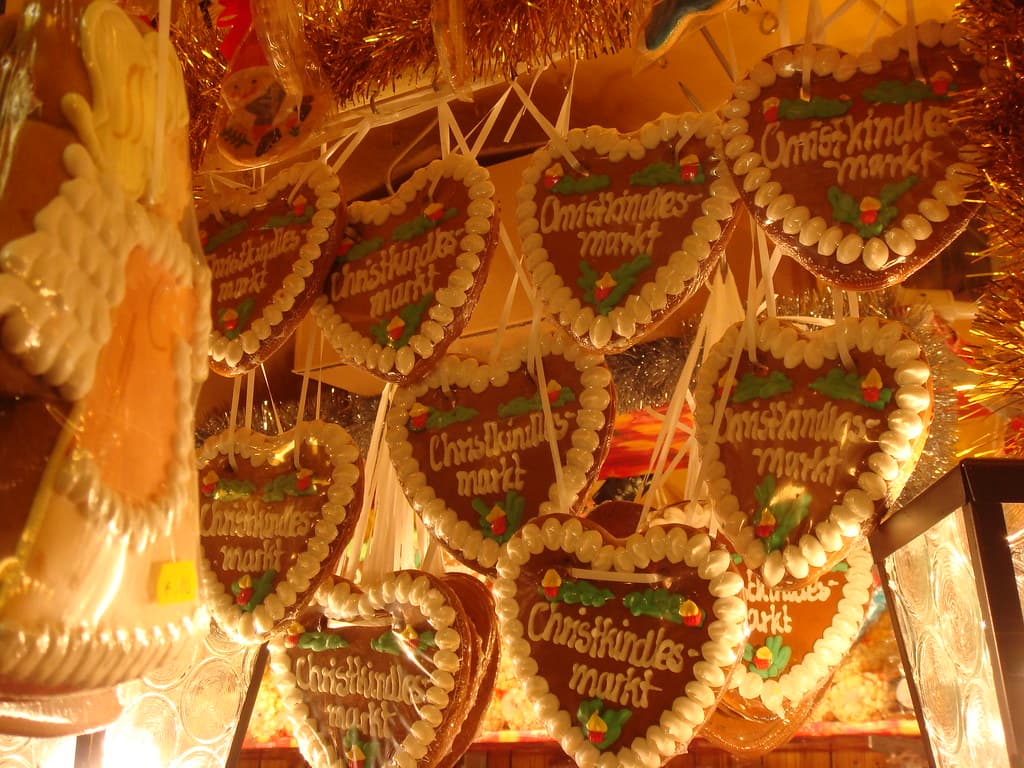
Munich is under two hours away by the fastest trains. If you are building a longer Germany trip, Nuremberg's Christkindlesmarkt opens in late November.
Where to stay
Hotels in Stuttgart fill up during the festival, especially on weekends and during trade fairs, so book early. Esslingen and Ludwigsburg, both a short train ride away, are charming alternatives with old towns of their own.
What it costs
Entry to the grounds is free, and you pay for rides, food and drink. Local press put a liter of beer in the tents at around €15 in 2026. Tables in the big tents are reserved directly through each tent's website, with minimum-spend rules that vary by tent.
Go like you know
- Wear a dirndl or Lederhosen if you have them. Locals do, and you will blend in better than in a football shirt.
- Try Swabian dishes as well as the chicken: Maultaschen (filled pasta pockets), Schupfnudeln (potato noodles with sauerkraut) and a giant pretzel.
- Ride the big Ferris wheel at dusk for a view over the fairground, the river and the hills of Stuttgart.
- Visit on a weekday afternoon if you want the rides without queues. Family days (September 30 and October 7 in 2026) bring discounts but also crowds of children.
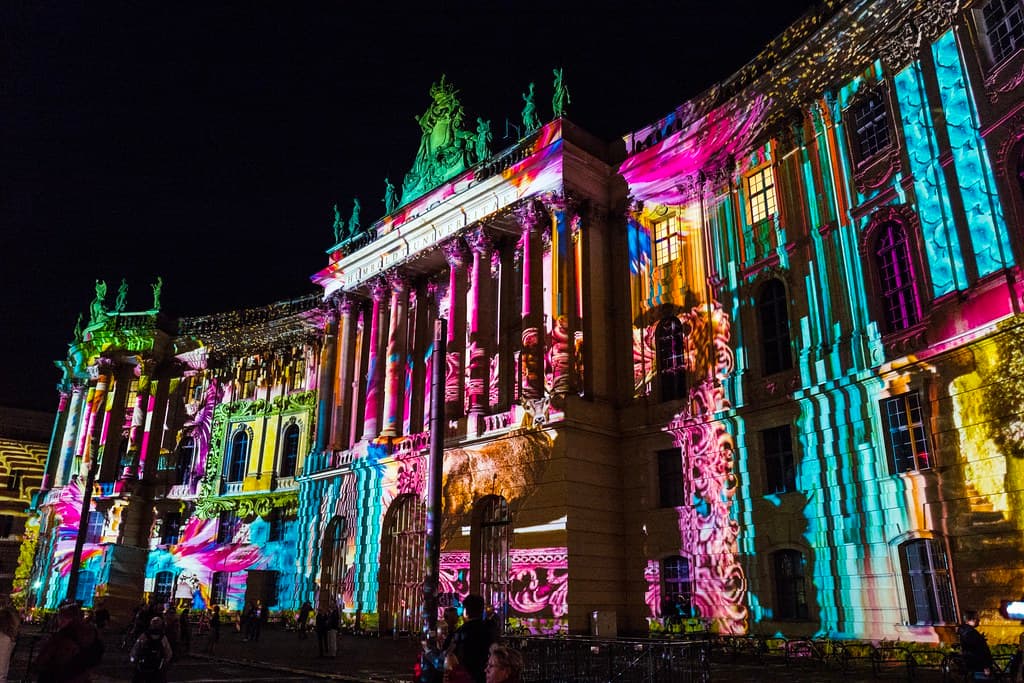
- Heading on to the capital? Berlin's Festival of Lights starts in the second week of October, as the Volksfest wraps up.
- Combine the fair with a trip to Stuttgart's vineyards. Wine grows on the city's own hillsides, and October is harvest time.
Frequently asked questions
How is it different from Oktoberfest?
It is smaller and more local, with fewer international visitors and a strong Swabian identity. The atmosphere in the tents is similar, with brass bands, liter mugs and singing on the benches, but the fairground side, with its rides and food alleys, feels more like a huge family funfair.
Do I need tickets?
No. Entry to the fairground and the tents is free, and you pay for food, drink and rides. The only thing worth booking is a table in a tent, which is essential for Friday and Saturday evenings. Each tent sets its own minimum-spend rules, so check its website when you reserve.
Is it suitable for children?
Yes, especially during the day. There are rides for all ages, family days with discounts and plenty of food that children like. Evenings are adult territory, particularly inside the tents, so most families visit in the afternoon and head home before the late crowds arrive.
Can I combine it with Oktoberfest?
Often, yes. In 2026 the two festivals overlapped from September 25 to October 4, and Munich is about two hours from Stuttgart by the fastest train. Many travelers spend a day at each to compare them, though doing both on the same weekend means two of the busiest days in southern Germany.