What is Fête des Vendanges de Montmartre?
Montmartre, the hill in the north of Paris famous for its painters and cabarets, was once a village surrounded by vineyards and windmills. The vines vanished as the city grew, until 1933, when the painter Francisque Poulbot and neighborhood friends campaigned to save a plot on the Rue des Saules from development and a small vineyard was planted there instead. It became the Clos Montmartre, and in 1934 the neighborhood threw its first harvest party.
The Fête des Vendanges, the grape harvest festival, has been held almost every year since 1934, and the 2026 edition is the 93rd. It is much bigger than the vineyard itself. The Clos produces only a small batch of bottles a year (sources cite anywhere from 500 to about 1,500), sold at auction to raise money for social projects in the 18th arrondissement, and the wine's reputation is more charming than serious. What the festival really celebrates is Montmartre as a village: its artists, its bars, its stubborn local identity and its view over the city.
Each year has a theme (2026's is music: "Le 18e donne le rythme"), and the five days include concerts, a night run, a food and wine trail, vineyard tours and a closing ball. The highlight is the Saturday parade, when more than fifty confréries, the traditional brotherhoods that promote regional wines and foods, march from the vineyard to the 18th arrondissement town hall in robes and hats, alongside bands and neighborhood groups.
A vineyard the size of a city block, and a whole neighborhood that turns out to toast it.
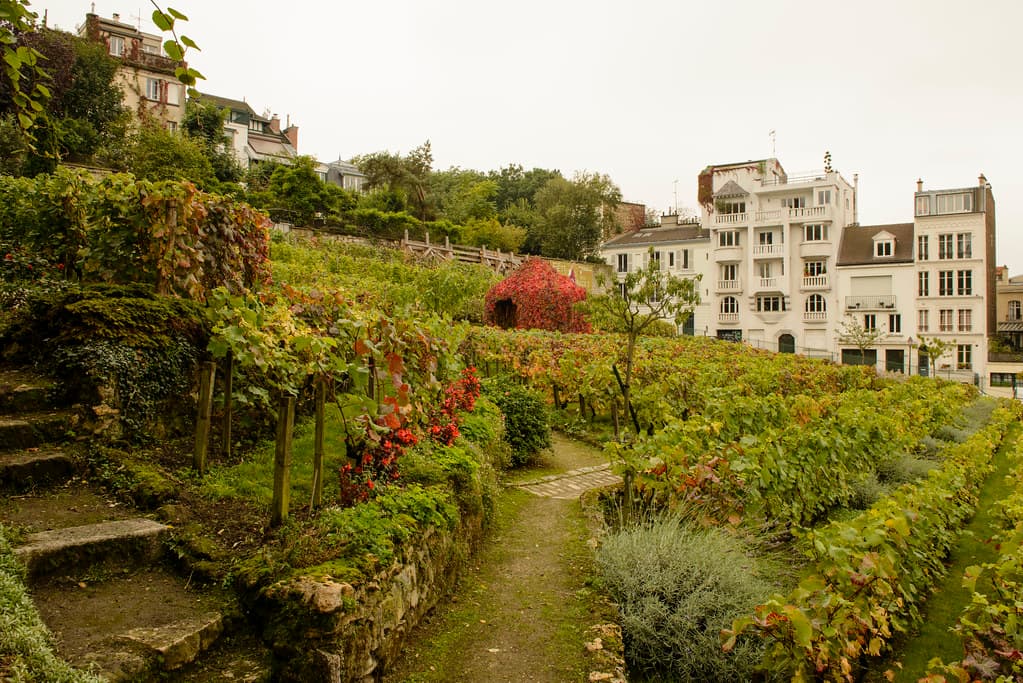
The Clos Montmartre, the small vineyard the whole festival celebrates
Photo by Son of Groucho / flickr · CC BY 2.0
What to expect
The program changes every year, but the shape stays the same.
Wednesday
Opening night
The festival opens with a party at the town hall of the 18th arrondissement, with music and speeches, and the neighborhood's bars start to fill.
Thursday
Running the hill
A night race winds through the steep streets of the Butte, and concerts begin around the neighborhood.
Friday to Sunday
The taste trail
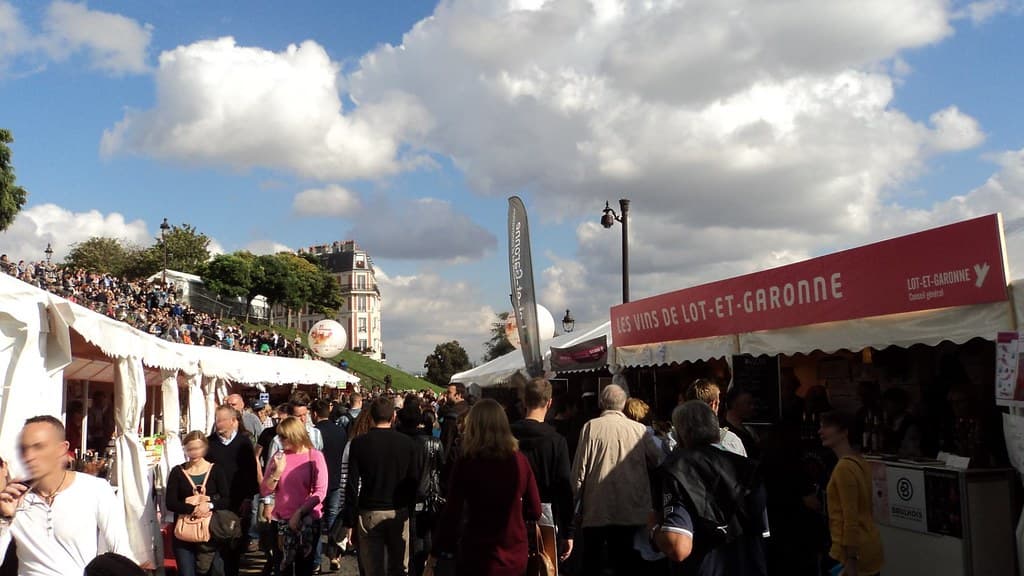
The Parcours du Goût fills the streets around Sacré-Cœur with stalls from French regions (about a hundred producers in 2026): wine, cheese, charcuterie, oysters and pastries. Entry is free; you pay for what you eat and drink.
Saturday
The grand parade
After an invitation-only ceremony in the vineyard, the parade of wine brotherhoods, bands and costumed groups winds through the streets of Montmartre in the late morning.
Sunday
Closing ball
The final day brings more music, a tongue-in-cheek "non-wedding" ceremony on Place des Abbesses and a ball to close the festival.
Planning your trip
Getting there
Montmartre is easy to reach by metro: Abbesses, Lamarck-Caulaincourt and Jules Joffrin (line 12) and Anvers (line 2) all serve the area, and the funicular saves the steepest climb to Sacré-Cœur. Once there, everything is on foot, and the hill is steep, so wear shoes you can walk in all day. Elsewhere in Paris, anywhere on metro lines 2 or 12 is a quick ride.
Where to stay
Staying in Montmartre puts you in the middle of the action, with small hotels and apartments close to the festival. October is a popular month in Paris, so book accommodation early, and reserve the vineyard visits and other registered events as soon as the program is out: official booking opens in mid-to-late August.
What it costs
Watching is free: the parade, the opening night, the closing ball and entry to the taste trail cost nothing, and you pay only for what you eat and drink at the stalls. Registered events such as the night run and the vineyard visits are booked through the official site, which did not list prices in the program we checked, so confirm before you plan around them. Paris hotels are the real cost.
Go like you know
- Check the parade route in the official program and pick a spot on one of the wider streets, away from Sacré-Cœur, where you can actually see the brotherhoods pass.
- Reserve early. The vineyard visits, the night run and several other events are registered, and the official program opens bookings in mid-to-late August.
- Look for the brotherhood members' banners and ask where they come from. Most are delighted to talk about their wine or cheese.
- Skip Place du Tertre, which is packed with portrait painters and tourist menus, and eat on Rue des Abbesses or Rue Lepic instead.
- Walk down the back of the hill toward Rue Lamarck at sunset for a quieter view over Paris.
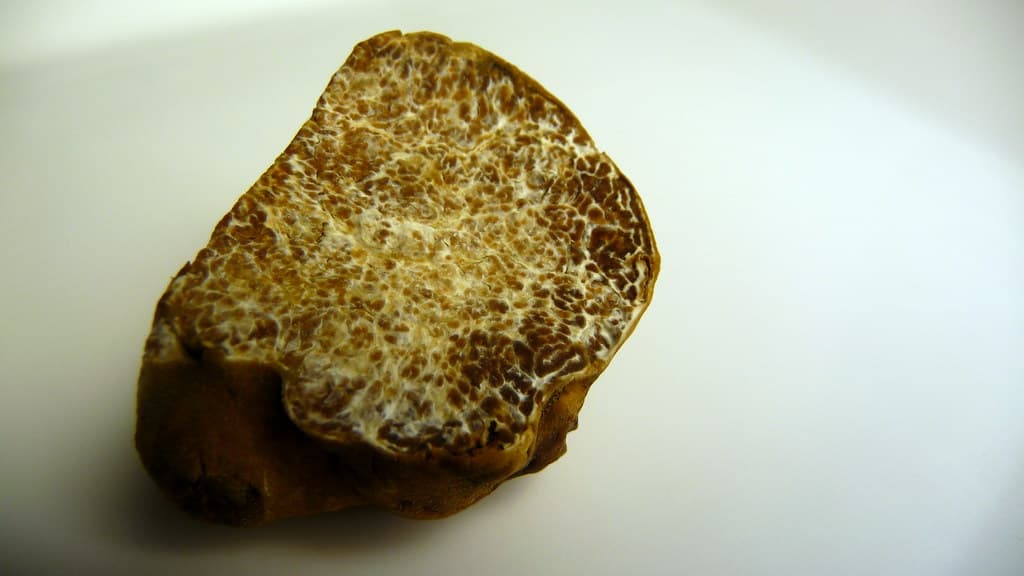
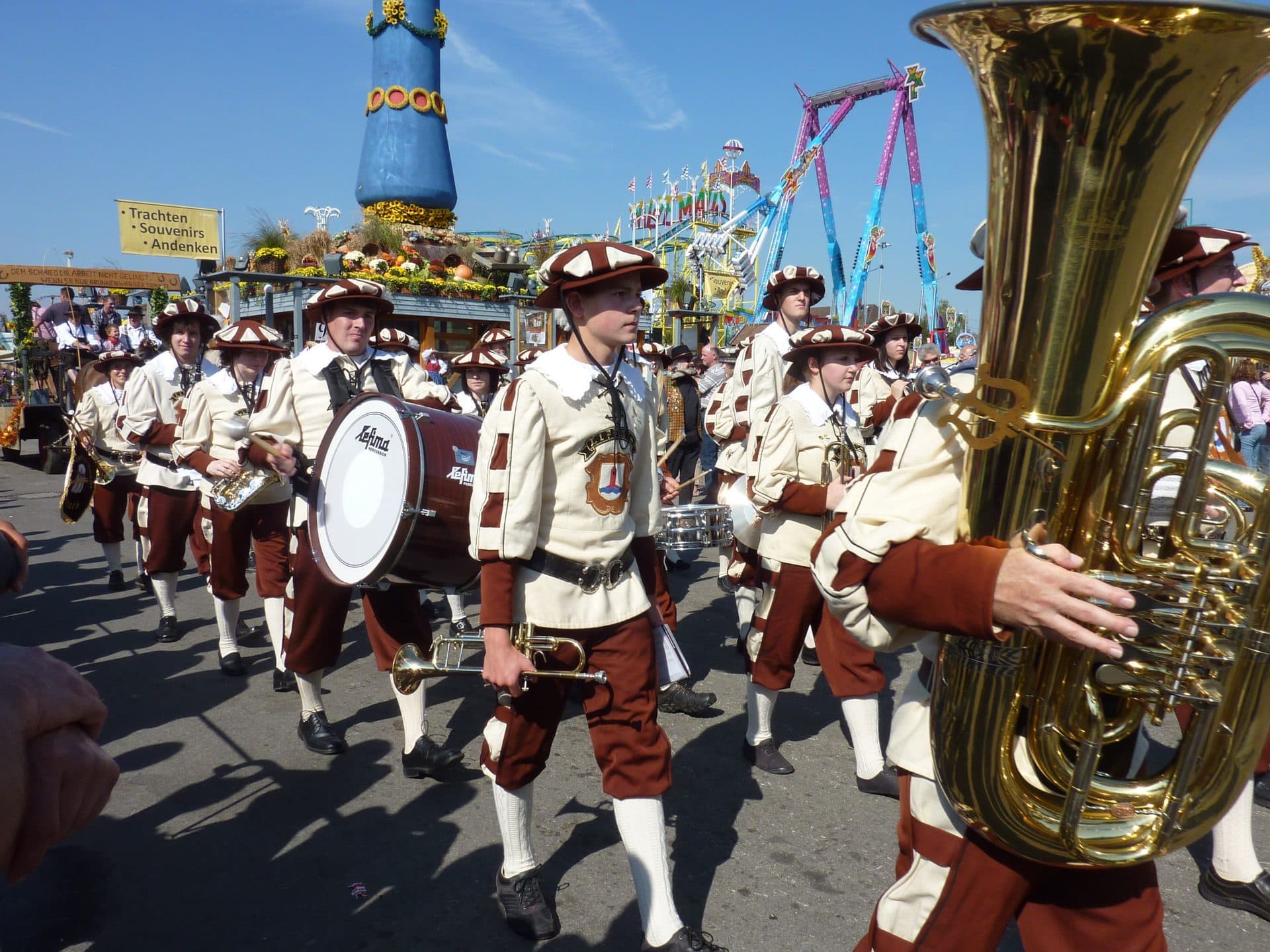
- Make it an autumn food trip: Alba's White Truffle Fair opens in Piedmont on October 10 in 2026 and runs weekends into December, and Stuttgart's Cannstatter Volksfest wraps up the same Sunday this festival does in 2026.
Frequently asked questions
Can I taste or buy the Clos Montmartre wine?
Sometimes. Production is tiny, and the bottles are sold by auction in limited numbers to support social projects in the 18th arrondissement, with arrangements changing from year to year. Check the official festival site for that year's sales. Even if you miss it, the taste trail offers wines from all over France.
Is the festival free?
Most of it is. The parade, many concerts and entry to the taste trail cost nothing, and you pay only for food and drink at the stalls. Some events, such as the night run and the vineyard visits, require registration, and the harvest ceremony in the vineyard is by invitation only.
Is it a good event for families?
Yes, especially during the day. The parade, the street stalls and the bands suit children, and the atmosphere is festive rather than rowdy. Saturday crowds can be tight for pushchairs on the steep lanes, so families often prefer Friday afternoon or Sunday morning.
How much time should I spend?
One full day covers the parade, the taste trail and a wander around the Butte. Two days let you add a concert, an evening in the neighborhood's bars and a calmer morning visit, which is worth it if you are already in Paris for the weekend.