What is the Alba International White Truffle Fair?
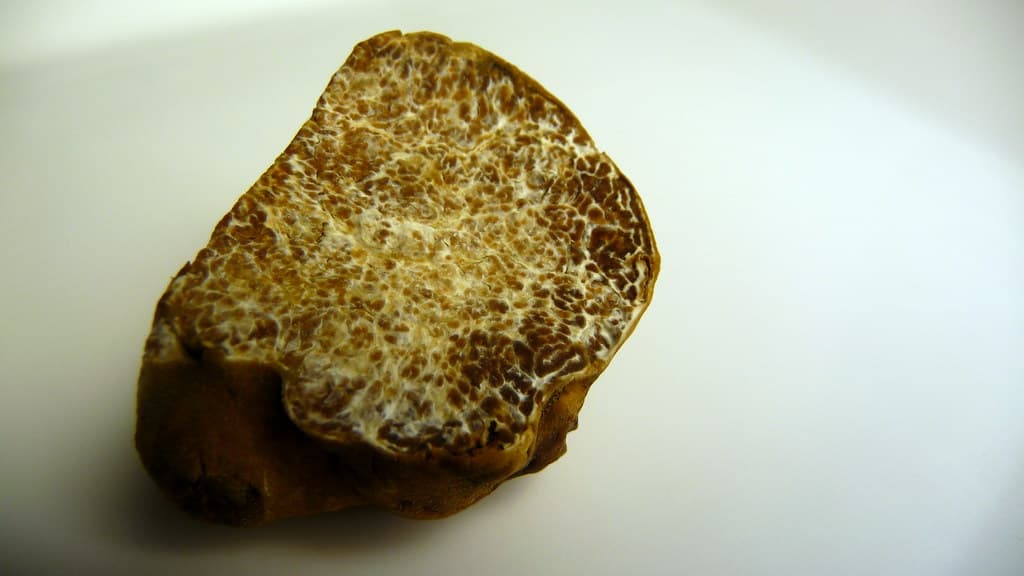
Alba is a small, handsome town of brick towers in the Langhe, the rolling wine hills of southern Piedmont that produce Barolo and Barbaresco. Every autumn, its woods also produce the tartufo bianco d'Alba, the white truffle (Tuber magnatum pico), the most prized and most expensive truffle in the world. It cannot be farmed. It has to be found, by trifolau, truffle hunters, working the woods at night with their dogs.
The fair began in 1928, the idea of a local hotelier and businessman, Giacomo Morra, who saw that the truffle could put Alba on the map. He was right. Today the fair runs on weekends from October to early December, turning the town into a destination for chefs, food lovers and wine travelers from around the world.
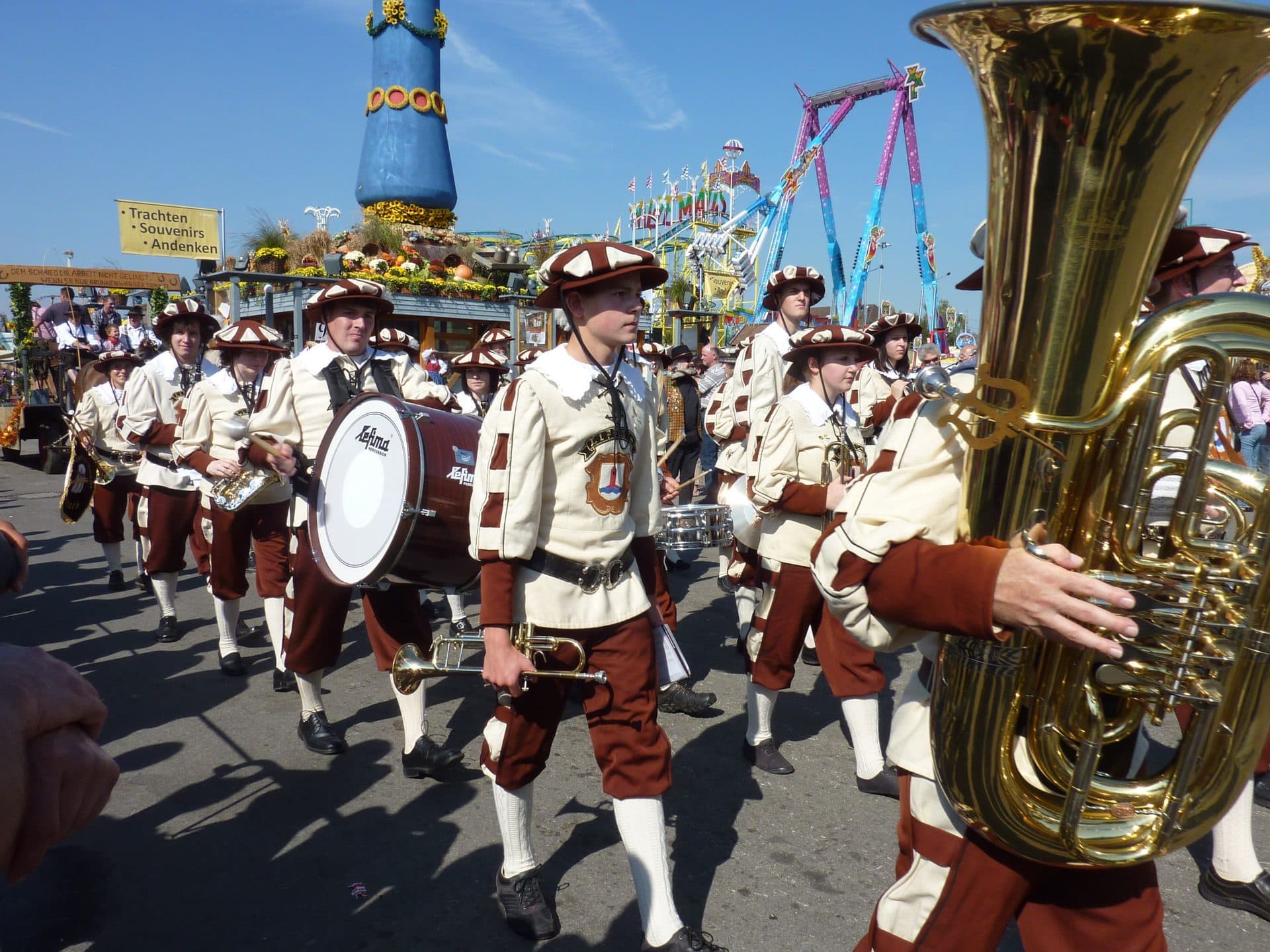
At its center is the world white truffle market, held in the Cortile della Maddalena, a courtyard in the old town. Here hunters and dealers sell their finds, and every truffle on display is checked by a quality commission before it can be sold. Around the market, the town fills with cooking shows by well-known chefs, tastings of regional wine and cheese, exhibitions and a costumed medieval parade. The fair's quirkiest tradition, a donkey race between the town's nine districts called the Palio degli Asini, is held on the first Sunday of October, just before the market opens. In early November, an invitation-only charity auction at the nearby castle of Grinzane Cavour sells the season's most spectacular truffles to bidders around the world.
A fungus that cannot be farmed, found by dogs in the dark, sold by the gram.
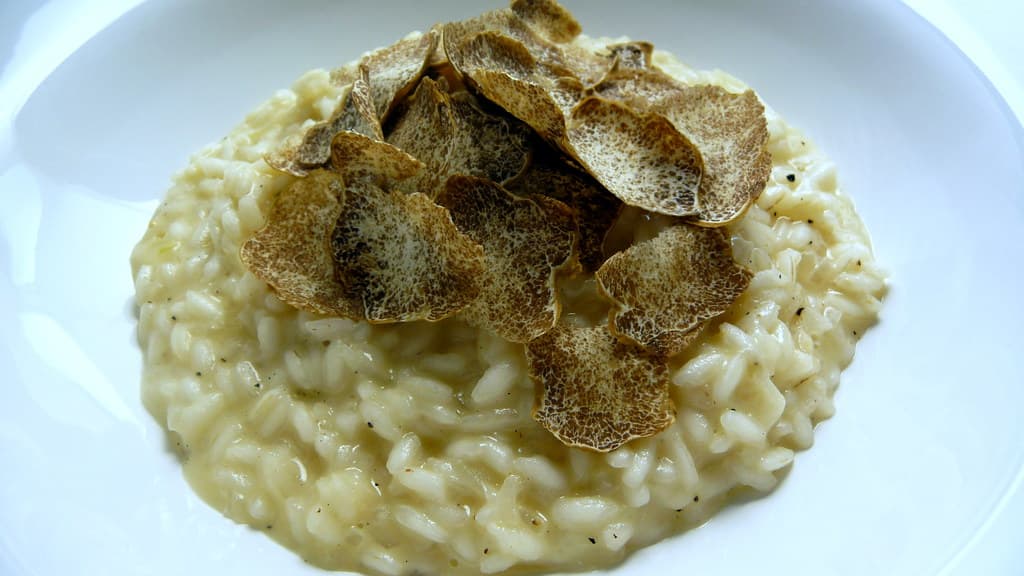
White truffle shaved over risotto, the simplest way to taste it
Photo by Blue moon in her eyes / flickr · CC BY 2.0
What to expect
The fair spans two months, but most visitors come for a weekend.
Saturday morning
The market
Arrive when the market opens at 9:30 to browse the truffle stalls before the crowds. Sniff, ask questions and compare prices. Stalls of cheese, hazelnuts, salami and wine fill the rest of the hall.
Saturday afternoon
Cooking shows and tastings
Watch a chef demonstration, join a guided tasting of Langhe wines, or wander the old town's streets and towers.
Saturday night
The truffle dinner
Book a table at one of the town's trattorie for tajarin, thin egg pasta, or a soft-fried egg, both finished with a shower of white truffle shaved at the table.
Sunday
Into the hills
Drive or take a tour into the Langhe for a winery visit, a truffle hunt with a trifolau and a long lunch in a hilltop village.
Planning your trip
Getting there
The nearest big airports are in Turin and Milan. Alba is roughly an hour and a half by road from Milan, and trains run from Turin, with journey times that depend on the connection, so check the timetable before you go. A car is the best way to explore the hills, unless you book tours. The town center is compact and walkable, and the market sits in the old town.
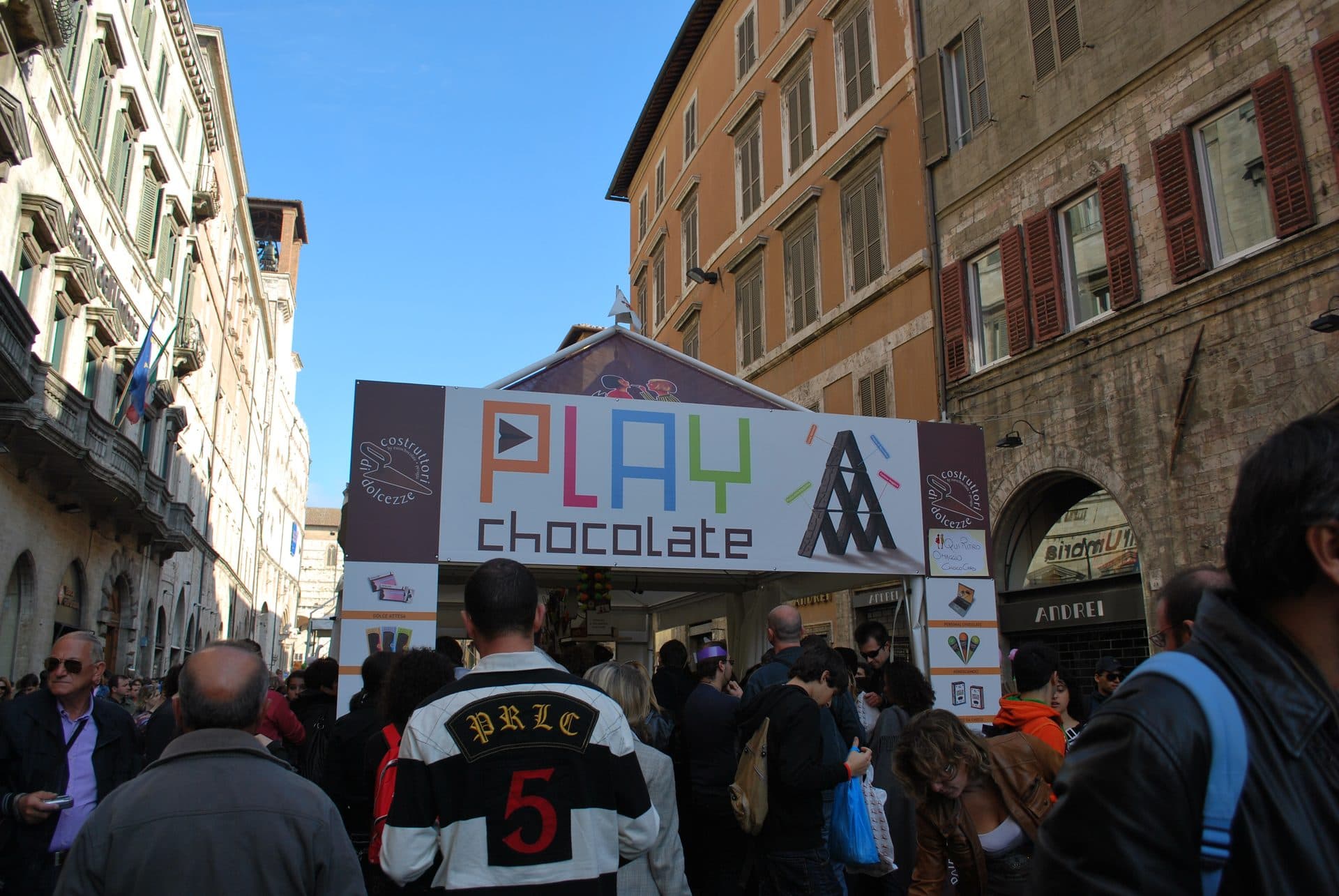
If you have a few more days in Italy, Perugia's Eurochocolate runs in mid-November, while the truffle fair is still going.
Where to stay
Autumn is high season in the Langhe, with the grape harvest, the truffle season and foliage all at once. Hotels, agriturismi and good restaurants book up months ahead, especially on weekends, so reserve as soon as your dates are firm. Staying in a wine village such as La Morra, Barolo or Neive is a lovely alternative to Alba itself.
What it costs
The world truffle market charges a ticket of €6 (children under 15 enter free), and online tickets also include the new truffle museum, MUDET. Truffles themselves are sold by the gram, and a shaving at the table adds to a restaurant bill.
Go like you know
- Visit on a Saturday morning, when the market is busy but not yet packed, and save Sunday for the hills.
- Try the dish the locals love most: a fried or baked egg with white truffle. It shows off the aroma better than anything complicated.
- Book a truffle hunt with a licensed trifolau for a morning in the woods with their dog. It is the best way to understand the price.
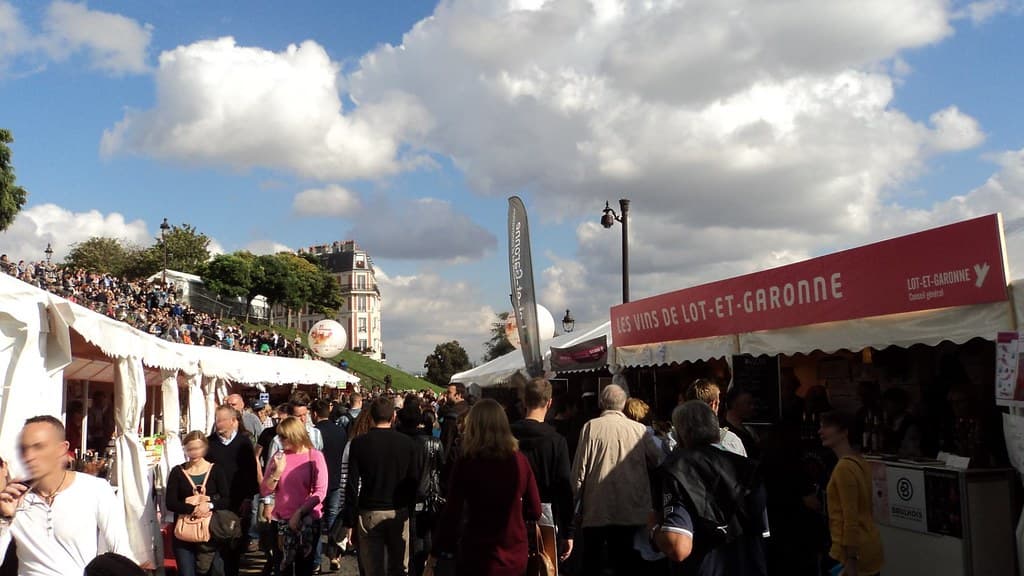
- Pair your truffle with a glass of Barolo, Barbaresco or Nebbiolo from the local hills. Paris's Fête des Vendanges de Montmartre celebrates the grape harvest in early October, just as the Alba fair opens.
- Bring home nocciole, the local hazelnuts, and torrone, nougat made with them. Both are cheaper than truffles and travel well.
Frequently asked questions
Is there an entry fee?
Yes, a small one. The world truffle market in the Cortile della Maddalena charges €6 (children under 15 are free), and some cooking shows, tastings and dinners are ticketed separately. The town's streets and the costumed parade are free. Check the official program for each weekend's events and book chef dinners early.
Do I have to buy a truffle to enjoy the fair?
Not at all. Most visitors simply browse, smell and taste, then eat a dish with truffle at a restaurant. Restaurant portions let you experience the truffle without buying a whole one, and the fair's atmosphere, food stalls and wine tastings are reason enough to visit.
When is the best time in the season?
Sources disagree. Some point to October for the biggest specimens, while others favor November for smaller crowds and the world auction at the start of the month. Quality also shifts with each year's weather. October pairs the fair with the wine harvest and warmer days. Weekends are busiest; weekdays are calmer for winery visits.
Can I take a truffle home?
Usually, yes, within Europe. Fresh truffles last only a few days, so buy near the end of your trip and keep them cool, wrapped in paper. Outside Europe, check your destination's customs rules before buying, since some countries restrict fresh food imports.