What is the Swabian-Alemannic Fasnacht?
In the towns of southwestern Germany, the Black Forest and around Lake Constance, carnival is not the costumed party of Cologne or Rio. It is Fasnacht, or Fasnet, a centuries-old tradition of carved wooden masks, handmade costumes and ancient figures that come out to chase away winter in the days before Lent. In 2014, the Swabian-Alemannic Fasnacht was added to Germany's national register of intangible cultural heritage.
The most famous Fasnacht is in Rottweil, one of the oldest towns in Baden-Württemberg, where the Fasnet is first mentioned in a charter of 1310. Its highlight is the Narrensprung, the "fools' jump", in which thousands of masked figures, around 4,000 in recent years, pour through the medieval Schwarzes Tor, the Black Gate, and leap and dance down the main street, ringing bells and greeting the crowd.
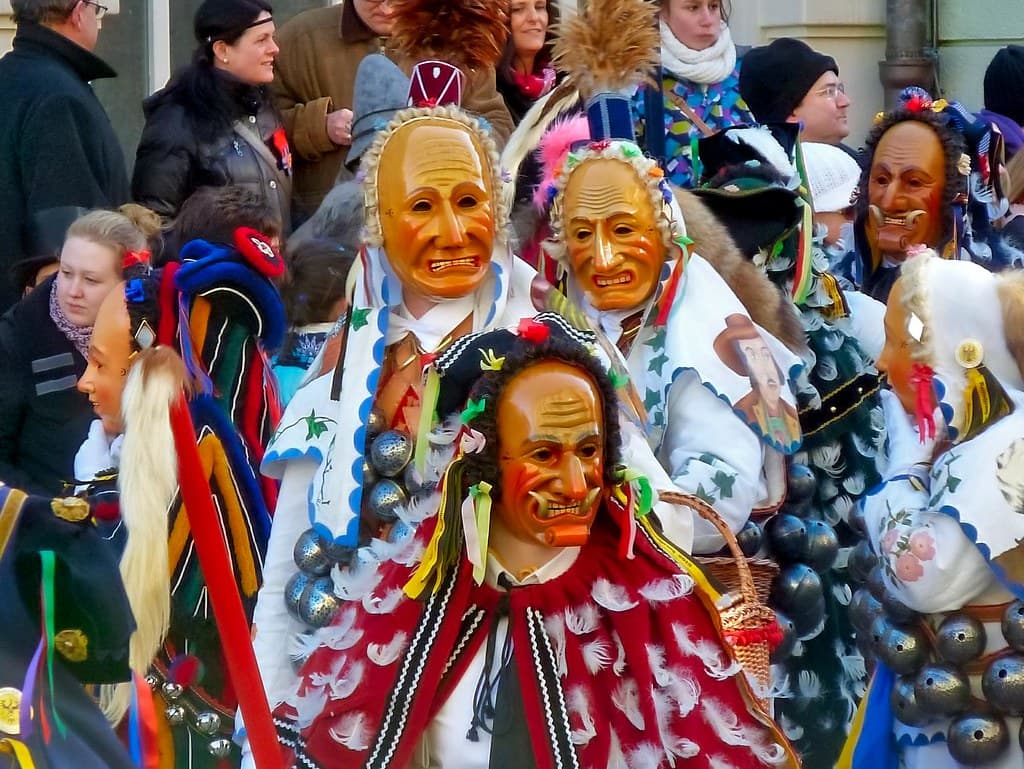
Each figure has its own character. The Gschell wears a smooth, smiling mask and heavy bells, the Biß a sterner mask, the Schantle carries an umbrella, and the Federahannes, a devil-like figure covered in feathers, leaps high with a staff. The masks, called Larven or Scheme, are carved from wood, often by local craftsmen, and many are passed down in families for generations.
The costumes, the Narrenkleider, are strictly regulated. Wearers need an annual pass from the fools' guild, the Narrenzunft, and the costumes are checked for authenticity. The festival begins on Schmotziger Donnerstag, "greasy Thursday", the Thursday before Lent, when the last fat was eaten before the fast, and ends on Shrove Tuesday night.
What to expect
The Fasnacht runs from the Thursday before Lent to Shrove Tuesday, with the Narrensprung on Monday and Tuesday mornings in Rottweil.
Thursday
Schmotziger Donnerstag
The Fasnacht begins with a market, children in costume and the first appearance of the fools in the streets.
Monday
The first Narrensprung
At 8am, the figures surge through the Black Gate and dance down the main street in the first Narrensprung, before the town fills with music and celebrations.
Tuesday
The last day
The Narrensprung is repeated in the morning and the afternoon, and the Fasnacht ends on Tuesday night before Ash Wednesday.
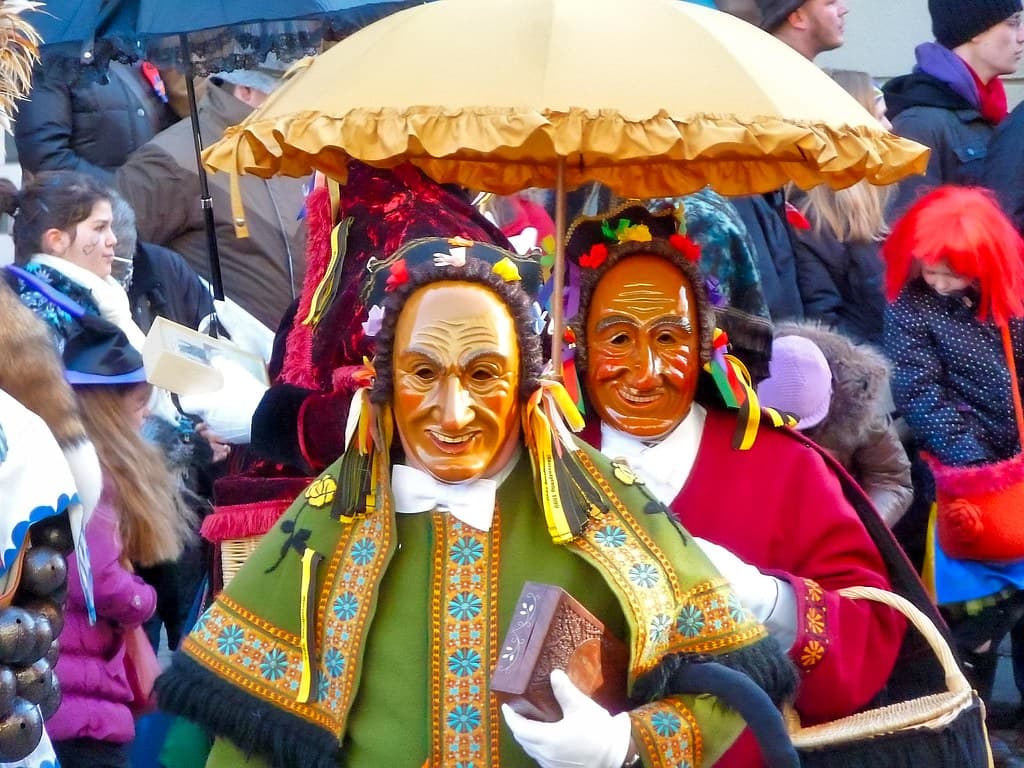
Masks and parasols at the Rottweil Narrensprung
Photo by krossbow / flickr · CC BY 2.0
Planning your trip
Getting there
Rottweil has a railway station, about 12 minutes' walk from the centre, with trains from Stuttgart and other cities in the region. By car, the town is on the A81 motorway, with park-and-ride services during the Fasnacht. Stuttgart and Zurich are the nearest major airports.
Where to stay
Rottweil has a few hotels and guesthouses, which fill up for the Fasnacht. Stuttgart, about an hour and a half away by train, and the towns of the Black Forest are alternatives.
What it costs
Watching the Narrensprung is free, with paid seats in the stands. Rottweil is affordable, with hearty Swabian food and local beer in its inns.
Go like you know
- Listen for the bells of the Gschell; the sound of the Narrensprung is unforgettable.
- Try Fasnetsküchle, deep-fried pastries eaten during the Fasnacht.
- Watch the Federahannes leap with his staff; he is the star of the Narrensprung.
- Greet the fools with a friendly word; many will stop, chat in dialect and hand sweets to children.
- Don't try to wear the traditional costumes; they are reserved for members of the guild.
- Visit the Fasnet museum and the Narrenzunft's exhibitions in town to see the masks up close and learn about the figures.
- Explore other Fasnacht towns in the region, such as Villingen, Oberndorf and Elzach, each with its own figures and traditions.
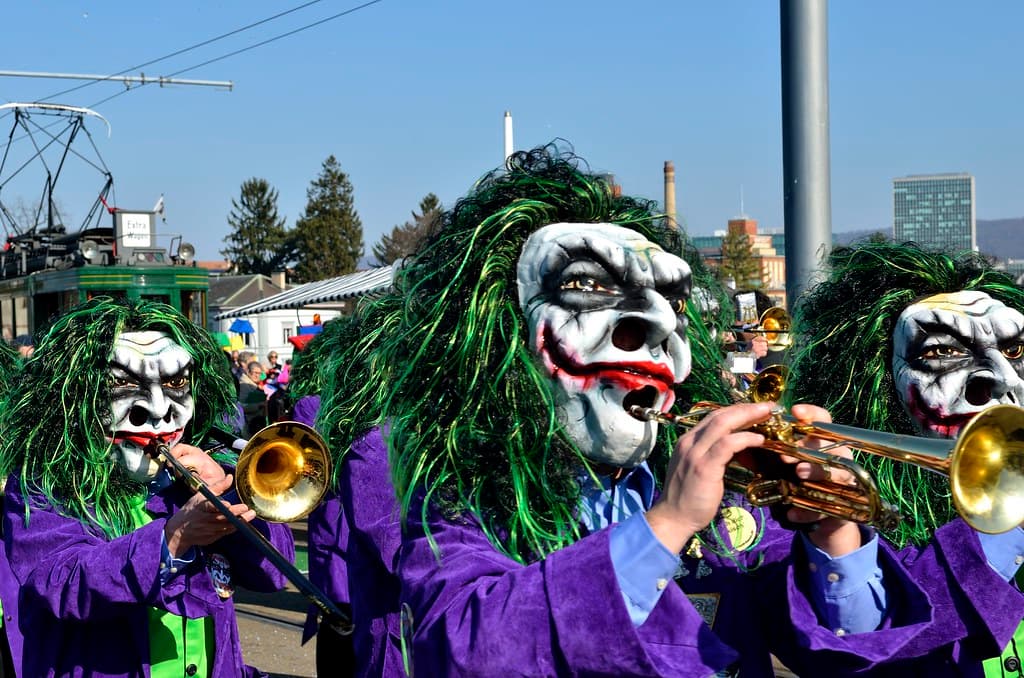
- Switzerland's Basel Fasnacht, a week later, is the region's other great carnival of masks and music.
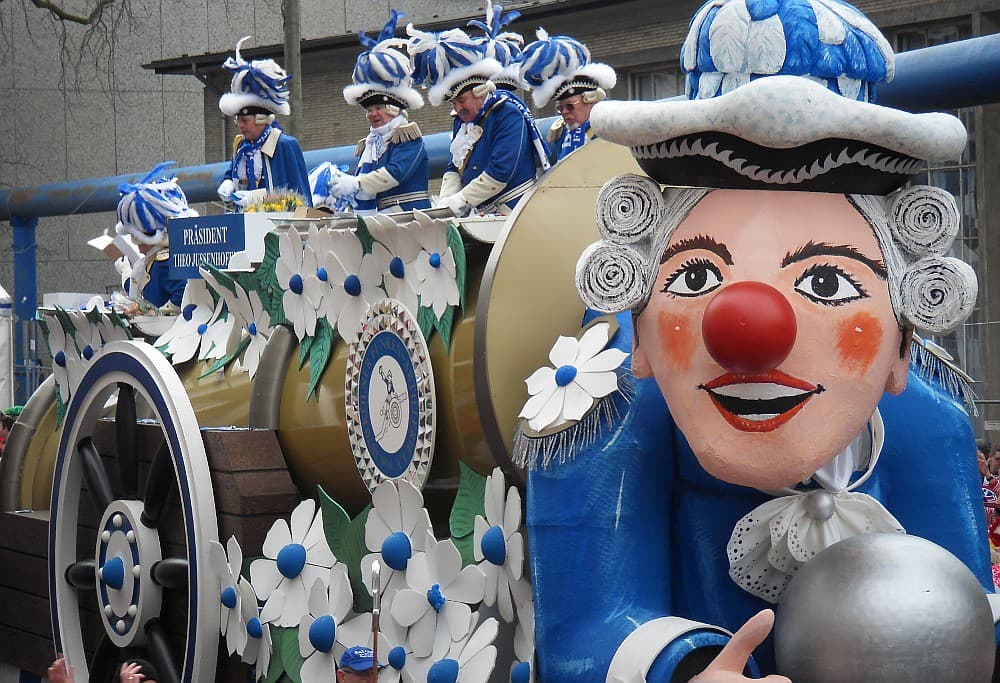
- Germany's Cologne Carnival shows a very different side of German carnival.
Frequently asked questions
When is the Fasnacht in 2027?
From the Thursday before Lent to Shrove Tuesday. In 2027, Schmotziger Donnerstag falls on February 4 and the Rottweil Narrensprung on Monday and Tuesday, February 8 and 9. The dates follow Easter, so they change every year; check with the Rottweil Narrenzunft for the programme.
Can visitors take part in the Narrensprung?
Not in costume. The traditional costumes and masks are reserved for members of the Narrenzunft, who need an annual pass, and the costumes are checked for authenticity. Visitors watch from the streets or the stands, and are welcome to join the celebrations in the town's inns afterwards.
What is the difference from the Cologne Carnival?
The Swabian-Alemannic Fasnacht is older and more traditional, with carved wooden masks, handmade costumes and ancient figures meant to drive out winter. The Cologne Carnival, in the Rhineland, is a more open street party with parades, costumes and music, where everyone dresses up.