What is Cologne Carnival?
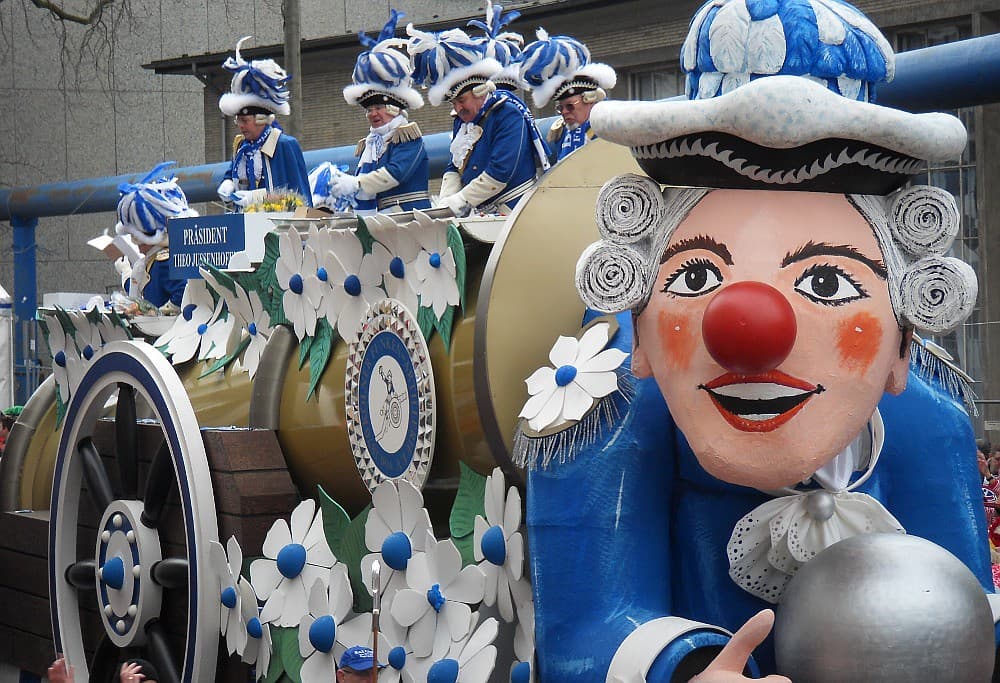
Cologne has celebrated carnival for centuries, as a burst of excess before the fasting of Lent. The modern carnival took shape in 1823, when a committee of citizens organized the first Rose Monday parade and gave the festival a structure, with its own officials, uniforms, songs and satire. Part of the fun, then and now, was mocking authority: Cologne's carnival uniforms began as parodies of the Prussian military that ruled the city.
The carnival season, the city's "fifth season", opens on November 11 at 11:11 and, after a pause over Advent and Christmas, continues through the winter with balls, concerts and sessions in halls across the city. But the climax is the street carnival, which starts on Weiberfastnacht, the Thursday before Ash Wednesday, and runs to Shrove Tuesday. In those days, the whole city costumes, schools and offices empty, and the celebrations spill into every bar and square.
The carnival is presided over by a trio, the Dreigestirn: the Prince, the Peasant and the Virgin, the last traditionally played by a man. Each year's trio is chosen from the city's carnival societies and reigns over the season with parades, receptions and visits to hospitals and schools. The local battle cry is "Kölle Alaaf!", roughly "Cologne above all".
For days on end, a city of a million people agrees to be ridiculous together, and takes it very seriously.
What to expect
The street carnival has its own rhythm, with different traditions for each day.
Thursday
Weiberfastnacht
Street carnival opens at 11:11 on Alter Markt in the old town. Women symbolically take over the city, with key-handover ceremonies at the town hall and in many venues, and cut off men's ties. Bars fill from morning on.
Fri–Sat
Neighborhood parades and parties
Smaller parades and parties fill neighborhoods across the city. The ghost parade, Geisterzug, on Saturday night, is a spooky alternative procession.
Sunday
Schools and neighborhood parades
Children's and school parades, Schull- un Veedelszöch, wind through the center in homemade costumes, a local favorite.
Rose Monday
Rosenmontagszug
The great parade: floats, bands and marching groups stretch for some eight kilometers and take hours to pass, throwing sweets, chocolate and flowers to around a million spectators.
Tuesday night
Burning of the Nubbel
Bars burn a straw figure, the Nubbel, blamed for all the sins of carnival, before Ash Wednesday brings fasting and fish dinners.
Planning your trip
Getting there
Cologne is a major rail hub with fast international trains, and its airport is connected to the city by train. The old town, the cathedral and the main parade routes are walkable from central hotels. Public transport runs through carnival, but expect closures: in 2026 the Rathaus Stadtbahn station closed from early morning on Weiberfastnacht, Heumarkt closed whenever it was overcrowded, and on Rosenmontag several stops along the parade route were closed or relocated.
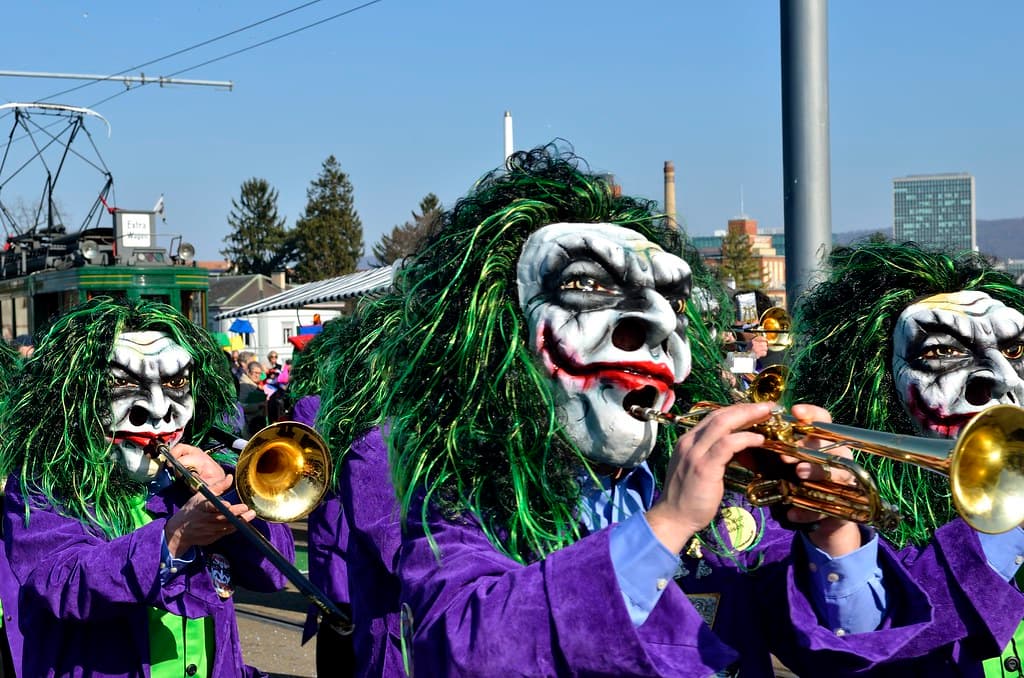
If one carnival isn't enough, Basel Fasnacht starts at 4am on the Monday after Ash Wednesday, less than a week after Cologne's Shrove Tuesday, and Venice Carnival also ends on Shrove Tuesday.
Where to stay
Book accommodation early. Carnival days are among the busiest of the year, and hotels near the old town fill quickly. Düsseldorf and Bonn, which have their own carnivals, are short train rides away if Cologne is full.
What it costs
The street carnival and parades are free to watch. Hotels charge carnival premiums, and the busiest nights sell out first. Tickets for sessions, balls and grandstand seats are sold separately, and the organizing committee had 2027 tickets on sale by autumn 2026. Bring cash for bars, which may charge entry or queue on the busiest days, plus a costume and a few rounds of Kölsch.
Go like you know
- Wear a costume. Locals do, and you will feel out of place without one. Simple and warm beats elaborate and cold.
- Drink Kölsch the local way: in small glasses that waiters refill automatically until you place your coaster on top.
- Learn a couple of carnival songs, such as the classics by bands like Bläck Fööss and Brings; you will hear them everywhere.
- Head to a neighborhood bar in the Südstadt or Ehrenfeld for a more local experience than the packed old town.
- Remember that ties are fair game on Weiberfastnacht. Leave your favorite one at home.
Frequently asked questions
When is the best day to visit?
Weiberfastnacht and Rose Monday are the biggest days. Weiberfastnacht has the wildest street party, and Rose Monday has the famous parade. Sunday's neighborhood parades are charming and less crowded. If you have only one day, choose Rose Monday.
Do I need tickets?
The street carnival and parades are free. Some carnival sessions, balls and concerts in halls require tickets, which go on sale months ahead. Bars and pubs may charge entry or have queues on the busiest days, especially in the old town.
What should I wear?
A costume, ideally warm, since February in Cologne is cold and often wet. Many locals wear onesies or layered costumes with warm clothes underneath. Comfortable shoes are essential, as you will stand and walk for hours on crowded streets.
Is Cologne Carnival family-friendly?
Yes, during the day. Children's parades, neighborhood events and the Rose Monday parade welcome families, and kids collect bags of sweets. Evenings in the old town are adult and heavily drinking, so plan family time for daytime and choose neighborhoods away from the busiest squares.
What happens on Ash Wednesday?
The party ends. Bars burn the Nubbel late on Tuesday night, and on Ash Wednesday many locals go to church to receive ashes, then gather for a traditional fish dinner with friends. The city cleans up, costumes go back into closets, and Cologne starts counting the days to November 11.