What is the Boryeong Mud Festival?
Most festivals in this catalog are centuries old. Boryeong's is younger than some of its visitors: born in 1998 as, of all things, a marketing campaign. The tidal flats around Boryeong produce a mineral-rich mud that had become the base of a local line of mud cosmetics, and the festival was conceived as a way to sell it, and the town with it. A coastal city looking for visitors realized that "come rub our product all over yourself" made a better pitch than any billboard. The town has never looked back.
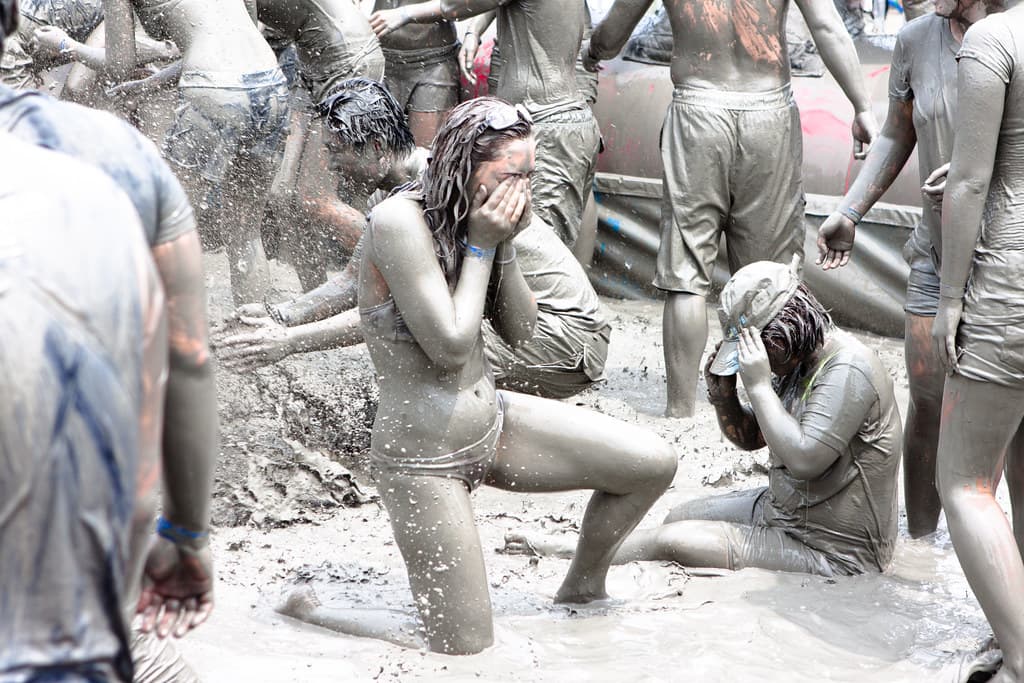
What began as a promotional stunt is now one of Asia's biggest summer parties, with press and organizer counts running well past a million visitors across its run and an unusually mixed crowd: Korean families, Seoul students, soldiers on leave, and half the exchange-student population of East Asia. The mud itself is the great equalizer. Ten minutes in, nobody can tell who's who, and the usual rules of who-talks-to-whom dissolve with the sunscreen.
Ten minutes in, nobody can tell who's who, and that's the whole point.
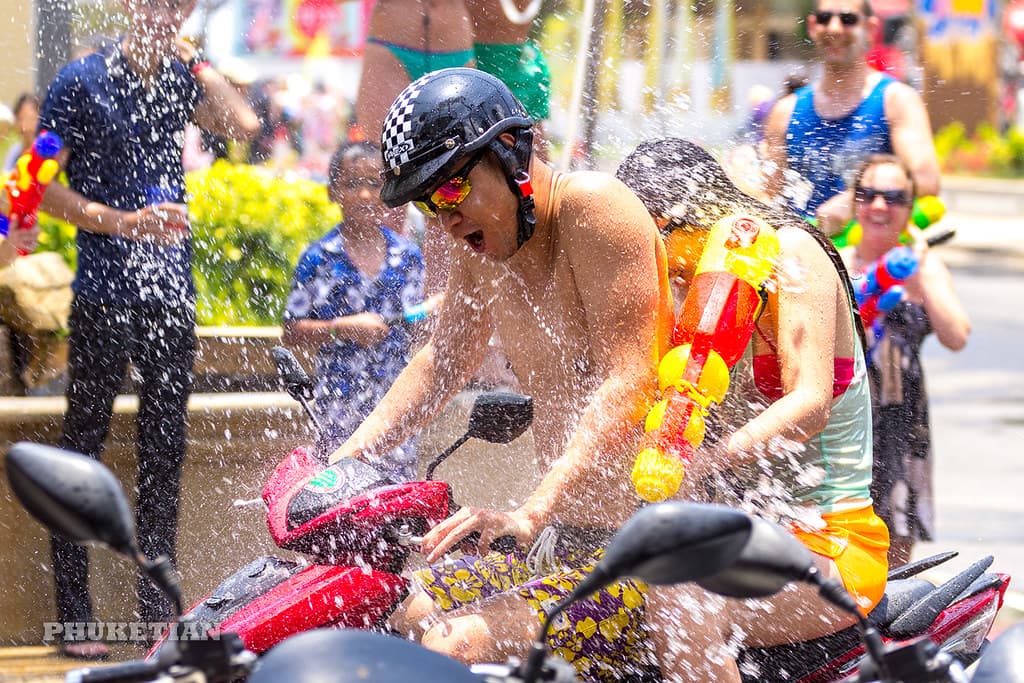
It has to be said plainly: this is not an ancient rite, and nobody will pretend otherwise. But as an entry into how modern Korea does summer (loudly, generously, with military-grade logistics), it's hard to beat. If you know Thailand's Songkran as the world's great water fight, think of this as its muddier, more organized cousin.
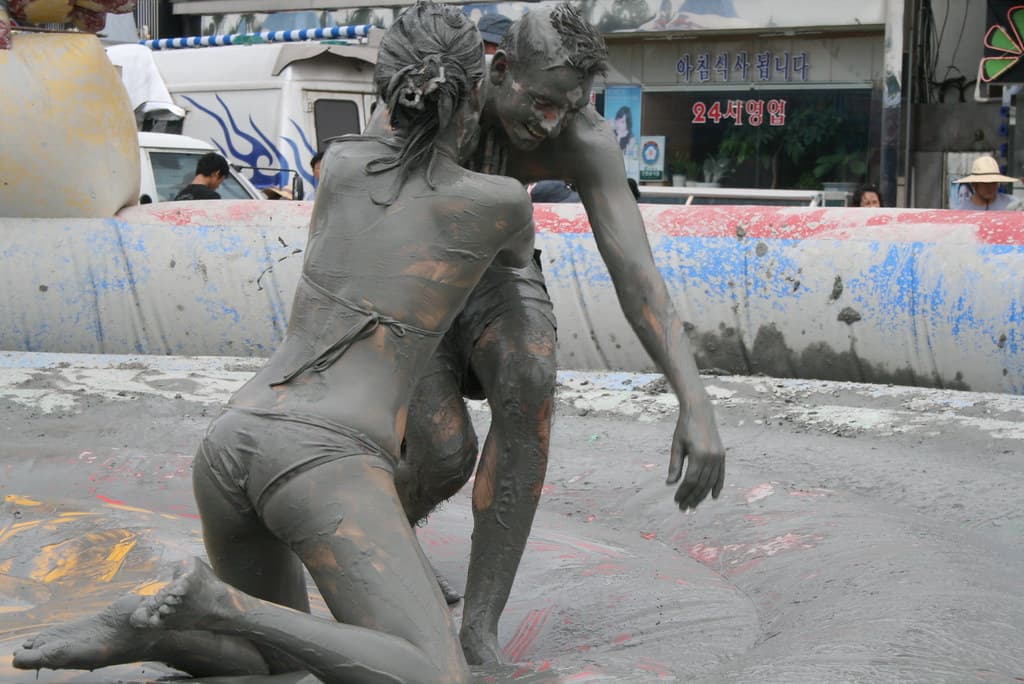
Mud wrestling at the Boryeong Mud Festival
Photo by Hypnotica Studios Infinite / flickr · CC BY 2.0
What to expect
The festival zone takes over Daecheon Beach: mud pools, giant mud slides, mud wrestling rings, a "mud prison" where volunteers get ceremonially slathered, and body-painting stations with colored mud. By day it's cheerful chaos with lifeguards; by night the stages take over, with K-pop, hip-hop and DJ nights on the main stage and, on the biggest nights, fireworks or a drone show over the water.
Weekends are the full spectacle and the full crush. Weekdays are a different festival entirely: the same slides and pools with more families and shorter queues. The paid mud zones also keep different hours. On weekdays they open only for the afternoon (roughly 1 to 6 PM), while on weekends they run from mid-morning with a short midday maintenance break. If you have the choice, go midweek and save your weekend for the coast.
The beach itself stays free; the main mud-experience zones need a paid wristband, sold by the day. Lockers, rinse stations, and changing rooms are everywhere, because Korea has thought this through.
Planning your trip
Getting there
Boryeong sits on Korea's west coast. From Seoul, direct trains run from Yongsan Station to Daecheon Station in roughly two hours forty minutes, and buses from Seoul take about three; from the station it's a short bus or taxi ride to the beach. It works as an ambitious day trip from Seoul, but the festival is best at night, so staying over makes sense. Once you're there, everything is walkable along the beachfront.
Where to stay
Beds around Daecheon Beach are mostly pensions and minbak: simple guesthouses that are cheaper midweek and jump in price on festival weekends. Book a few weeks ahead for weekdays, further out for a Saturday. July on the west coast is hot, humid, and occasionally interrupted by monsoon downpours nobody minds, since everyone is already wet.
What it costs
Watching is free: the beach, and the evening concerts on the main stage. The mud-experience wristband for the general zone runs about ₩12,000 for an adult on weekdays (Monday to Thursday) and ₩16,000 on weekends (Friday to Sunday), with a separate, slightly cheaper family zone for parents with young children and an early-bird discount for advance online purchases. Most daily tickets are sold on site and a smaller share online, so you don't need to book far ahead unless you are set on a peak Saturday. Pack dark or disposable swimwear (the mineral mud washes off skin easily but can shadow light fabrics) and high-SPF sunscreen, which you'll reapply every time you rinse.
Go like you know
- Go midweek if you possibly can. Fewer crowds, all of the mud.
- Do the mud first and the beach after: a swim is the world's best rinse cycle, and the water is warm by late July.
- The colored-mud body paint stations make the best photos; go early, before the palette turns uniformly gray.
- Boryeong's other claim to fame is seafood: the raw-fish restaurants near the beach do hoe (Korean sashimi) platters that end the day properly.
- Concert nights draw big crowds to the main stage. Claim sand early with a mat from any convenience store, like the locals do.
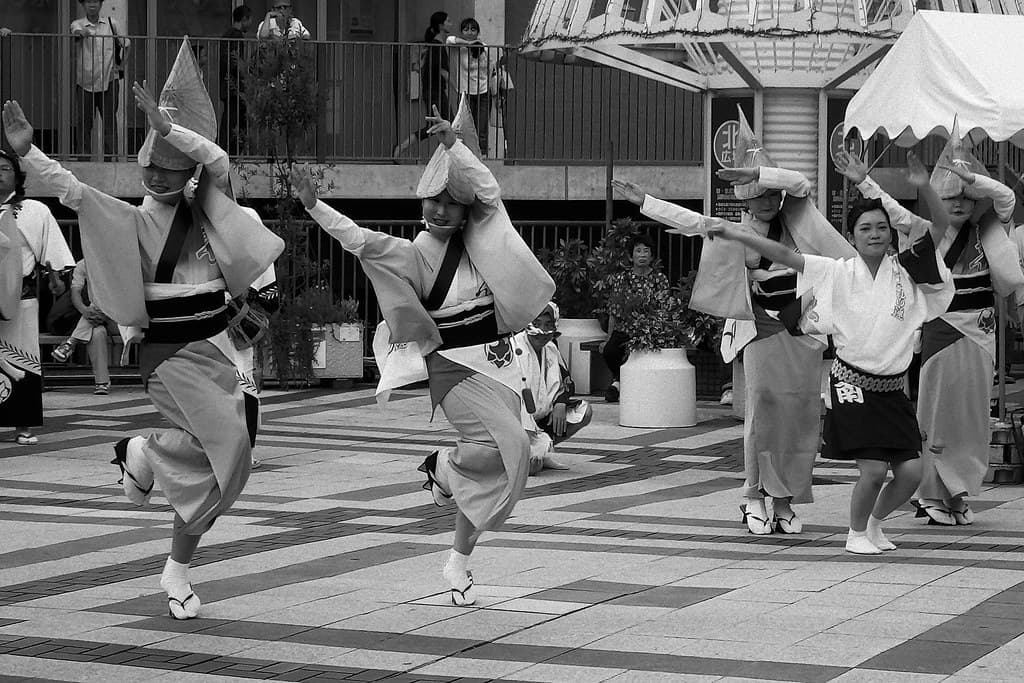
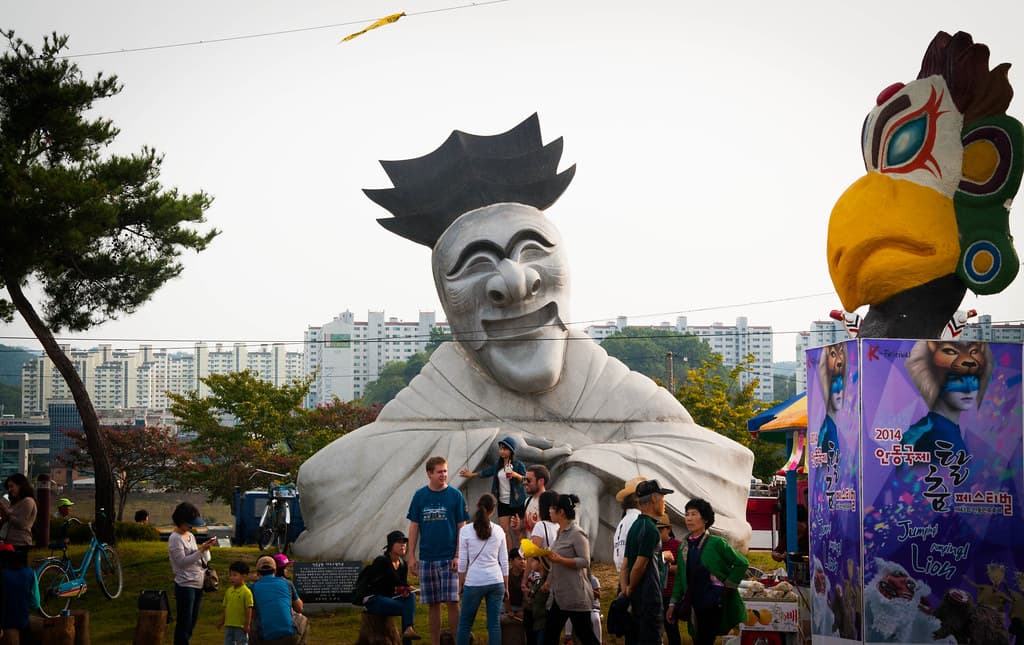
- Making a Korea trip of it? Come back in autumn for the Andong Mask Dance Festival, a very different, very old side of Korean celebration. Or keep the summer going in Japan: Awa Odori fills Tokushima's streets in mid-August, just after the mud dries.
Frequently asked questions
Is the mud actually good for your skin?
It's real mineral mudflat sediment, rich in germanium and bentonite, and it's the basis of a genuine cosmetics industry. Whether a day of wrestling in it counts as skincare is between you and your dermatologist, but you'll leave impressively soft and very, very clean after the third rinse.
Do I need to buy tickets?
The beach and evening concerts are free. The main mud zones (pools, slides, wrestling) need a day wristband: about ₩12,000 for adults on weekdays and ₩16,000 on weekends. Most tickets are sold on site, with a share released online in advance; peak weekend afternoons are the busiest.
Is it just a party for foreigners?
No. Plenty of the crowd is Korean, especially families by day and Seoul weekenders at night. The festival got famous abroad, but it remains a genuinely local summer fixture, which is precisely what keeps it fun.