What is Sendai Tanabata?
Tanabata (七夕), the star festival, comes from an old story. Orihime, the weaver, and Hikoboshi, the herdsman, are lovers who have been set on opposite sides of the Milky Way, as the stars Vega and Altair, and are allowed to meet just once a year, on the seventh day of the seventh month. Across Japan people mark the day by writing wishes on strips of paper and hanging them on bamboo.
Most of Japan holds Tanabata on July 7. Sendai, the largest city of the Tohoku region in the north-east, holds it a month later, closer to the old lunar calendar date, on August 6 to 8. And it holds it on a different scale. The custom here goes back to the time of Date Masamune, the 17th-century lord who founded the city, and the merchants of the city centre revived it in 1928 as a summer festival. Since then the decorations have grown into giant works that fill the downtown shopping arcades.
The war nearly ended it. In 1946, in a city still in ruins, Sendai put up just 52 decorations; a year later Emperor Hirohito visited, and the festival grew back from there. Today it draws around two million visitors over three days, and it is one of the three great summer festivals of Tohoku.
What to expect
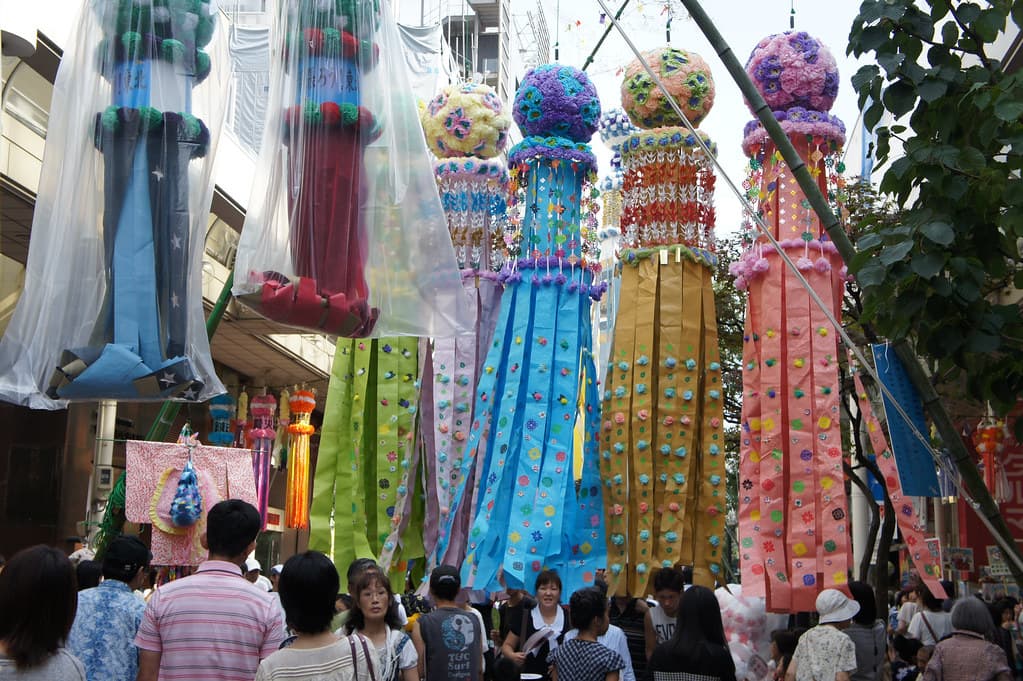
There are no parades and no big stage. The festival is the decorations, and walking under them is the whole experience. Each is hung from a tall bamboo pole: a large paper ball at the top, often decorated with paper flowers, with long paper streamers falling almost to the ground. Shops and companies make their own, many by hand over months, and no two are the same.
August 5
Fireworks
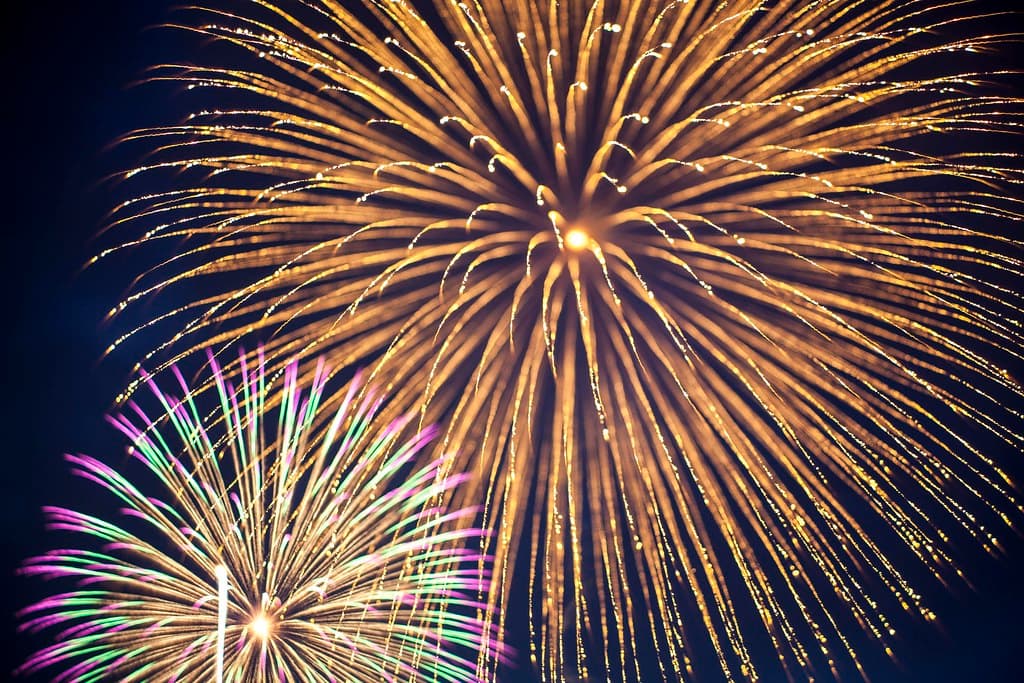
The evening before, the festival opens with a fireworks show of around 16,000 shells over the Hirose River, with viewing on both banks, including Nishi Park.
August 6–8
The decorations
The arcades of Chuo-dori and Ichibancho, between Sendai Station and the old city centre, are hung with decorations from morning until late evening. Smaller streets nearby have their own, and stalls and small stages fill the parks.
Look for the nanatsu-kazari, the seven traditional decorations, each with its own meaning. The tanzaku are the wish strips; the long fukinagashi streamers stand for the weaver's threads; paper kimonos, kamigoromo, are for sewing skills and protection from illness; paper cranes, orizuru, for long life; a purse, kinchaku, for prosperity; a fishing net, toami, for good catches and harvests; and a waste basket, kuzukago, for cleanliness and thrift.
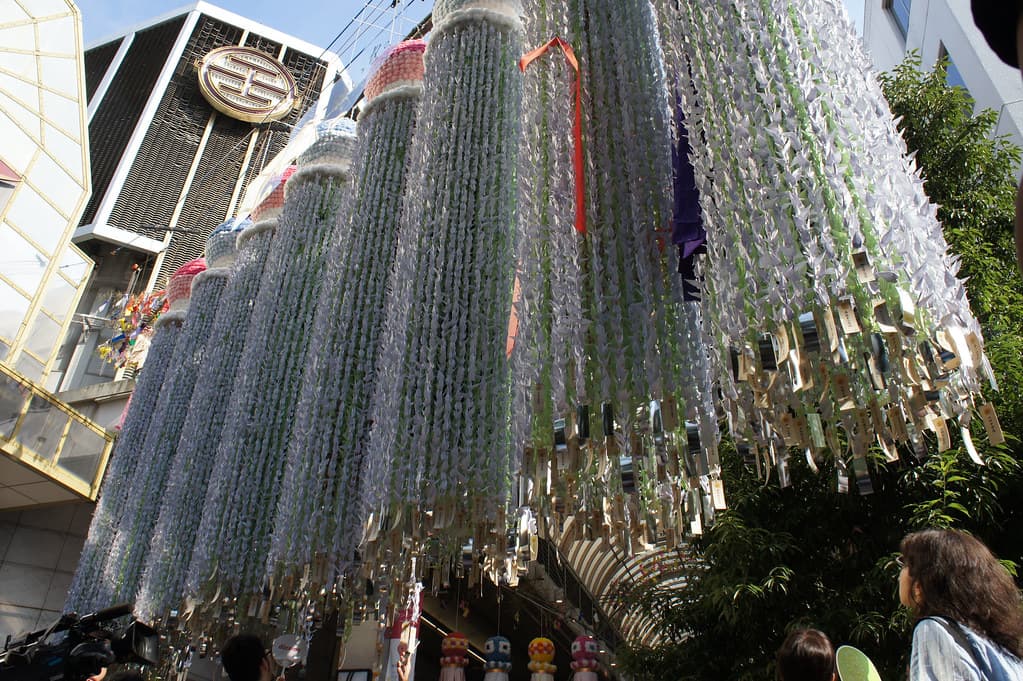
Strings of paper decorations in a Sendai arcade
Photo by yisris / flickr · CC BY 2.0
Planning your trip
Getting there
Sendai is about an hour and a half from Tokyo on the Tohoku Shinkansen, and Sendai Airport is linked to the city by train. The decorated arcades start a few minutes' walk from Sendai Station, and everything is walkable from there.
Where to stay
Sendai is a big city with a good range of hotels around the station and downtown, but the first week of August is busy across Tohoku, so book early. Matsushima, the famous bay of pine islands, is under an hour by train and makes a quieter base.
What it costs
Walking among the decorations is free, and so is the fireworks show, though some paid seating is sold. Street food stalls are reasonably priced. Your costs are the shinkansen, which is the biggest single expense, and a hotel during one of the busiest weeks of Sendai's year.
Go like you know
- Write a wish on a tanzaku. Stalls and stands around the festival sell or hand them out, and there are places to hang them.
- Try zunda, the sweet green paste of mashed edamame that Sendai puts on rice cakes and in milkshakes, and grilled beef tongue, the city's other speciality.
- The arcades are working shopping streets. In the busiest stretches, keep moving and step aside to take photos.
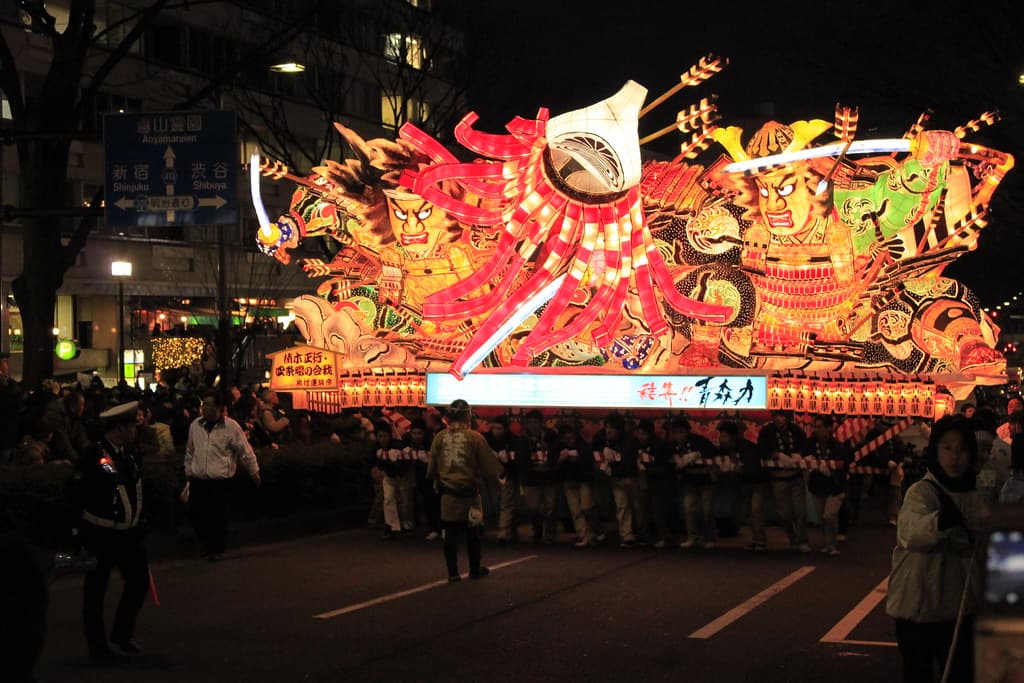
- Combine it with the other great festivals of early August in the north: Aomori Nebuta, with its giant lantern floats, and the Nagaoka Fireworks on the Shinano River.
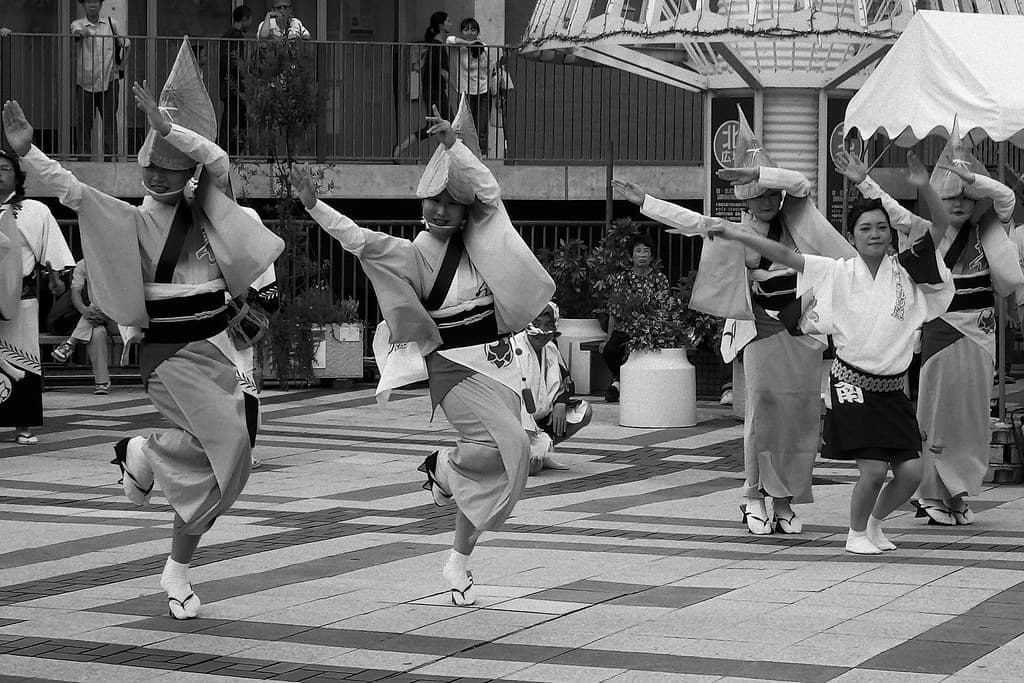
- For dancing rather than decorations, Tokushima's Awa Odori follows in mid-August.
Frequently asked questions
Why is Sendai's Tanabata in August, not July?
Tanabata originally followed the lunar calendar, which put the seventh day of the seventh month around August. When Japan adopted the Western calendar, most places moved Tanabata to July 7, but Sendai kept to the seasonal timing, holding it a month later on fixed dates of August 6 to 8.
When is the best time to see the decorations?
The first morning, when they are freshly hung and the crowds are smallest. The decorations stay up from morning until late evening on all three days, but they come down on the evening of August 8, so don't leave it to the last afternoon.
Is Sendai Tanabata worth a trip on its own?
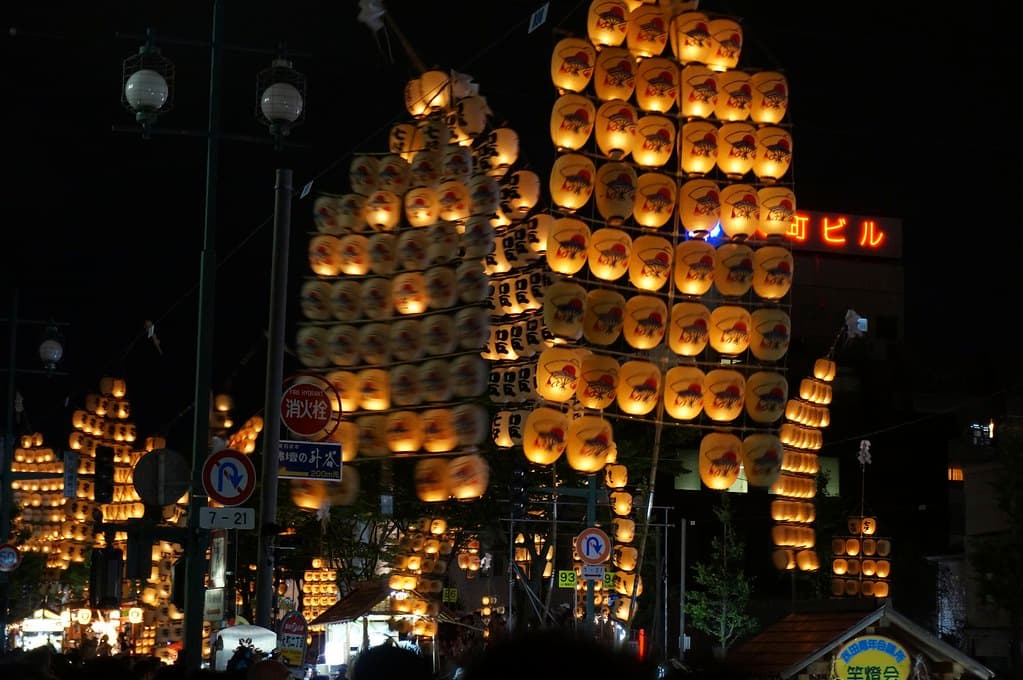
It is better as part of a trip through Tohoku, the region's great summer festivals. Aomori Nebuta and Akita's Kanto festival run in the days just before, so many visitors spend a week moving north to south, finishing in Sendai.