What is the Sapporo Snow Festival?
The Sapporo Yuki Matsuri (さっぽろ雪まつり) began in 1950, when local high school students built six snow statues in Odori Park. The city was recovering from war, winters were long and dark, and the sculptures drew a surprisingly large crowd. The festival grew every year after that, helped in its early decades by Japan's Self-Defense Forces, whose teams built many of the largest sculptures.
Its profile grew in the 1970s, after Sapporo hosted the Winter Olympics in 1972 and the international snow sculpture contest began in 1974. Today, the festival draws visitors from across Japan and around the world to Hokkaido's capital, with a contest that brings teams from many countries.
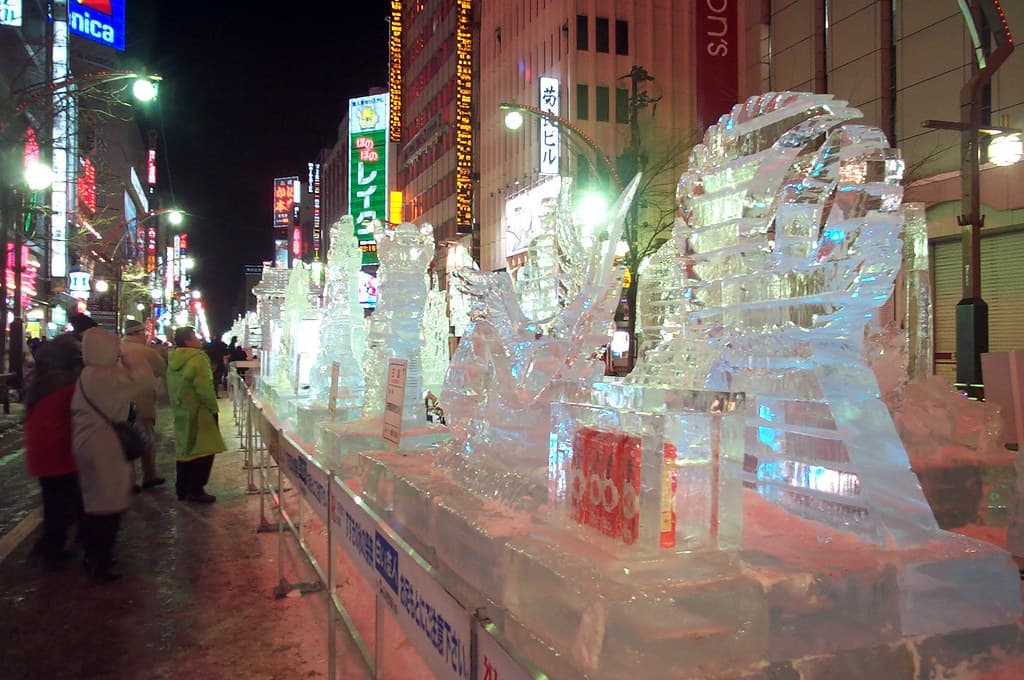
The festival is spread over several sites. Odori Park, a long green belt through the city center, hosts the main sculptures. Susukino, Sapporo's nightlife district, displays delicate ice carvings, illuminated at night. The Tsudome site, a dome on the city's edge, offers snow slides and family activities.
Building the main sculptures takes weeks. Trucks bring in thousands of tons of clean snow from outside the city, which is packed into wooden frames and left to harden before carvers shape it with shovels, saws and fine tools. The sculptures change every year, from replicas of famous buildings to characters from games and anime, so even repeat visitors see something new.
Six snow statues built by students became a city's winter answer to the long dark.
What to expect
The festival is free to enter. Odori and Susukino stay lit into the late evening, while Tsudome closes mid-afternoon, and most visitors spend at least a full evening at Odori.
Daytime
Odori Park
See the sculptures in daylight, when you can appreciate the detail. Food stalls line the park with Hokkaido specialties such as grilled scallops, crab and potatoes with butter.
Evening
Light and projection mapping
After dark, the sculptures are lit, and several of the largest become canvases for projection-mapping shows with music, which draw crowds.
Night
Susukino ice carvings
Walk south to Susukino for glittering ice sculptures among the neon, best viewed late in the evening.
Any day
Tsudome for families
Take the subway and shuttle bus to Tsudome for snow slides, snow rafting and indoor food and activities.
Planning your trip
Getting there
New Chitose Airport, about forty minutes by train from Sapporo, has domestic flights from across Japan and international routes across Asia. Odori and Susukino are within easy walking distance of each other and of most central hotels. Tsudome is out of the center: take the Toho subway line to Sakaemachi, then a shuttle bus (or a walk of about fifteen minutes); shuttles also run from the Odori site and Sapporo Station.
Where to stay
Base yourself near Odori or Susukino so you can walk to the sculptures and back in the cold. Accommodation fills quickly for festival week, and prices rise, so book months ahead; one local guide calls it the tightest lodging week of the year in Hokkaido. Many visitors combine the festival with skiing or snowboarding in Niseko or Furano, or with the Otaru Snow Light Path festival nearby, which usually overlaps with the Snow Festival for part of its run.
What it costs
Entry to Odori, Susukino and Tsudome is free. You pay for food, drinks and extras, such as some rides at Tsudome, and the hotel premium is the real expense. Odori's food stalls and Susukino's restaurants are priced like ordinary Sapporo meals, and we found no published figures for festival transport beyond standard subway and shuttle fares.
Go like you know
- Eat soup curry, a Sapporo specialty, and miso ramen in the famous Ramen Alley in Susukino to warm up between sites.
- Visit early in the festival week, before sculptures soften and weather takes its toll.
- Ride the Mount Moiwa ropeway for a night view over the city.
- Combine the festival with a trip to Otaru, a short train ride away, for its canal and candlelit snow paths.
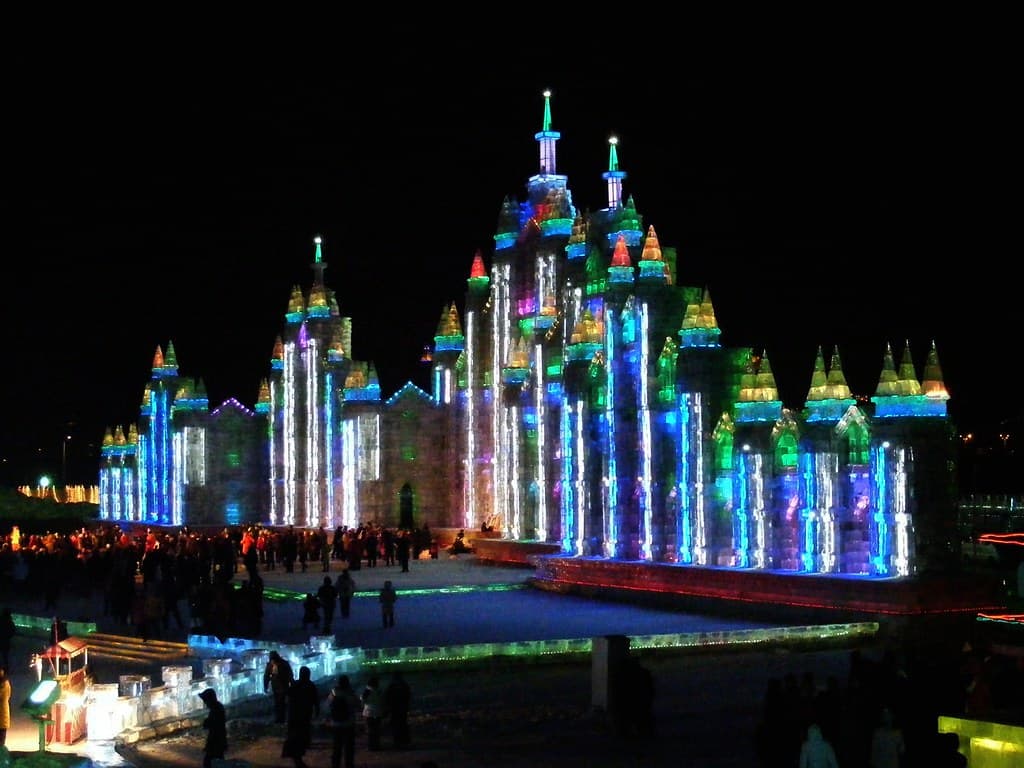
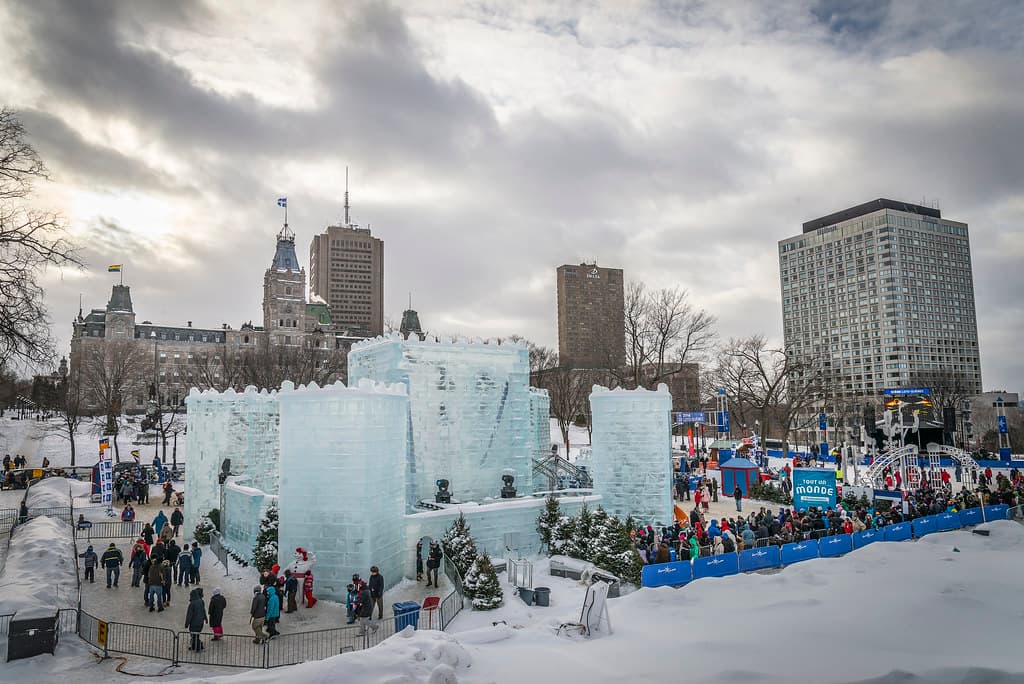
- Chase winter festivals: the Harbin Ice and Snow Festival in China runs through February, and the Québec Winter Carnival opens the same week.
- Carry a portable battery; cold drains phone batteries fast when you are taking photos.
- Look for the citizen-made small sculptures along Odori, which are often funnier and more personal than the giants.
Frequently asked questions
Is the Sapporo Snow Festival free?
Yes, viewing the sculptures at Odori, Susukino and Tsudome is free. You pay only for food, drinks and some activities, such as certain rides or experiences. Viewing seats for some projection shows and special events may be ticketed, so check the official guide.
When is the best time to see the sculptures?
Visit both day and night. Daylight shows the carving detail, while evenings bring lights and projection mapping. The first days of the festival offer the freshest sculptures; weekends and evenings are the most crowded.
How cold is Sapporo during the festival?
Temperatures usually stay below freezing, particularly in the evenings, with frequent snowfall. With proper winter clothing, waterproof boots and indoor breaks, it is comfortable enough to enjoy the festival for hours. Watch your footing on icy pavements.
How long should I stay?
Two days is enough to see all three sites, enjoy the evening lights, and eat well. Add extra days for Otaru, hot springs or skiing in nearby resorts. Book hotels and transport early, as the city fills up during festival week.
Can I combine the festival with skiing?
Easily. Sapporo has its own ski areas, such as Sapporo Teine and Kokusai, between about forty minutes and an hour and a half from the city, and Niseko and Rusutsu are a few hours away by bus. Many visitors spend a few days at the festival and then head to the mountains for powder snow.