What is the Québec Winter Carnival?
The Carnaval de Québec is one of the largest winter festivals in the world. Québec City held its first major winter carnival in 1894, but the modern carnival dates from 1955, when the city revived it after the wars and the Depression had interrupted it, to lift spirits and promote winter tourism.
That same year introduced Bonhomme Carnaval, the festival's snowman ambassador. He wears a red tuque and the traditional ceinture fléchée, an arrow-patterned woven sash that recalls the voyageurs of New France, and he has become a beloved symbol of the city. He dances, waves, and presides over the festival from his ice palace.
The carnival celebrates winter itself and the culture built around it: snow sculpture, ice canoeing, outdoor dancing, and the food and drink that keep people warm. It draws hundreds of thousands of visitors to a city whose fortified old town, steep streets and snow-covered roofs already look like a winter postcard.
A city that could hibernate through February decided, instead, to throw the biggest snow party on the continent.
What to expect
The program spreads across two weekends and the days between, with something different at every site. Specifics change each year, so the details below use the 2026 edition as an example.
Opening
Bonhomme's welcome
The festival opens with ceremonies, and the activity sites open with music, games and slides. In 2026 the main sites included Place de l'Assemblée-Nationale, Parc de la Francophonie and Place d'Youville.
Weekends
Night parades
Two free night parades wind through the city with floats, music and performers, with crowds of locals on the sidewalks holding hot drinks. In 2026 the first rolled through Limoilou on 3e Avenue on the first Saturday, and the second down the Grande Allée on the second.
Daily
Ice palace and snow sculptures
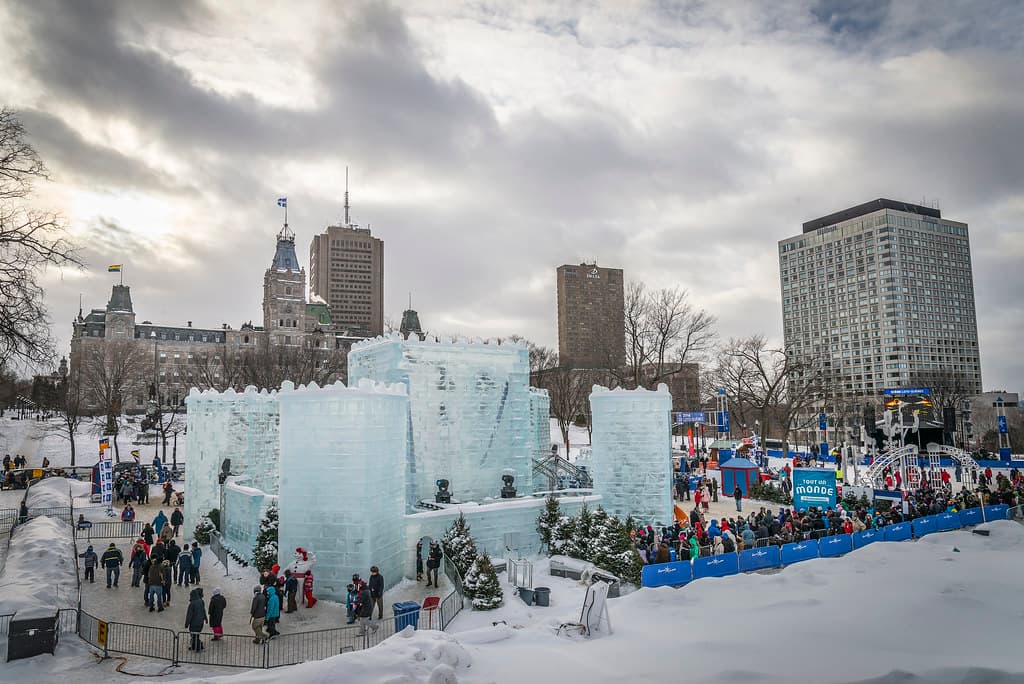
Bonhomme's ice palace anchors the program (on Dufferin Terrace, in front of the Château Frontenac, in 2026), and a sculpture garden shows around fifty ice and snow works.
First Sunday
Ice canoe race
Teams paddle and push heavy canoes across the half-frozen St. Lawrence, hauling them over floating ice floes in one of the hardest races anywhere. In 2026 the race was held on the first weekend's Sunday.
Closing
Final weekend
The last weekend brings the second night parade, parties and the closing of the festival as Bonhomme says goodbye until next year.
Planning your trip
Getting there
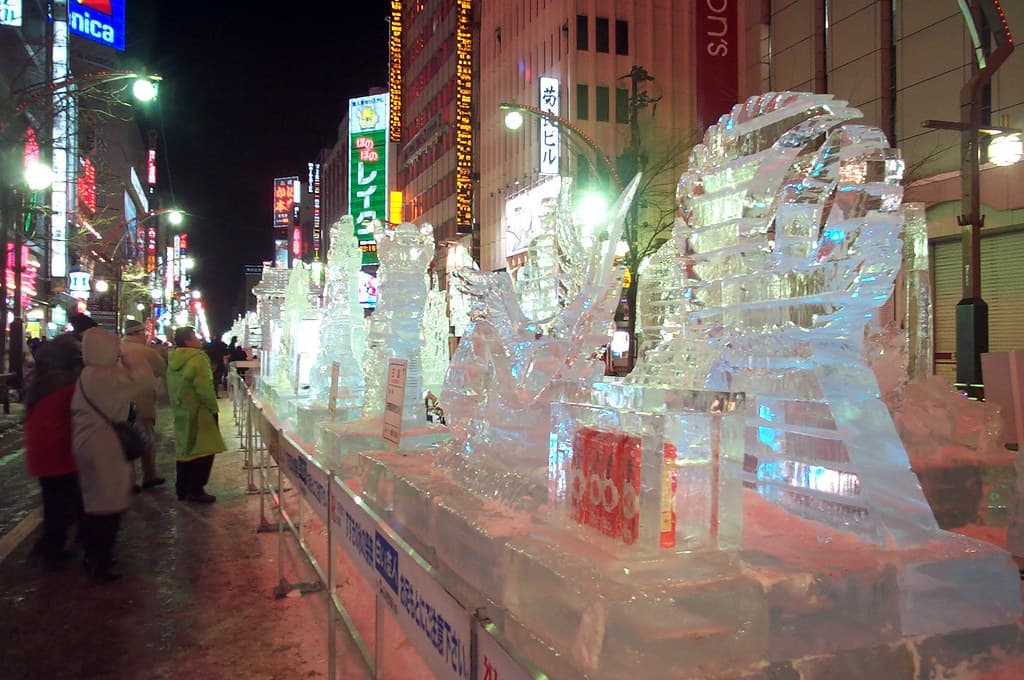
Québec City has an international airport and rail and bus links to Montréal, about three hours away. Old Québec and the main carnival sites are close together, and walking is the best way to get around, though the city's hills are steep and icy in winter. The city's RTC buses serve the carnival sites. If you want to compare winter festivals, the Sapporo Snow Festival runs on nearly the same dates, so you will need to pick one in a given year.
Where to stay
Hotels in Old Québec fill up quickly for carnival weekends, and prices rise. Book early, or stay outside the walls and use buses or taxis to reach the sites. Mid-week visits are calmer, with many activities still running.
What it costs
The night parades are free to watch, and children 12 and under need no effigy. For everyone else the effigy is the main cost (see the tip above), and some activities, such as the ice canoe race experience and sculpture workshops, are ticketed separately. Hotel rates around Old Québec rise for the two carnival weekends. A ferry ride to Lévis costs about $4 one way for a walk-on adult in 2026.
Go like you know
- Try tire d'érable, maple taffy poured hot onto snow and rolled onto a stick, from a carnival stand.
- Warm up with caribou, a sweet, strong mix of wine and spirits (recipes vary) that is the carnival's signature drink. Drink it slowly.
- Go sledding on the Dufferin Terrace toboggan slide beside the Château Frontenac, a Québec winter tradition since 1884, open mid-December to mid-March.
- Watch the ice canoe race from the riverside. It is one of the most dramatic, and least expected, sports you will ever see.
- Visit the old town at night after the carnival sites close, when the snow and lights make it look unreal.
- Ride the ferry across the St. Lawrence to Lévis and back (a 12-minute crossing) for a cheap, spectacular view of the old city rising above the ice.
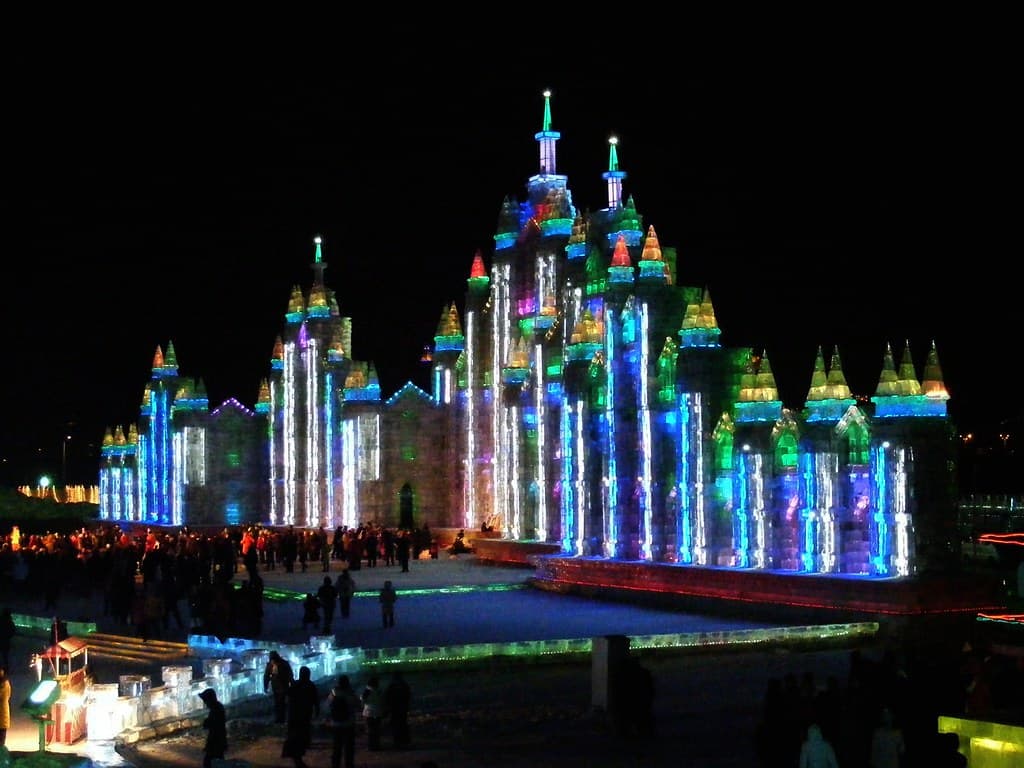
- Travelling for ice and snow? The Harbin International Ice and Snow Festival runs into late February, and New Orleans' Mardi Gras is the warm-weather take on carnival season.
Frequently asked questions
Do I need a ticket for the Québec Winter Carnival?
Many activities require the Bonhomme effigy, a pass sold for each edition ($29 to $39 plus tax in 2026; children 12 and under do not need one). Night parades in the streets are free to watch. Some special events, outdoor parties and activities need separate tickets or have limited capacity, so check the official program before your visit.
Which weekend is best?
Both weekends have night parades and full programs. The first weekend brings the energy of the opening and, in 2026, the ice canoe race; the second has the Grande Allée night parade. Weekdays are less crowded and ideal for families. Check the program for the events you care about most.
Is the carnival suitable for children?
Very. There are slides, snow games, rides, sculpture viewing and plenty of family activities during the day. Evenings can get crowded and cold, so plan shorter outings for small children, take indoor breaks, and dress them warmly in layers.
Do I need to speak French?
No, though Québec City is overwhelmingly French-speaking. Staff at the carnival and in tourist areas usually speak English too. A few words of French, such as bonjour and merci, are appreciated and help you connect with locals at parades and food stands.
How much time should I spend at the carnival?
Two or three days is ideal. That gives you one night parade, a full day at the main carnival sites, and time to explore Old Québec, the palace, the toboggan slide and the riverside. If you can stay across a weekend and a weekday, you will see the festival at both its busiest and calmest.