What is the Recife and Olinda Carnival?
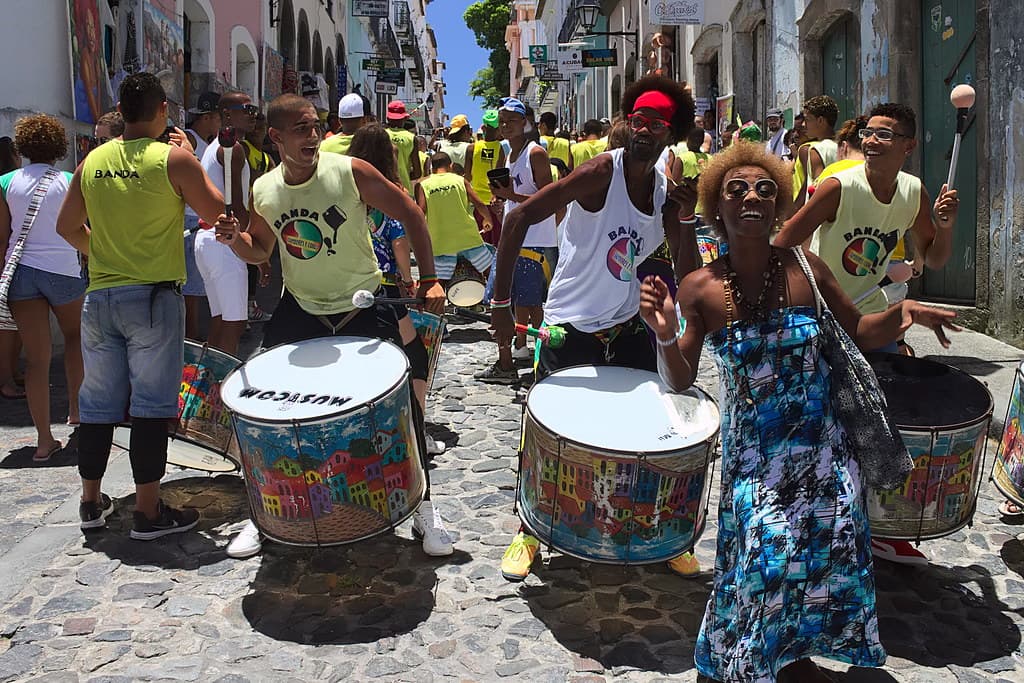
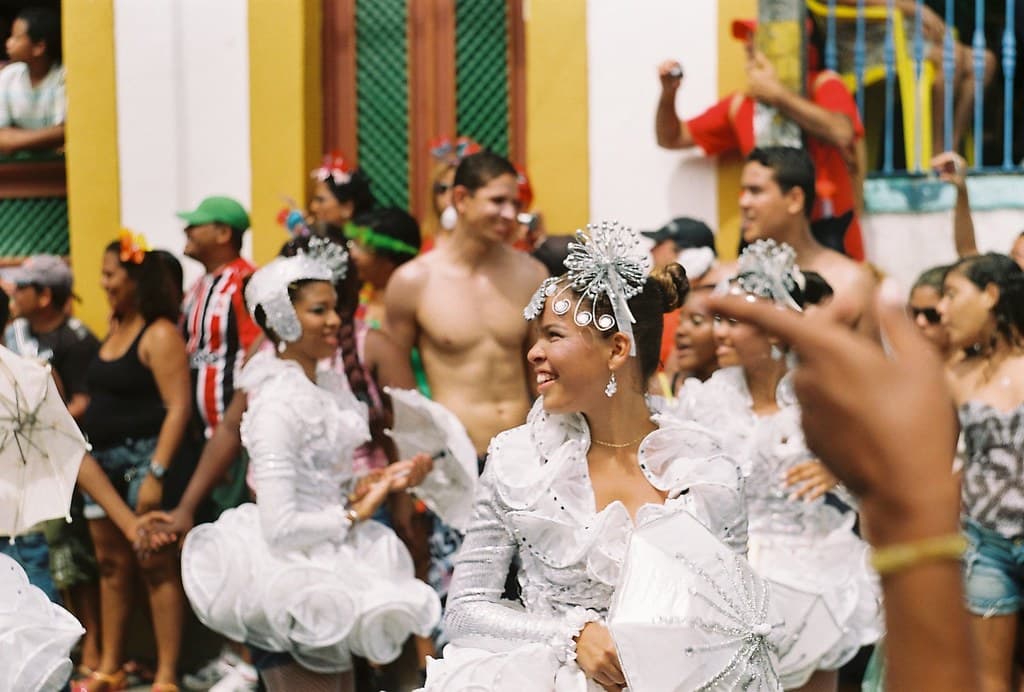
In the northeast of Brazil, the state of Pernambuco celebrates carnival in its own way. Unlike Rio's samba parades in a stadium, the carnival of Recife and Olinda, its colonial neighbour, is a free street party, open to all, where the music is frevo, a fast, brassy rhythm danced with small colourful umbrellas, and maracatu, the thunderous drumming of Afro-Brazilian tradition.
Frevo was born in Recife at the end of the nineteenth century, and in 2012 UNESCO inscribed it on its list of the Intangible Cultural Heritage of Humanity. Its dance, the passo, is acrobatic and frenetic, with moves that draw on capoeira. Maracatu comes from the coronations of the Kings of Congo held by enslaved Africans, and its groups, the nações, parade with kings, queens and huge drum sections.
Recife's carnival opens on Saturday morning with the Galo da Madrugada, the Rooster of Dawn, founded in 1978, which Guinness has recognized as the largest carnival parade in the world by number of participants, with more than two million people following sound trucks through the city centre.
Olinda, a few kilometres north, is a UNESCO World Heritage Site, a hilltop town of colonial churches and colourful houses. Its carnival fills the steep cobbled streets with blocos, street bands, and the famous bonecos gigantes, giant puppets several metres tall. The most famous, the Homem da Meia-Noite, the Midnight Man, has paraded since 1932 and opens the carnival at midnight on Saturday.
What to expect
The carnival runs from the Saturday before Ash Wednesday to Shrove Tuesday, with parties in the days before.
Saturday
Galo da Madrugada
The Galo da Madrugada fills central Recife with frevo from the morning, and at midnight the Homem da Meia-Noite opens Olinda's carnival.
Sunday and Monday
The blocos
Blocos and maracatu groups parade through the streets of Olinda and Recife Antigo, with frevo bands at every corner.
Tuesday
The giant puppets
The Encontro dos Bonecos Gigantes brings the giant puppets together in Olinda for one of the final parades of carnival.
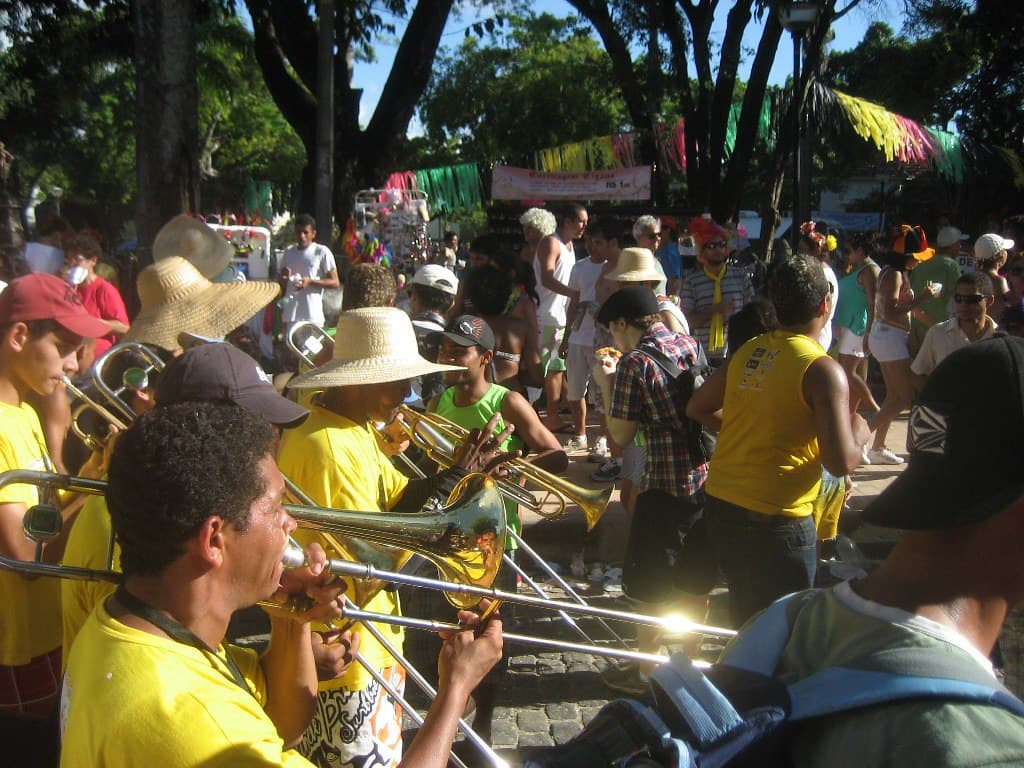
A frevo band in Olinda
Photo by Harry Wood / flickr · CC BY-SA 2.0
Planning your trip
Getting there
Recife's international airport is about 14 kilometres from the city centre and connected to the metro. Olinda is about 6 kilometres north of Recife, reached by bus, taxi or ride app, though traffic is heavy during carnival.
Where to stay
Olinda's guesthouses and rented houses are booked months ahead, often by groups who stay for the whole carnival. Recife has more hotels, especially in Boa Viagem, by the beach, a short ride from the parades.
What it costs
The street carnival is free. Accommodation prices rise sharply during carnival, but food and drinks from street stalls are cheap.
Go like you know
- Wear light clothes and comfortable shoes; Olinda's streets are steep and cobbled.
- Join a bloco; many are open to all, and some sell T-shirts that serve as a pass.
- Watch the maracatu groups for the most powerful drumming of the carnival.
- Arrive early for the Galo da Madrugada; the crowds build from dawn.
- Learn the chorus of a famous frevo; the crowd sings along everywhere.
- Dress up; costumes, from simple masks to elaborate outfits, are part of the fun.
- Drink plenty of water and use sunscreen; the northeast is hot and humid in February.
- Leave valuables at your hotel and carry a cheap phone or just cash.
- Try tapioca, a cassava pancake, and bolo de rolo, Pernambuco's rolled cake, between parades.
- Explore Olinda's churches and viewpoints on a quieter morning before the blocos start.
- Visit Recife Antigo, the old town, where stages and blocos fill the streets at night.
- Salvador's Carnival, in Bahia, is the northeast's other giant street party.
- For the samba parades, see the Rio Carnival.
Frequently asked questions
When is the Recife and Olinda Carnival in 2027?
Carnival follows Easter, so its dates change every year. In 2027, Carnival Saturday falls on February 6 and Shrove Tuesday on February 9, with the Galo da Madrugada on Saturday morning. Many blocos start parading in the weeks before, so the party begins well before the official dates.
What is frevo?
Frevo is a fast, energetic music and dance from Recife, born at the end of the nineteenth century. Its brass bands play at a frantic pace, and its dancers, the passistas, perform acrobatic moves with small colourful umbrellas. UNESCO added it to its list of intangible heritage in 2012.
Is it free?
Yes. The carnival in the streets of Recife and Olinda is free and open to all, with no tickets needed for the Galo da Madrugada or the blocos. Some private parties and camarotes, viewing areas, charge for entry, but most of the carnival happens in the street.