What is Phi Ta Khon?
Phi Ta Khon (ผีตาโขน) are the ghosts of Dan Sai, a small farming town in the hills of Loei province in Thailand's north-east, the region known as Isan. Once a year, during the Buddhist merit-making festival of Bun Luang, people of the town put on towering painted masks and patchwork costumes, tie strings of bells to their belts, and dance through the streets as spirits, teasing the crowds as they go.
The story comes from the Vessantara Jataka, the tale of the Buddha's last life before enlightenment, which Isan villages honour every year. When Prince Vessantara returned home after a long exile, the celebrations were so joyful that the spirits of the forest came out to join the procession. Dan Sai re-enacts that homecoming, and the ghosts are the spirits who could not stay away. Alongside the masks and the mischief, the festival also asks for rain for the rice planting season.
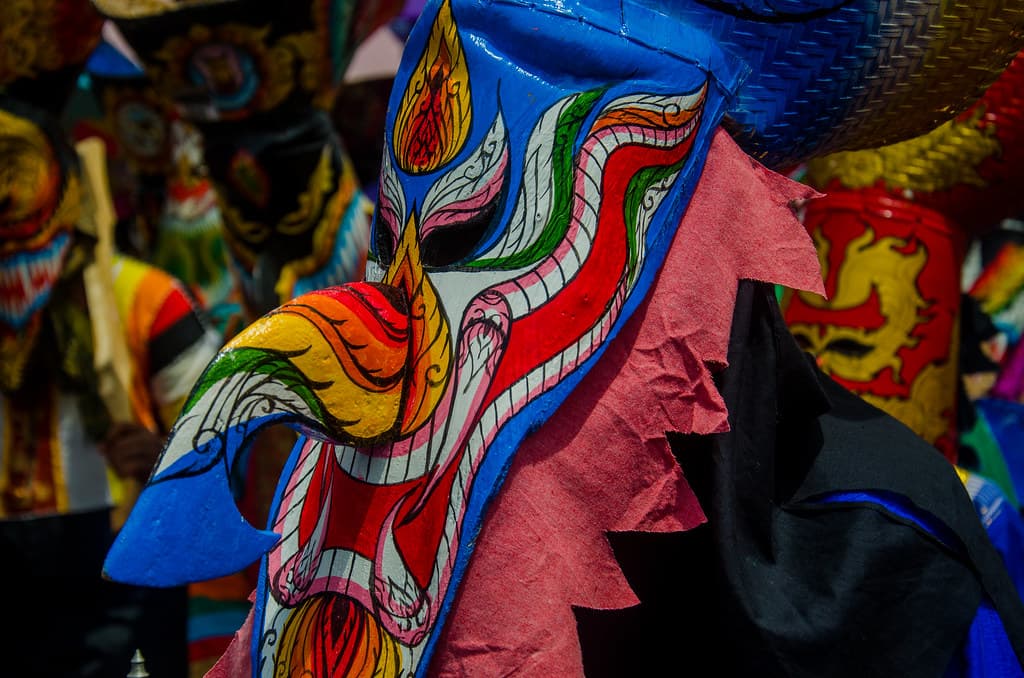
The masks are the heart of it. Each one is carved and painted at home, traditionally from the sheath of a palm-leaf stem, with a long hooked nose and a bamboo basket for steaming sticky rice fixed on top as a hat. No two are alike. Some of the dancers also carry carved wooden phalluses, a fertility symbol, and wave them at spectators to shrieks of laughter.
What to expect
The festival lasts three days, set each year by the town's spirit medium. In 2026 it ran over a weekend in late June.
Day 1
Inviting Phra Upakut
Before sunrise, villagers walk from Wat Phon Chai, the town temple, to the river to invite Phra Upakut, a guardian spirit believed to live in its waters, to protect the festival. The opening ceremony follows, and the masked ghosts begin to appear around town.
Day 2
The ghost parade
The big day. Hundreds of Phi Ta Khon dance through Dan Sai in a long, noisy procession led by the two Big Ghosts, with music, costume contests and homemade rockets launched to call for rain. The parade ends with a procession around Wat Phon Chai.
Day 3
Merit-making
The masks are put away. Monks at Wat Phon Chai recite the Vessantara story in a long series of sermons, and townspeople make merit at the temple. It is quiet, devout and worth staying for.
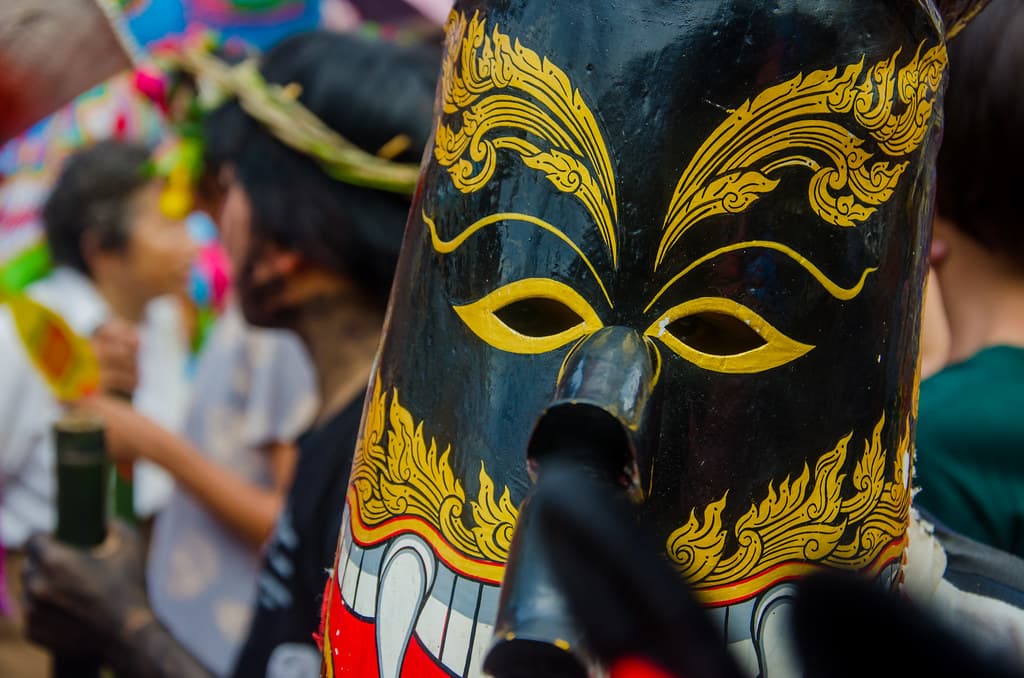
A Phi Ta Khon mask in the crowd at a Loei festival
Photo by Pol TaTham / flickr · CC BY 2.0
Planning your trip
Getting there
Loei has a small airport with flights from Bangkok, and Dan Sai is about an hour and a half from Loei town by road. Buses from Bangkok to Loei take most of a day. During the festival, the town centre around the district office and Wat Phon Chai is easily walkable.
Where to stay
Dan Sai has a few small hotels and a network of homestays, which are the best way to see the festival from the inside and fill first. Loei town and the mountain resorts around Phu Ruea, a short drive away, have more rooms.
What it costs
Everything is free: the parade, the ceremonies and the museum. Rooms and homestays are cheap by Thai standards even during the festival, and street food in Dan Sai costs very little. Your main cost is getting there. Handmade masks sell at stalls around town, from small souvenirs to full festival pieces.
Go like you know
- Buy a small mask from a local maker rather than a mass-produced one; many families sell their own work during the festival.
- The phalluses are part of the joke. If a ghost waves one at you, laugh; nobody means offence.
- Dress modestly for the merit-making on the last day and at Wat Phon Chai.
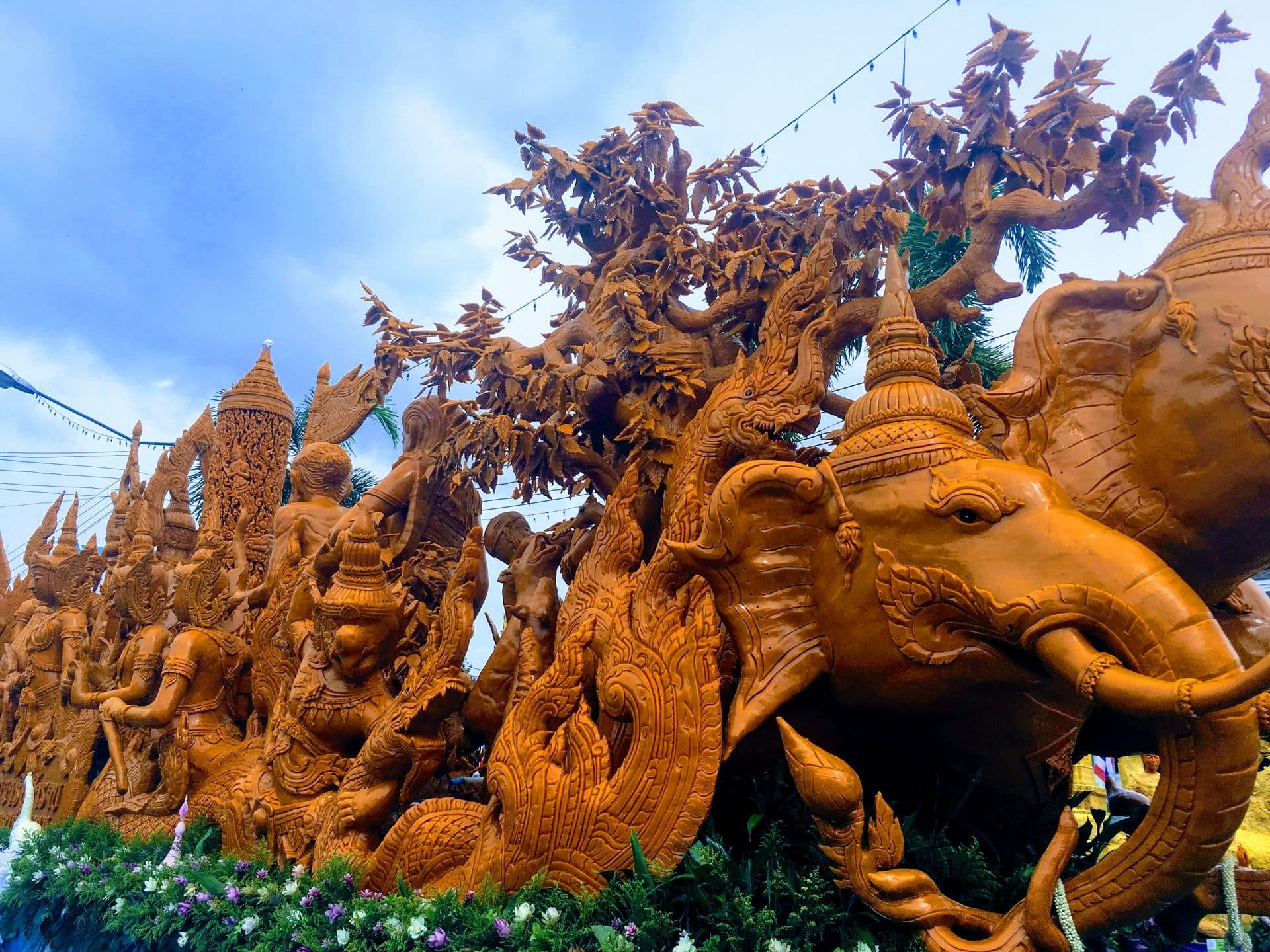
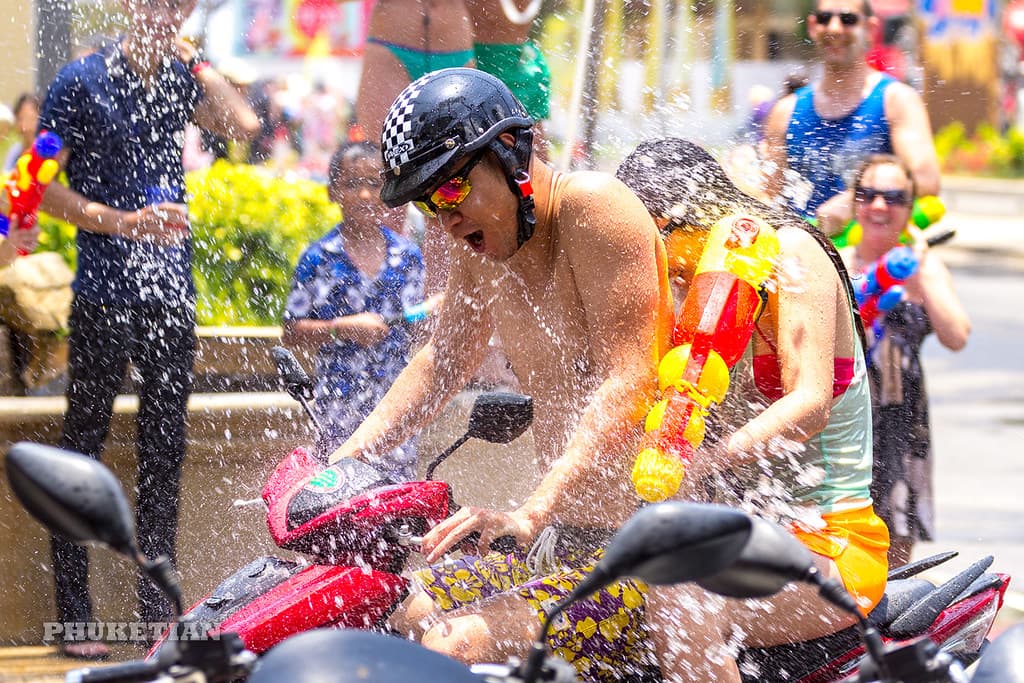
- Isan has a festival calendar of its own: the Ubon Ratchathani Candle Festival parades carved wax floats in July, and Songkran is the April new year water fight.
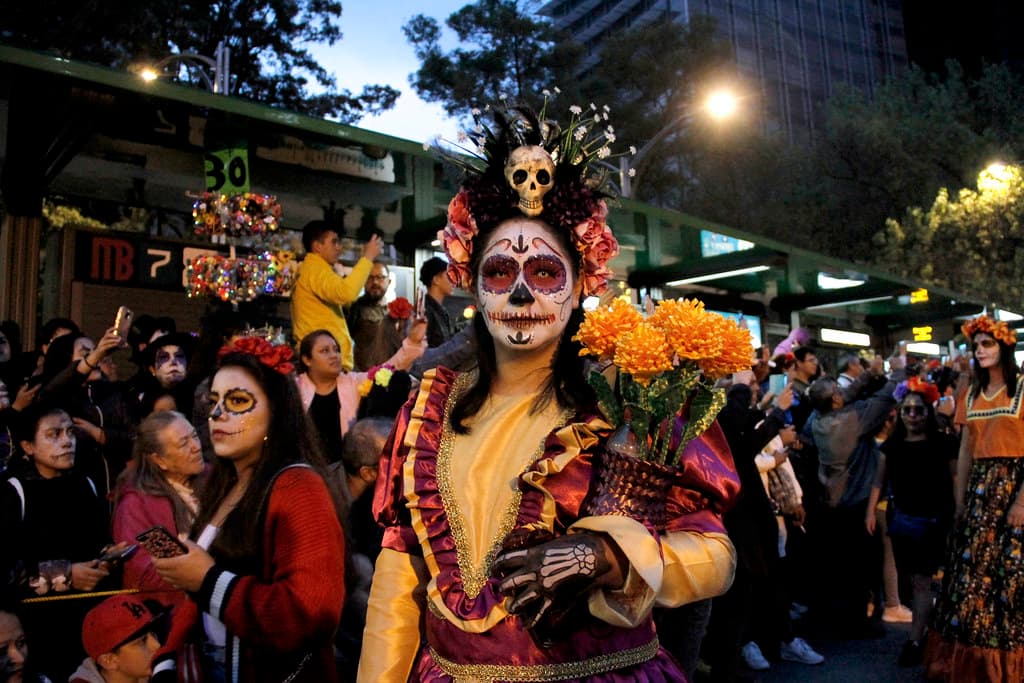
- For another festival where the dead come home to visit the living, see Mexico's Día de Muertos.
Frequently asked questions
When is Phi Ta Khon?
Usually a weekend in late June or early July, but the exact days are set each year by Dan Sai's spirit medium and are announced only a few months ahead. In 2026 the festival ran on June 20 to 22. Check the Tourism Authority of Thailand's announcements before you book.
Is Phi Ta Khon a Halloween-style festival?
Not really. The ghosts are playful rather than scary, and the festival is part of a Buddhist merit-making holiday, Bun Luang, built around the story of Prince Vessantara. The masks and teasing are the fun side of a religious celebration that ends with sermons and offerings at the temple.
Can visitors wear a mask and join the parade?
The parade is made up of local groups and families, so treat it as theirs. If you'd like to take part, buy a mask from a local maker and ask a group whether you can walk with them; otherwise the roadside is the best place to watch. Take any mask off when you enter the temple grounds.