What is Indra Jatra?
Indra Jatra, or Yenya Punhi (येँया पुन्हि) in Nepal Bhasa, the language of Kathmandu's Newar people, is the old city's biggest festival. For eight days at the end of the monsoon, the squares around Kathmandu Durbar Square become a stage for masked dancers, sacred images and processions, and the Kumari, the girl worshipped as a living goddess, leaves her house to be pulled through the streets in a chariot.
The festival honours Indra, king of the gods and bringer of rain. The story goes that he came down to the valley in disguise to steal parijat flowers for his mother, was caught and tied up as a common thief, and was only released when his mother, Dagin, came looking for him. In return she promised the valley dew for its crops, and to lead the souls of those who had died that year to heaven. That is why the festival is also a time to remember the dead.
The Kumari's part is younger. Her chariot procession, the Kumari Jatra, was added in the 18th century by Jaya Prakash Malla, the last Malla king of Kathmandu, and it has run through the festival ever since. On the main day the head of state comes to receive the Kumari's blessing, a role once held by Nepal's kings.
What to expect
The festival starts and ends with the yosin, a tall wooden pole raised in front of the old royal palace at Hanuman Dhoka. While it stands, the old city is in festival mood, and there is something happening in the squares every day.
Day 1
Raising the pole
Crowds gather to watch the yosin hauled upright with ropes and flags at Basantapur. Images of Indra with his arms stretched out, as if bound, appear on platforms around the old city, and the great masks of Bhairava, the fierce form of Shiva, are uncovered.
Main day
The Kumari's chariot
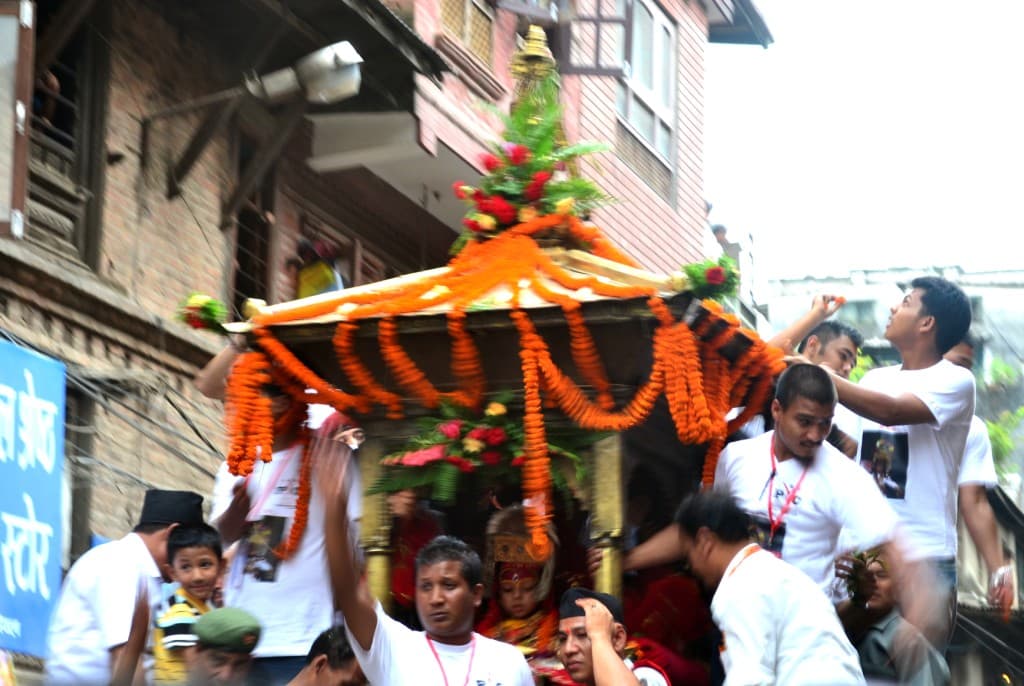
Three chariots, carrying the Kumari and two boys representing Ganesh and Bhairava, are pulled through the southern part of the old city. The chariots come out again on two more days, covering other neighbourhoods each time. Rice beer poured through the mouth of the white Bhairava mask at Hanuman Dhoka is caught by the crowd below.
Every evening
Masked dances
Lakhey demons, Pulu Kisi, the white elephant that carries Indra, and the dances of the Dasavatar, the ten forms of Vishnu, are performed in the squares, and Dagin's procession goes in search of her son. Families who lost someone that year walk a route of the old city with lamps.
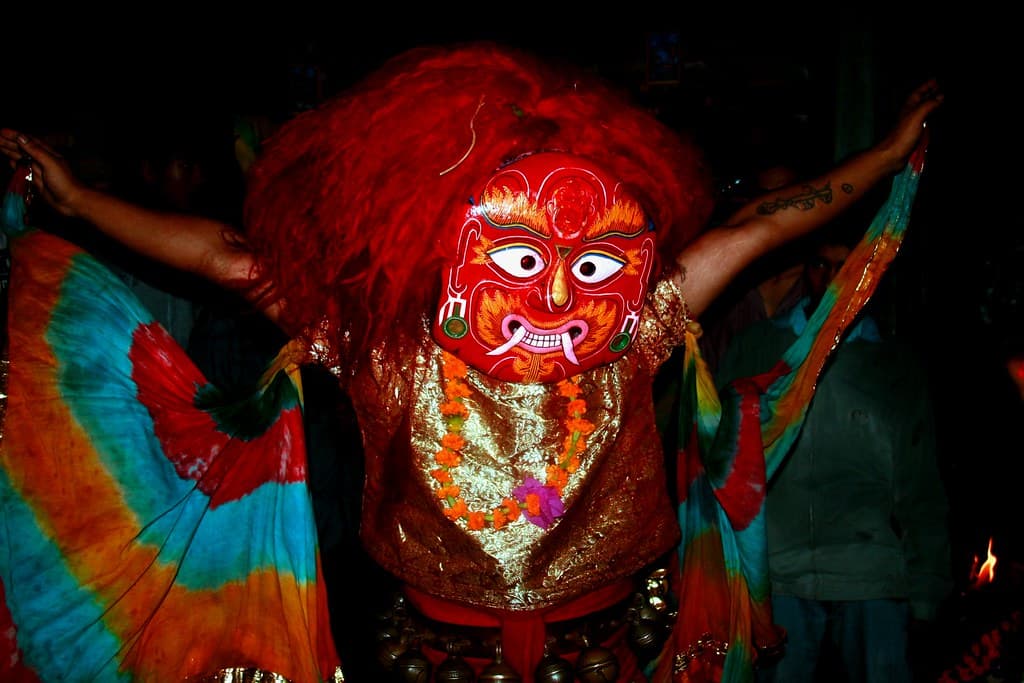
Majipa Lakhey, one of the masked demons of Indra Jatra
Photo by Less than 3 / flickr · CC BY 2.0
Planning your trip
Getting there
Kathmandu's Tribhuvan International Airport is a short taxi ride from the old city. Kathmandu Durbar Square, at the centre of the festival, is a twenty-minute walk from the backpacker district of Thamel. On the chariot days, the old city's narrow streets close to traffic, so walk.
Where to stay
Thamel has hundreds of hotels and guesthouses at every price and is the easiest base. For something quieter and closer to the action, look at the small guesthouses on Freak Street, just off Basantapur, or in the old lanes south of Durbar Square.
What it costs
The festival is free. The only fixed cost is the entry ticket to the Durbar Square area for foreign visitors. Kathmandu is cheap by any standard: a comfortable room in Thamel and meals at local restaurants cost little, and prices are only starting to rise ahead of the autumn trekking season.
Go like you know
- Try the rice beer from the Bhairava mask if you get the chance. Locals believe catching it brings good luck.
- Don't touch the Kumari or her chariot, and don't use flash when she passes.
- Visit the Kumari Ghar, her house on Durbar Square, outside festival days; she sometimes appears at a window in the courtyard, but photographing her there is not allowed.
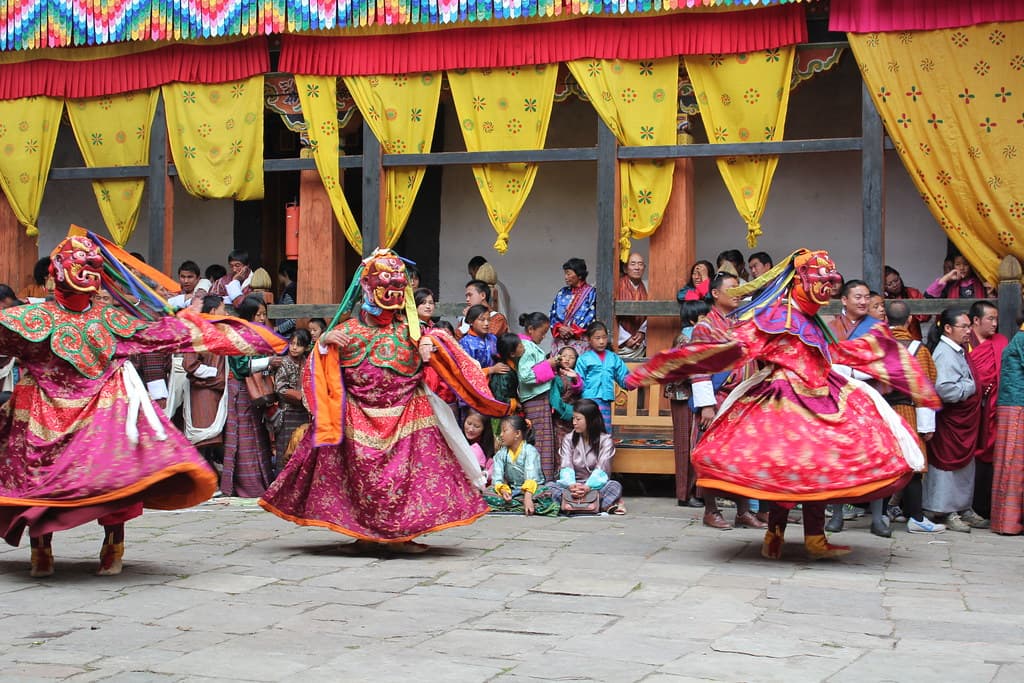
- Bhutan's Paro Tshechu is the Himalaya's other great masked-dance festival, in spring.
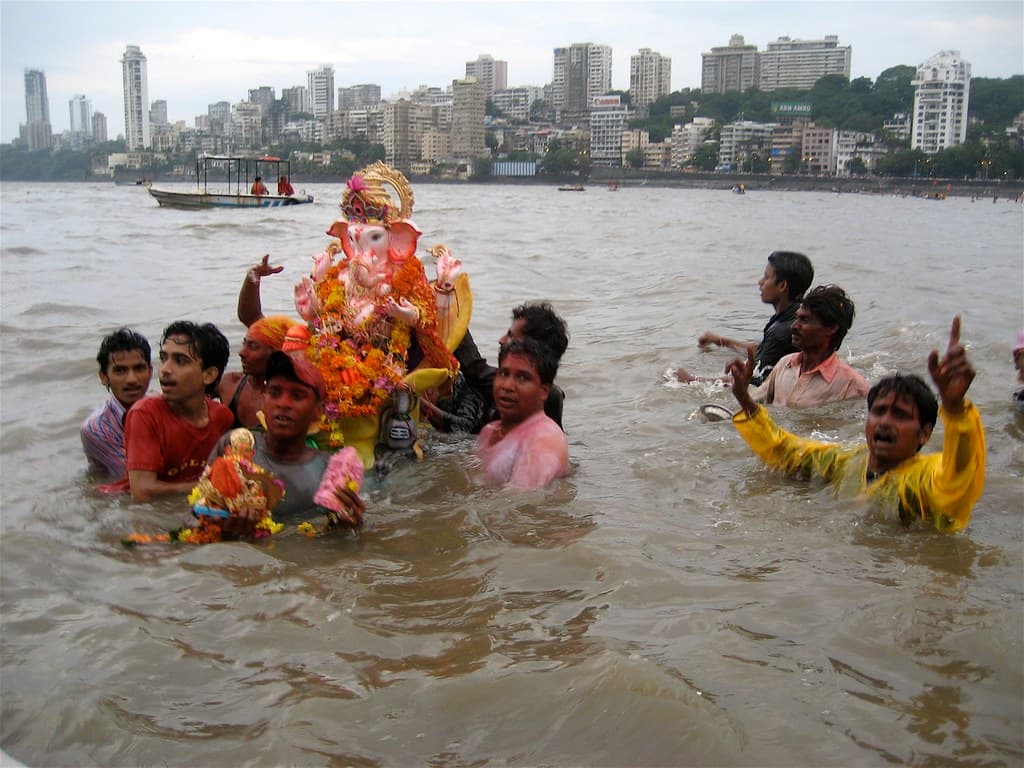
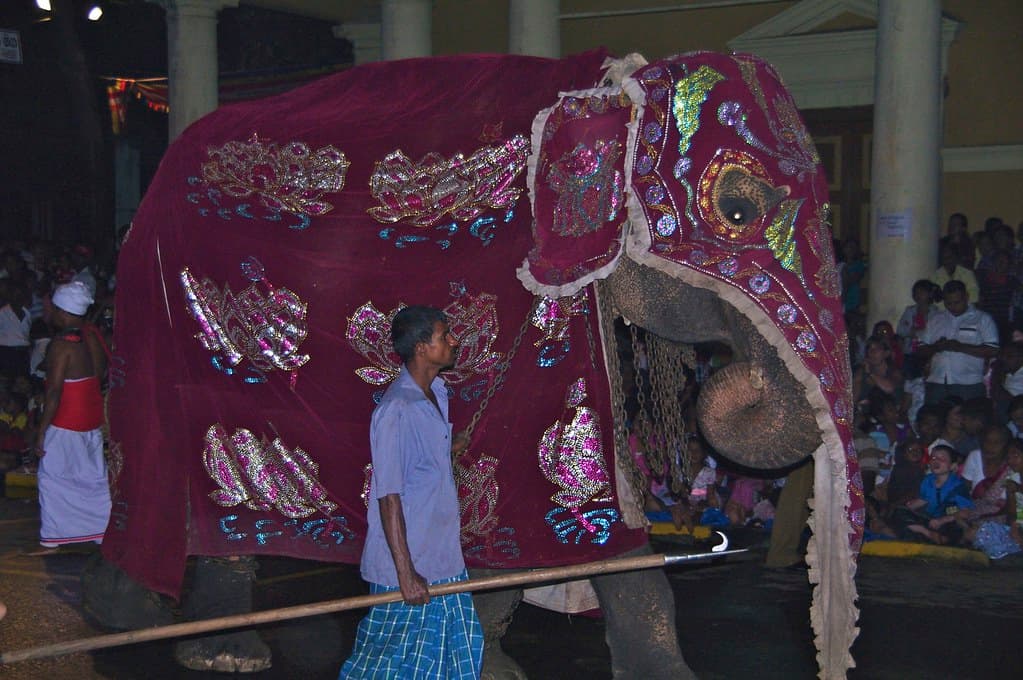
- India's Ganesh Chaturthi ends on the same day as Indra Jatra's main day, and Kandy's Esala Perahera is the other great procession of the season.
Frequently asked questions
When is Indra Jatra?
It follows the lunar calendar and falls in the Nepali month of Bhadra, in late August or September. In 2026 the festival began on September 23, with the Kumari's main chariot procession on September 25. In 2027 the main day is expected around September 14.
Can I see the Kumari?
Yes, on the chariot days, when she rides through the old city in public view. The rest of the year she lives in the Kumari Ghar on Durbar Square and appears only occasionally at a window. Treat her as devotees do: she is a goddess to them, not a curiosity, so keep a respectful distance.
Which day should I go?
The first day, to see the yosin raised and the masks unveiled, and the main day, for the Kumari's chariot and the head of state's visit, are the highlights. If you can stay for the whole eight days, the evening masked dances in the squares are the quieter, more local side of the festival.