What is the Hogueras de San Juan?
Every June, the Mediterranean city of Alicante builds dozens of giant sculptures in its streets and squares, celebrates around them for five days, and then burns every one of them on the night of St John. The Hogueras de San Juan, or Fogueres de Sant Joan in Valencian, is Alicante's great festival, and it mixes the old midsummer tradition of bonfires on St John's Eve with the art of the monument-builders of nearby Valencia.
The festival in its current form began in 1928, when José María Py, a man who had lived in Valencia, proposed combining Alicante's traditional St John's bonfires with the satirical monuments of the Valencian Fallas. The idea caught on fast. Today each neighbourhood association, or comisión, builds its own hoguera: a towering sculpture of wood, cardboard, cork and painted figures, the ninots, that mock politicians, celebrities and the events of the year.
The festival was declared a Fiesta of International Tourist Interest in 1983. It has its own queen, the Bellea del Foc, chosen each year with her court, and its own rhythm of explosions, parades and street parties that keeps the city awake for most of a week.
What to expect
The festival runs from June 19 or 20 to June 24, with daily events across the city and the burning on the last night.
June 20
The plantà
The monuments are raised overnight in their squares and streets, a feat of cranes and craftsmanship, and the city wakes up to find them in place. A jury then awards prizes to the best.
Every day
Mascletàs and parades
At 2pm each day, the mascletà, a deafening, rhythmic barrage of firecrackers, shakes the city centre. The afternoons and evenings bring parades of the comisiones in traditional dress, the offering of flowers to the Virgin, and fireworks contests on the beach.
June 24
The cremà
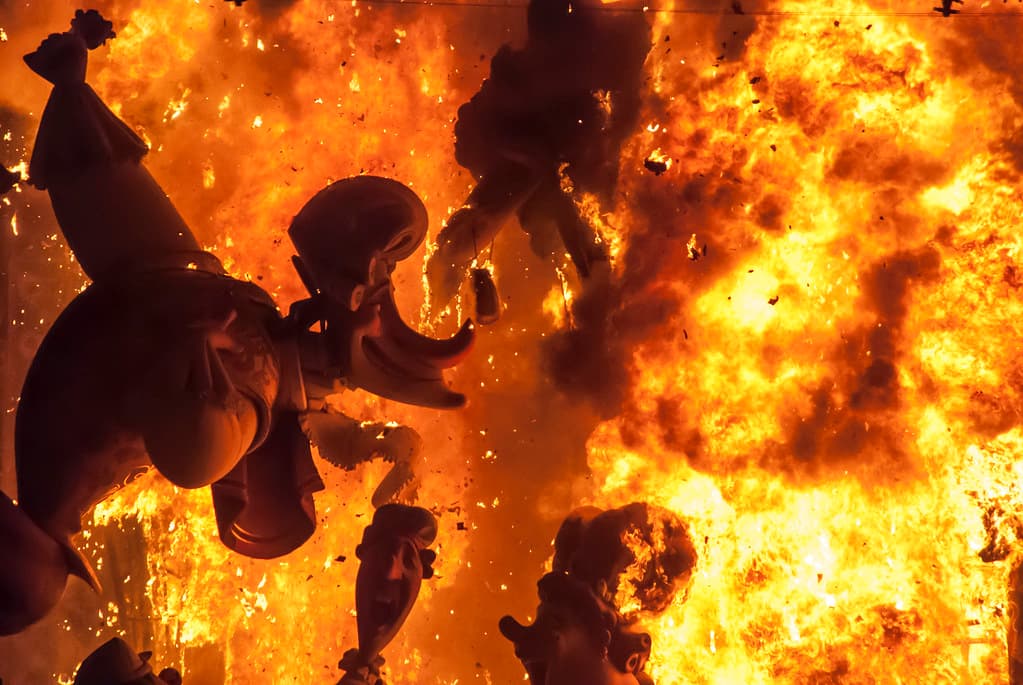
At midnight, a huge palm-shaped firework, La Palmera, rises over the city, and then the monuments are set alight one by one. Firemen hose down the crowds and the buildings nearby as the sculptures burn.
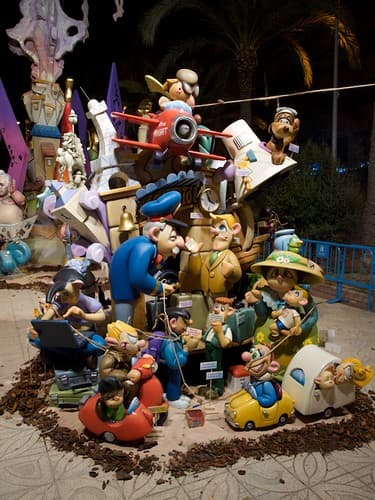
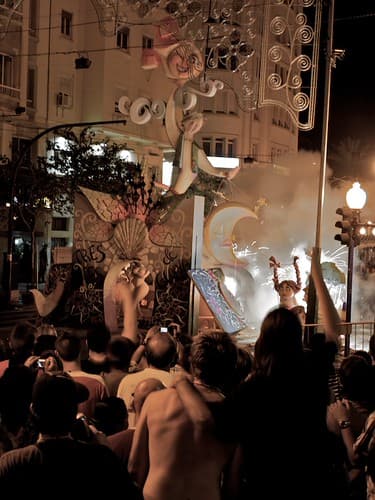
A hoguera monument on display in Alicante
Photo by _SandMan_ / flickr · CC BY-SA 2.0
Planning your trip
Getting there
Alicante's airport has direct flights from across Europe, and buses run to the city centre in about half an hour. High-speed trains connect Alicante with Madrid in about two and a half hours. The monuments and main events are in the city centre, within walking distance of each other.
Where to stay
The city centre and the streets around the Explanada de España, the seafront promenade, put you close to everything, though they are noisy until late. The beach districts of Playa de San Juan and Albufereta are quieter and linked by tram. Book early for the final nights.
What it costs
Almost everything is free, including the monuments, the mascletàs, the parades and the cremà. Street parties in the racós are open to all, while the barracas are private to their members. June is beach season in Alicante, so rooms cost more, but the city remains good value.
Go like you know
- Find a spot near Plaza de los Luceros for the mascletà, and open your mouth during the loudest moments; locals say it helps your ears.
- Get to your chosen monument well before midnight on the 24th; the best places near the big hogueras fill early.
- Spend the afternoons at the beach and the nights in the streets, as locals do, with a late dinner of rice dishes or coca flatbread.
- Valencia's Las Fallas in March is the festival that inspired the hogueras.
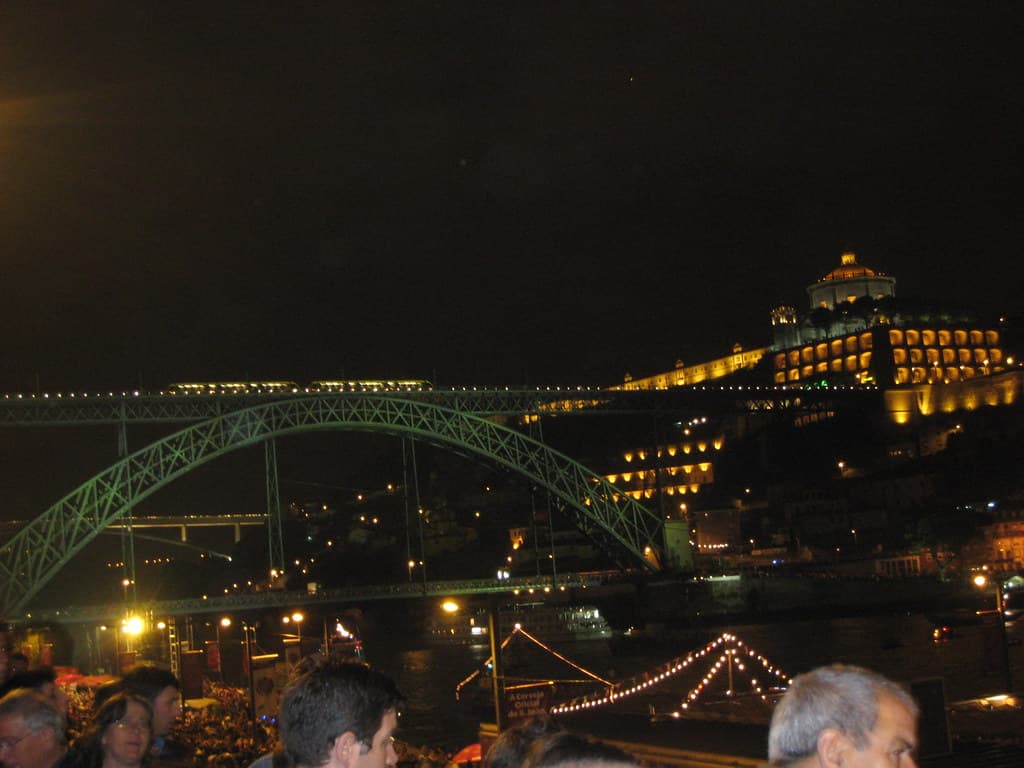
- On the same night, Porto celebrates its own St John with sardines and hammers at São João do Porto.
Frequently asked questions
When is the Hogueras de San Juan?
Every year from about June 19 or 20 to June 24, ending with the cremà at midnight on the night of June 24. The dates are fixed, built around the feast of St John, so you can plan your trip well in advance and book the final nights early.
How is it different from Las Fallas?
The two festivals are closely related, and Alicante's grew from the Valencian model. Las Fallas is held in March and is larger. The hogueras are burned on St John's night in June, and the festival has a more summery, beach-town atmosphere, with fireworks contests on the beach.
Is it suitable for children?
Yes, with care. There are children's monuments and parades, and many local families take part in every event. Protect children's ears during the mascletàs, keep them at a safe distance from the burning monuments during the cremà, and plan for very late nights.