What is the Hamamatsu Matsuri?
Hamamatsu is a city in Shizuoka Prefecture, on the Pacific coast between Tokyo and Osaka, famous for its musical instruments and motorcycles. Every year during Golden Week, from May 3 to 5, it holds one of Japan's most exciting festivals: the Hamamatsu Matsuri, with giant kite battles by day on the sand dunes by the sea and illuminated palace floats parading through the city at night.
According to legend, the festival began over 460 years ago, when the lord of Hikuma Castle, which stood where Hamamatsu is today, flew a kite to celebrate the birth of his first son. Historians say there is little written evidence for the story, but the tradition of flying kites to celebrate the birth of first-born children has continued, and today more than 170 neighbourhoods take part.
By day, the festival takes place at the Nakatajima sand dunes on the coast. Teams from each neighbourhood fly huge kites, some several metres across, painted with their neighbourhood's emblem, and try to cut the strings of rival kites by rubbing their ropes against them, in a fierce tako-age gassen, kite battle. Families whose first child was born in the past year fly a special hatsudako, a first kite, decorated with the child's name, as the child is held up by the father among the cheering team.
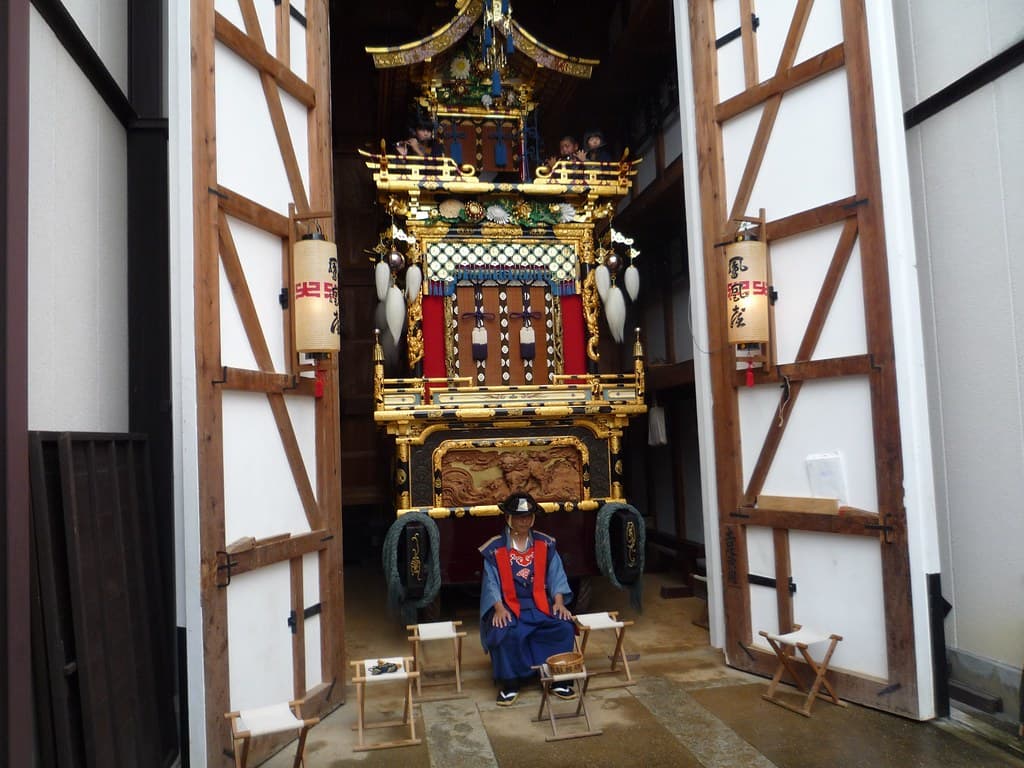
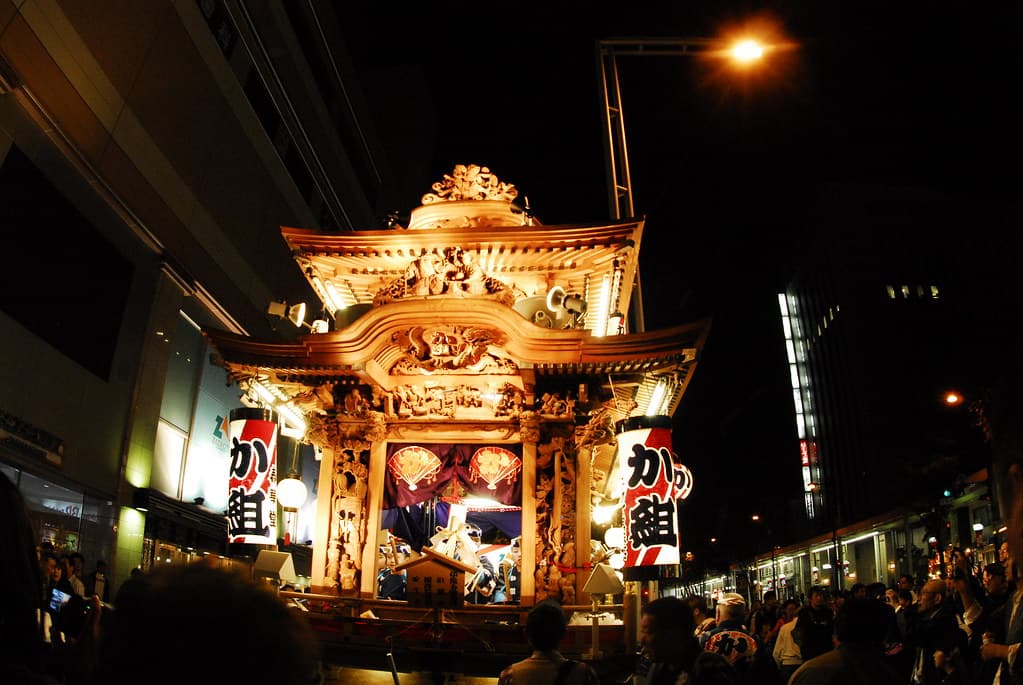
In the evening, the festival moves to the city centre, where more than 80 goten-yatai, elaborately carved and lantern-lit palace floats, parade through the streets with music, and teams celebrate late into the night.
The festival is a matter of local pride. Each neighbourhood has its own kite emblem, its own happi coats and its own brass band, and the whole year builds up to these three days, when residents of all ages take to the streets and the dunes together.
What to expect
The festival runs over three days, May 3 to 5, during Japan's Golden Week holidays.
Daytime
Kite battles
At the Nakatajima dunes, neighbourhood teams fly giant kites and battle to cut each other's strings, with drums, trumpets and chanting.
Evening
Palace floats
The illuminated goten-yatai floats parade through central Hamamatsu, accompanied by music and dancing.
Late night
Neighbourhood celebrations
Teams parade through their neighbourhoods with lanterns and trumpets, chanting and celebrating late into the night.
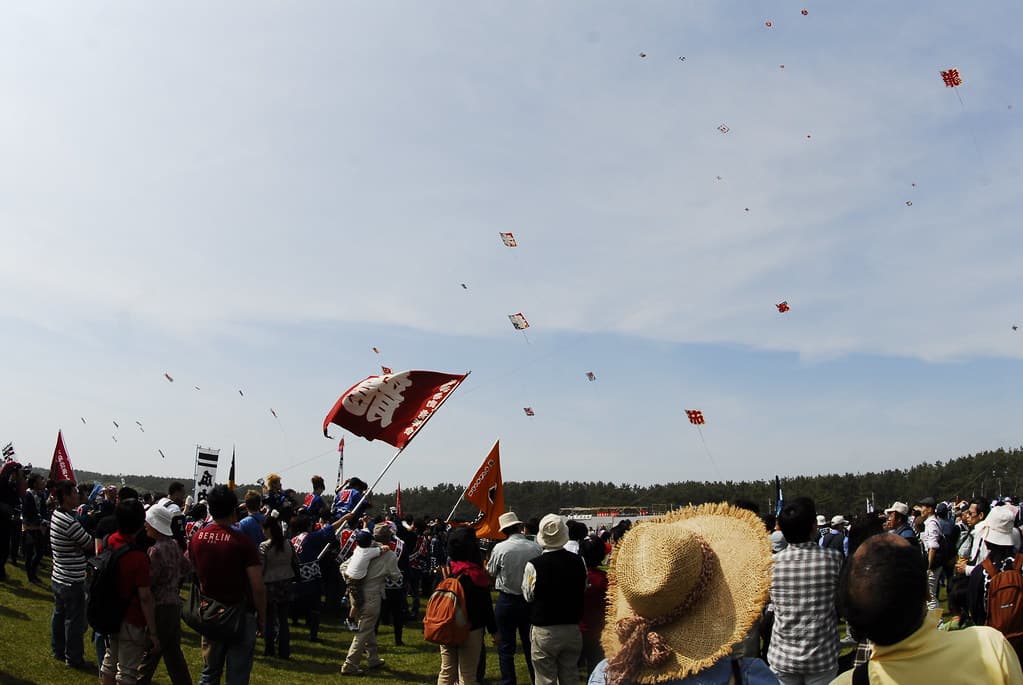
Kite teams at Nakatajima
Photo by hirota_kenichi / flickr · CC BY 2.0
Planning your trip
Getting there
Hamamatsu is about 100 minutes from Tokyo on the Tokaido Shinkansen, and about an hour from Nagoya. Paid shuttle buses run from Hamamatsu Station to the kite field at Nakatajima, about 20 minutes away, followed by a short walk.
Where to stay
Hamamatsu has business hotels near the station, but Golden Week is Japan's busiest travel period, so book early. Nagoya and Shizuoka are alternatives by Shinkansen.
What it costs
The festival is free, apart from the shuttle bus to the kite field. Hamamatsu is moderately priced, but hotel prices rise during Golden Week.
Go like you know
- Try Hamamatsu gyoza, dumplings served in a circle with bean sprouts in the middle, a local speciality.
- Listen for the trumpets; each team has its own brass band playing the festival tunes.
- Visit the Hamamatsu Museum of Musical Instruments on a rest day.
- Look for the hatsudako, the first kites, decorated with babies' names.
- Arrive at the kite field early to watch the teams set up their kites.
- Wear a hat and comfortable shoes; the dunes are sandy and exposed.
- Bring cash for food stalls at the kite field and in the city.
- Follow a team back to its neighbourhood at night for the lively celebrations with trumpets and lanterns.
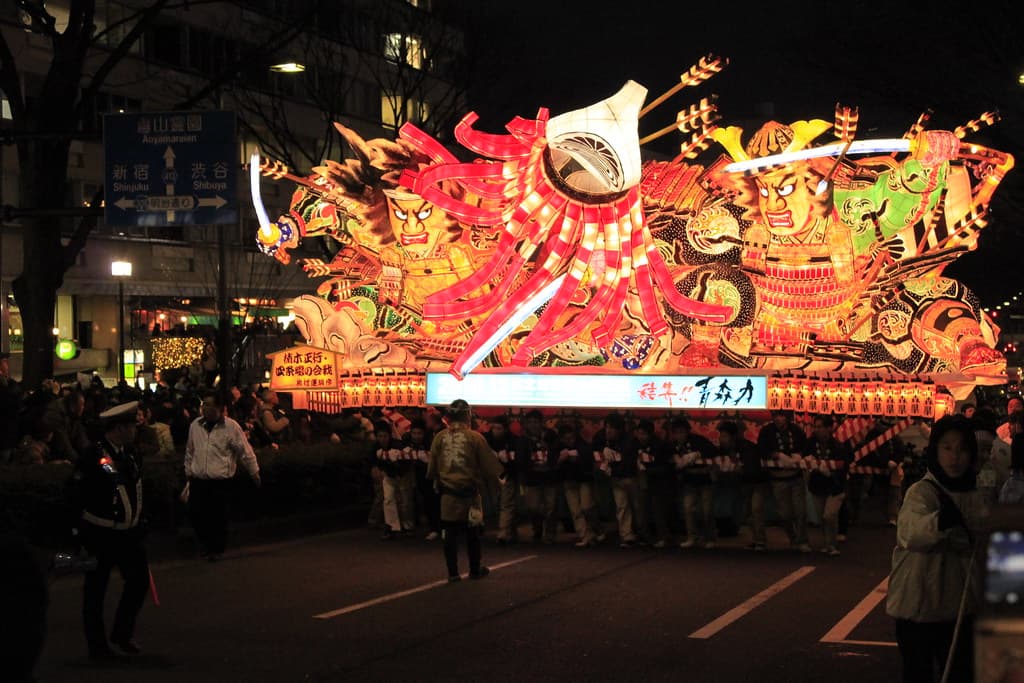
- For more of Japan's summer floats, see Aomori's Nebuta Festival.
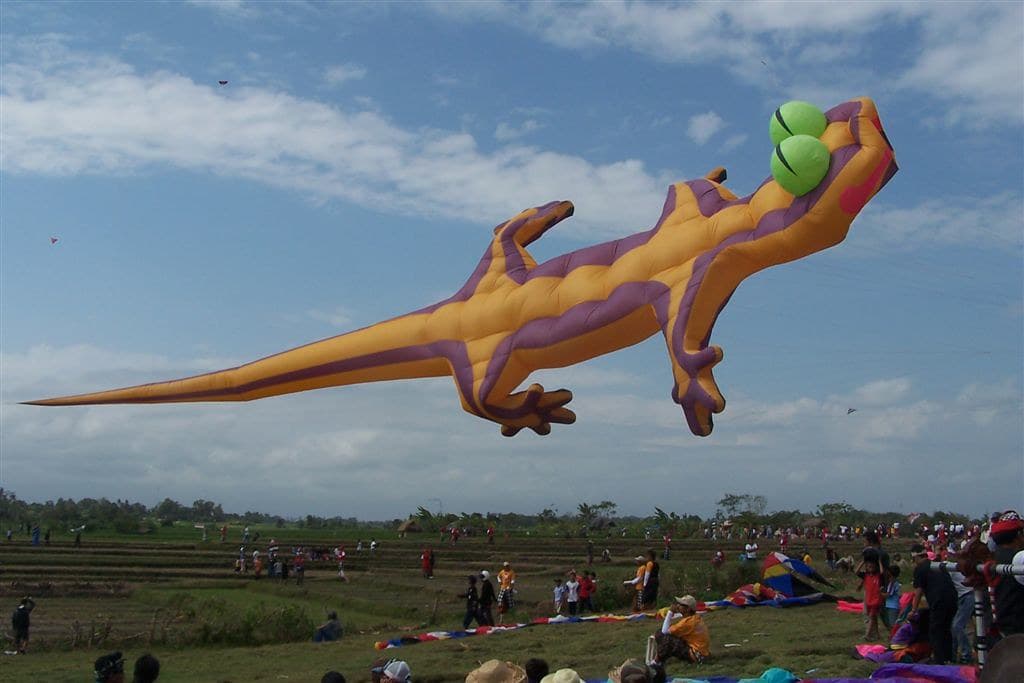
- Bali's Kite Festival is another great celebration of giant kites.
Frequently asked questions
When is the Hamamatsu Matsuri?
Every year from May 3 to 5, during Golden Week. The dates are fixed, so in 2027 the festival runs from Monday, May 3 to Wednesday, May 5, with kite battles by day at the Nakatajima dunes and palace float parades in the city in the evening.
What is a kite battle?
In a kite battle, teams fly their giant kites and try to cut the strings of rival kites by rubbing their own ropes against them, using friction. The teams run, pull and manoeuvre their kites in the wind, and the crowd cheers when a rival kite is brought down.
Why do families fly kites for babies?
The festival is linked to the tradition of celebrating first-born children. Families whose first child was born in the past year fly a special kite, the hatsudako, decorated with the child's name, to wish for the child's health and happiness, while the team celebrates around them.