What is the Chingay Parade?
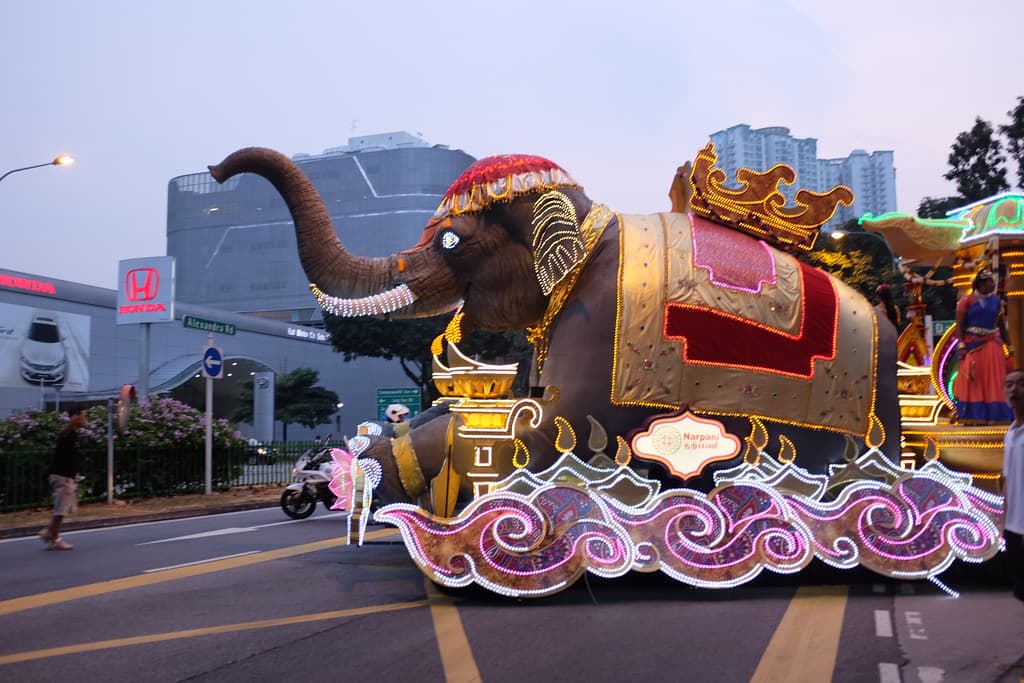
The Chingay Parade is Singapore's great street parade, held every year during the Chinese New Year season. Thousands of performers in dazzling costumes, giant floats, dancers, acrobats and drummers from Singapore's many communities parade in a show of colour, light and music, celebrating the city's mix of cultures as much as the new year.
The parade has an unusual origin. In 1972, Singapore banned firecrackers, a key part of Chinese New Year celebrations, after a series of accidents and fires. The ban caused widespread unhappiness, and in 1973 the government, under prime minister Lee Kuan Yew, launched a street parade to bring back the festive spirit. The first Chingay Parade was held on February 4, 1973, organized with the help of a martial arts association, and featured lion dances, stilt walkers and floats.
The word chingay comes from a Hokkien expression often translated as "the art of costume and masquerade". Over the years, the parade grew from a Chinese celebration into a multicultural event, with Malay, Indian and Eurasian groups, community organizations and international troupes taking part. It moved from Orchard Road to the Civic District, and since 2014 it has been held at the F1 Pit Building, by the Marina Bay, with grandstands for spectators.
Today, Chingay is organized by the People's Association, a government body, with thousands of performers from more than 150 organizations in recent editions. In 2025, Singapore and Malaysia submitted a joint nomination for Chingay to UNESCO's list of intangible cultural heritage, reflecting the parade traditions shared by both countries.
What to expect
The parade takes place over two evenings, usually a Friday and a Saturday, a week or two after Chinese New Year.
Early evening
Arrival
Spectators arrive at the F1 Pit Building and find their seats in the grandstands. Pre-show performances warm up the crowd.
Evening
The parade
Floats, dancers, drummers and acrobats parade past the stands in a show of costumes, lights and music, each group bringing its own culture and style.
Finale
Fireworks
The parade ends with a grand finale of performers, music and fireworks over the city.
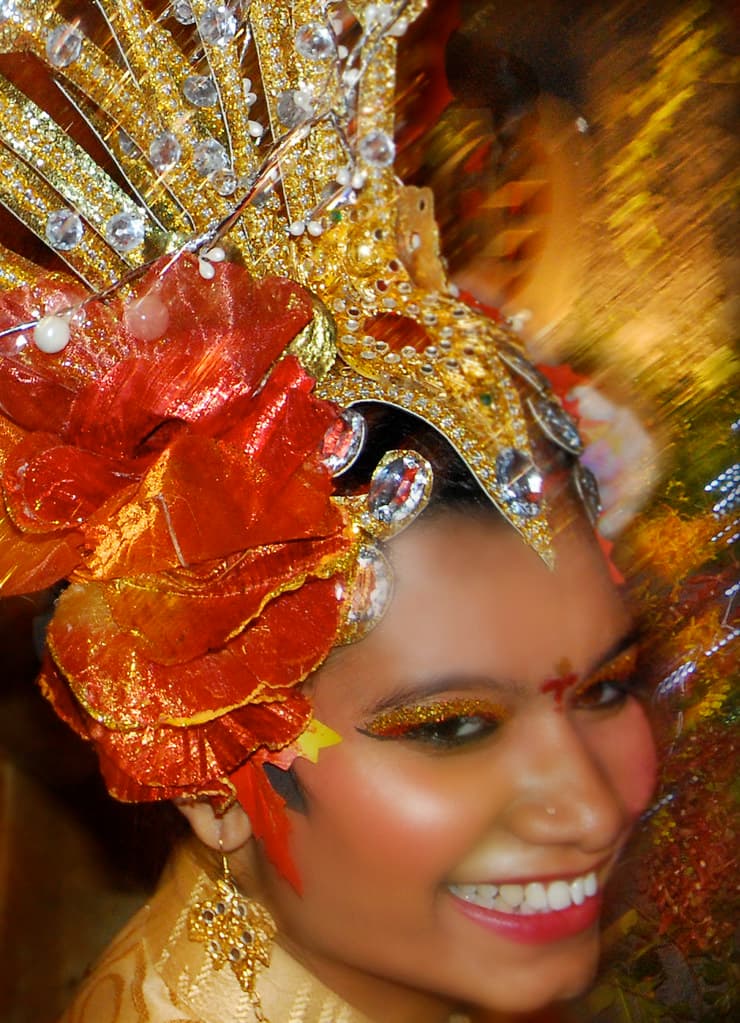
A performer in the Chingay Parade
Photo by williamcho / flickr · CC BY-SA 2.0
Planning your trip
Getting there
Singapore's Changi Airport has direct flights from across the world, with trains and taxis to the city centre. The F1 Pit Building is in the Marina Bay area, a short walk from the nearest MRT stations.
Where to stay
Singapore has accommodation for every budget, from hostels in Chinatown and Little India to luxury hotels on the Marina Bay. Prices rise during the Chinese New Year period, so book early.
What it costs
Grandstand tickets cost about S$20 to S$60, depending on the seat. Singapore is an expensive city for accommodation, but food at its hawker centres is cheap and excellent.
Go like you know
- Book grandstand tickets early; they sell out every year.
- Arrive early to soak up the atmosphere and find your seat.
- Eat at a hawker centre before the show; try chicken rice, laksa or satay.
- Visit Chinatown for the new year decorations and market.
- Bring a light rain jacket or poncho rather than an umbrella, which blocks the view of the people behind you in the grandstands.
- Take the MRT home after the show; the stations near Marina Bay are busy but run frequently, and taxis are hard to find when the crowds leave.
- Learn a few new year greetings, such as gong xi fa cai, heard everywhere in Singapore during the season.
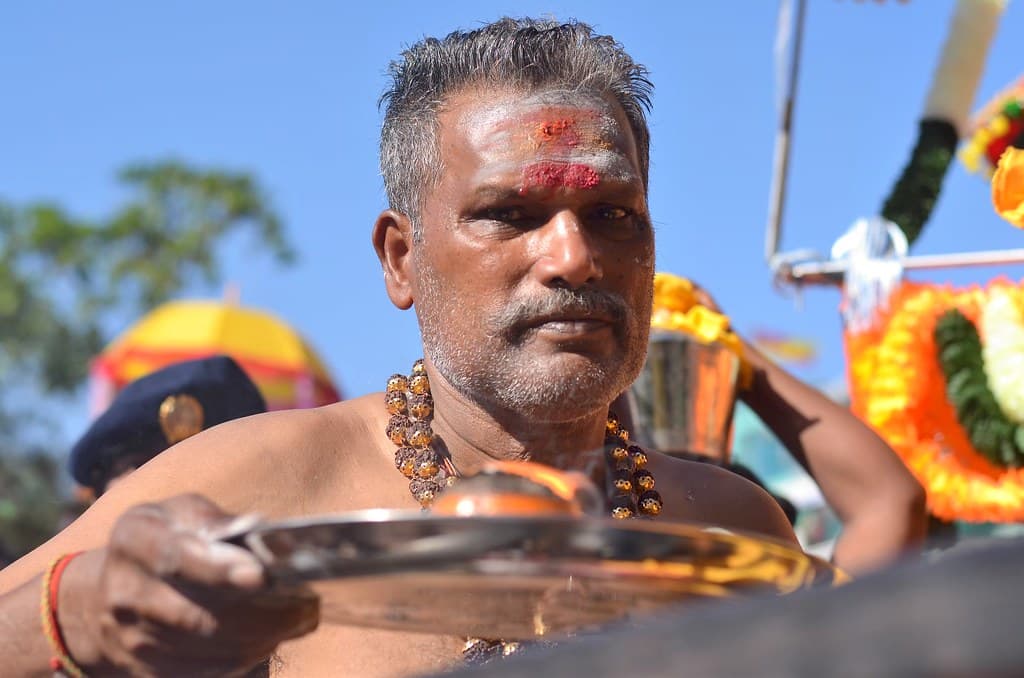
- Singapore's Thaipusam, around the same time of year, is a striking Hindu festival of devotion.
- For the new year across Asia, see Chinese New Year.
Frequently asked questions
When is the Chingay Parade?
Over two evenings in February, usually a Friday and Saturday a week or two after Chinese New Year. The 2026 parade took place on February 27 and 28. The 2027 dates have not been announced; with Chinese New Year on February 6, 2027, a mid to late February parade is likely.
Do I need a ticket?
Yes, for the grandstands at the F1 Pit Building, where the parade is performed. Tickets cost about S$20 to S$60 and sell out quickly. There is usually also a free area nearby with views of the passing parade, but space is limited and the view is not as complete.
Is Chingay only for Chinese New Year?
Chingay began as a Chinese New Year celebration and is still held during the new year season, but it has become a multicultural parade, with groups from Singapore's Malay, Indian and Eurasian communities and international performers. It celebrates the diversity of the city as much as the new year.