What is the Yosakoi Matsuri?
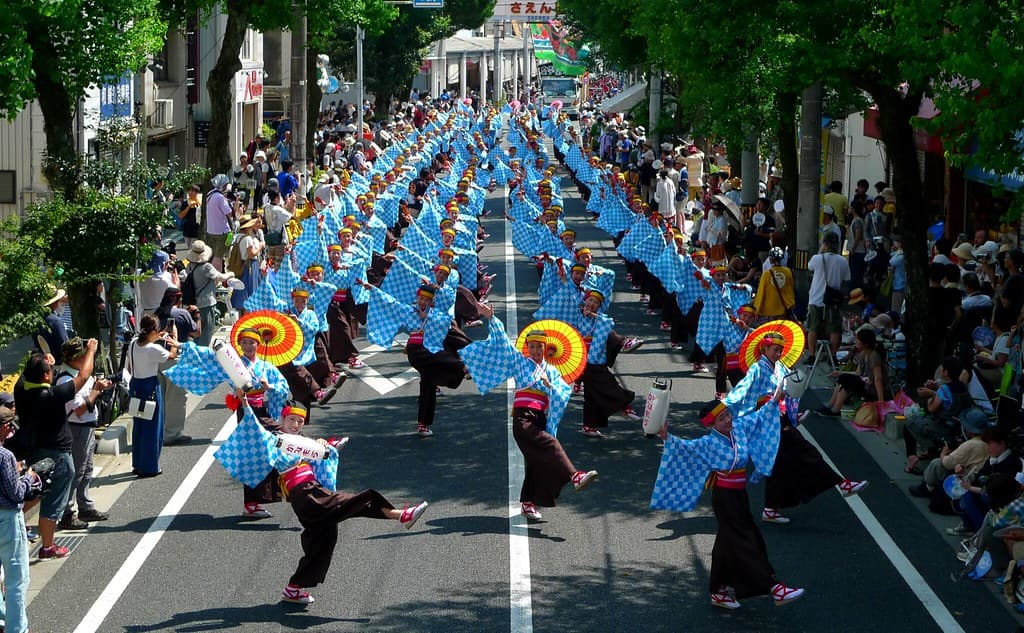
Kochi, a laid-back city on the southern coast of the island of Shikoku, is the birthplace of yosakoi, one of the most popular dance styles in Japan. For four days in August, the Yosakoi Matsuri (よさこい祭り) fills its streets with around 190 teams and 18,000 dancers, each in its own costumes, music and choreography, dancing through the city on streets and stages from morning until night.
The festival was created in 1954, in the lean years after the war, to lift the spirits of the city and bring business back to its shopping streets. Its organizers set a few simple rules that still hold: every dancer must carry naruko, small wooden clappers once used by farmers to scare birds from the rice fields, and every team's music must include part of the festival's original song, the "Yosakoi Naruko Odori". Everything else is up to the team.
That freedom made yosakoi a phenomenon. Teams mix traditional Japanese dance with pop, rock, samba and hip-hop, and the style has spread to hundreds of festivals across Japan, notably Sapporo's huge YOSAKOI Soran Festival, and to teams around the world. Kochi remains its home and its biggest stage.
What to expect
Teams dance at more than a dozen venues around the city centre, some parading along streets, others performing on stages, so you can wander from one to the next and see dozens of teams in a few hours.
August 9
The eve
The festival opens with a night of fireworks over the Kagami River and an evening performance by past prize-winning teams, a preview of the days to come.
August 10 to 11
The main days
Teams dance all day at venues across the city, including the covered Obiyamachi shopping arcade and the broad Otesuji avenue, each followed by a decorated truck carrying its music and sometimes a live singer. Judges score them at certain points along the routes.
August 12
The finale
The prize-winning teams perform again, and teams from yosakoi festivals across Japan come to Kochi for a national contest, followed by a closing parade.
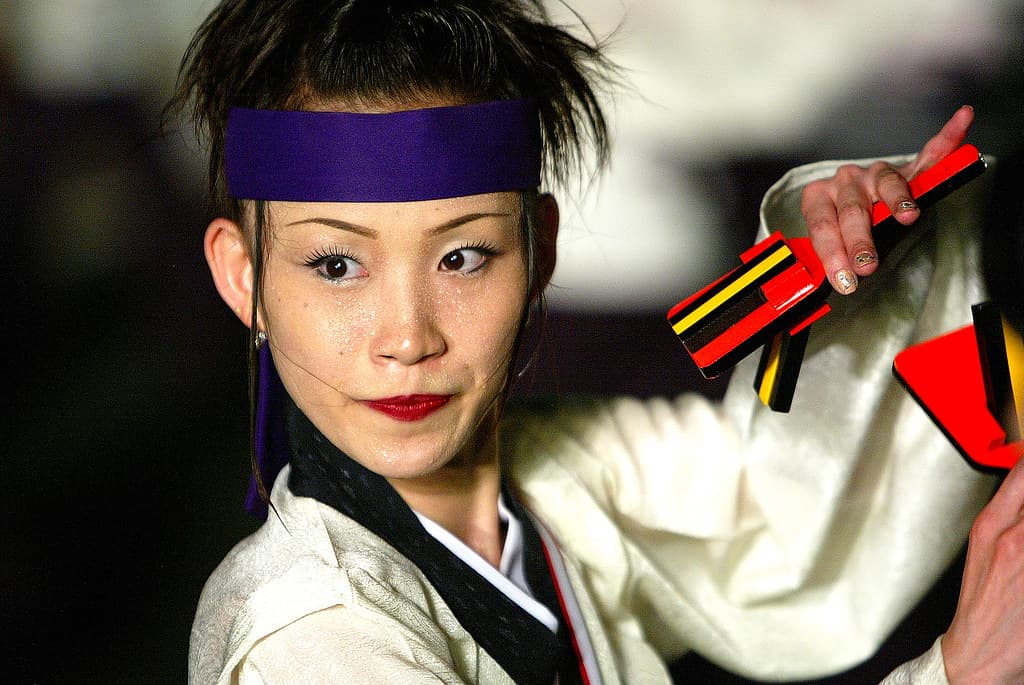
A dancer with naruko clappers at the Kochi Yosakoi Matsuri
Photo by やまもも工房 / flickr · CC BY 2.0
Planning your trip
Getting there
Kochi's airport has flights from Tokyo and Osaka, about an hour and a half from Tokyo. By train, take the shinkansen to Okayama and then the limited express across the mountains of Shikoku to Kochi, about two and a half hours. The festival venues are within walking distance of the station and the centre.
Where to stay
Kochi has a good range of hotels around the station and the centre, but the festival coincides with Obon, Japan's summer holiday, so rooms fill early. Book as soon as you can, or stay in a nearby town on the train line and come in for the day.
What it costs
Everything is free to watch, and some paid seating is available at the main venues. Kochi is one of Japan's more affordable regional cities, and its food is famously good: try katsuo no tataki, seared bonito, the city's speciality, at the Hirome Market food hall.
Go like you know
- Buy a pair of naruko clappers as a souvenir and clap along.
- Look out for teams of all ages, from children's groups to company teams and seasoned champions; each team's costumes change every year, so regulars come back to see what their favourites have done.
- Watch the music trucks as well as the dancers. Many are decorated to match the team's theme, and some carry live singers and drummers.
- Visit Hirome Market for food and drink with the dancers after their sets.
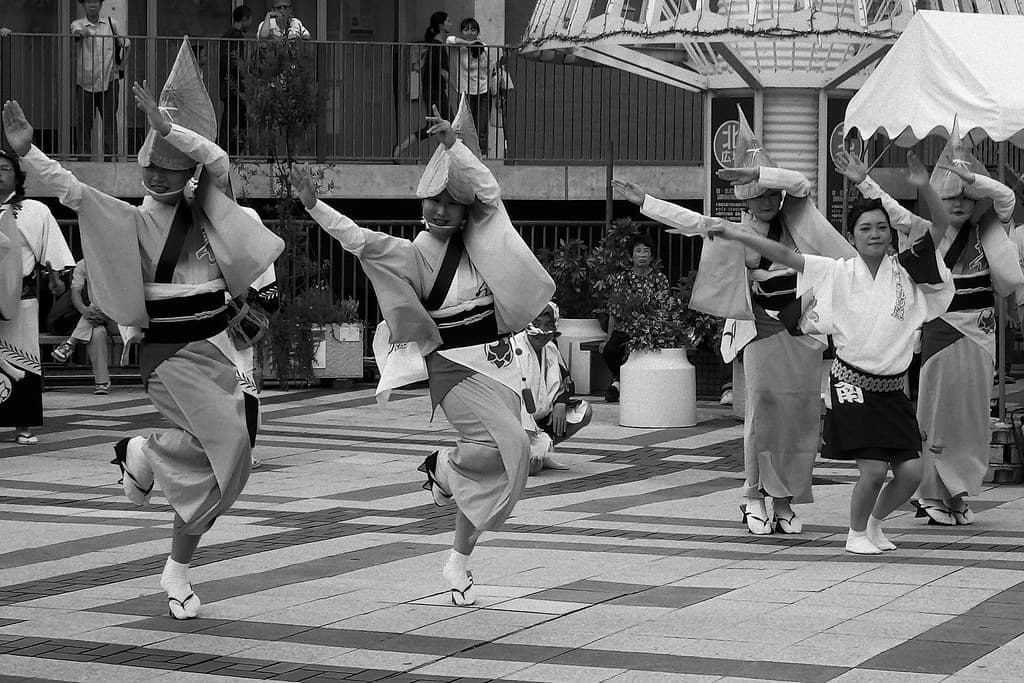
- Tokushima's Awa Odori, on the same island, falls in the same week, so you can see both of Shikoku's great dance festivals in one trip.
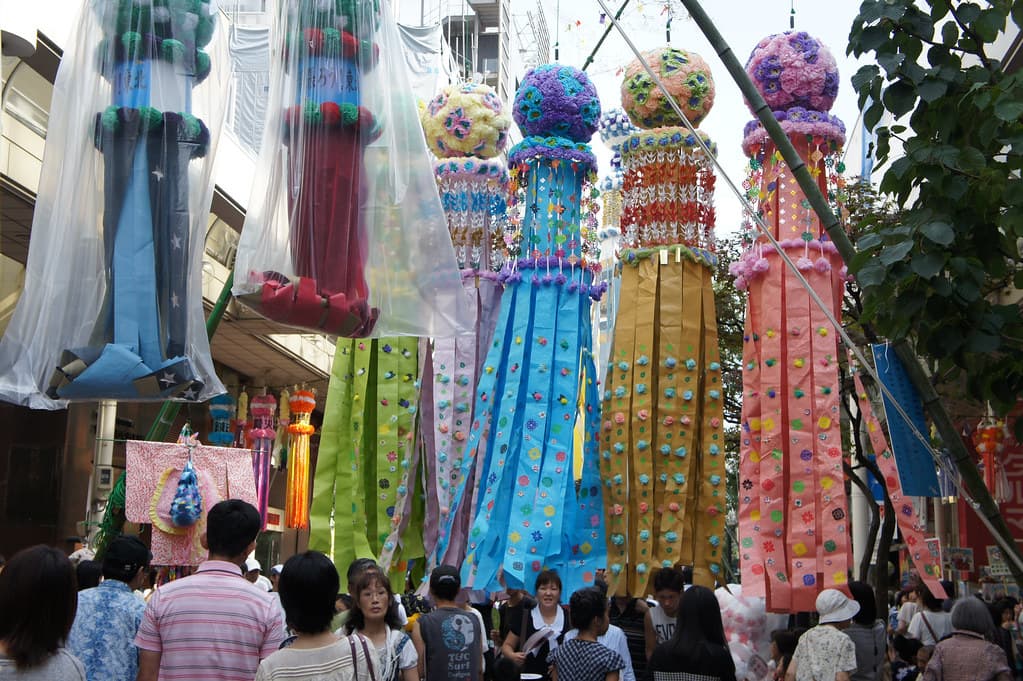
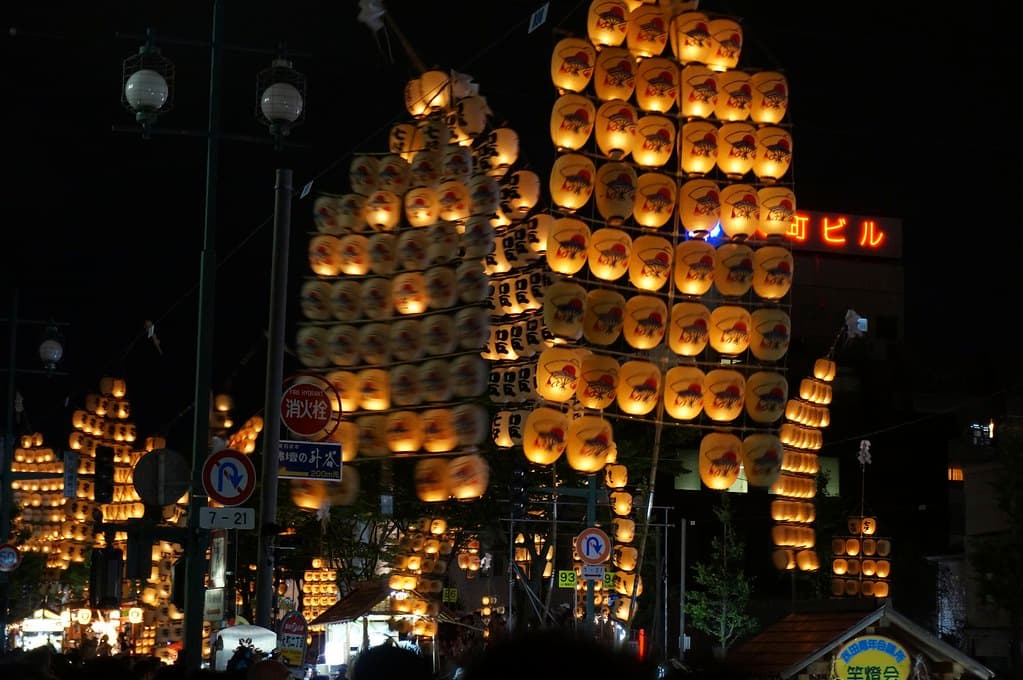
- In the north of Japan, Sendai Tanabata and Akita Kantō fill the first week of August.
Frequently asked questions
When is the Yosakoi Matsuri?
Every year from August 9 to 12, with the fireworks on the eve and the main dancing on August 10 and 11. It overlaps with Tokushima's Awa Odori in mid-August, so the two are easy to combine on a trip to Shikoku.
What are naruko?
Small wooden clappers with a handle, originally used by farmers in Kochi to scare birds away from the rice paddies. Every yosakoi dancer must carry a pair, and the clacking sound is the signature of the festival. Teams decorate theirs in their own colours.
Can visitors join a team?
Some teams welcome visitors, and the festival has run teams for international participants, who rehearse together before the festival. You need to sign up well in advance and learn the choreography. Most visitors simply watch, which is free and easy from any of the venues.