What is the Yamagata Hanagasa Matsuri?
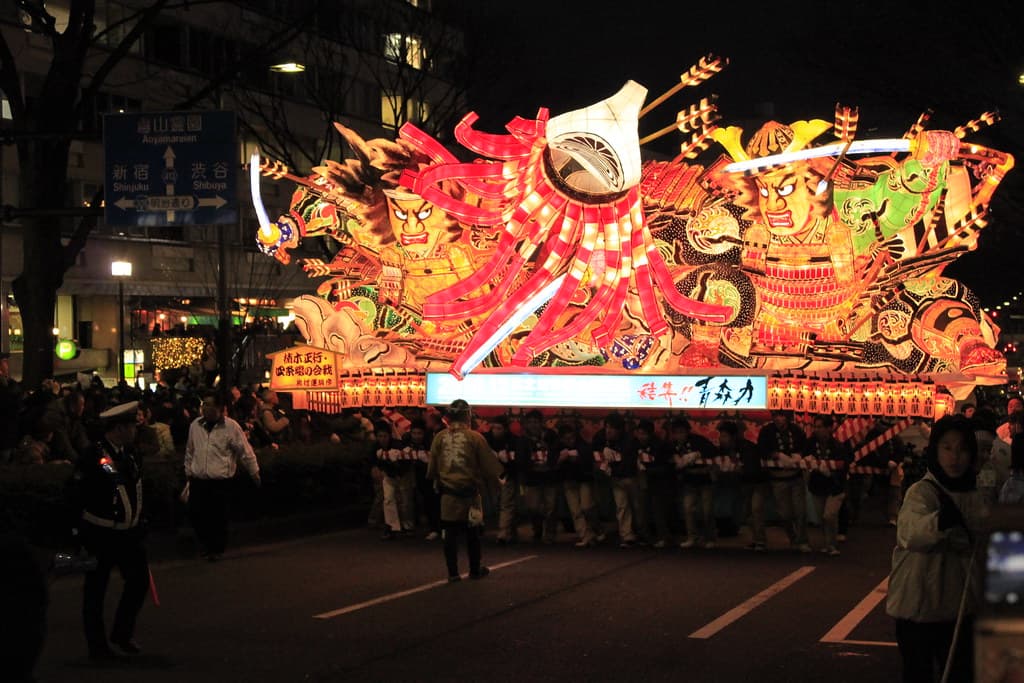
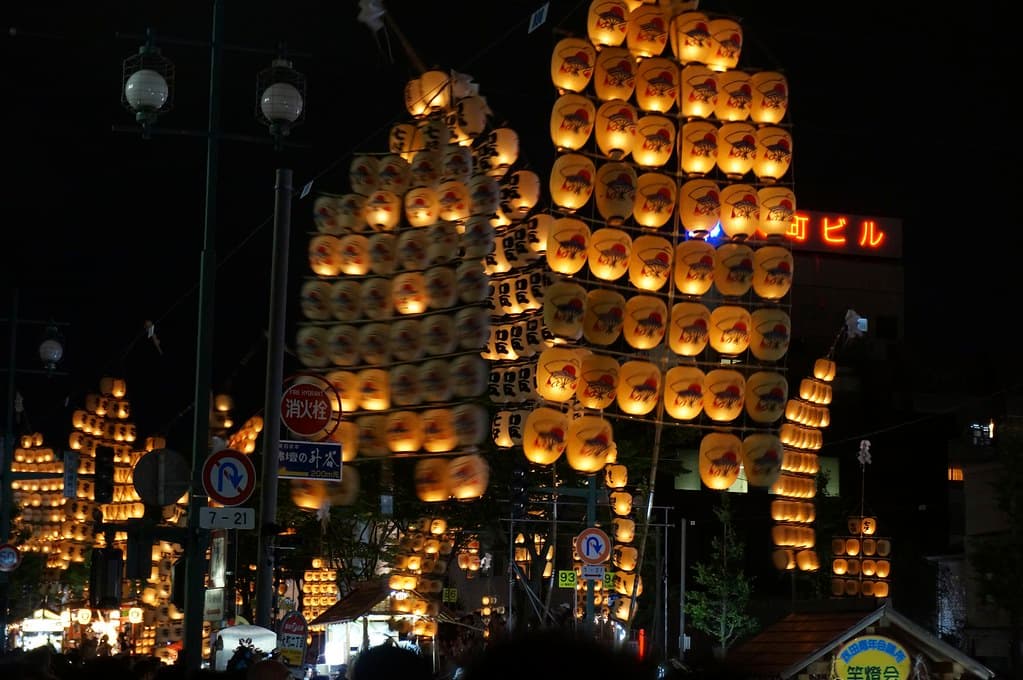
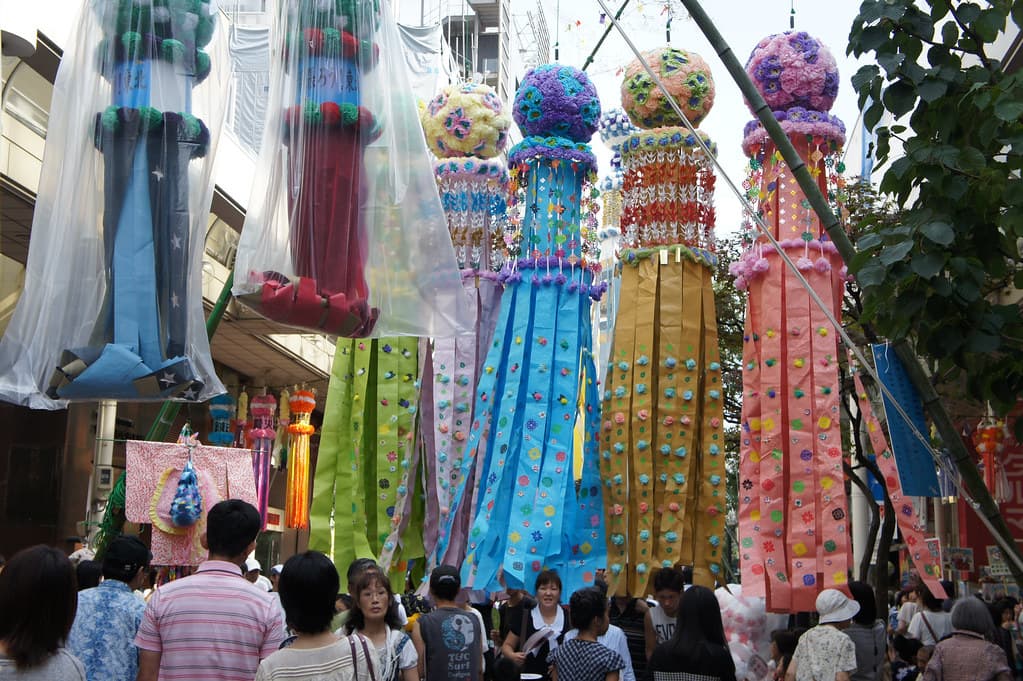
In early August, the cities of Japan's north-east, the Tohoku region, hold some of the most famous summer festivals in the country. Aomori has its giant lantern floats, Akita its towering poles of lanterns, Sendai its streamers of Tanabata. Yamagata, a city in a valley ringed by mountains, has the Hanagasa Matsuri, the Flower Hat Festival, held every year from August 5 to 7 and counted among the four great summer festivals of Tohoku.
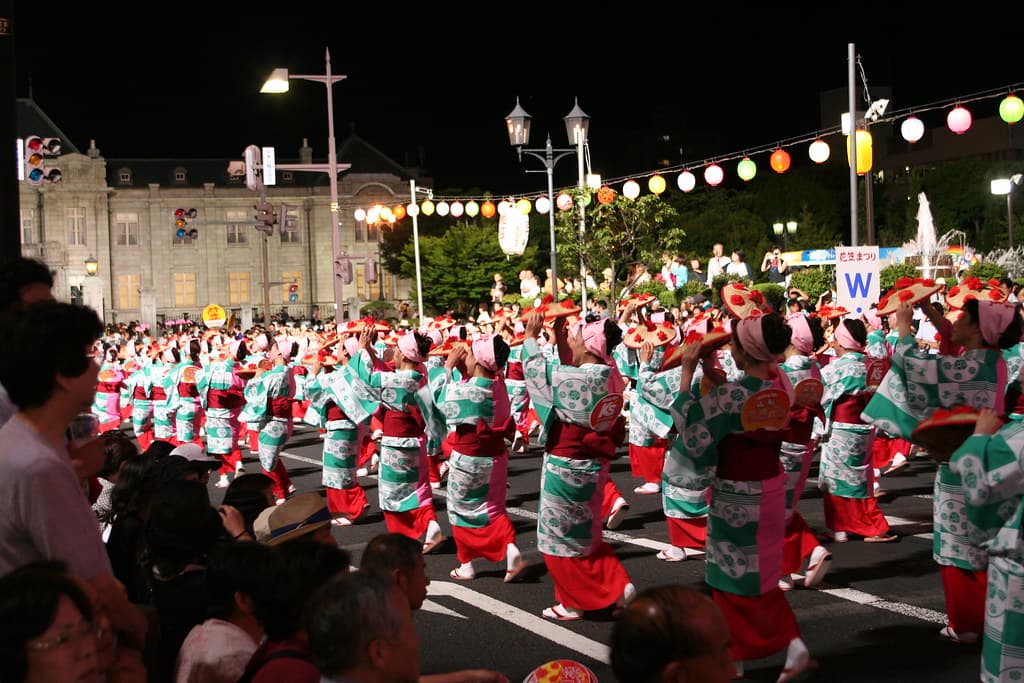
Each evening, about 10,000 dancers in some 100 to 160 groups parade through the centre of the city in matching yukata, the light summer kimono. Each one carries a hanagasa, a straw hat decorated with bright red artificial safflowers, the flower that once made Yamagata rich as the source of a precious red dye. To the beat of drums and the chant of "Yassho, makasho!", the dancers twirl, spin and wave their hats in unison, forming long rivers of colour down the lantern-lit streets.
The dance has its roots in a work song. In the north of Yamagata prefecture, labourers building the embankment of Lake Tokura in the early 20th century sang and moved to keep their rhythm as they worked, and the dance grew from those movements. The festival itself began in 1963 as part of a summer festival promoting the nearby Zao mountains, and it has grown into one of the region's biggest events, drawing huge crowds of spectators each night.
Unlike some of Tohoku's other festivals, the Hanagasa is easy to join: there is often a section of the parade where visitors can borrow a hat and dance along.
What to expect
The parade runs on three evenings, August 5 to 7, along the main streets of central Yamagata.
Late afternoon
The streets fill
Spectators line the parade route along the main avenue in the centre, as food stalls open and the dancers gather in their groups at the starting point.
Evening
The parade
The parade starts in the early evening and lasts several hours, with group after group of dancers, drummers on decorated floats and musicians keeping the rhythm.
Late evening
Dance along
Towards the end of the parade, there is often a free-entry group where visitors can join the dancers, borrowing hats and following the steps.
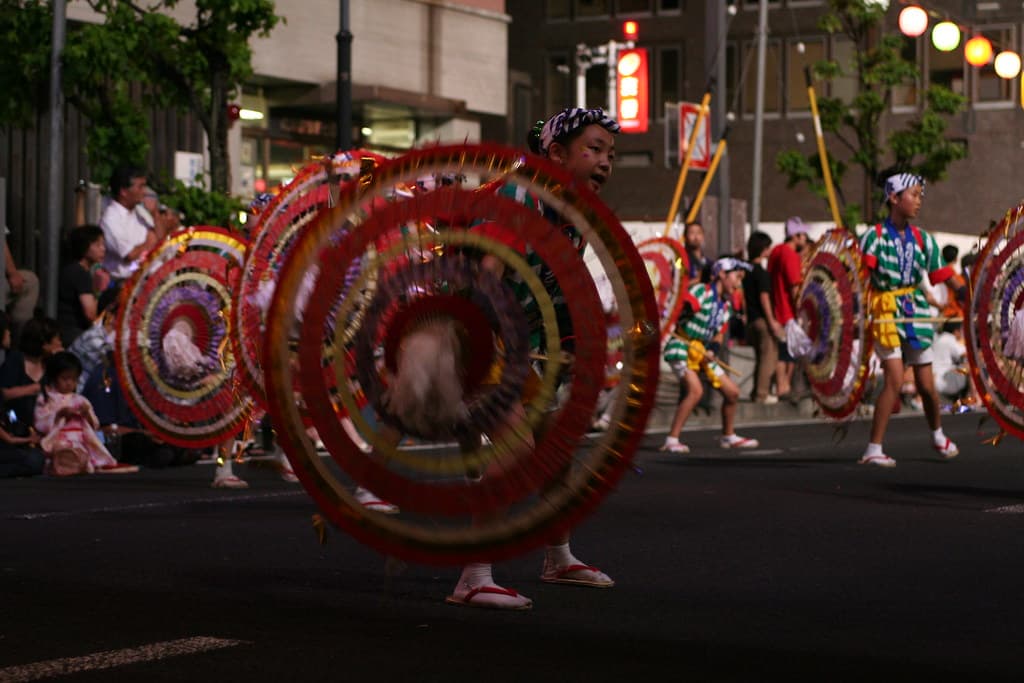
Hats spinning at the Hanagasa Matsuri
Photo by f_a_r_e_w_e_l_l / flickr · CC BY-SA 2.0
Planning your trip
Getting there
Yamagata is about two and a half hours from Tokyo on the Yamagata shinkansen. Sendai, with its airport and its own Tanabata festival in the same week, is about an hour away by bus or train. The parade route is a short walk from Yamagata station.
Where to stay
Yamagata has a good range of business hotels around the station, and Zao Onsen, a hot spring village in the mountains nearby, is a beautiful alternative. Early August is the busiest time of year in Tohoku, as many travellers visit several festivals, so book early.
What it costs
The parade is free to watch, with paid seats along part of the route. Yamagata is good value, with reasonably priced hotels and food, though prices rise during Tohoku's festival week.
Go like you know
- Combine the Hanagasa with Sendai's Tanabata, August 6 to 8, and Akita's Kanto in the same trip.
- Eat imoni, Yamagata's beef and taro stew, and the region's famous cherries if you're early in the season.
- Visit Yamadera, a mountainside temple with a thousand steps, about 20 minutes by train from Yamagata.
- Buy a hanagasa from a shop in the city centre as a souvenir; it makes a colourful reminder of the night.
- Akita's Kanto Festival, in early August, is one of Tohoku's other great summer festivals.
- For the region's giant lantern floats, see Aomori's Nebuta Matsuri, at the same time.
Frequently asked questions
When is the Yamagata Hanagasa Matsuri?
Every year from August 5 to 7, in the evenings. The dates are fixed, and in 2027 they fall on a Thursday to Saturday. The parade runs for several hours each night along the main streets of central Yamagata, starting in the early evening.
What is a hanagasa?
A hanagasa is a straw hat decorated with large red flowers representing the safflower, the plant that made Yamagata wealthy as a source of red dye. Dancers twirl and wave the hats in time with the music, and visitors can buy them as souvenirs.
Can visitors dance in the parade?
Often, yes. In recent years the festival has offered a free-entry section where anyone can join, with hats lent to participants. Spaces can be limited, so ask at the tourist office or your hotel about how to take part in the year you visit.