What is the Tinku?
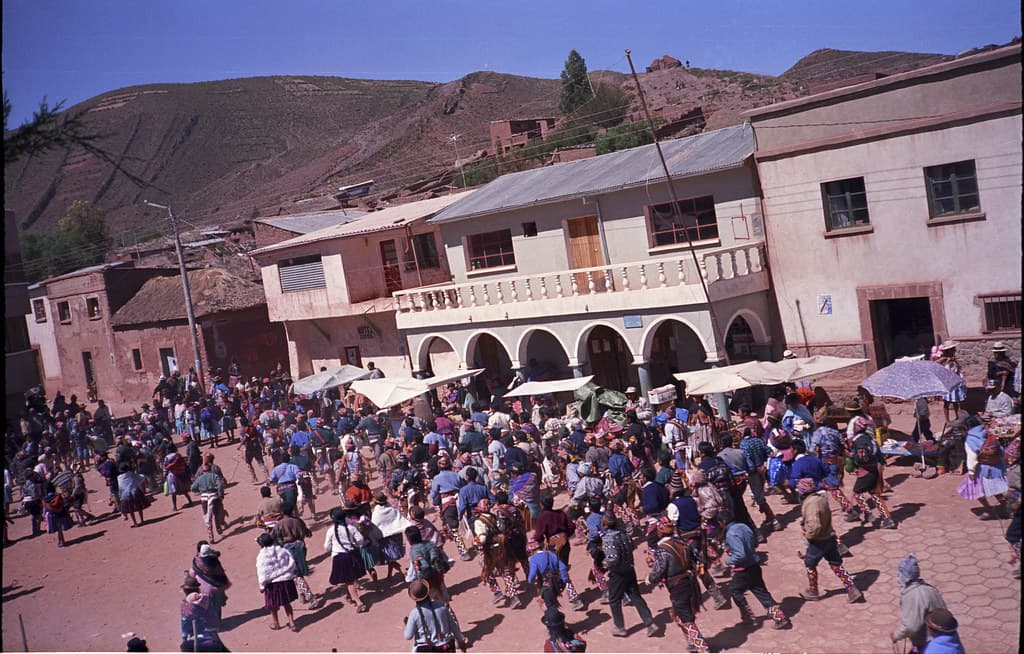
High in the Andes of northern Potosí, in Bolivia, the small town of Macha is home to one of the most intense rituals in South America. Every year in early May, during the Fiesta de la Cruz, the Festival of the Cross, thousands of people from the Quechua and Aymara communities of the region come down from the mountains to take part in the Tinku, a ritual combat between communities.
The word tinku means "encounter" in Quechua. For the communities of northern Potosí, organized in groups called ayllus, the Tinku is a meeting of opposites. Members of rival ayllus, from about 80 communities of the region, arrive in town dancing and playing music, and then fight each other in the streets and the square, mostly with their fists, in one-on-one and group combats.
The fights are not only a contest. In Andean belief, the blood shed in the Tinku is an offering to Pachamama, Mother Earth, in exchange for a good harvest in the year ahead. The ritual also renews the bonds and balances between communities, settling tensions, and its rhythm follows the calendar of the agricultural year.
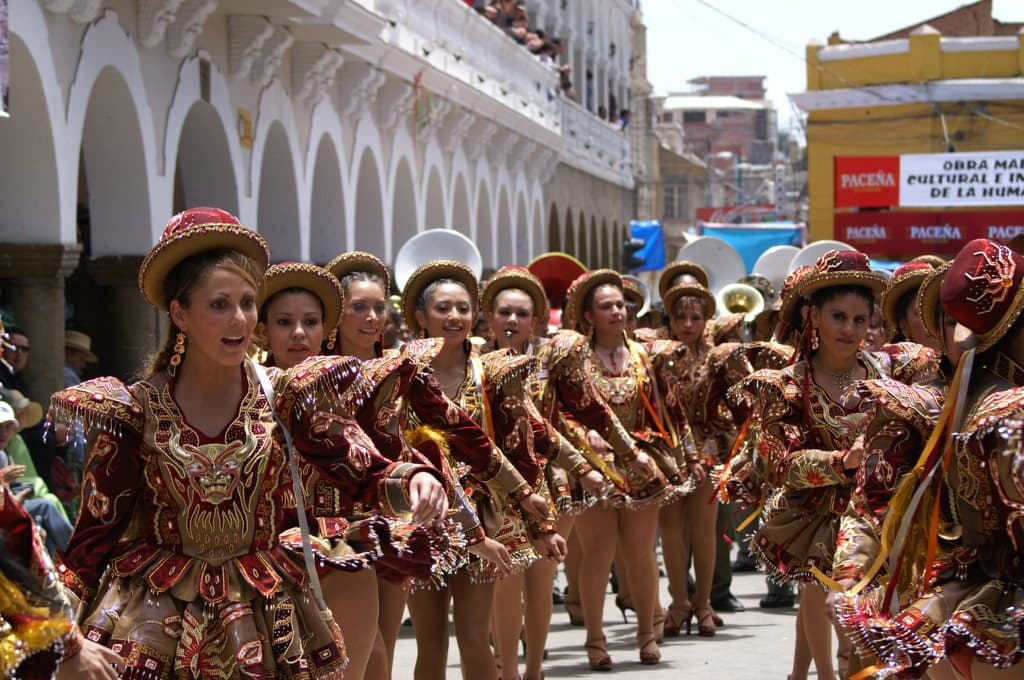
The Tinku is also a festival of music, colour and dance. Fighters wear helmets called monteras, inspired by the helmets of Spanish conquistadors, and colourful woven clothes. The dance that accompanies the march into battle, with its stomping steps and fists raised, has spread across Bolivia as the Tinkus dance, now one of the most popular dances at the great carnivals of Oruro and La Paz.
It is not a show staged for visitors. The Tinku is a living ritual, often violent and fuelled by alcohol, in which injuries are common and deaths occur, and outsiders who attend do so at their own risk.
What to expect
The Tinku takes place over several days around the Fiesta de la Cruz, from May 3, with the fights at their peak over the first days of the festival.
Arrival
The communities descend
Communities arrive in Macha from the surrounding mountains, dancing and playing panpipes and charangos, in long processions through the streets.
Main days
The fights
Members of rival ayllus face each other in the streets and the square, in one-on-one and group combats, while others dance, drink and watch. Police separate fighters when the fights get out of hand.
Final days
Celebrations
The festival continues with music, dancing, drinking and visits between families, before the communities return to their villages.
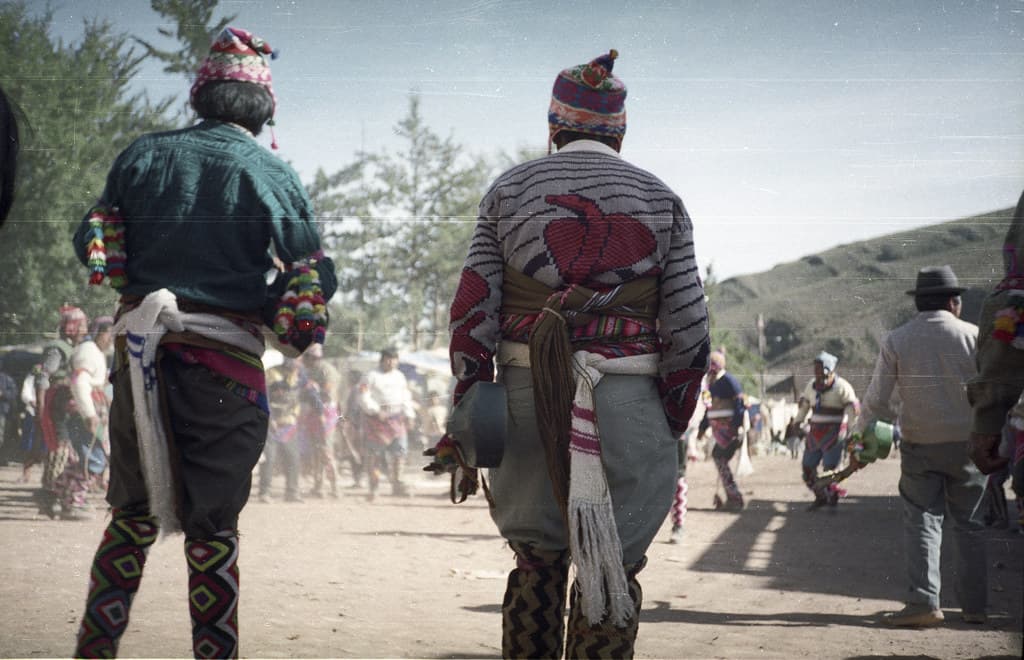
The tinku in Macha, northern Potosí
Photo by Guttorm Flatabø / flickr · CC BY 2.0
Planning your trip
Getting there
Macha is a remote town in the north of the Potosí department, several hours by road from Potosí or Sucre, the nearest cities with tourist services. Roads are rough and transport is limited, so most visitors join a guided trip from one of these cities.
Where to stay
Accommodation in Macha is very basic and scarce during the festival. Most visitors stay in Potosí or Sucre and travel to Macha with a tour operator, returning the same day or staying overnight in simple lodgings arranged by the guide.
What it costs
There is no entry fee. Bolivia is one of the cheapest countries in South America to travel in, but guided trips to Macha cost more than local transport, and are worth it for the safety and context they provide.
Go like you know
- Dress warmly; Andean nights are cold, even in May.
- Ask before taking photos of people, and respect a refusal; this is a sacred ritual, not a show.
- Spend a few days in Potosí or Sucre beforehand to acclimatize to the altitude.
- See the Tinkus dance in its more festive form at the Carnaval de Oruro, in February or March.
- Peru's Virgen del Carmen in Paucartambo, in July, is another great Andean festival of masks and dance.
Frequently asked questions
When is the Tinku?
During the Fiesta de la Cruz in early May, with the main days usually from May 3 to 5. The exact programme is not published in advance and can vary from year to year, so check with a guide or tour operator in Potosí or Sucre before planning your trip.
Is it safe for visitors to attend?
The Tinku is risky. Fights can get out of hand, alcohol fuels tensions, and outsiders are not always welcome. Visitors who attend should go with a local guide, keep their distance from the fights, avoid drinking heavily, and leave if the atmosphere turns. It is not suitable for children.
Why do people fight in the Tinku?
The fights are a ritual encounter between communities. In Andean belief, the blood shed is an offering to Pachamama, Mother Earth, in exchange for a good harvest. The Tinku also settles tensions and renews the balance between rival ayllus, which is why it continues despite its dangers.