What is the Festa di Sant'Efisio?
In the 1650s, plague swept through Sardinia and killed a large part of the population of Cagliari, the island's capital. The city turned to Saint Efisio, a Roman soldier who, according to tradition, converted to Christianity and was martyred at Nora, on the coast south of Cagliari, in the year 303. Cagliari made a solemn vow: if the plague ended, the city would carry the saint's statue in procession to the place of his martyrdom every year. The plague ended, and the city has kept its promise ever since.
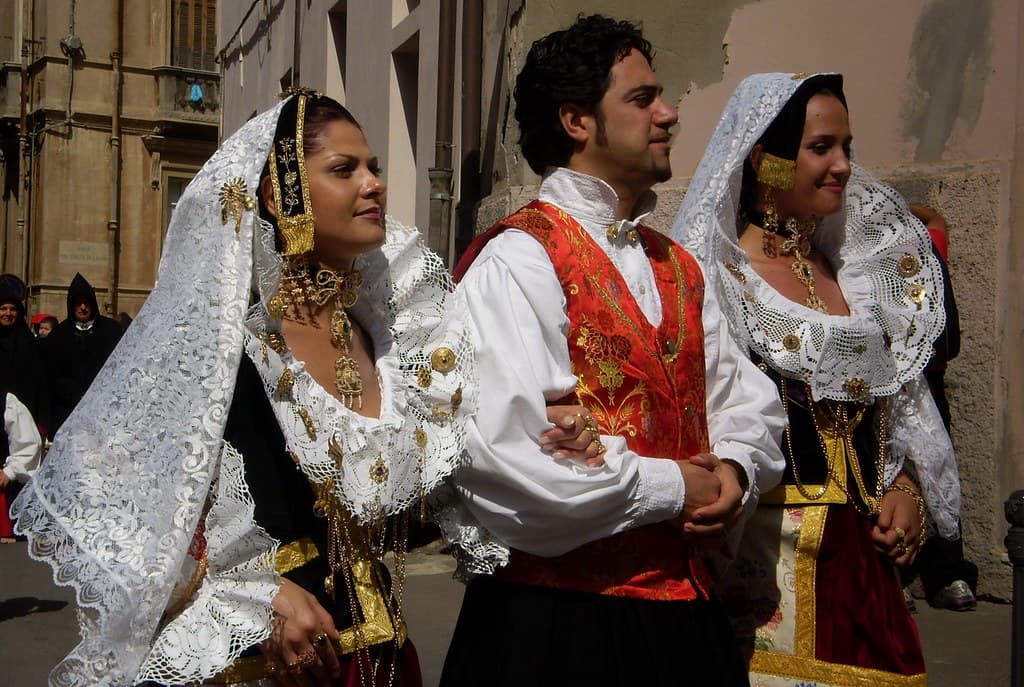
Today the Festa di Sant'Efisio is the greatest procession in Sardinia, and one of the most beautiful in Italy. On the morning of May 1, the saint leaves his small church in Stampace, Cagliari's old quarter, on a gilded carriage pulled by oxen. Ahead of him walks a vast parade: thousands of people in the traditional costumes of their towns and villages, each different, in lace, velvet, embroidery and gold filigree jewellery; traccas, ox carts decorated with flowers and fruit; horsemen in their local dress; the miliziani, the saint's armed escort; and musicians playing the launeddas, Sardinia's ancient triple-reed pipes.
As the saint passes, the streets are carpeted with rose petals, a custom called sa ramadura. Then, at the edge of the city, the procession becomes a pilgrimage. Devotees accompany the saint on foot along the coast, through villages that welcome him with Masses and celebrations, to Nora, some 40 kilometres away, and back again, returning to Cagliari by torchlight on the night of May 4.
In recent editions, more than 2,500 people in traditional dress, dozens of groups of horsemen and some 17 traccas have taken part, making the procession a living museum of Sardinia's regional costumes.
What to expect
The festival runs from May 1 to May 4, with the great procession in Cagliari on the first day.
May 1 morning
The procession
From mid-morning, the traccas, costumed groups, horsemen and militia parade through the old streets of Stampace and the city centre, followed by the saint's carriage, as rose petals are scattered in its path.
May 1 to 3
The pilgrimage to Nora
The saint leaves the city and is carried along the coast through Sarroch and Pula to Nora, with devotees walking alongside and villages holding Masses and feasts on the way.
May 4 night
The return
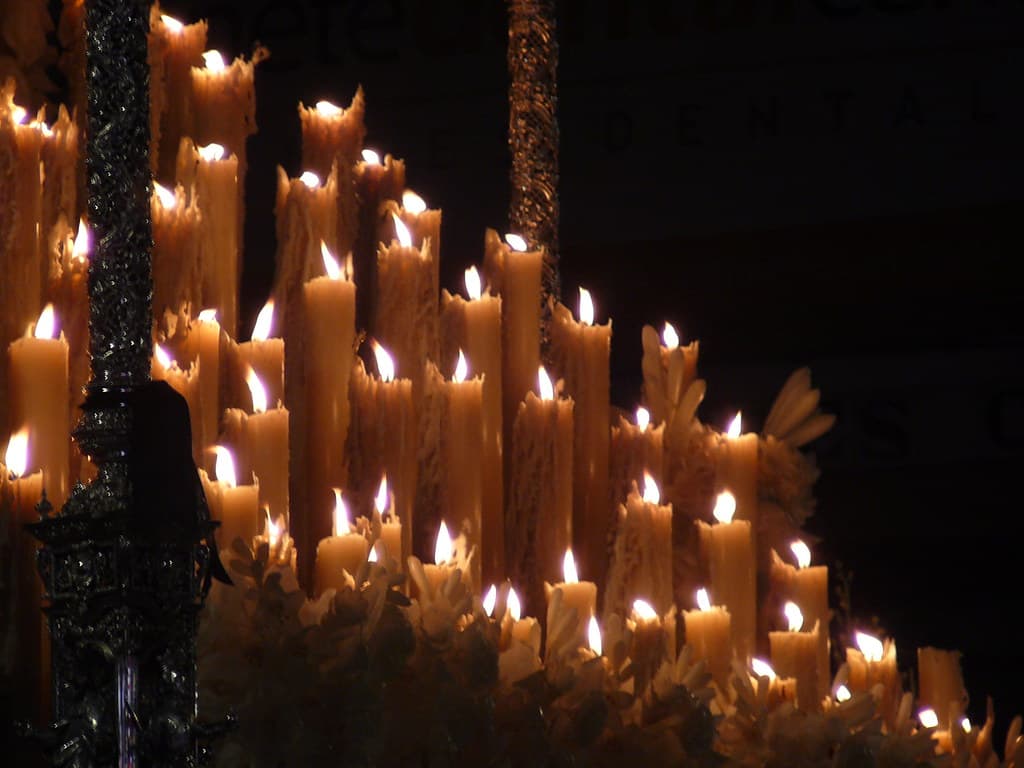
The saint returns to Cagliari in the evening, welcomed by crowds and candles, and is carried back to his church in Stampace late at night.
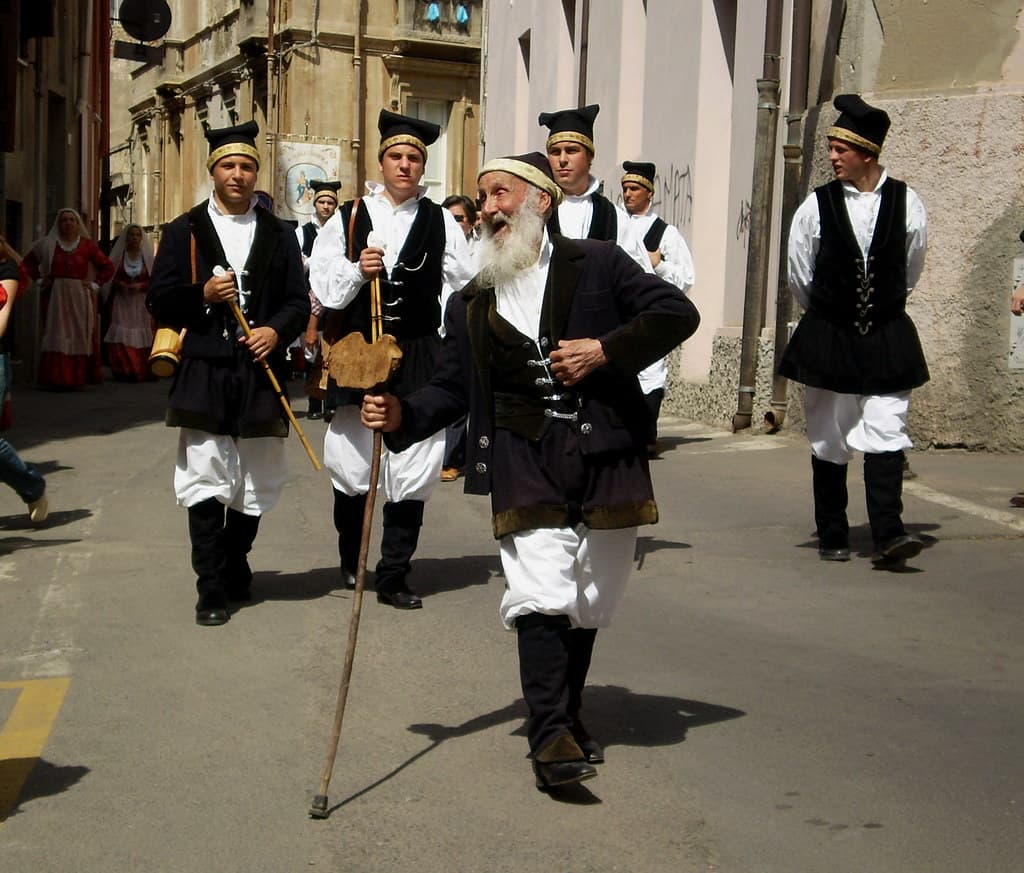
Walking in the procession through Cagliari on May 1
Photo by cristianocani / flickr · CC BY 2.0
Planning your trip
Getting there
Cagliari's airport has flights from mainland Italy and across Europe, with a train link to the city centre in a few minutes. Ferries connect Cagliari with Civitavecchia, Naples and Palermo. The procession route is in the heart of the city and easily reached on foot.
Where to stay
Stampace, the Marina district and the streets around Via Roma are the most convenient. May 1 is a holiday weekend, and rooms fill early. The beaches of Poetto, a short bus ride away, are an option for combining the festival with a seaside break.
What it costs
Watching the procession is free, with paid seats in the grandstands along the route. Cagliari is good value compared with mainland Italian cities, with inexpensive food and moderately priced rooms, though prices rise for the May Day weekend.
Go like you know
- Listen for the launeddas, the triple pipes of Sardinia, an instrument thousands of years old.
- Look closely at the costumes and jewellery; each village's dress is different, and many are family heirlooms.
- Walk part of the pilgrimage route on May 2 or 3 to see the saint welcomed in the villages.
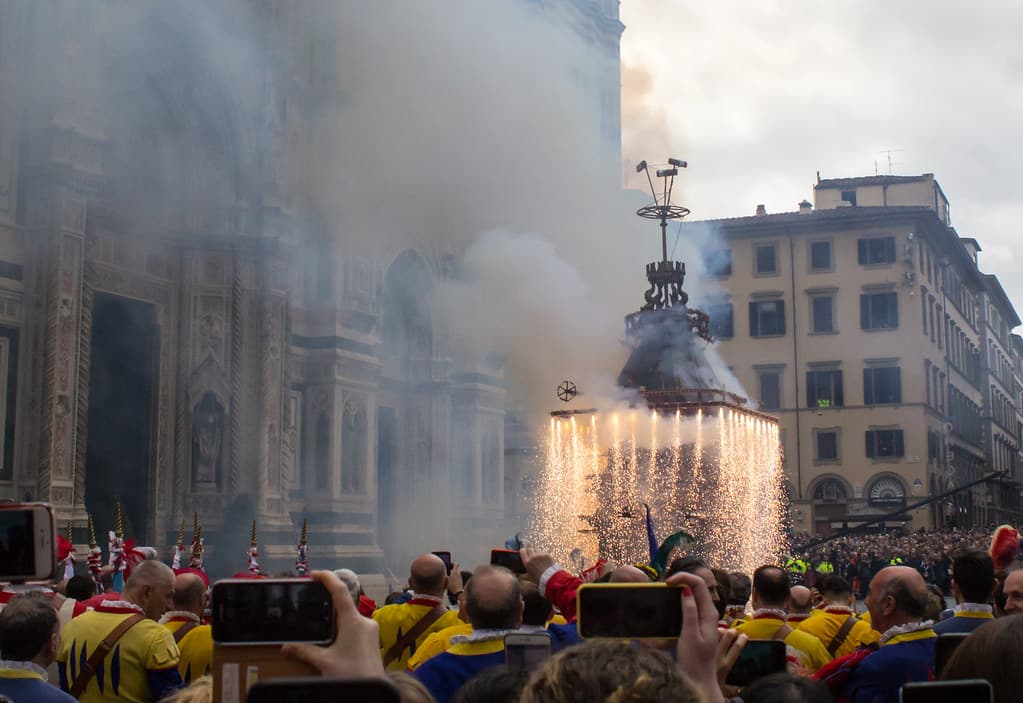
- Florence's Scoppio del Carro is Italy's great Easter tradition, with an ox-drawn cart of fireworks.
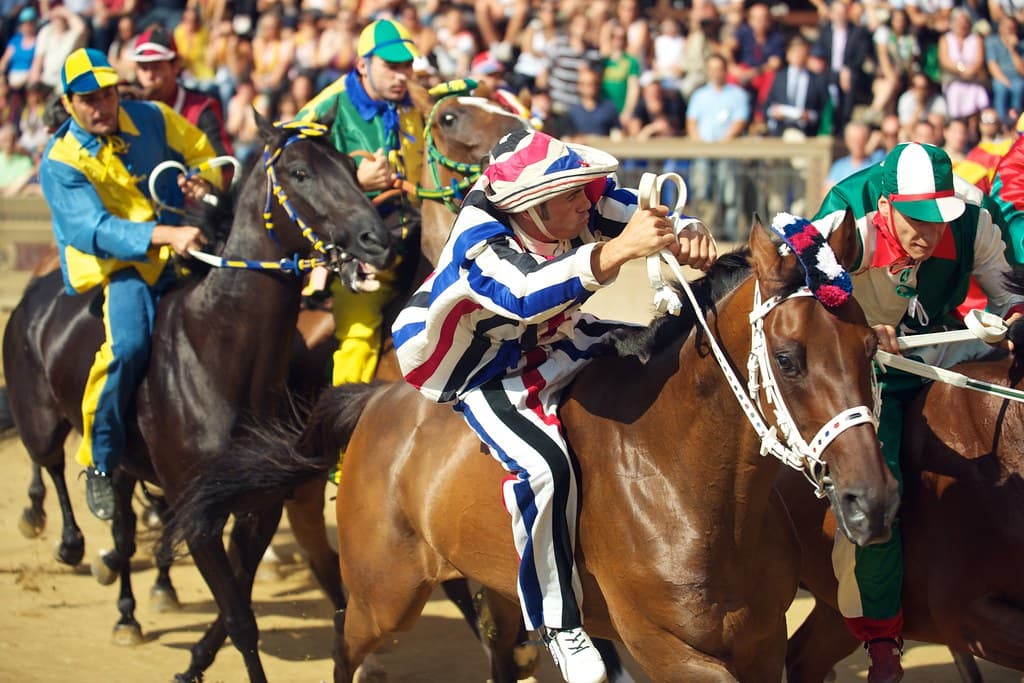
- For another of Italy's historic pageants, see the Palio di Siena, in July and August.
Frequently asked questions
When is the Festa di Sant'Efisio?
Every year from May 1 to May 4. The great procession through Cagliari is on the morning of May 1, the saint reaches Nora on the following days, and he returns to Cagliari on the night of May 4. The dates are the same every year, keeping the city's centuries-old vow.
What are the traccas?
Traccas are traditional ox carts, decorated with flowers, fruit, bread and household objects, that open the procession. Once used to carry families and goods in rural Sardinia, they now carry people in traditional dress and are among the most photographed sights of the day.
Do I need tickets?
No. Watching the procession from the street is free. Grandstand seats are sold along the main part of the route for those who want a guaranteed view and some shade. For the pilgrimage to Nora, anyone can follow along on foot, as devotees do every year.