What is the Regata Storica?
Venice was built on rowing. For centuries, the city's power at sea depended on its oarsmen, and races between boats were part of Venetian life from at least the 13th century, when they were held during the city's festivals. The Regata Storica, the Historical Regatta, held on the Grand Canal on the first Sunday of September, is the most famous of these races today, and the high point of the Venetian rowing year.
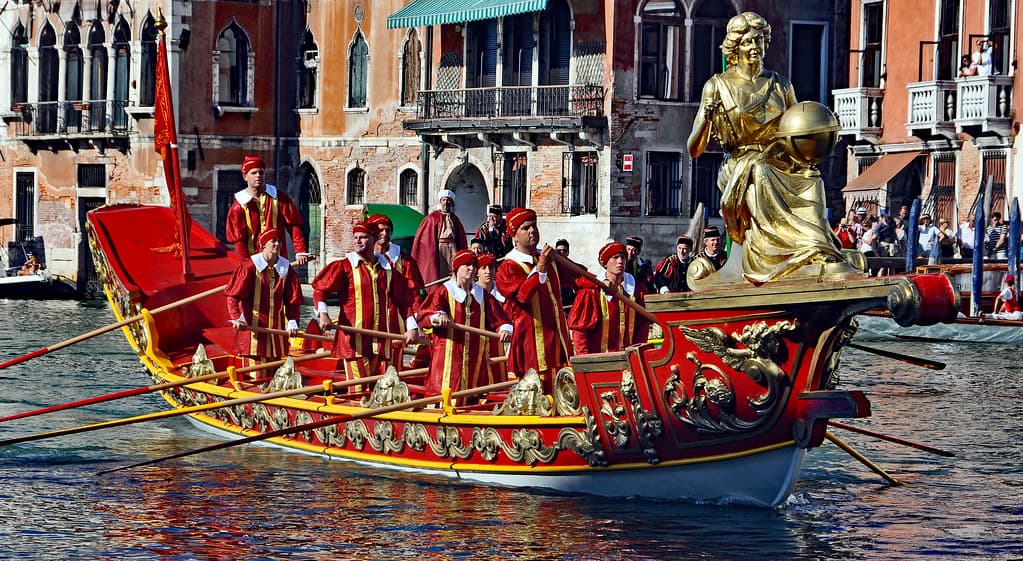
It begins with a pageant. The corteo storico, the historical procession, recalls the welcome given in 1489 to Caterina Cornaro, the Venetian noblewoman who became Queen of Cyprus and gave up her kingdom to the Republic of Venice. Dozens of traditional boats glide up the Grand Canal, rowed by Venetians in Renaissance costume: the bissone, long ceremonial boats decorated with gilded carvings, used only for such occasions; gondolas carrying the queen, the doge and their courts; and the boats of Venice's rowing clubs.
Then come the races, rowed in the Venetian style, standing and facing forward. There are races for young rowers, for women, and for the caorline, heavy six-oared boats, and the day ends with the race of the gondolini, light, fast racing gondolas rowed by two champions, the most prestigious title in Venetian rowing. The races finish in front of the machina, a floating stage at the bend of the Grand Canal by Ca' Foscari, where the winners receive their prize flags.
For one afternoon, the city's main street becomes a stadium. Venetians cheer for their rowers from the banks, the bridges, the windows and balconies of the palaces, and from boats moored along the canal, and visitors see Venice at its most Venetian.
What to expect
The regatta takes up the afternoon of the first Sunday of September, and the Grand Canal is closed to traffic for the day.
Early afternoon
The historical pageant
The corteo storico sets out from the San Marco basin and makes its way up the Grand Canal, a slow parade of gilded bissone, gondolas and costumed rowers, with the queen's boat at its heart.
Afternoon
The races
The races follow one after another, from the young rowers' and women's races to the caorline, each racing up the Grand Canal, around a turning post, and back to the finish at the machina.
Late afternoon
The gondolini
The final race, the gondolini, is the one everyone waits for, with the city's champion pairs racing for the title. The crowd along the banks follows every stroke.
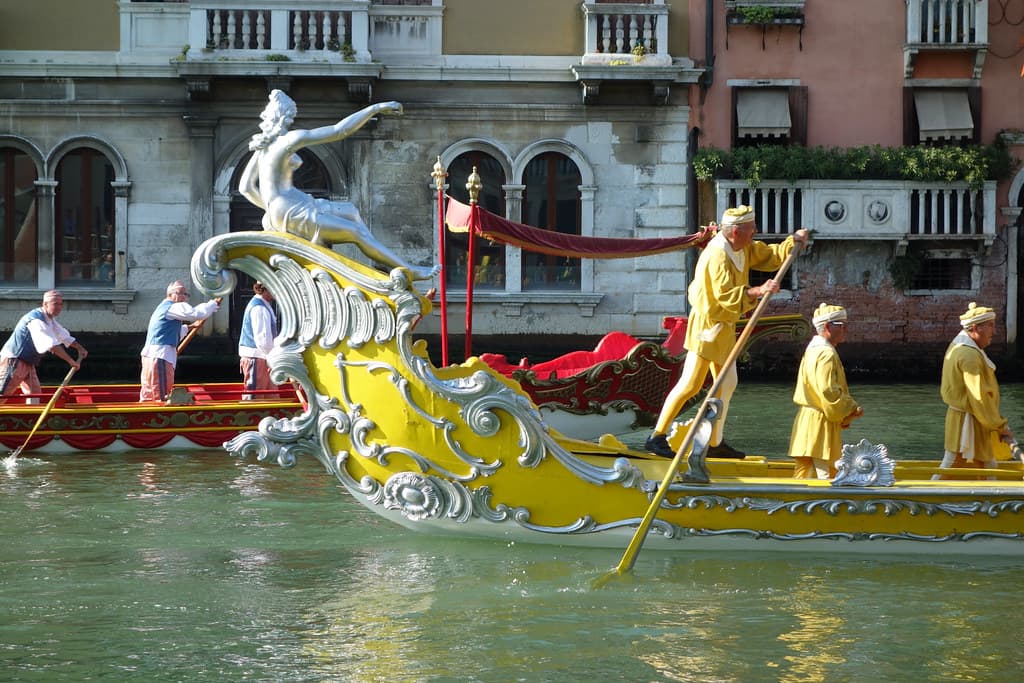
A ceremonial boat in the historical pageant on the Grand Canal
Photo by Jon Mountjoy / flickr · CC BY 2.0
Planning your trip
Getting there
Venice's Marco Polo airport is across the lagoon, connected by bus to Piazzale Roma and by water bus to the city. Trains from across Italy arrive at Santa Lucia station, on the Grand Canal itself. On regatta day, the Grand Canal is closed to boats during the event, so water buses take other routes; plan to walk.
Where to stay
Anywhere in central Venice is within walking distance of the Grand Canal, but hotels with canal views are expensive and book up early. Mestre, on the mainland, is cheaper and a short train or bus ride away, and the Lido is an option too, though it is busy in early September, when it hosts the Venice Film Festival.
What it costs
The regatta is free to watch from the banks, with paid seats in the grandstands. Venice is one of Europe's most expensive cities, especially for accommodation, and early September is high season. Eating and staying away from the main sights saves money.
Go like you know
- Cheer for a colour: each boat in the race is identified by a colour, and Venetians follow their favourites by them.
- Try a cicchetto, a small Venetian snack, with a spritz in a bacaro, a traditional wine bar, before the regatta.
- Take a traghetto, a gondola ferry across the Grand Canal, on another day; it costs a few euros and is how Venetians cross the canal.
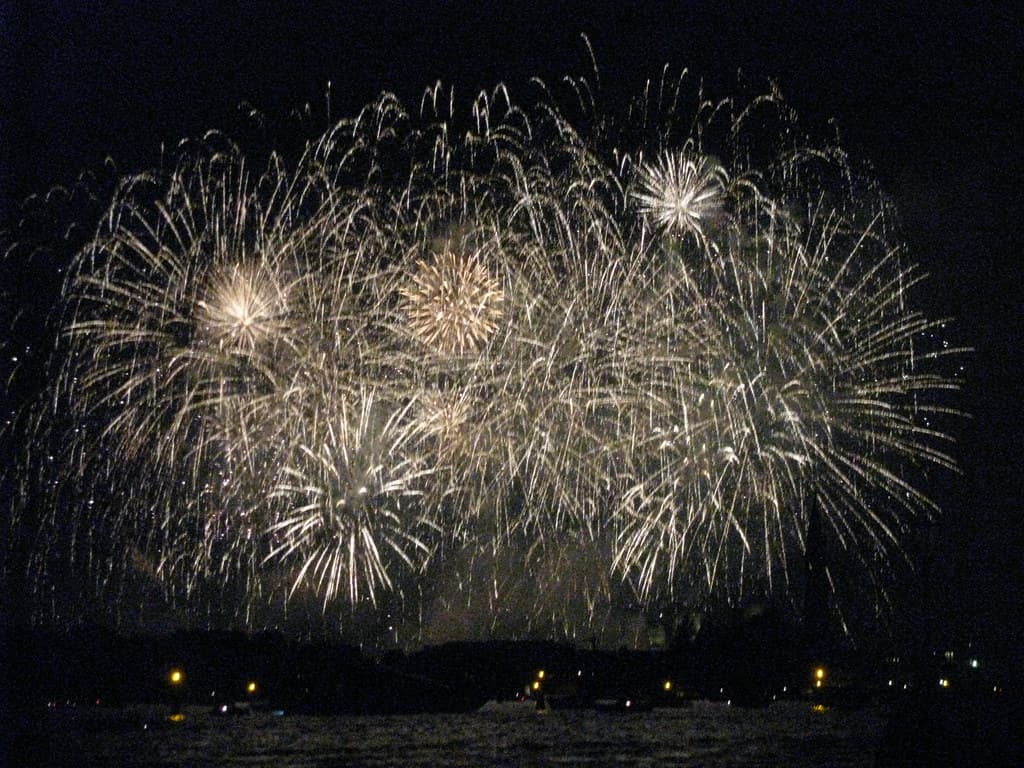
- Venice's summer festival of fireworks on the water is the Festa del Redentore, in July.
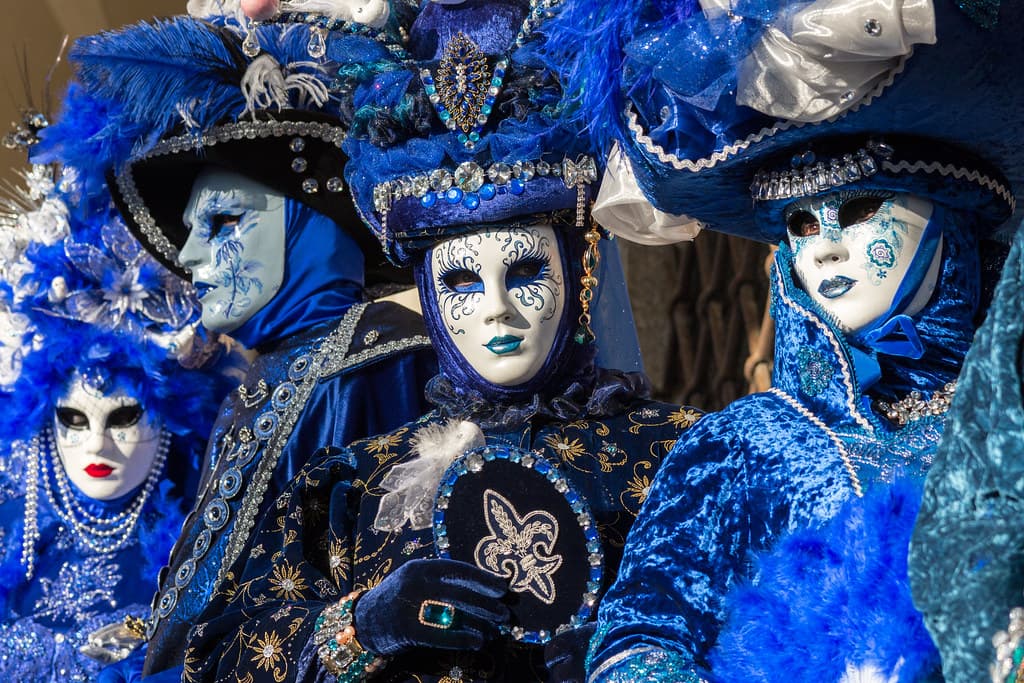
- For the city's most famous celebration, see the Venice Carnival, before Lent.
Frequently asked questions
When is the Regata Storica?
On the first Sunday of September every year, in the afternoon. In 2026 it was held on September 6, and in 2027 it is expected on September 5, following the same rule. Check the city's official events calendar for the programme and timetable.
What are the bissone?
The bissone are long, narrow ceremonial boats, decorated with carved and gilded figures and rowed by crews in costume. They are only used for special occasions such as the Regata Storica, and they lead the historical pageant, clearing the way along the Grand Canal for the procession.
Where is the best place to watch?
Near the machina, the floating stage at Ca' Foscari, where the races finish, or at the Rialto. Both are crowded, so arrive early. Paid grandstand seats are sold along the route, and some restaurants and hotels on the canal offer tables or terraces with views.