What is the Ommegang?
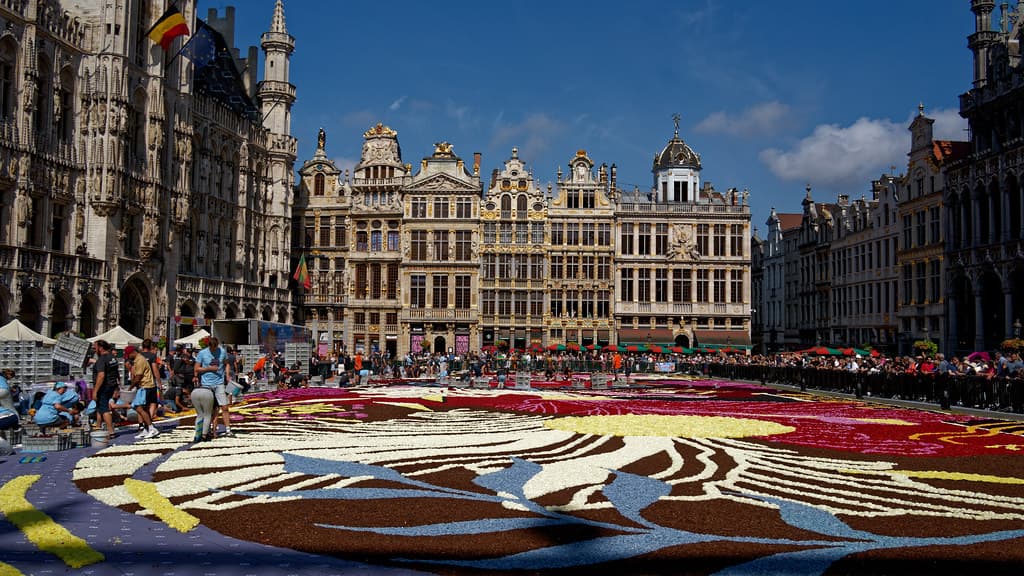
The Grand-Place of Brussels, framed by its gilded guildhalls and Gothic town hall, is one of the most beautiful squares in Europe. For two summer evenings each year, it becomes the stage for the Ommegang, a vast historical pageant that recreates the procession held in Brussels in June 1549 in honour of Emperor Charles V and his son, the future Philip II of Spain.
The Ommegang's roots go back even further. In the 14th century, a procession began in honour of a statue of the Virgin Mary that, according to legend, had been brought to Brussels from Antwerp by boat, and was kept in the church of Our Lady of the Sablon. Over time it grew into the great civic event of the city, with guilds, crossbowmen and nobles marching together, and by 1549 it had become a show of power and splendour before the emperor. The tradition faded in the 18th century but was revived in 1930 as a historical reenactment.
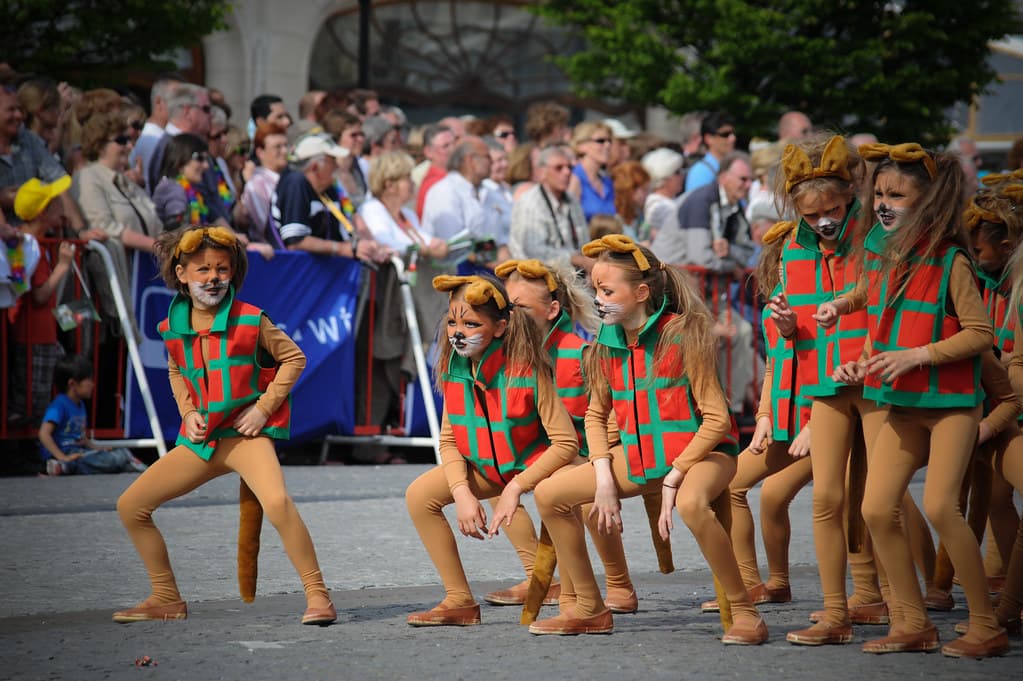
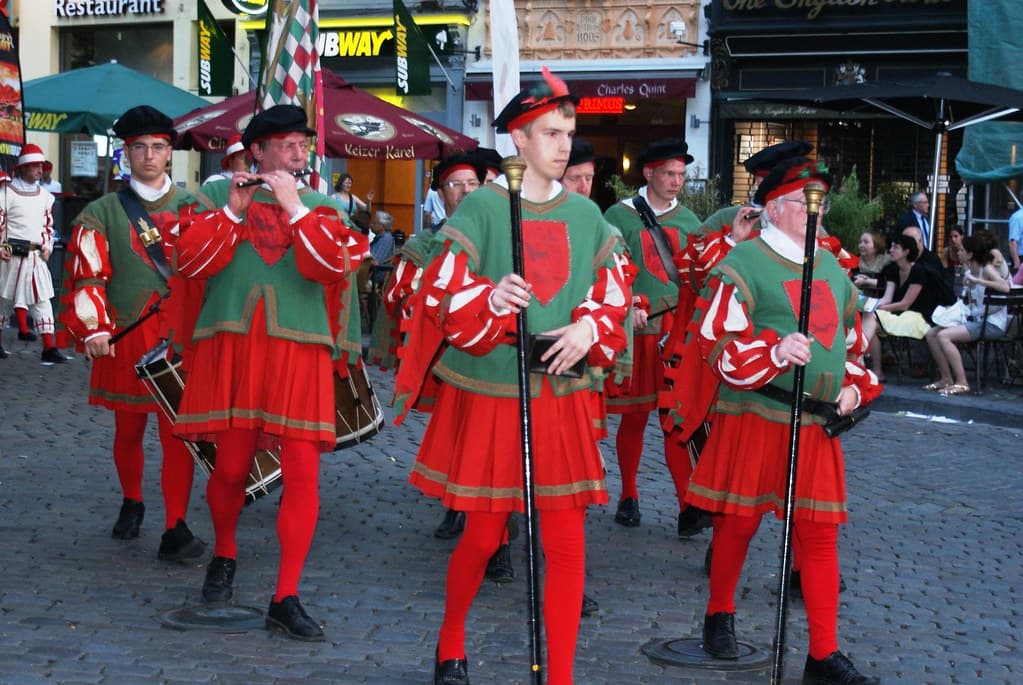
Today about 1,400 people take part, many of them descendants of noble families, members of the city's historic guilds and crossbow guilds, and volunteers from across Brussels. Dressed in sumptuous Renaissance costumes, they parade from the Sablon to the Grand-Place with flag-wavers, horsemen, giants, stilt-walkers and musicians, before the evening show in the square, where the emperor and his court take their seats to watch. In 2019, UNESCO recognized the Ommegang as part of the intangible cultural heritage of humanity.
Around it, the Sablon hosts a Renaissance village with jousts, crafts and food, making the festival a few days of living history.
What to expect
The Ommegang takes place over a few days around the start of July, with the procession and show on two evenings.
During the week
The Renaissance village
The Sablon hosts a Renaissance market and village, with jousts, crossbow competitions, music and food, open to everyone.
Evening
The procession
The historical procession sets out from the Sablon and winds through the streets to the Grand-Place, with costumed guilds, nobles, horsemen, flag-wavers and giants.
Night
The show on the Grand-Place
In the square, the procession becomes a show before the emperor and his court, with music, horses, stilt fights and flag-throwing, as the lights come up on the guildhalls.
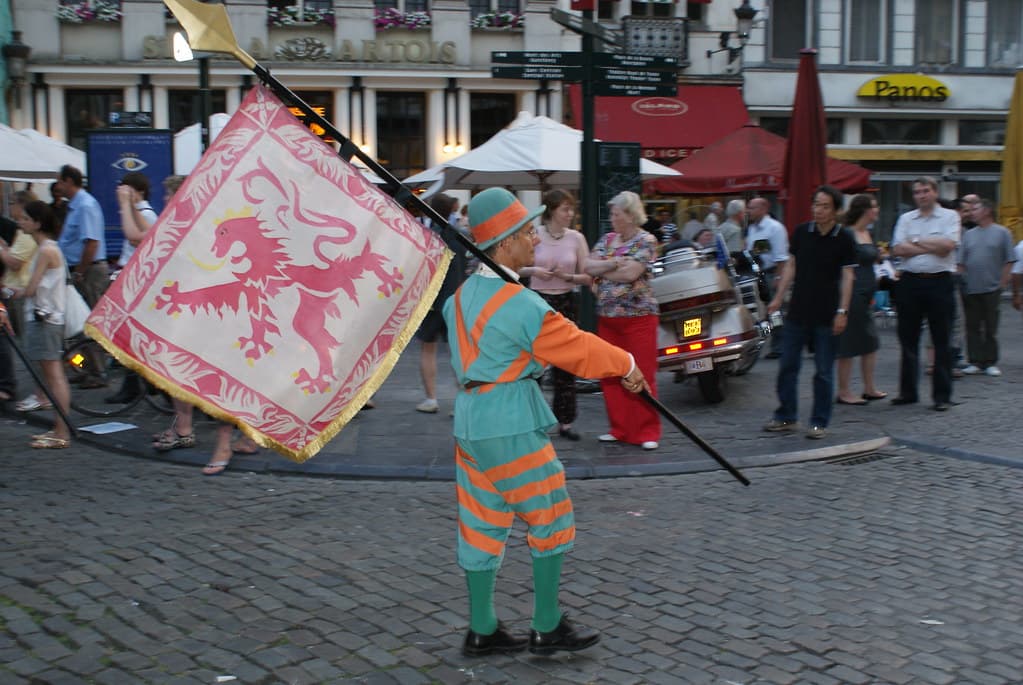
Flag-wavers in the Ommegang procession
Photo by David Spender / flickr · CC BY 2.0
Planning your trip
Getting there
Brussels is well connected by high-speed trains to Paris, London, Amsterdam and Cologne, and its main airport is a short train ride from the city centre. The Grand-Place and the Sablon are a few minutes' walk from Brussels Central station.
Where to stay
Anywhere in the centre is within walking distance of the Grand-Place and the Sablon. Hotels around the square are expensive, but Brussels has a wide range of options, and early July is not peak season for business travel.
What it costs
Watching the procession and visiting the Renaissance village are free. Tickets for the show on the Grand-Place range in price depending on the seat. Brussels is moderately priced for a capital, with excellent food at all budgets.
Go like you know
- Have a beer on a terrace of the Grand-Place before the procession, and watch the square fill.
- Look for the crossbow guilds, some of the oldest institutions in the city, still active today.
- Visit the church of Our Lady of the Sablon, where the story of the Ommegang began.
- Try the waffles and the speculoos biscuits sold around the Sablon, and the chocolate shops that line the square.
- Look up at the guildhalls of the Grand-Place, many of which belonged to the very guilds that march in the procession.
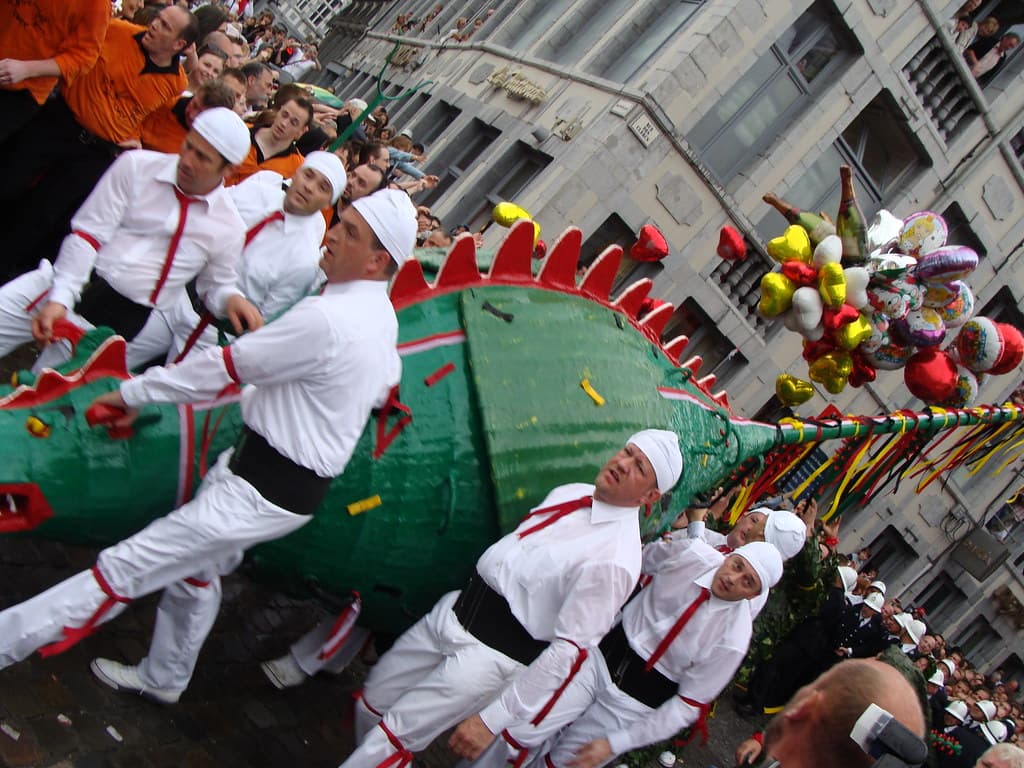
- Mons's Ducasse, in May or June, is Belgium's other great processional festival.
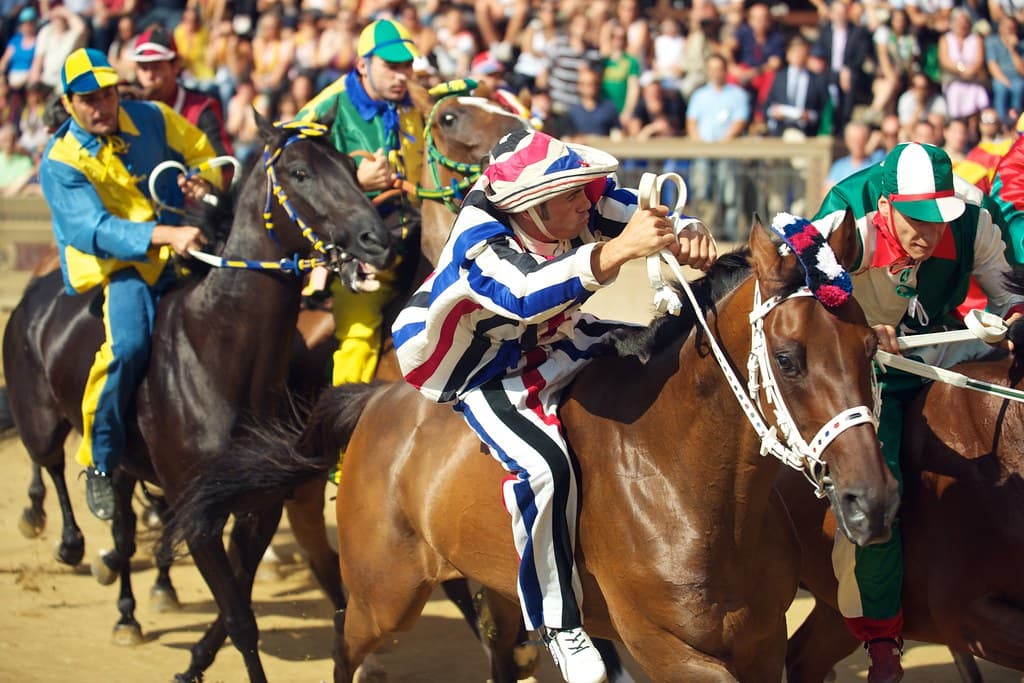
- For another historic pageant, see the Palio di Siena, in July and August.
Frequently asked questions
When is the Ommegang?
On two evenings around the turn of June and July. In 2026 the procession and show took place on July 1 and 3, with the Renaissance village on the Sablon from July 1 to 4. The 2027 dates are announced by the organizers; expect a similar week.
What does Ommegang mean?
Ommegang is an old Dutch word meaning "walking around", referring to the procession that circled the city. The modern pageant recreates the procession of 1549 for Emperor Charles V, which grew out of a much older religious procession in honour of the Virgin of the Sablon.
Who takes part?
About 1,400 people, including members of historic guilds and crossbow societies, descendants of noble families who play their ancestors, horsemen, musicians and volunteers from Brussels. Many families have taken part for generations, and some roles are passed down from parent to child.