What is the Nashik Kumbh Mela?
The Kumbh Mela is the largest religious gathering on earth: a pilgrimage in which millions of Hindus come to bathe in a sacred river at a moment the stars mark as especially holy, believing it washes away sin. It moves between four places in India, Prayagraj, Haridwar, Ujjain and Nashik, and each one hosts it only once every twelve years. In 2027 it is Nashik's turn.
The story behind it comes from the Puranas. When the gods and demons churned the ocean for amrita, the nectar of immortality, drops of it fell at four places on earth, and those are the sites of the Kumbh. At Nashik, in Maharashtra, the gathering is called the Simhastha, because it falls when the planet Jupiter is in Leo, Simha in Sanskrit. It is held on the Godavari river, at Ramkund in the city of Nashik and at the temple town of Trimbakeshwar, near the river's source in the hills.
The two sites have their own history. Until 1789 the fair was held only at Trimbakeshwar, but a clash between rival orders of ascetics led the Maratha rulers to send the Vaishnava orders to bathe at Nashik, while the Shaiva orders kept Trimbakeshwar. The split remains: each holy bathing day takes place at both. The last Nashik Kumbh, in 2015, drew close to 30 million visits.
What to expect
The Simhastha formally runs from a flag-hoisting on October 31, 2026 to July 2028, but the heart of it is a few weeks in the summer of 2027, built around three great bathing days, the Amrit Snan.
July 29
The city procession
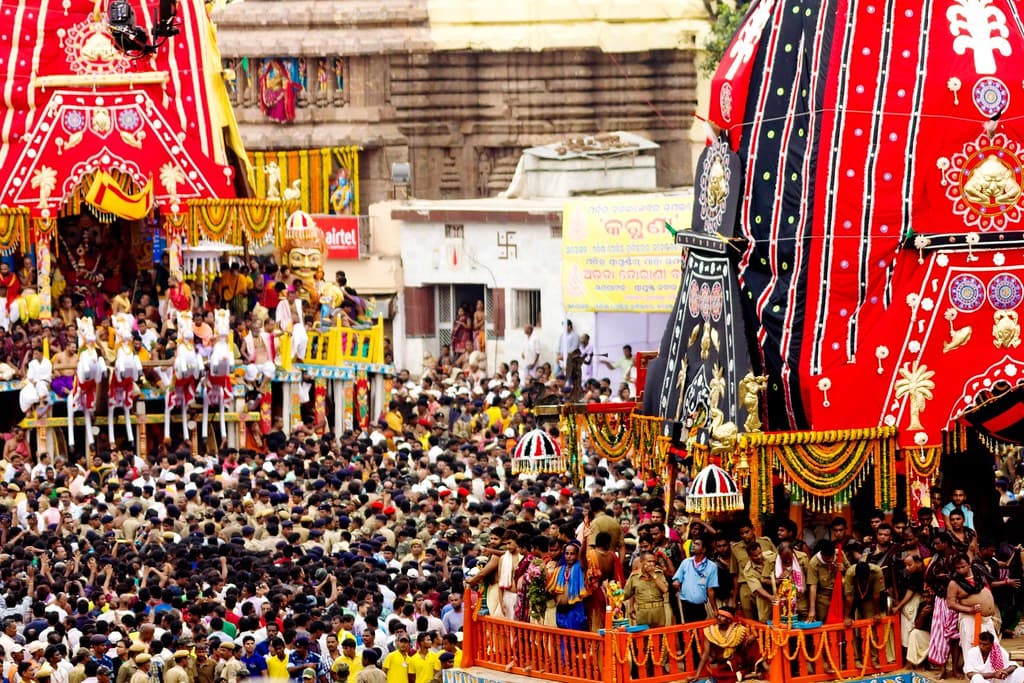
The ascetic orders, the akhadas, process through Nashik in the Nagar Pradakshina, a parade of holy men, banners and bands that opens the main season.
Bathing days
The Amrit Snan
On August 2, August 31 and September 11 (September 12 at Trimbakeshwar), the akhadas lead the way into the river in a strict order, often before dawn, followed by millions of ordinary pilgrims. The processions of the naga sadhus, ascetics who renounce clothing and cover themselves in ash, are the most famous sight.
In between
The camps
Between the bathing days, the camps of the akhadas and spiritual organizations along the river host discourses, chanting, free kitchens and constant pilgrims. This is the best time to visit as an outsider.
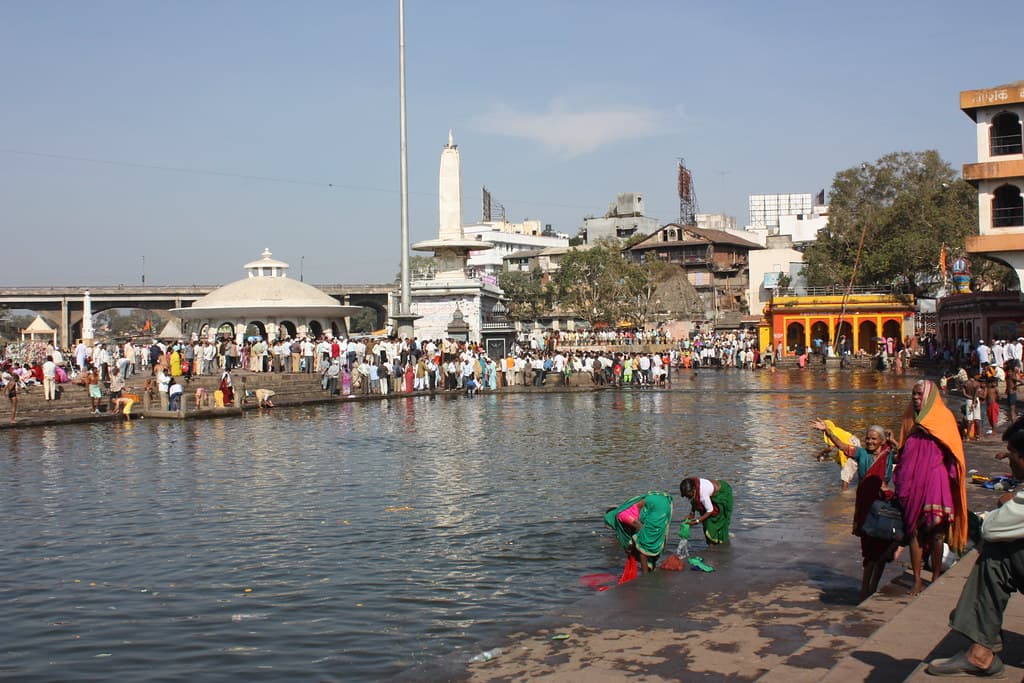
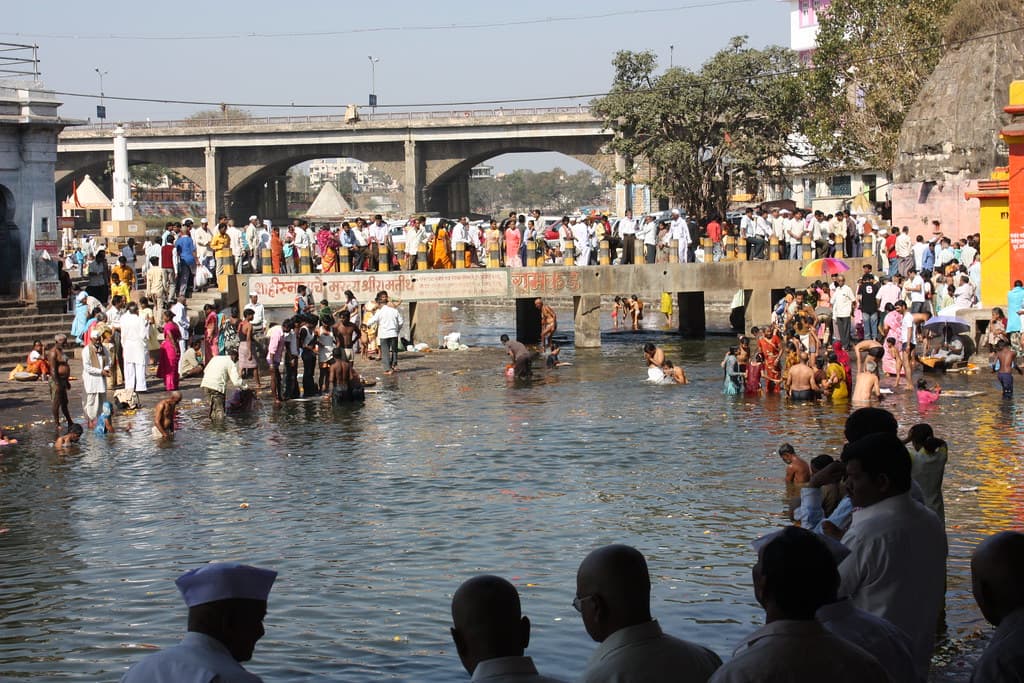
Ramkund on the Godavari in Nashik, outside the Kumbh season
Photo by Arian Zwegers / flickr · CC BY 2.0
Planning your trip
Getting there
Nashik is about 170 kilometres north-east of Mumbai, a drive of four to five hours or a train journey of around three to four, and is also reachable from Pune. Its small airport has a few domestic flights. Special trains and buses run during the Kumbh, and traffic is diverted far from the river on bathing days, so expect long walks.
Where to stay
Nashik's hotels will be booked far in advance and will be expensive on the bathing days. The authorities and private operators usually set up tent cities for visitors, and some pilgrims stay in the camps of the akhadas and religious groups. Many travellers make day trips from Mumbai or Pune instead.
What it costs
Bathing, visiting the camps and the processions are all free, and the free kitchens feed pilgrims every day. Costs are travel and a room, which will rise sharply around the bathing days. Tent cities offer everything from basic shared tents to comfortable private ones at a premium.
Go like you know
- Dress modestly, take your shoes off where others do, and ask before photographing anyone, especially sadhus and people bathing.
- Some sadhus ask for donations for blessings or photographs; give if you wish, but agree first.
- Visit Trimbakeshwar's temple too, one of Shiva's twelve jyotirlingas, but expect long queues.
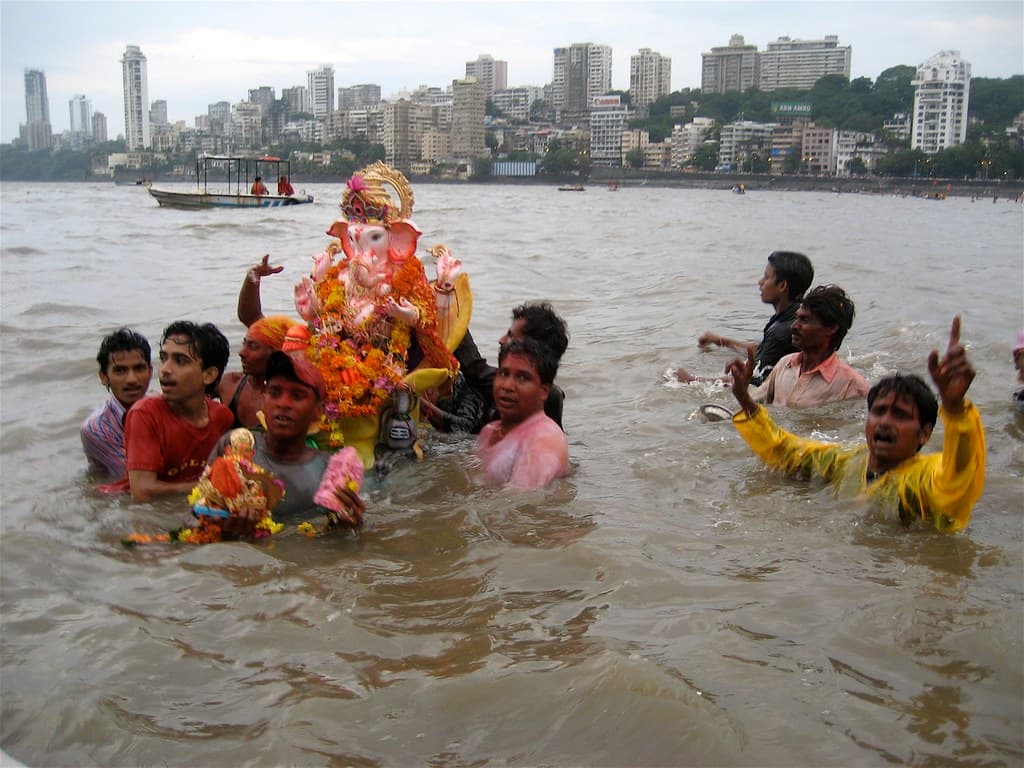
- For Maharashtra's other great festival, see Mumbai's Ganesh Chaturthi, which falls in September 2027 too.
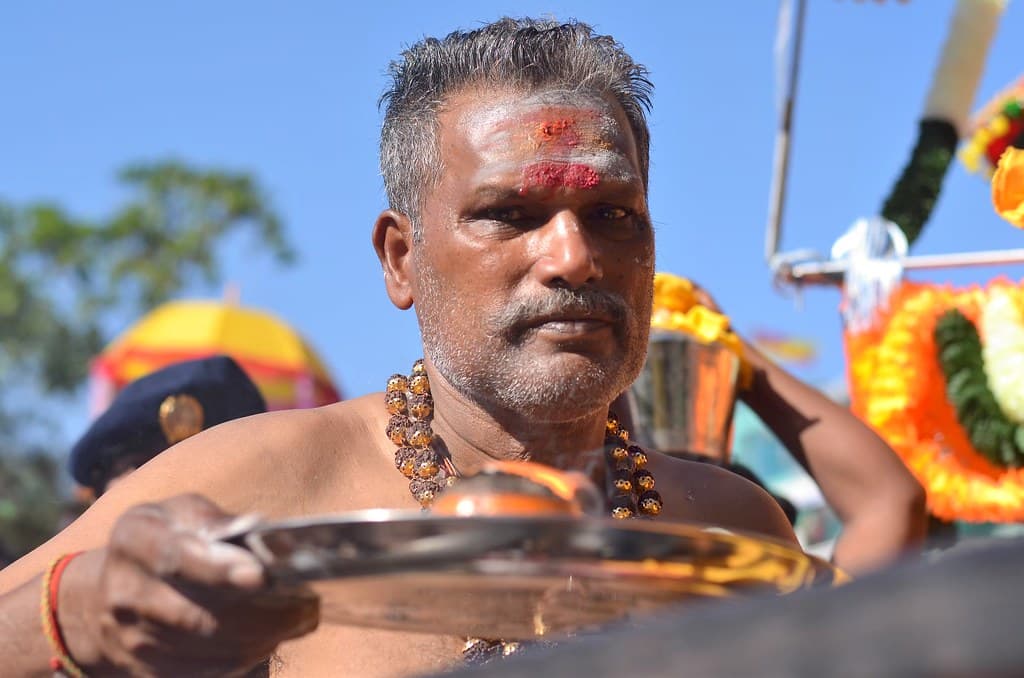
- For a festival of devotion in Malaysia, see Thaipusam at the Batu Caves.
Frequently asked questions
When is the Nashik Kumbh Mela?
The main season is from late July to mid-September 2027. The three great bathing days are August 2, August 31 and September 11, with the last one at Trimbakeshwar on September 12. The Simhastha formally opens on October 31, 2026 and closes in July 2028, but the bathing days are its heart.
Can non-Hindus attend?
Yes. The Kumbh is open to all, and many foreign visitors come every time. Be respectful: dress modestly, follow the instructions of the police and volunteers, and remember that this is a sacred event for the pilgrims around you. Bathing is open to all, though few visitors take part.
When is the next Kumbh Mela after Nashik?
The Kumbh rotates between four cities. Ujjain, on the Shipra river in Madhya Pradesh, hosts the next Simhastha in 2028. Prayagraj and Haridwar follow on their own twelve-year cycles, so there is a Kumbh somewhere in India every few years.