What is the Bali Arts Festival?
Bali is famous for its arts: the shimmering gamelan orchestras, the precise, wide-eyed dances, the shadow puppets, the carving and painting of its villages. For a month every year, the Pesta Kesenian Bali, the Bali Arts Festival, gathers them all in one place. Held at the Taman Werdhi Budaya Art Centre in Denpasar, the island's capital, it brings performers from every regency of Bali, and from the rest of Indonesia and abroad, to stages that run from afternoon until late at night.
The festival was founded in 1979 under the governor of the time, Ida Bagus Mantra, to celebrate, protect and renew Balinese culture, and it is often called Indonesia's longest-running arts festival. It runs from mid-June to mid-July, during the school holidays, and in 2026 it took place from June 13 to July 11.
Most of the audience is Balinese. Families come from across the island to cheer their village's gamelan or dance troupe, competitions between regencies are followed with real passion, and the evening performances of dance-drama on the art centre's large open-air stage draw thousands. Visitors are welcome, and almost everything is free.
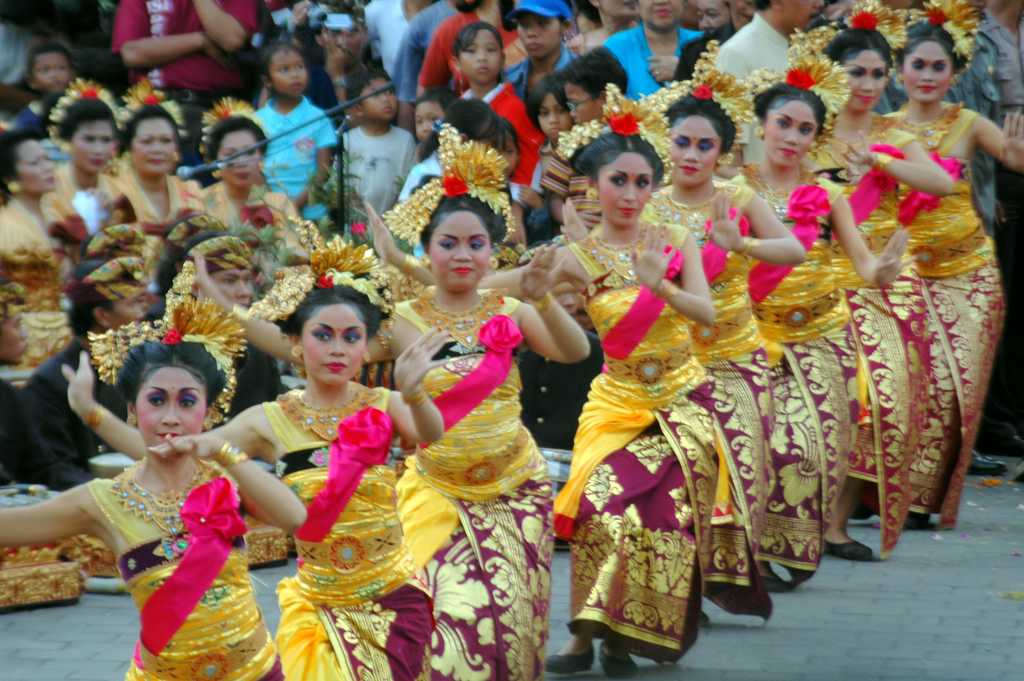
For a visitor, it is a rare chance to see the whole range of Balinese performance in a few days: the ancient court dances and temple dances, the dramatic masked topeng, the barong and the witch Rangda, the kecak chorus, and new work by young choreographers who are taking these traditions in new directions.
What to expect
The festival is a month of daily programmes, so you can drop in for an afternoon or come back night after night.
Opening day
The parade
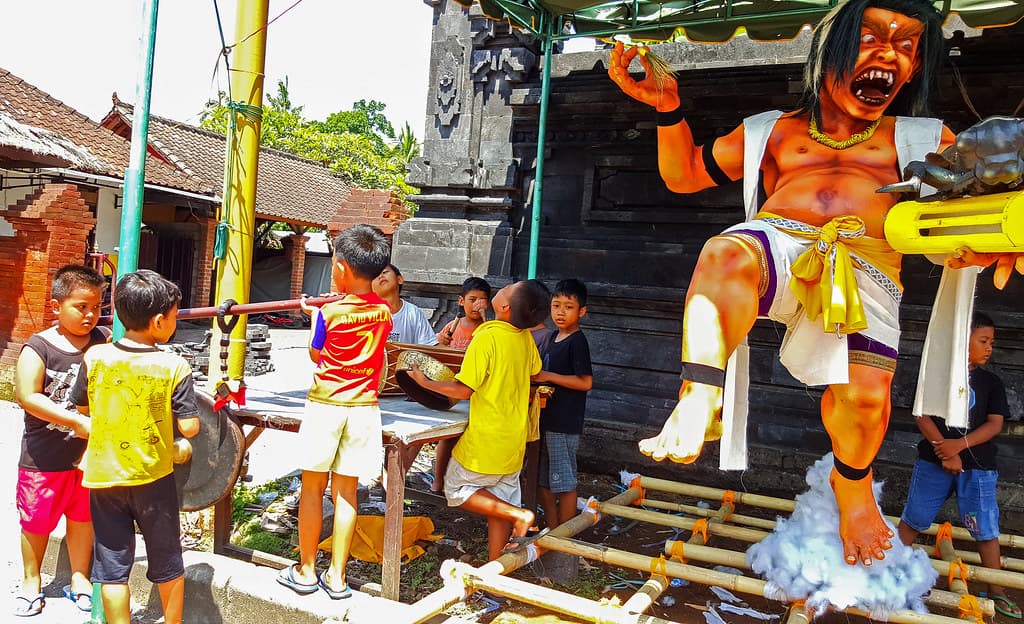
The festival opens with a grand parade in Denpasar, usually around the Bajra Sandhi monument, where troupes from every regency march in costume, with gamelan, giant figures and dancers, before officials declare the festival open.
Every day
Performances
Stages across the art centre host gamelan and dance competitions, traditional and new choreography, shadow puppet performances, choirs and drama, often running at the same time. The evening shows on the open-air stage are the biggest.
All month
Exhibitions and food
Craft and art exhibitions, workshops, talks and food stalls fill the grounds, with Balinese snacks, textiles, carvings and paintings for sale.
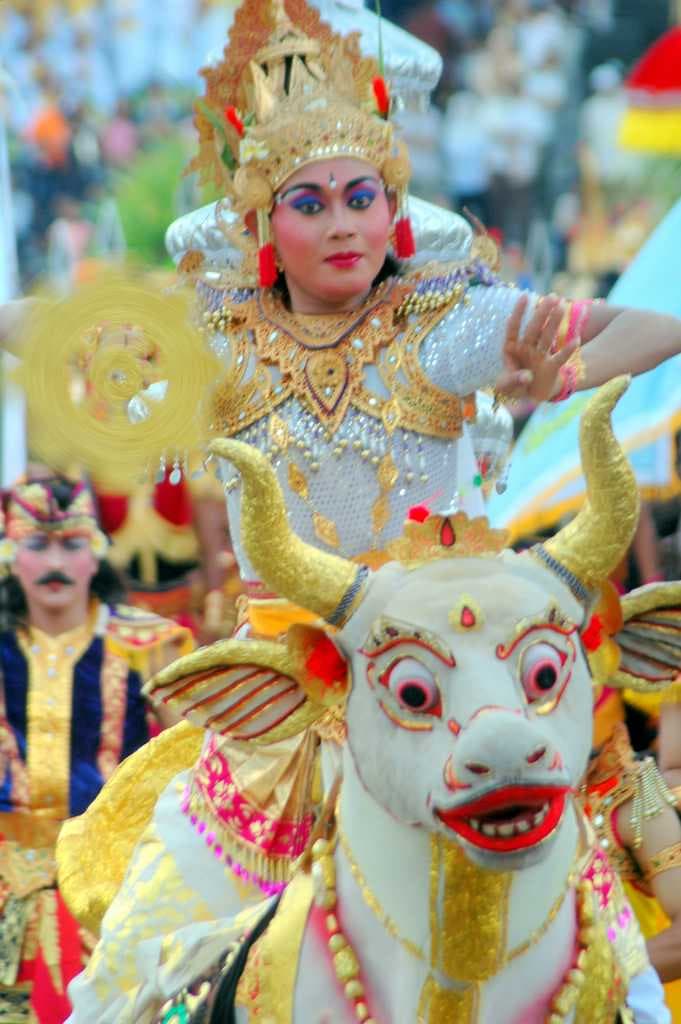
A dancer in the Bali Arts Festival procession
Photo by sektordua / flickr · CC BY 2.0
Planning your trip
Getting there
Bali's international airport is just south of Denpasar, with flights from across Asia and Australia. The art centre is in the east of the city, a short taxi or ride-hailing trip from Sanur and about half an hour from Kuta and Seminyak, depending on traffic, which can be heavy in the evenings.
Where to stay
Sanur, a quieter beach town next to Denpasar, is the most convenient base for the art centre. Ubud, Bali's cultural heart in the hills, is an hour away and has its own nightly dance performances. Kuta, Legian and Seminyak are further but have the widest choice of hotels.
What it costs
Admission is free. A few special performances may be ticketed, but most of the programme is open to all. Food at the stalls is cheap. Bali's accommodation ranges from simple guesthouses to luxury resorts, and prices rise during the July holidays.
Go like you know
- Sit with the local crowd and follow its reactions; the audience knows every dance and every regency's reputation, and cheers accordingly.
- Dress respectfully, with shoulders covered, for the evening shows.
- Combine the festival with village temple ceremonies, which you may come across anywhere on the island.
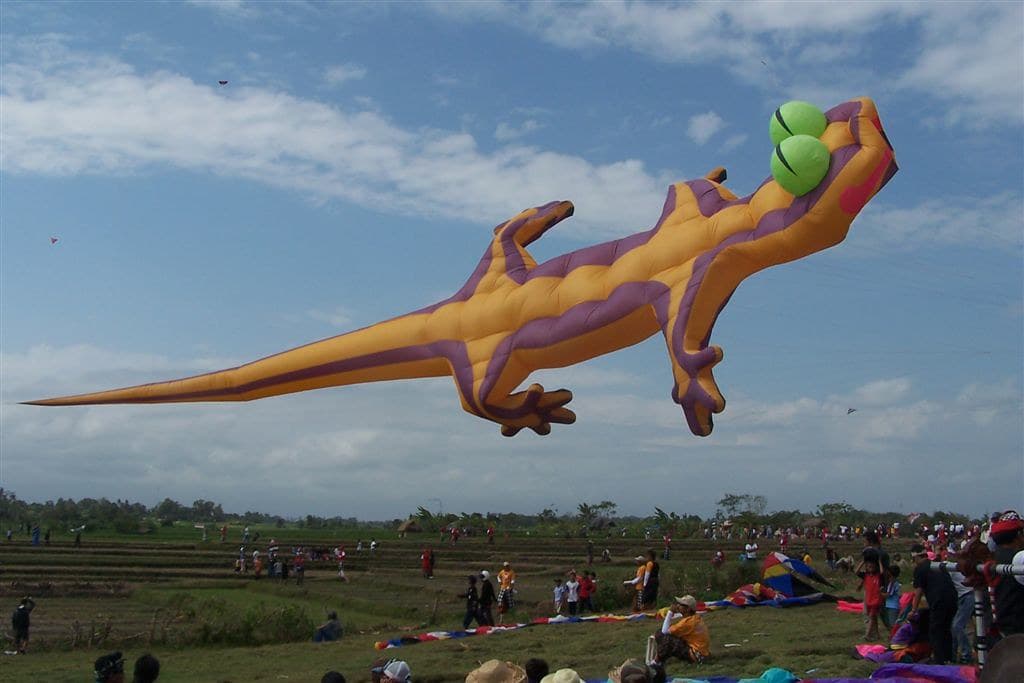
- Bali's year has its own rhythm: the silent day of Nyepi in March and the Bali Kite Festival in the windy season.
- In Central Java, Waisak at Borobudur is the great Buddhist festival of the region.
Frequently asked questions
When is the Bali Arts Festival?
For about a month from mid-June to mid-July each year. In 2026 it ran from June 13 to July 11, opening with a parade in Denpasar. The provincial government announces the dates and programme each year, so check them before you travel.
Do I need tickets?
No, almost everything is free. Arrive early for the evening shows on the main open-air stage, as the best seats go quickly, especially at weekends. A few special events may need tickets or invitations, which are listed in the programme published for each day.
Is it worth a visit if I've seen dance shows in Ubud?
Yes. The shows in Ubud are excellent, but the festival brings together the best troupes from every part of Bali, including competitions, new works and art forms rarely performed for tourists. Watching with a Balinese audience is an experience of its own.