What is the Sumida River Fireworks Festival?
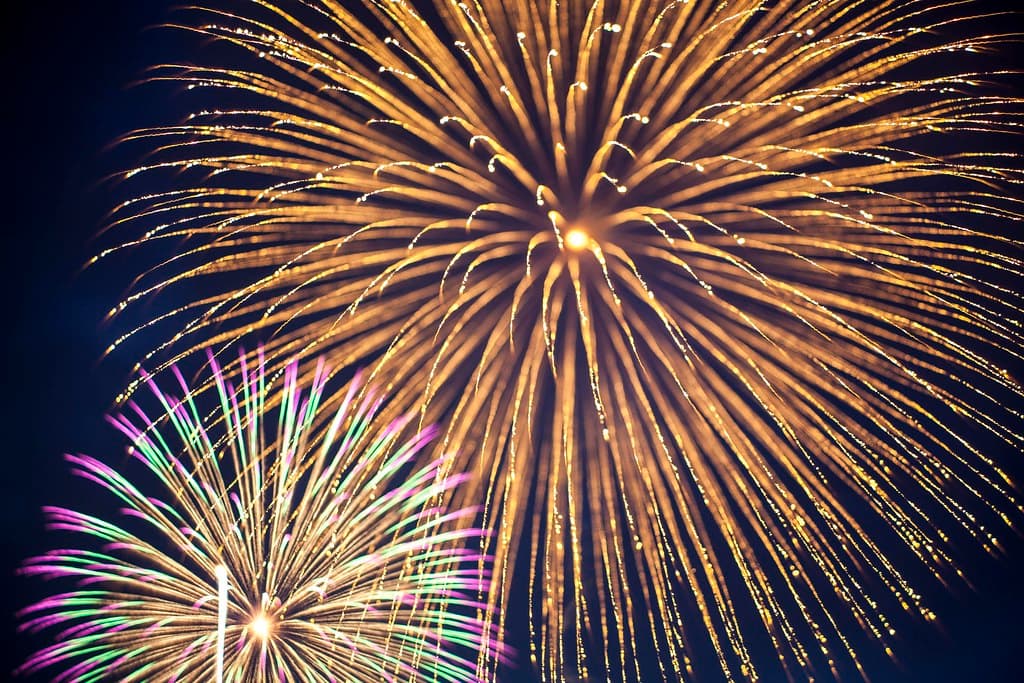
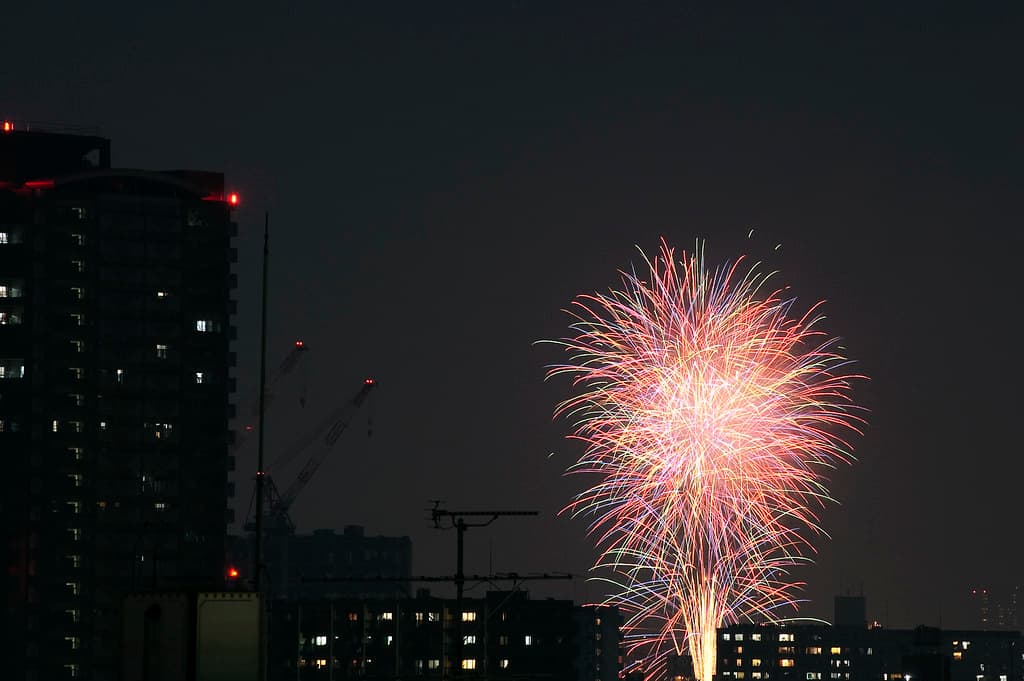
The Sumidagawa Hanabi Taikai (隅田川花火大会) is Tokyo's most famous fireworks show. On the last Saturday of July, around 20,000 fireworks are launched over about an hour and a half from two sites on the Sumida River, lighting up the old neighbourhoods of Asakusa and Mukōjima under the Tokyo Skytree. Close to a million people come to watch, many in yukata, the light cotton kimono of a Japanese summer.
It claims to be the oldest fireworks show in Tokyo. Its roots lie in 1733, when the shogunate held a river-opening ceremony at Ryōgoku to honour the victims of the famine and epidemic of the previous year, with fireworks to console their spirits. The river festival continued for generations, interrupted by war and, later, by pollution and traffic, and was revived in its current form, under its current name, in 1978.
The fireworks are also a competition. Pyrotechnic companies from across Japan present new shells and designs, judged by experts, so each year's show brings new shapes and colours, from chrysanthemum bursts to characters and smiling faces drawn in the sky.
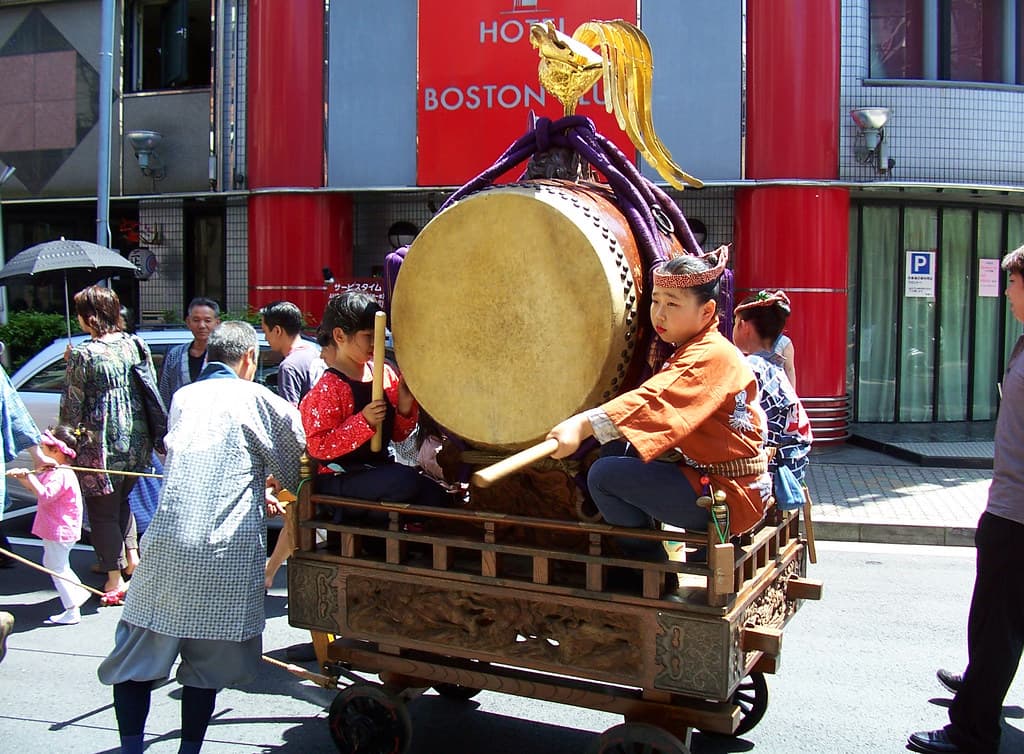
For visitors, it is also the classic Tokyo summer night. The fireworks fall at the start of the school holidays, when neighbourhoods across the city hold their own summer festivals, and the streets of Asakusa, with its old temple of Sensō-ji, its shopping lanes and its food stalls, are at their liveliest. Even if you only catch part of the show between the rooftops, the evening is worth it.
What to expect
The show is short, but the whole evening is an event, starting in the afternoon as people stake out places along the river.
Afternoon
Finding a place
From early afternoon, people lay out mats along the riverbanks and in the parks of Asakusa and Sumida, and the neighbourhood fills with food stalls. Streets close to traffic in the late afternoon.
7pm
The first site
The show begins at about 7pm at the first launch site, upriver between the Sakura Bridge and the Kototoi Bridge, where the competition fireworks are fired.
7:30pm
Both sites
Half an hour later, the second site, downstream near the Komagata Bridge, joins in, and the fireworks continue from both until about 8:30pm. Leaving afterwards takes patience.
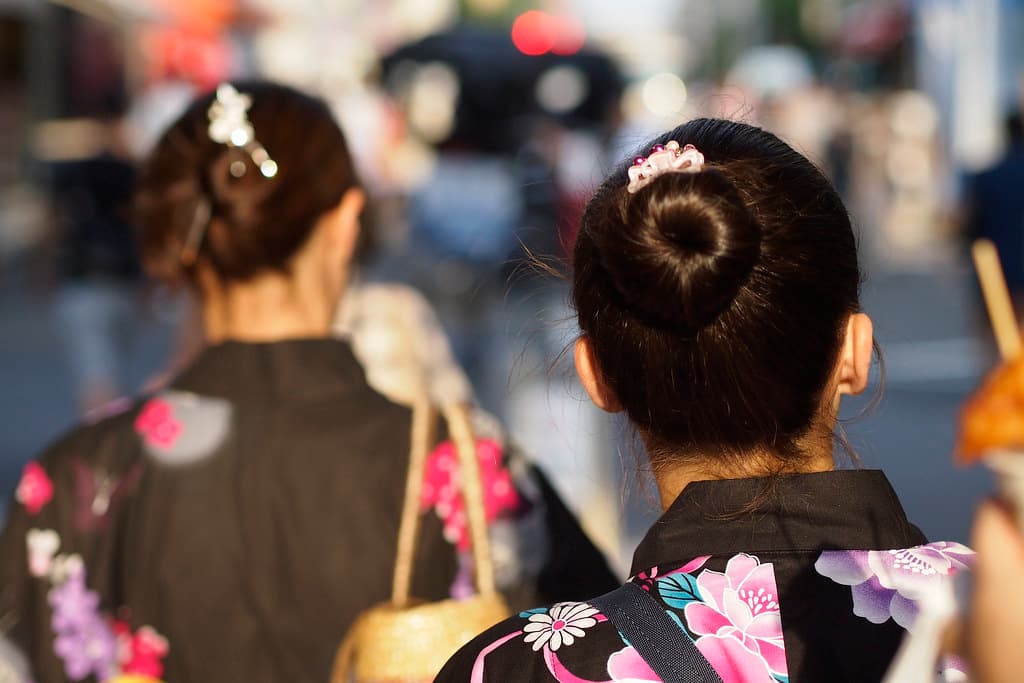
Visitors in yukata on their way to the Sumida River fireworks
Photo by torumori / flickr · CC BY 2.0
Planning your trip
Getting there
Asakusa is on the Ginza and Asakusa subway lines and the Tobu line, and Ryōgoku and Kuramae are nearby, but all the stations around the river are overwhelmed on the night. Arrive early, and consider walking from a station further away. Some stations have exit-only or entry restrictions after the show.
Where to stay
Asakusa has hotels and hostels at every price, and a room with a river view is the most comfortable way to see the show, though these sell out far in advance. Anywhere in central Tokyo works, as long as you are prepared for crowded trains back after the show.
What it costs
Watching from the streets and riverbanks is free. Paid seats and riverside spots sold by local organizers, rooftop events at hotels and restaurant tables with a view all sell out. River cruises on the night are popular and expensive. Tokyo hotels are busy in late July, the start of the summer holidays.
Go like you know
- Wear a yukata. Shops in Asakusa rent them for the day, with dressing included.
- Bring a mat or a newspaper to sit on, and stake your place early.
- Buy food from the stalls and convenience stores before the streets close; queues get very long.
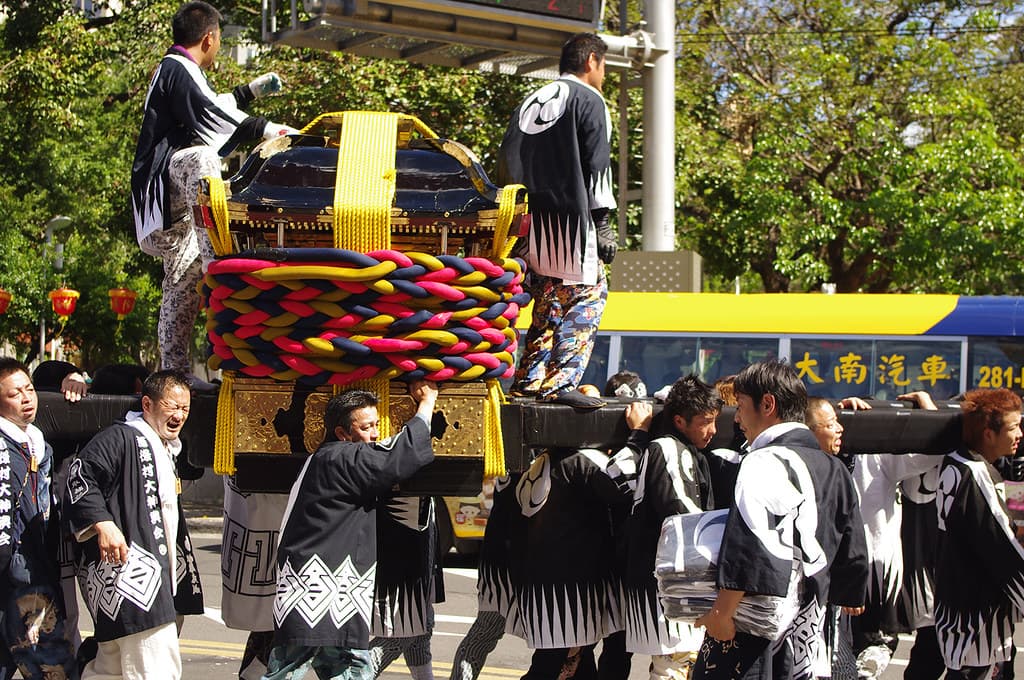
- Asakusa's other great festival is the Sanja Matsuri in May, and the Kanda Matsuri is Tokyo's grand procession of the shrine.
- For the largest shells in Japan, see the Nagaoka Fireworks in early August.
Frequently asked questions
When is the Sumida River fireworks festival?
On the last Saturday of July, from about 7pm to 8:30pm. In 2026 it was held on July 25; in 2027 it is expected on July 31. The show can be postponed by bad weather, usually to the next day, so check the announcements on the morning of the event.
Where is the best place to watch?
Near the river around Asakusa and Sumida Park for the closest views, or from bridges and side streets further away for fewer crowds. Many people watch from the upper floors of buildings and rooftop bars. The Tokyo Skytree area offers distant views without the crush.
Can I see it without the crowds?
Not really, as nearly a million people come. You can reduce the crush by watching from further away, booking a table at a riverside restaurant, or taking a room with a view in Asakusa. Arriving late and leaving early is easier than the reverse.