What is Soma Nomaoi?
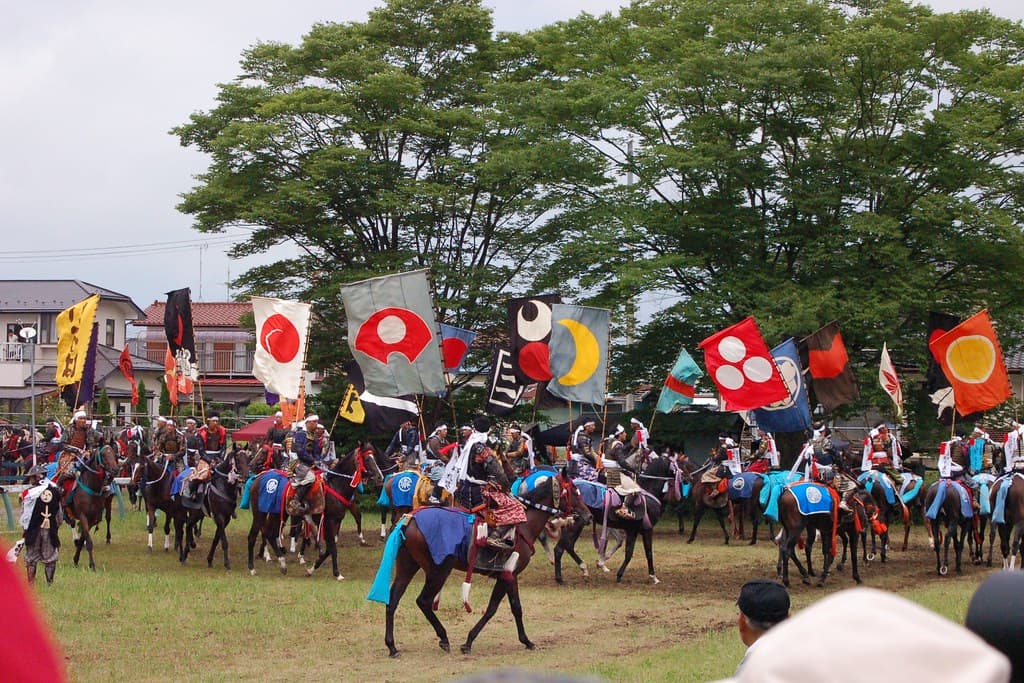
For three days each year, the coast of northern Fukushima goes back to the age of the samurai. In Soma Nomaoi (相馬野馬追), the "chase of the wild horses", around 400 riders in full armour, with helmets, swords and tall silk banners on their backs, ride out across the Soma district, race in armour and battle on horseback for sacred flags fired into the sky. It is one of the most dramatic festivals in Japan, and one of the oldest.
Its origin, according to tradition, is more than a thousand years old. Taira no Masakado, the 10th-century warrior said to be the ancestor of the Soma clan, released wild horses on the plains and had his men chase and capture them as military training, treating the horses as enemy soldiers. The Soma clan kept the exercise alive for centuries, and it became a Shinto ritual offered at the area's shrines in prayer for peace and good fortune. It is designated an Important Intangible Folk Cultural Property of Japan.
The festival also has a recent story. The area was hit hard by the earthquake and tsunami of March 2011 and the nuclear accident that followed, and the riders kept the festival going through the recovery. Since 2024 it has been held at the end of May, rather than in the heat of late July.
What to expect
The festival runs from Saturday to Monday, with the main events on the Sunday at Hibarigahara, a large field with grandstands in Minamisoma.
Saturday
Departure
The riders gather at their shrines in armour and set out in processions to the town of Haramachi. Along the way, they ride through the streets, a chance to see the costumes and horses up close.
Sunday
Race and flag battle
The main day. A grand procession of hundreds of mounted samurai rides to Hibarigahara for the kacchu keiba, the armoured horse race, with riders racing at full gallop with their banners streaming. Then comes the shinki sodatsusen: sacred flags are fired into the air by fireworks, and the riders charge and jostle to catch them as they fall.
Monday
Catching the horses
In the nomakake at Odaka shrine, men in white catch unsaddled horses with their bare hands and offer them to the shrine, a link to the festival's oldest form.
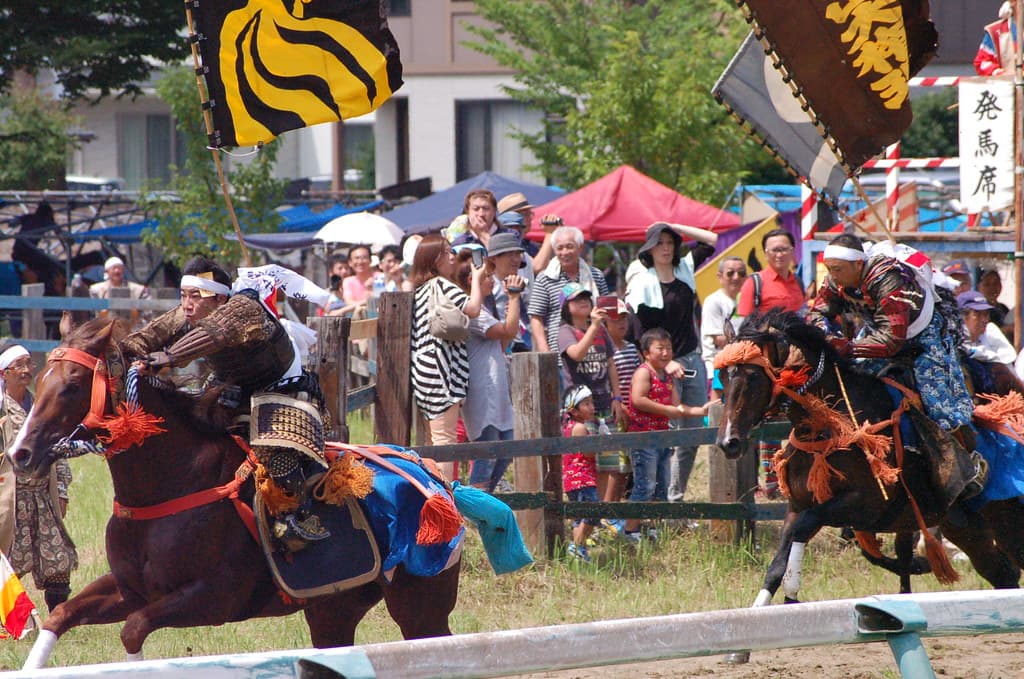
Riders in samurai armour during the armoured horse race
Photo by jetalone / flickr · CC BY 2.0
Planning your trip
Getting there
Minamisoma is on the Pacific coast of Fukushima. From Tokyo, take the Tohoku Shinkansen to Sendai or Fukushima city, then a train or bus to Haramachi, the main station in Minamisoma; the journey takes most of a morning. Shuttle buses run to Hibarigahara on the festival's main day.
Where to stay
Minamisoma has only a small number of hotels, which fill early. Many visitors stay in Sendai, about an hour and a half away, or in Fukushima city, and travel in for the day. Some tour operators sell day trips from Tokyo that include transport and grandstand seats.
What it costs
The processions are free to watch. Grandstand seats at Hibarigahara are sold in advance at modest prices. Travel from Tokyo by shinkansen is the biggest cost, and rooms are scarce near the festival, which can push prices up.
Go like you know
- Look for the family crests on the riders' banners; many riders come from families that have taken part for generations.
- Arrive at Hibarigahara early to see the procession of hundreds of horsemen arriving on the field.
- Don't approach the horses: they are excited and powerful.
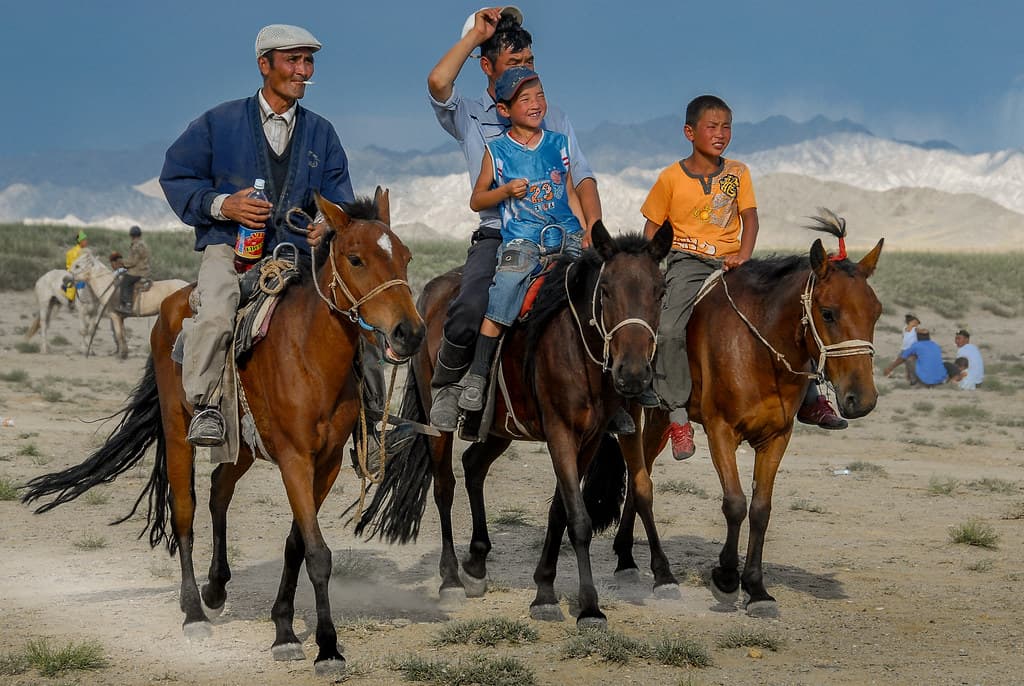
- Mongolia's Naadam is the other great festival of horsemanship in East Asia, in July.
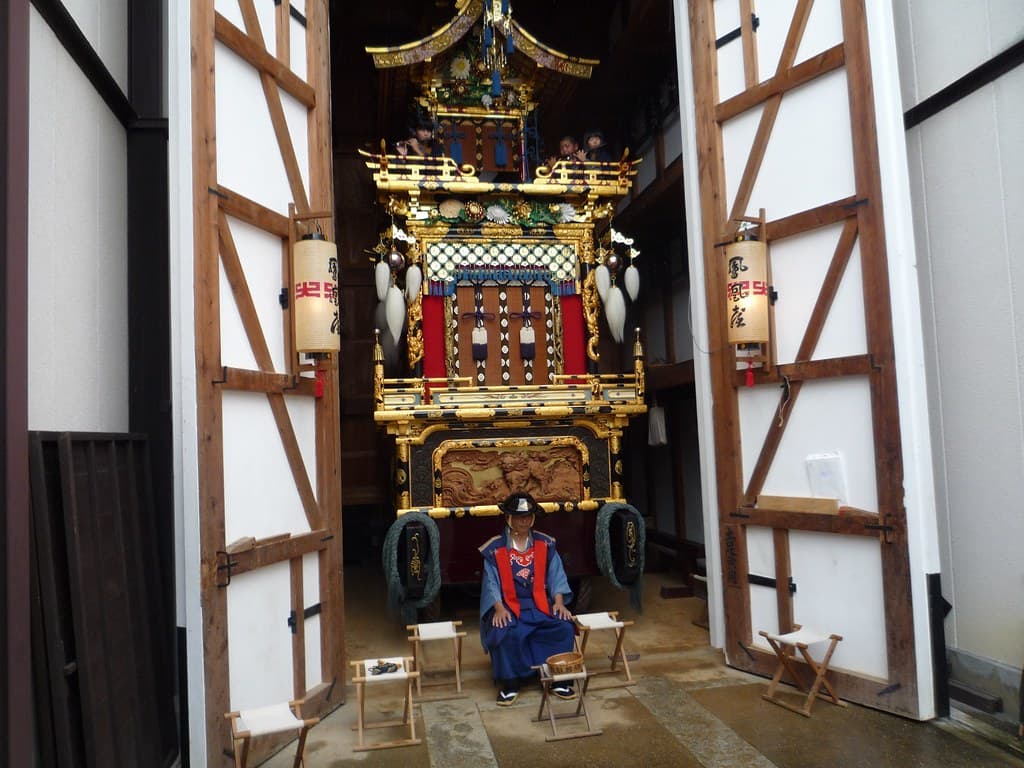
- For another of Japan's great traditional festivals, see Gifu's Takayama Festival, with its ornate floats, in spring and autumn.
Frequently asked questions
When is Soma Nomaoi?
Since 2024, from Saturday to Monday at the end of May, with the armoured race and flag battle on the Sunday. In 2026 it ran from May 23 to 25. Older guides give late July, its traditional slot, so check the executive committee's announcement for the current year.
Can visitors ride in the festival?
No. The riders are local, often from families with a long connection to the festival and its shrines, and they prepare their horses, armour and banners for months. Visitors watch from the roadside during the processions and from the grandstands at Hibarigahara.
Is it safe to visit the Soma area after 2011?
The festival grounds and the towns on the usual visitor routes are open, and the festival has run for years since the disaster. Some areas closer to the nuclear plant have had restrictions; check the latest official information from Fukushima prefecture before you travel.