What is Sinulog?
Sinulog is Cebu City's festival in honor of the Santo Niño, the image of the Child Jesus that is the most beloved religious figure in the Philippines. Its story begins in 1521, when Ferdinand Magellan's expedition reached Cebu and the image was given as a baptismal gift to the wife of the local ruler, Rajah Humabon. When Spanish colonizers returned decades later, they found the image had survived a fire, an event treated as miraculous, and built a church on the spot. Today's Basilica Minore del Santo Niño stands there still.
The name comes from the Cebuano word sulog, a current of water. It describes the dance itself, the slow, flowing two-steps-forward, one-step-back movement that devotees perform as prayer. Candle vendors outside the basilica still dance it as they pray on behalf of visitors, and it is the root of every choreography in the parade.
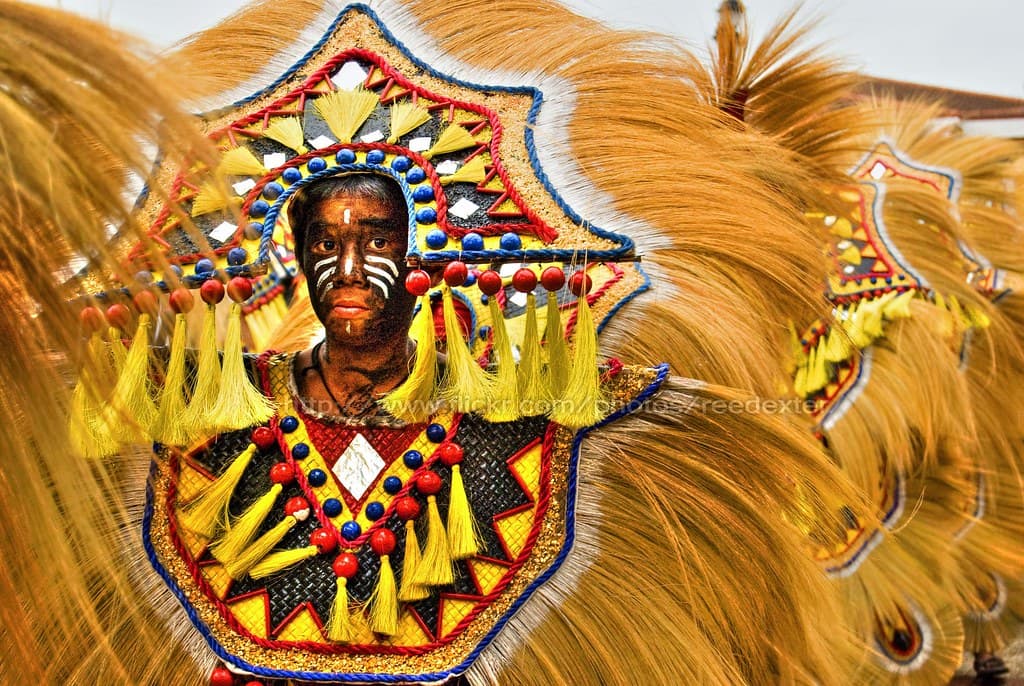
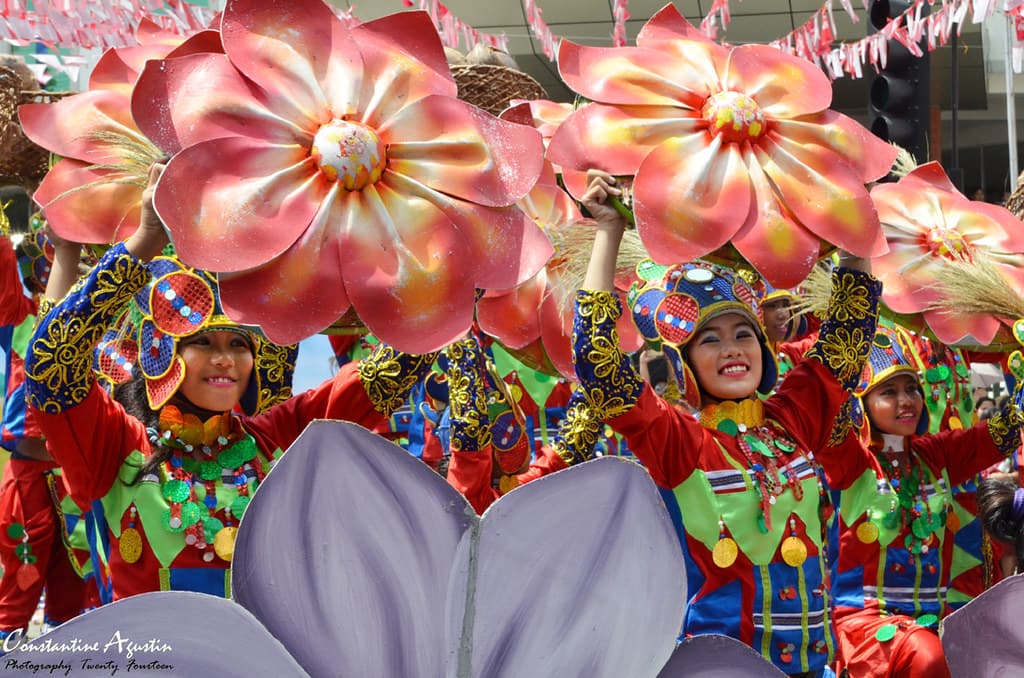
The modern festival took shape in 1980, when the city organized a dance parade to accompany the religious feast, Fiesta Señor. It has since grown into one of the largest festivals in the Philippines (city officials counted about 5.2 million spectators in 2026), combining an opening penitential walk, nine days of novena masses, a fluvial procession at sea, a vast solemn procession and a grand parade of contingents from across the country. The same weekend, Ati-Atihan in Kalibo honors the same Child Jesus with looser, more open street dancing.
Two steps forward, one step back: the oldest prayer in Cebu is also its most famous dance.
What to expect
The calendar runs from devotion to party, and both matter.
Opening day
Walk with Jesus
Before dawn, a huge crowd walks from Fuente Osmeña Circle to the basilica for the opening Mass; in 2026 the walk started at 4 a.m. The nine days of novena masses follow, many of them at the Pilgrim Center beside the church.
Days before the weekend
Walk with Mary and Traslación
The image is carried in procession to the neighboring city of Mandaue and, in 2026, onward to Lapu-Lapu on Mactan Island, accompanied by devotees and officials, before it returns to Cebu by sea.
Saturday
Fluvial and solemn processions
The image crosses the water in a boat procession early in the morning, then returns to the basilica in a long solemn foot procession through the streets in the afternoon, the most devotional moment of the week.
Third Sunday
Fiesta Day and the Grand Parade
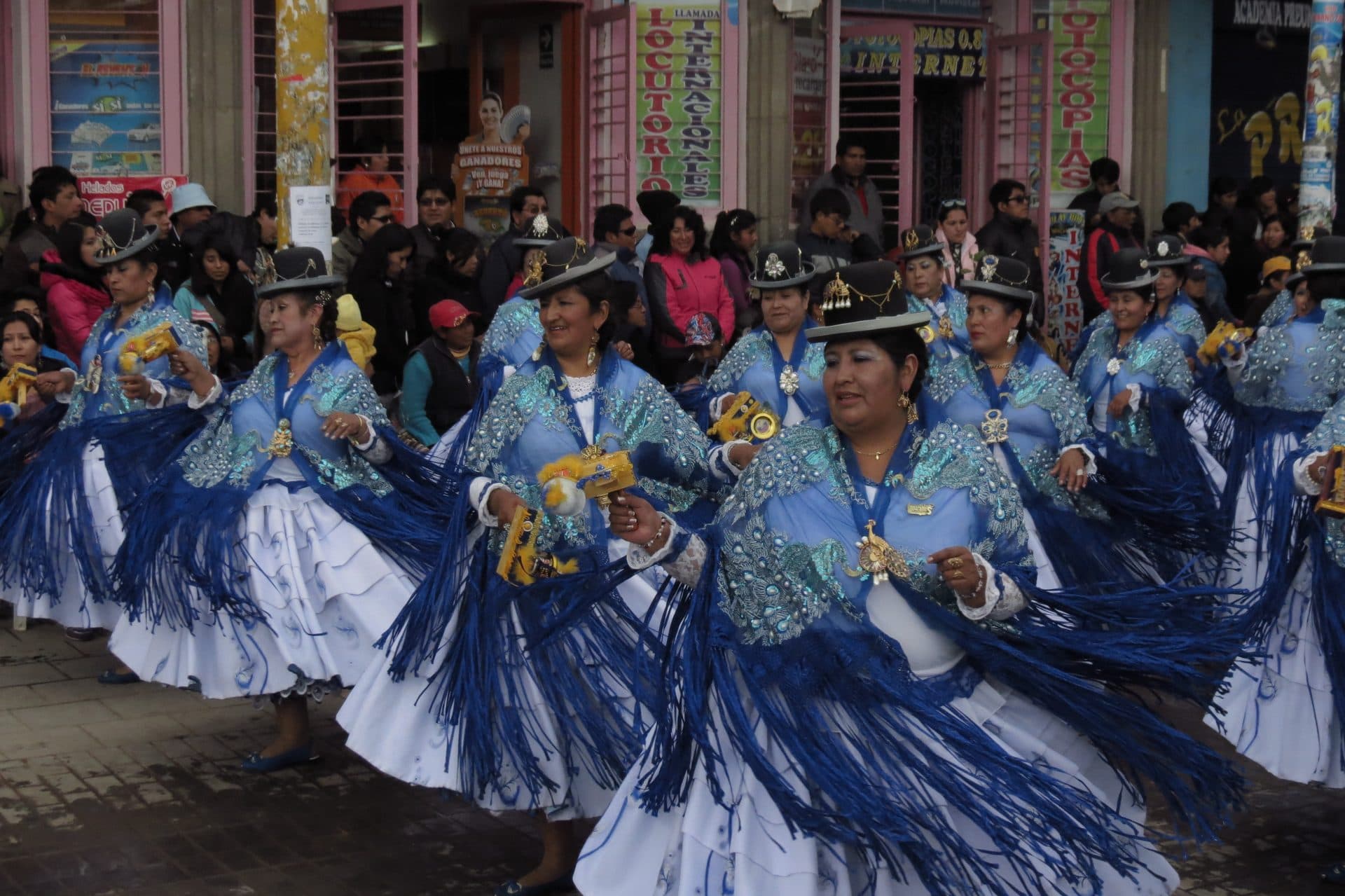
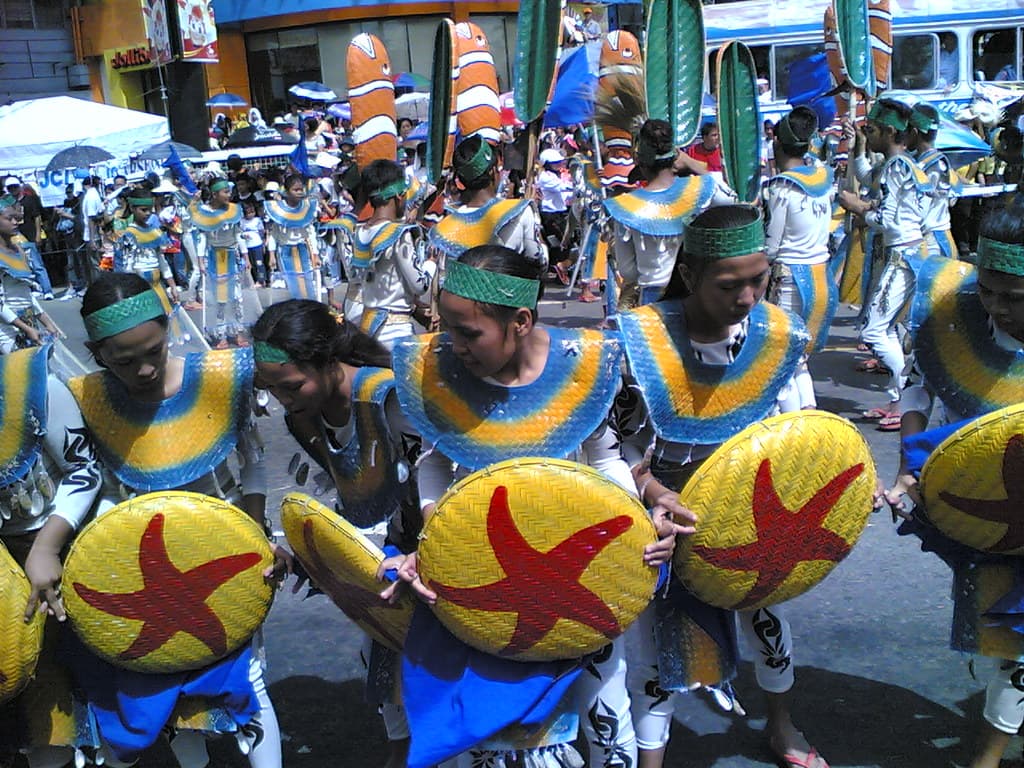
Early masses, then the Grand Parade: dance contingents and floats move along a long route, ending with performances at the Cebu City Sports Center. In 2026 the parade started about 9 a.m. and finished before 8 p.m., much earlier than in past years, so check the programme for your year.
Planning your trip
Getting there
Mactan-Cebu International Airport, on Mactan Island, is the gateway to Cebu City. The festival centers on the basilica and the downtown area around it, with the parade route spreading across the city. Expect road closures on parade day, and allow plenty of time for traffic if you stay across the water; on the day itself, walking is often the simplest way to reach the route.
Where to stay
Cebu hotels fill up fast for Sinulog: local reports put occupancy around 90 percent by the second weekend of January in 2026, with bookings picking up after New Year. Book early, or stay on Mactan Island and travel in each day. The area around the basilica and downtown puts you closest to the processions.
What it costs
Watching the processions and the parade from the street is free. Grandstand seats at the Cebu City Sports Center, where the main performances take place, are sold by the Sinulog Foundation, and in past years reported prices ran from about P1,000 to P3,000 by section, so check the current year's prices. Rooms are the real cost: the weekend fills hotels across the city.
Go like you know
- Light a candle with the dancing candle sellers outside the basilica. Tell them your prayer intention, and they will dance it for you.
- Visit the basilica on a quieter weekday to see the Santo Niño up close; queues on the main weekend can stretch for hours.
- Shout "Pit Señor!" with the crowd. It is short for sangpit sa Señor, calling on the Lord, and you will hear it everywhere.
- Eat lechon, the roast pig Cebu is famous for.
- If you want calmer beaches after the festival, Cebu's southern coast and nearby islands are a few hours away.
- Philippine street-dance festivals run all year: Davao's Kadayawan Festival in August is a good second stop.
Frequently asked questions
When is the best day to attend Sinulog?
The third Sunday, Fiesta Day, has the Grand Parade and the biggest crowds. The Saturday before brings the fluvial and solemn processions, the most devotional moments. Arriving on Friday lets you experience both, plus the street parties in between.
Do I need tickets for Sinulog?
Watching the processions and the parade from the street is free. Grandstand seats at the Cebu City Sports Center, where contingents perform their full routines, are sold through the Sinulog Foundation and are worth considering if you want to see the choreography rather than a moving crowd.
Is Sinulog safe for tourists?
Generally yes, with sensible precautions. The festival draws huge crowds, and in 2026 the city's disaster office logged 152 minor injuries by early evening on parade day, mostly exhaustion and heat, with no major incidents. Carry little, keep bags in front of you and stay hydrated. Signal was cut near the route in past years; organizers said it would not be in 2026, but plan meeting points in case networks overload.
How is Sinulog different from Ati-Atihan?
Both honor the Santo Niño and peak on the third Sunday of January, so you cannot see both grand days. Sinulog in Cebu City is larger, more organized and more urban, with choreographed contests. Ati-Atihan in Kalibo is older and looser, with street dancing that anyone can join. Its run-up days overlap Cebu's novena, so pick one city for the main Sunday.