What is the Rainforest World Music Festival?
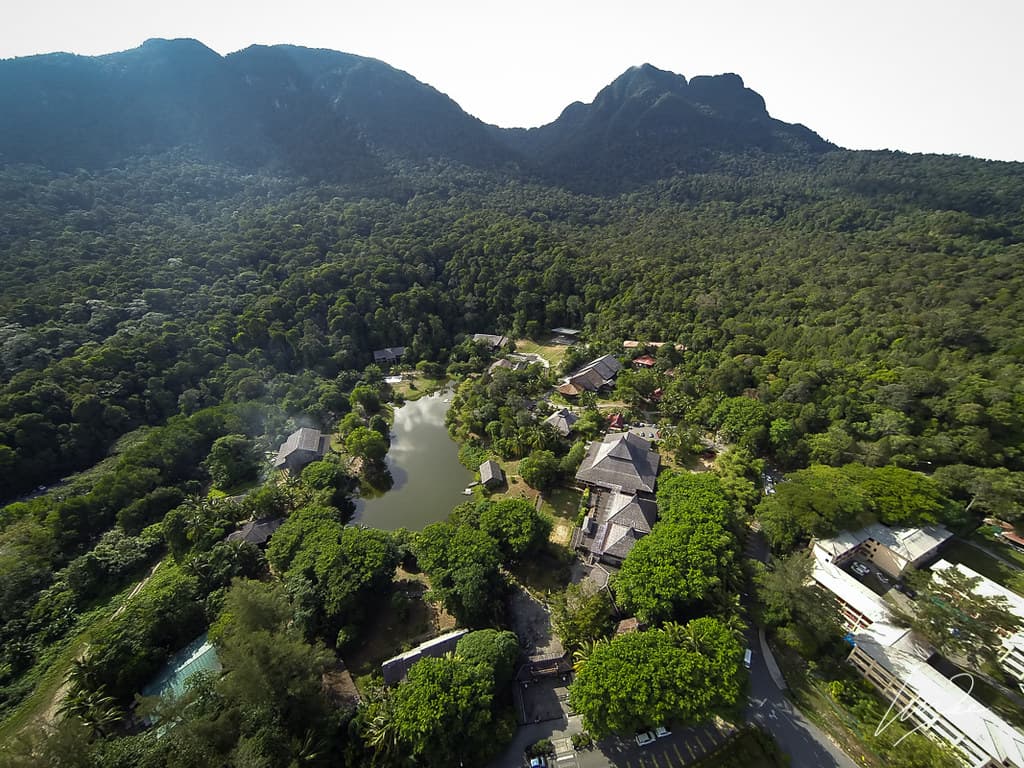
The Rainforest World Music Festival is three days of music on the edge of the Borneo jungle. Every year since 1998 it has brought musicians from around the world to the Sarawak Cultural Village, a living museum of traditional houses at the foot of Mount Santubong, about 35 kilometres from Kuching, the capital of the Malaysian state of Sarawak.
The festival was founded by the Sarawak Tourism Board with the Canadian musician and instrument collector Randy Raine-Reusch, and its idea was simple: put the music of Borneo's own peoples on the same stage as musicians from everywhere else, and let them play together. The 2026 edition was the 29th, and the festival has kept its focus on traditional and roots music, played by people who grew up with it.
The setting is a large part of the appeal. The cultural village is a collection of houses of Sarawak's peoples, including Iban, Bidayuh and Orang Ulu longhouses, a tall Melanau house and a Malay house, set around a lake under the steep, forested mountain. During the festival the houses become workshop spaces, and the lawns in front of them a festival ground.
What to expect
The festival runs from Friday to Sunday, and each day has two halves: small, hands-on sessions by day, and big concerts by night.
Afternoons
Workshops and jam sessions
Musicians lead workshops in the longhouses and halls of the cultural village: how to play an instrument, how a rhythm works, how a song is built. Often two or three bands from different continents share a session and end up jamming. These are the heart of the festival and the part regular visitors love most.
Evenings
Main stage concerts
As it gets dark, the concerts move to two outdoor stages in front of the mountain, and bands play in turn until late. Expect the crowd to be dancing in the mud by the end of the night, rain or not.
Borneo's own music is always on the bill, especially the sape, the long-necked lute of the Orang Ulu peoples, and the gong ensembles of the Iban and Bidayuh. Alongside them, the line-up changes completely every year and draws traditional and roots musicians from every continent, so there is no point waiting for a favourite band: come to discover.
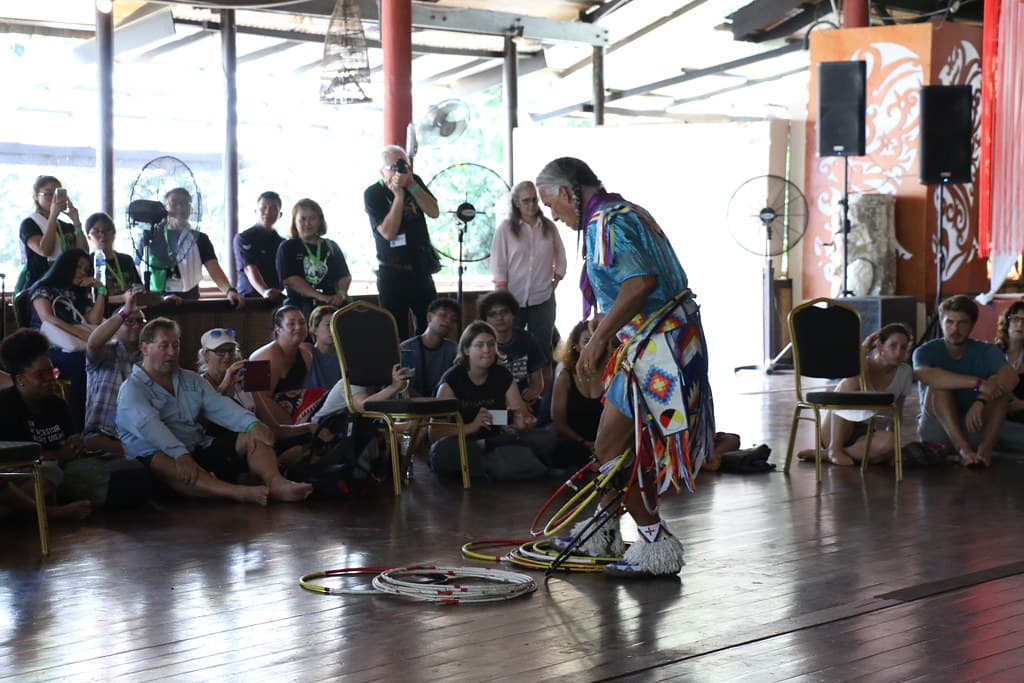
A daytime workshop at the Rainforest World Music Festival
Photo by United States Embassy Kuala Lumpur / flickr · Public Domain
Planning your trip
Getting there
Kuching International Airport has flights from Kuala Lumpur, Singapore and other cities in the region. The festival runs shuttle buses between Kuching and the cultural village, a drive of about forty-five minutes, and taxis and ride-hailing apps work too. Leave plenty of time for the trip back at night, when everyone leaves at once.
Where to stay
The beach resorts of Damai, a short walk or ride from the festival site, are the most convenient and the first to sell out. Kuching, with its riverside old town, has far more choice at every price, and the festival shuttles make it an easy base.
What it costs
Day passes and three-day passes are sold on the festival website, with cheaper rates for early buyers. Inside the site, food and drink stalls are reasonably priced. Kuching is one of the more affordable cities in Malaysia, so rooms and meals in town cost little, though the Damai resorts charge resort prices.
Go like you know
- Stay a few extra days in Kuching. Semenggoh's rescued orangutans, Bako National Park's proboscis monkeys and the city's riverfront are all close by.
- Try Sarawak laksa for breakfast; it is nothing like the laksa of peninsular Malaysia.
- Bring a small mat or sarong to sit on in the workshops and on the lawns.
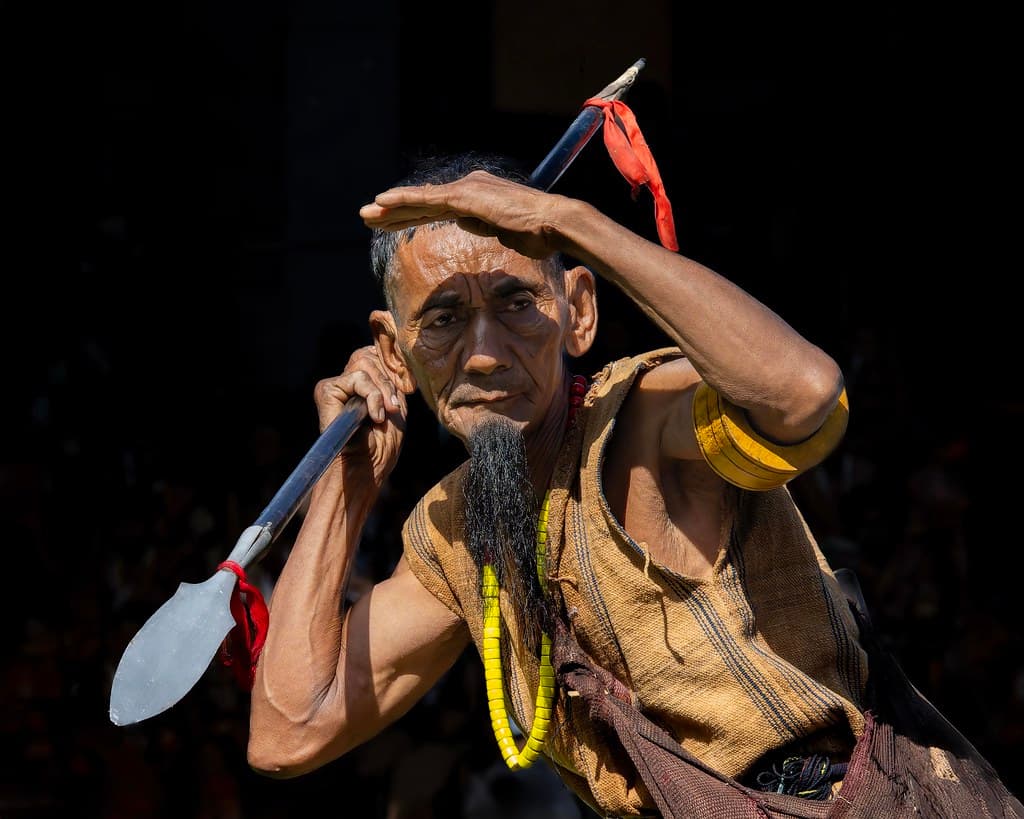
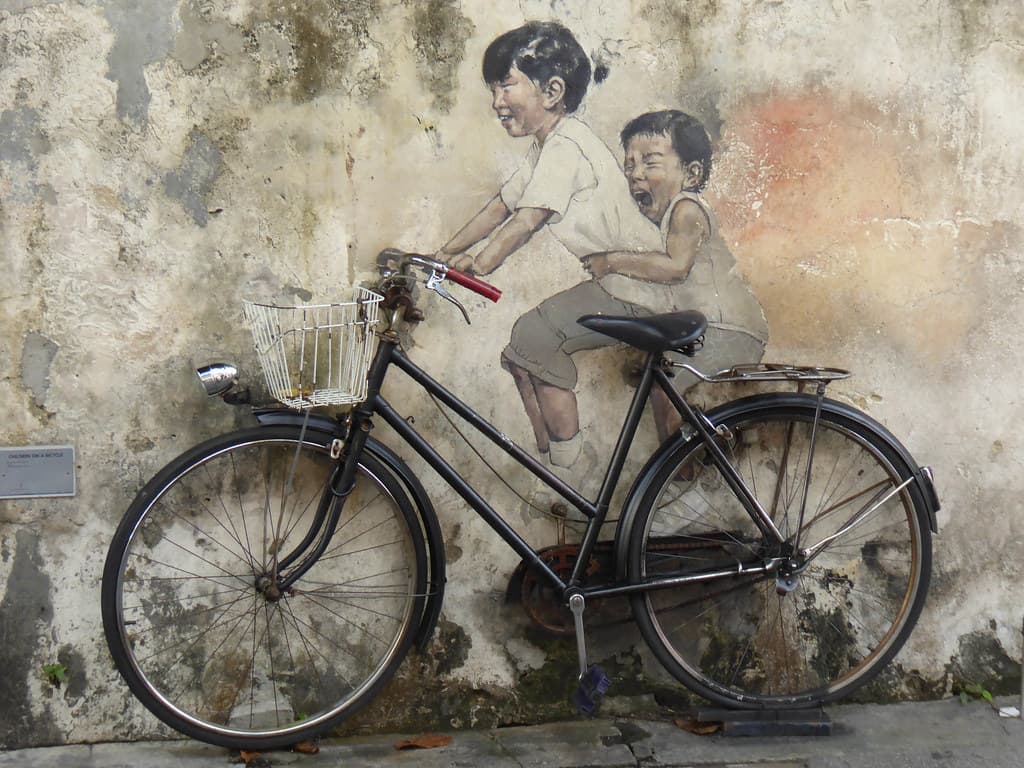
- Malaysia's other great cultural festival is the George Town Festival in Penang, and Nagaland's Hornbill Festival is another celebration of indigenous music and craft, in December.
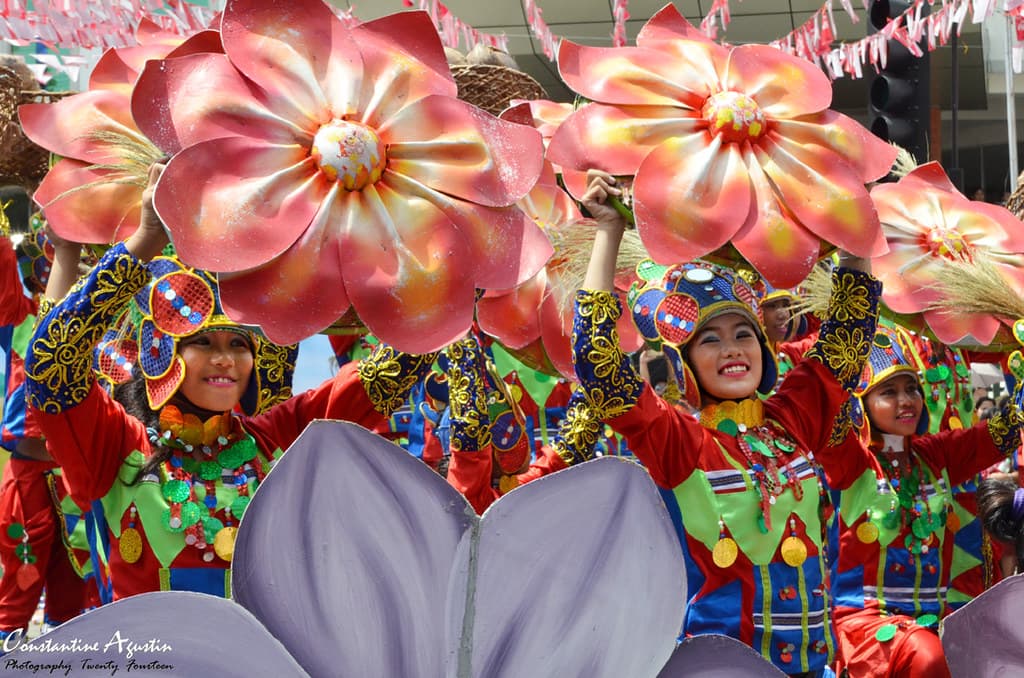
- In the Philippines, Davao's Kadayawan Festival celebrates the region's indigenous peoples in August.
Frequently asked questions
When is the Rainforest World Music Festival?
Usually over a Friday-to-Sunday weekend in late June or early July. The 2026 edition ran from June 26 to 28. The dates for each year are announced by the Sarawak Tourism Board, usually early in the year, along with ticket sales on the festival's website.
Is it a festival for families?
Yes. The workshops and daytime sessions in particular are relaxed and child-friendly, and many local families come for the weekend. The evening concerts are louder and busier but still good-natured. Bring ear protection for small children, and plan for rain and mud.
Do I need to know world music to enjoy it?
Not at all. Most visitors know few of the bands before they arrive. The workshops explain the instruments and the music as they go, and the evening concerts are made for dancing. Discovering musicians you would never otherwise hear is exactly the point of the festival.