What is Panagbenga?
Baguio is a city in the mountains of northern Luzon, in the Philippines, about 1,500 metres above sea level. Known as the Summer Capital of the Philippines for its cool climate and pine forests, it is also the country's city of flowers. Every February, it celebrates the Panagbenga Flower Festival, a month of parades, street dancing and floats covered in flowers.
The name Panagbenga means "season of blooming" in Kankanaey, a language of the Cordillera region. The festival was created in 1995 and first held in 1996, as a way to help the city recover from the devastating Luzon earthquake of 1990, which killed more than a thousand people and destroyed much of Baguio. Its aim was to bring visitors back and celebrate the city's resilience, and it has grown into one of the biggest festivals in the Philippines, with its 30th edition in 2026.
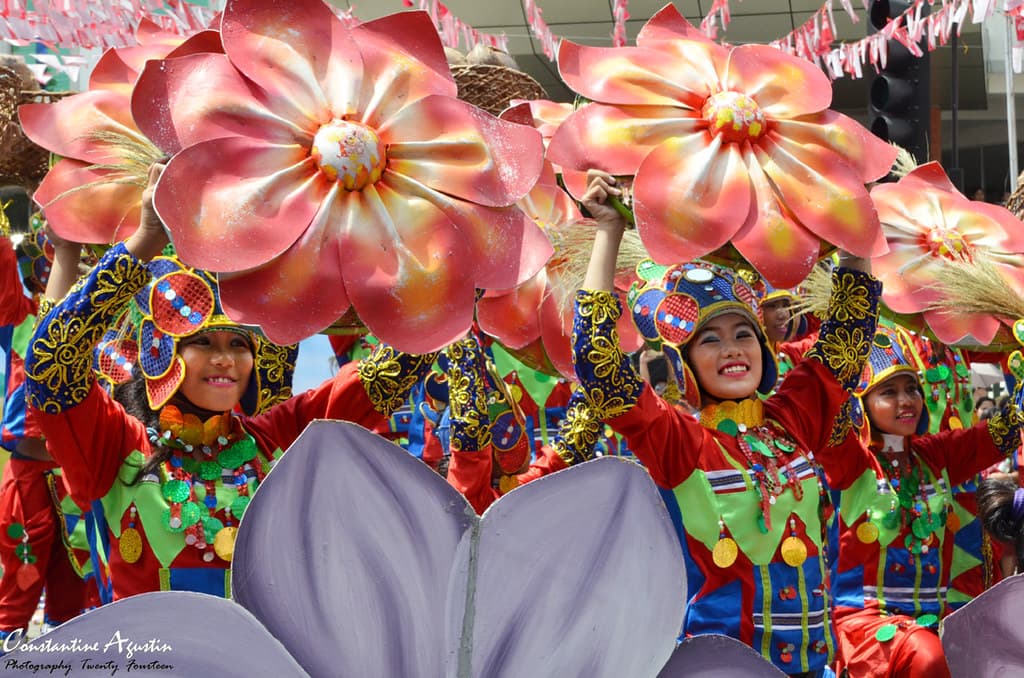
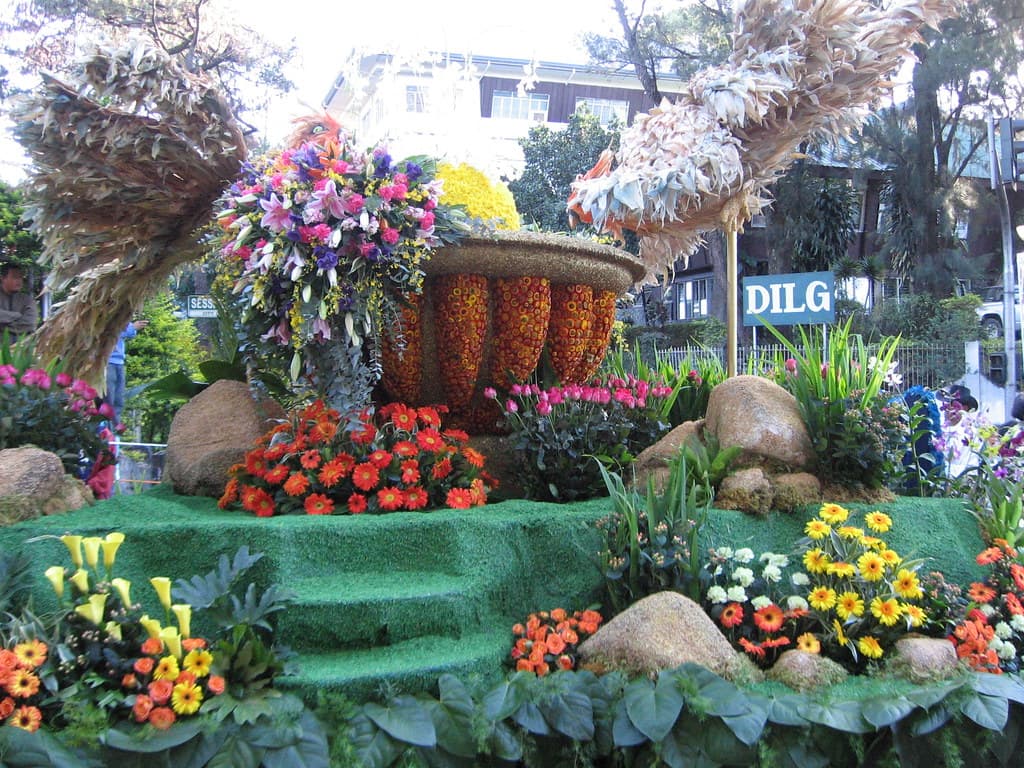
The festival runs through February. It opens on February 1 with a parade, and the highlight comes on a weekend near the end of the month, with two great parades. The Grand Street Dance features troupes of dancers in colourful costumes inspired by flowers and the traditions of the Cordillera, dancing to the beat of drums and gongs. The next day, the Grand Float Parade brings dozens of floats covered entirely in flowers, in the shapes of animals, landmarks and giant blooms, slowly winding down the city's main roads.
In the week after the parades, Session Road in Bloom turns the city's main street into a pedestrian zone with flower stalls, food stalls, crafts and music. The festival closes in early March with fireworks.
What to expect
The festival lasts about a month, from February 1 to early March, with its peak over the parade weekend.
February 1
The opening
The festival opens with a parade and performances, followed by weeks of smaller events, exhibitions and competitions across the city.
Parade weekend
Street dance and floats
On Saturday, the Grand Street Dance fills the streets with dancers. On Sunday, the Grand Float Parade brings dozens of flower-covered floats through the city.
The week after
Session Road in Bloom
Baguio's main street becomes a pedestrian market with flowers, food, crafts and music, before the closing fireworks in early March.
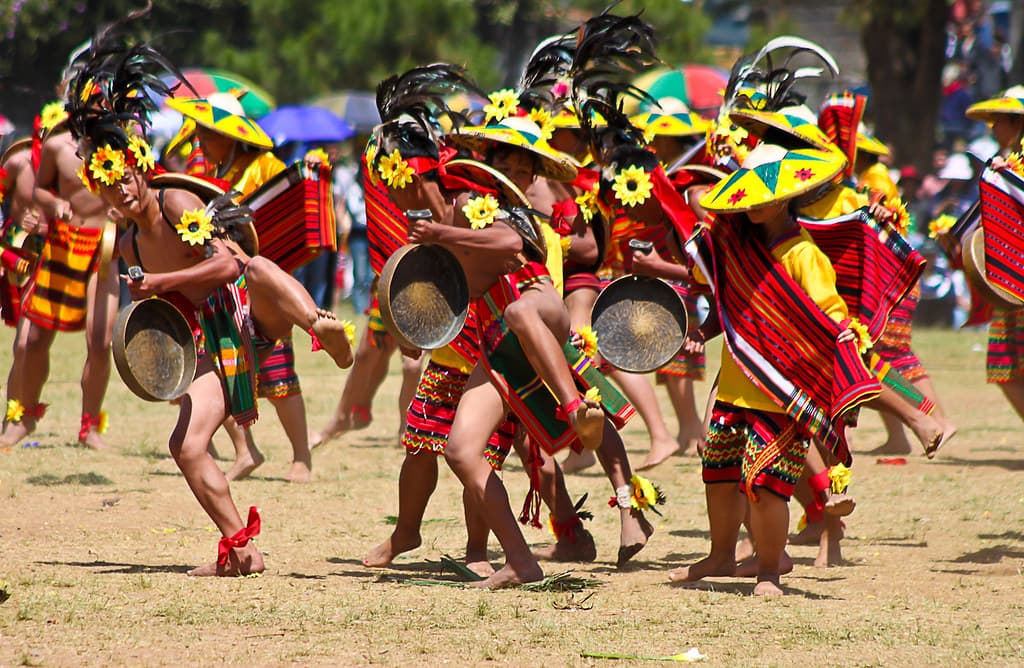
Street dancing at Panagbenga
Photo by Miguel Isidro Photography / flickr · CC BY 2.0
Planning your trip
Getting there
Most visitors come by bus from Manila, a ride of five to seven hours depending on traffic, or from Clark International Airport, which is closer. Baguio's small Loakan Airport has had limited commercial flights; check current services before planning around it.
Where to stay
Baguio has hotels, inns and homestays for every budget, but they fill up quickly for the parade weekend, so book early. Staying near Session Road or Burnham Park puts you close to the parades.
What it costs
The parades and street events are free. The Philippines is affordable, and Baguio is cheaper than Manila, though hotel prices rise during the festival.
Go like you know
- Visit the Baguio City Market for strawberries, vegetables, crafts and the famous strawberry taho.
- Walk through the pine forests of Camp John Hay or row a boat on the lake of Burnham Park.
- Visit the flower farms of La Trinidad, just outside the city.
- Bring a light jacket; Baguio's mountain air is cool in the mornings and evenings, a welcome change from the heat of Manila.
- Take the bus early in the morning or at night to avoid the worst traffic on the mountain roads into Baguio.
- Look out for the ethnic dances of the Cordillera peoples, performed with gongs, which inspire many of the street dance costumes.
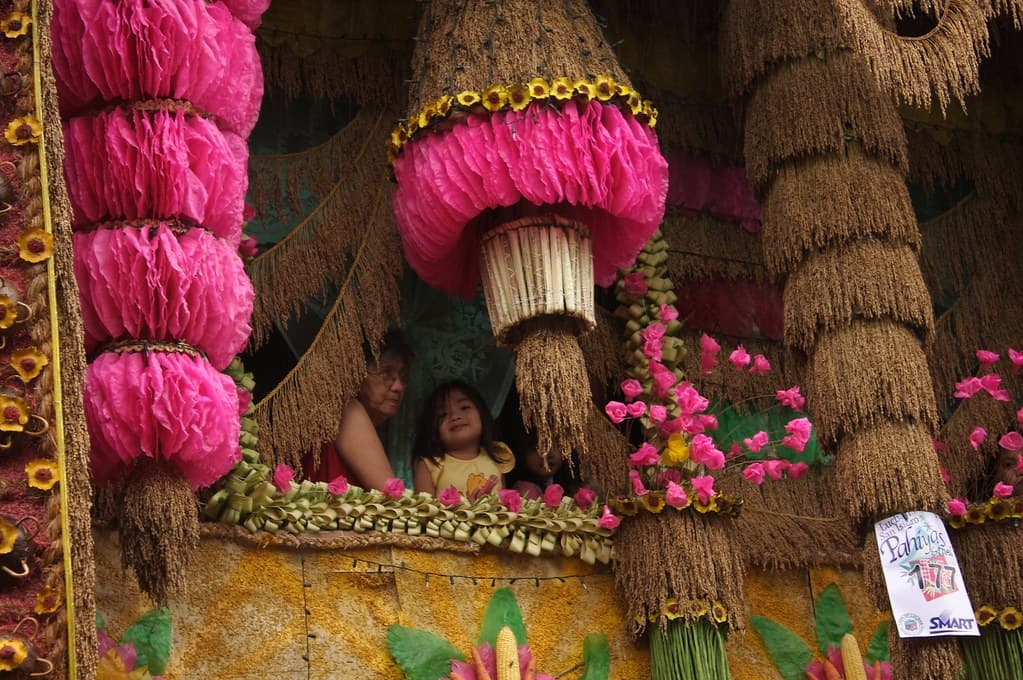
- Lucban's Pahiyas Festival, in May, covers houses in colourful rice wafers and harvest decorations.
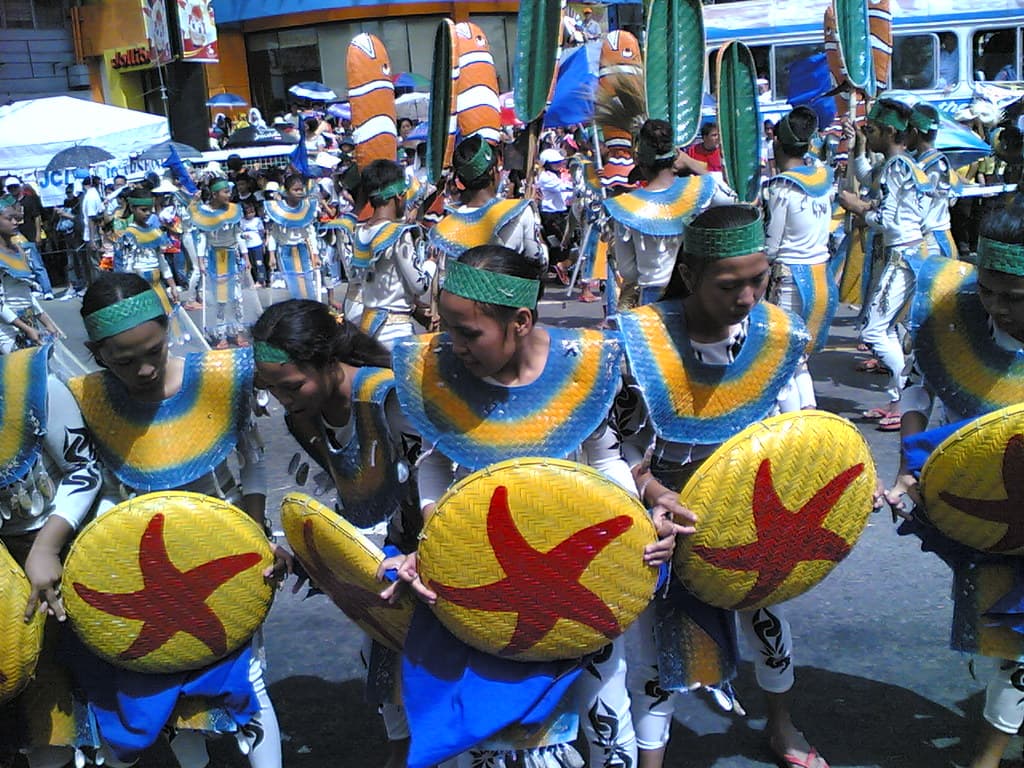
- Cebu's Sinulog, in January, is the Philippines' other great street dance festival.
Frequently asked questions
When is Panagbenga?
Through February, from February 1 to early March. The main parades take place on a weekend near the end of February: in 2026, the Grand Street Dance was on February 28 and the Grand Float Parade on March 1. The 2027 dates are announced by the city before the festival.
What does Panagbenga mean?
Panagbenga means "season of blooming" in Kankanaey, a language of the Cordillera region of northern Luzon. The festival was created to celebrate Baguio's flowers and help the city recover from the earthquake of 1990, which destroyed much of Baguio and killed more than a thousand people.
Is Panagbenga crowded?
Very, on the parade weekend. Tens of thousands of people come to Baguio for the Grand Street Dance and the Grand Float Parade, and hotels, restaurants and roads are packed. The rest of the month is calmer, with smaller events, and a good time to enjoy the city and its flowers.