What is the New Orleans Jazz & Heritage Festival?
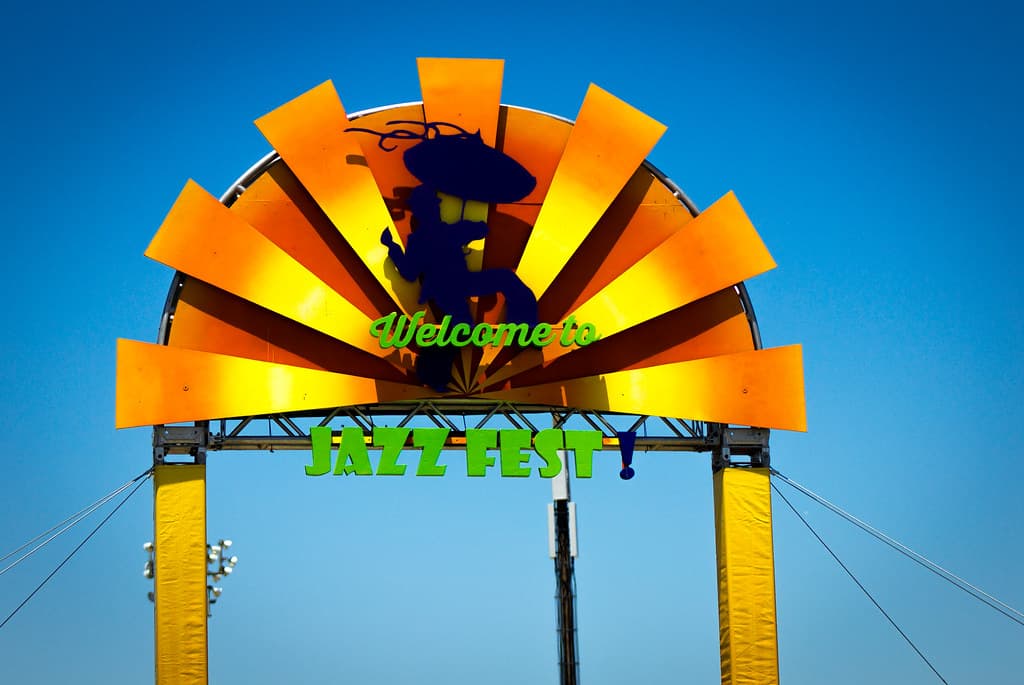
New Orleans is the birthplace of jazz, and every spring it throws a party for all the music and culture that grew up around it. The New Orleans Jazz & Heritage Festival, known simply as Jazz Fest, began in 1970 with a few hundred people in a park on the site of Congo Square, where enslaved Africans once gathered on Sundays to play music and dance. It has since grown into one of the great music festivals of the world, drawing hundreds of thousands of people over two long weekends.
Since 1972 it has been held at the Fair Grounds Race Course, a horse racing track in the city. Its infield fills with more than a dozen stages and tents: the big outdoor stages host headliners from rock, pop, soul and R&B, but the heart of the festival is Louisiana's own music. The Jazz Tent, the Blues Tent and the Gospel Tent, along with stages for Cajun, zydeco, brass bands and local legends, showcase the musical traditions of the city and the state.
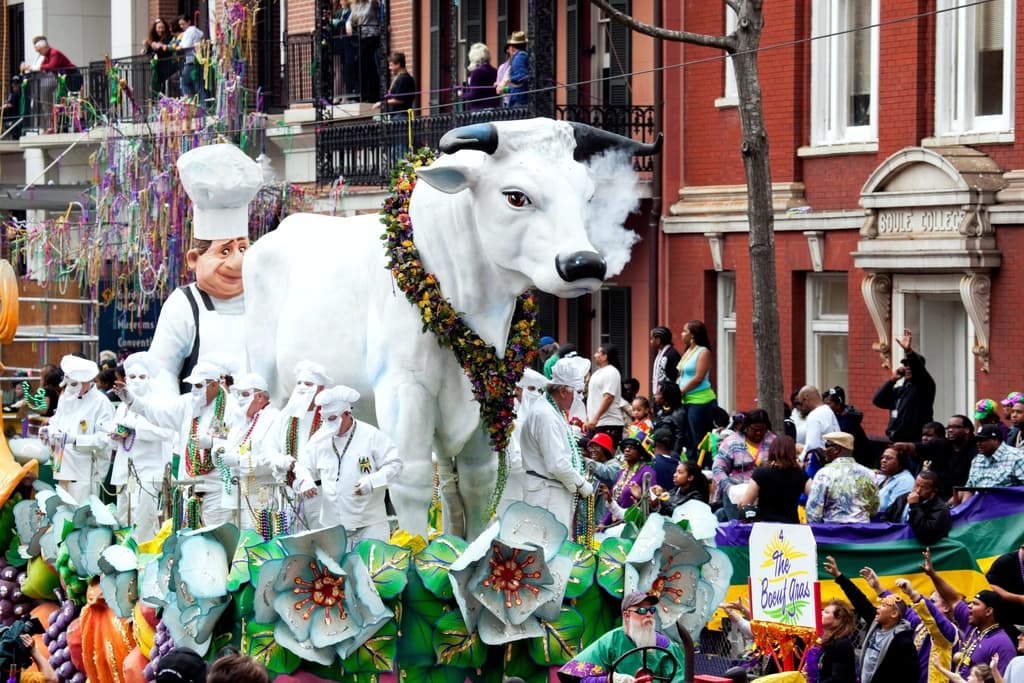
Jazz Fest is also a celebration of heritage. Mardi Gras Indians in their feathered suits and brass bands with social aid and pleasure clubs parade through the grounds, craft markets show the work of Louisiana and African artisans, and the food is as famous as the music: more than 70 booths run by local cooks, serving dishes such as crawfish Monica, po'boys, gumbo, jambalaya and red beans and rice. The festival's rule is simple: no carnival food, only local cooking.
Between the festival weekends, the city's clubs and bars fill with concerts every night, making the whole period a celebration.
What to expect
The festival runs over two long weekends, from late morning until early evening, with music in the city's clubs every night.
Late morning
The gates open
The gates open at the Fair Grounds and the first sets begin on all the stages. It's the best time to explore the food booths and craft markets before the crowds arrive.
Afternoon
Stages, tents and parades
Music runs on every stage through the afternoon, and parades of brass bands and Mardi Gras Indians wind through the crowd. The Gospel Tent is a favourite place to recover from the sun.
Evening
Headliners and night shows
The headliners close the day on the big stages, and after the grounds close, the music moves to clubs across the city, from Frenchmen Street to the Treme.
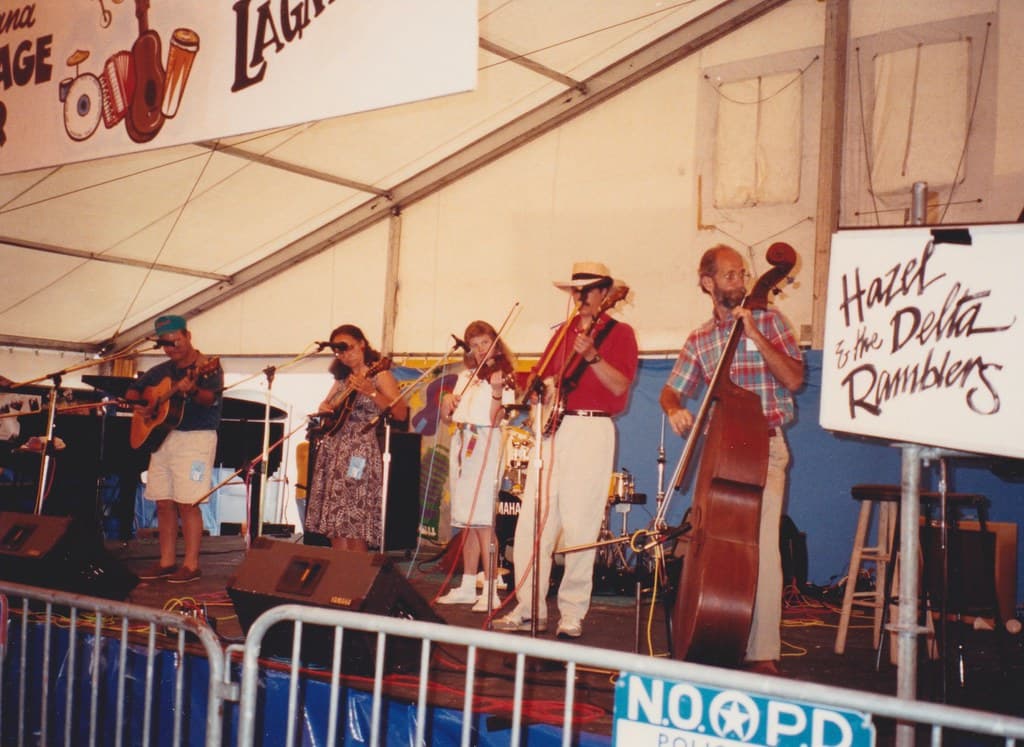
A band under one of Jazz Fest's tents
Photo by Infrogmation / flickr · CC BY 2.0
Planning your trip
Getting there
Louis Armstrong New Orleans International Airport has flights from across the United States and some international routes. The Fair Grounds are in Mid-City, reached by festival shuttle buses, taxis, the Canal Street streetcar plus a walk, or bicycle. Parking near the grounds is very limited.
Where to stay
The French Quarter, the Marigny, the Garden District and Mid-City are all good bases. Hotels fill early and charge peak rates for both weekends, so book months ahead. Short-term rentals and guesthouses in the residential neighbourhoods are an alternative.
What it costs
Daily tickets are expensive, and prices rise closer to the festival, so buy early. Food at the booths is reasonably priced for a festival. New Orleans hotels are at their most expensive during Jazz Fest, which is the main cost of the trip.
Go like you know
- Try crawfish Monica, the creamy crawfish pasta that has become a Jazz Fest legend.
- Catch at least one set in the Gospel Tent, whatever your beliefs.
- Head to Frenchmen Street at night for live music in small clubs.
- For the city's greatest party, see New Orleans' Mardi Gras, before Lent.
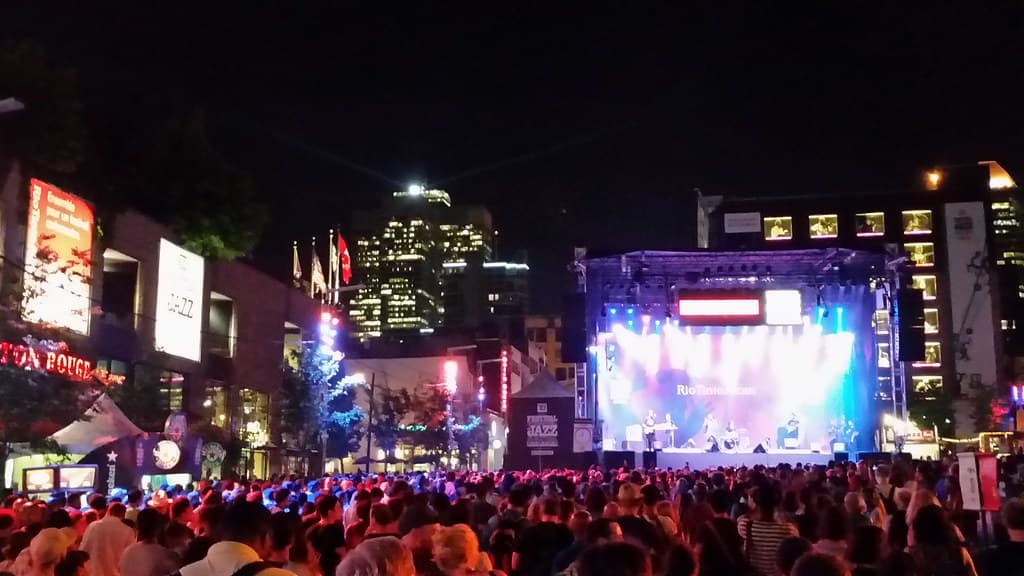
- Canada's Montreal International Jazz Festival, in late June, is the world's largest jazz festival.
Frequently asked questions
When is Jazz Fest?
Over two long weekends at the end of April and the start of May. In 2027, New Orleans' tourism board lists April 22 to 25 and April 29 to May 2. The line-up is usually announced in December or January, when single-day tickets go on sale.
Is it only jazz?
No. Jazz is at its core, but the festival covers all of Louisiana's music, including blues, gospel, R&B, Cajun, zydeco, brass bands and funk, as well as rock and pop headliners. Many people come as much for the local music, food and crafts as for the big names.
Can I bring food or chairs?
The festival allows some items, such as small blankets and sealed water, and bans others, and the rules change from year to year. Check the official website's list of allowed and prohibited items before you go, and leave space in your budget for the food booths, which are a highlight.