What is the Maltese village festa?
In Malta, summer belongs to the festa. From late spring to early autumn, almost every weekend, a town or village somewhere on the islands celebrates the feast of its patron saint with days of decorations, band marches, fireworks and processions. With dozens of parishes each holding their own festa, there is almost always one to find, and in 2023 UNESCO inscribed the Maltese village festa on its list of the Intangible Cultural Heritage of Humanity.
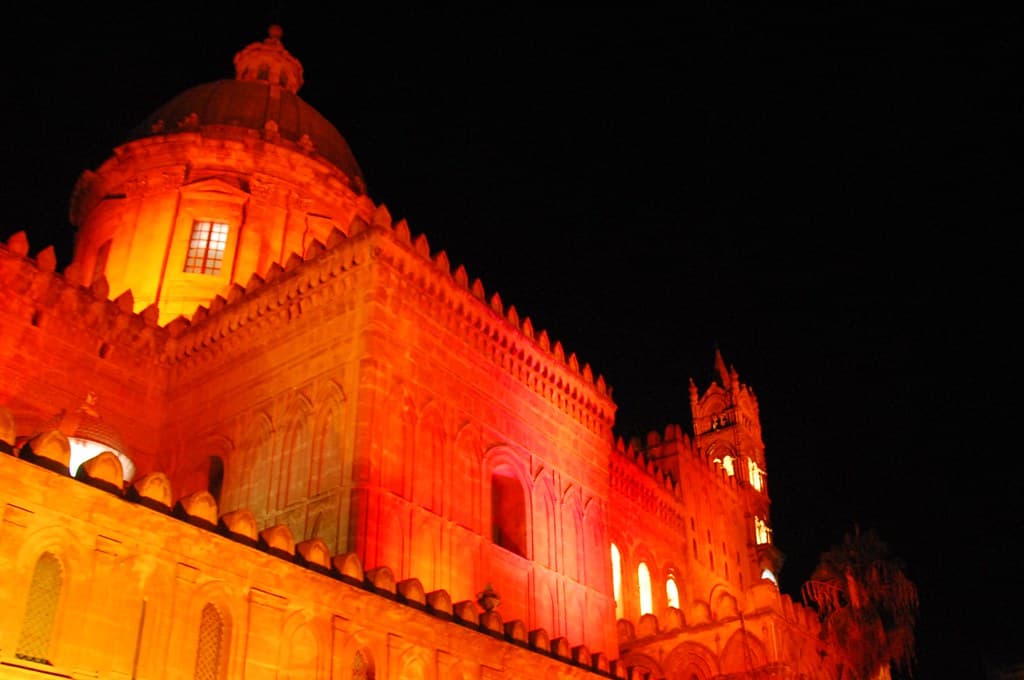
Each festa is the result of months of work by the parish and its volunteers. In the week before the feast, the streets are decorated with banners, statues on pedestals, garlands of lights and coloured flags, and the parish church is dressed in red damask and lit up at night. Brass bands march through the streets in the evenings, followed by crowds dancing and cheering, often in friendly rivalry with the band club of a rival saint in the same village.
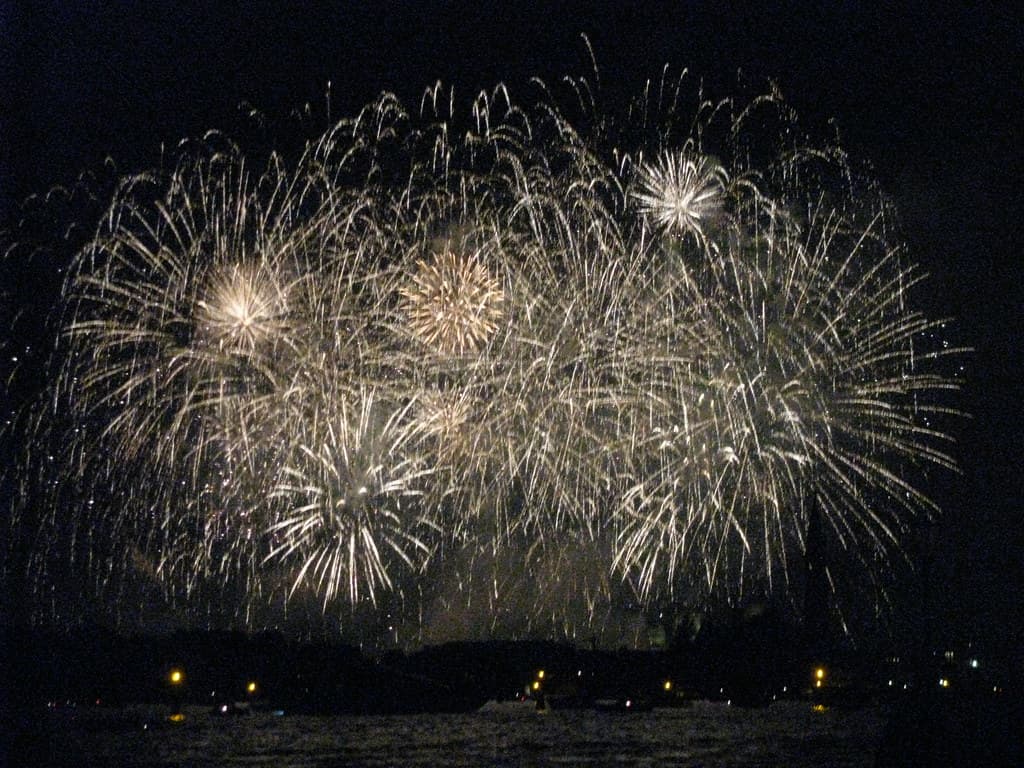
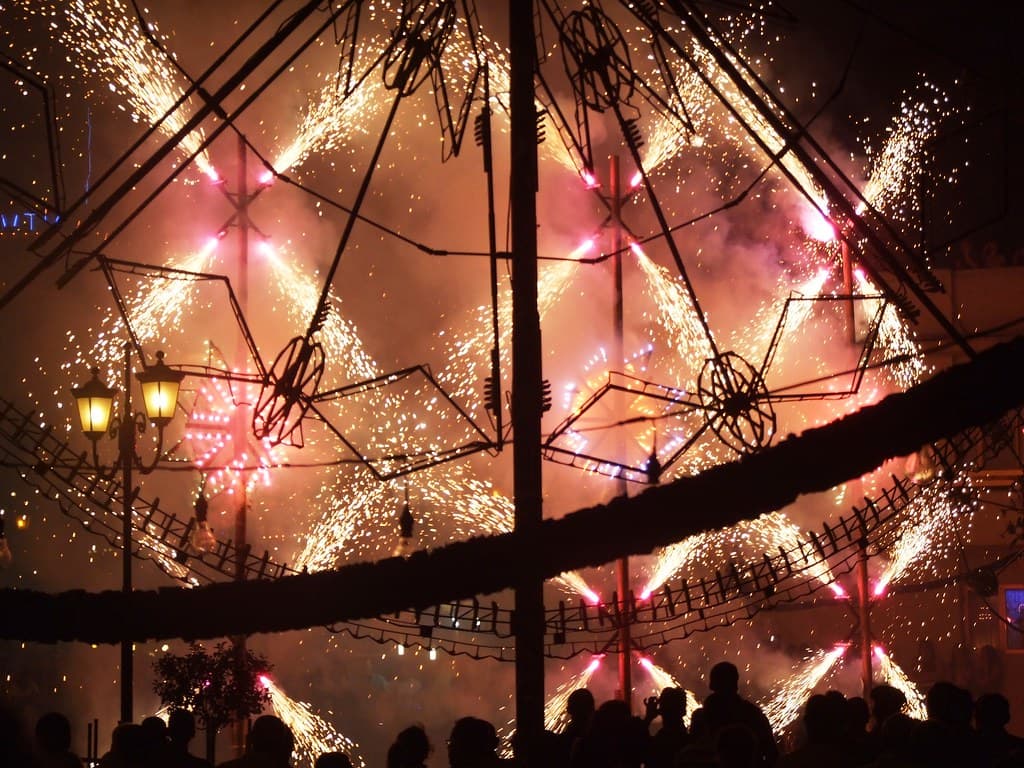
Fireworks are at the heart of the festa, and Malta is famous for them. During the day, petards explode overhead with deafening bangs. At night, villages compete to put on the most spectacular aerial displays, and some are known for their nar tal-art, ground fireworks, huge spinning Catherine wheels and set pieces that light up the village square. Towns such as Mqabba, Qrendi, Lija, Mosta and Mellieħa are known for their fireworks.
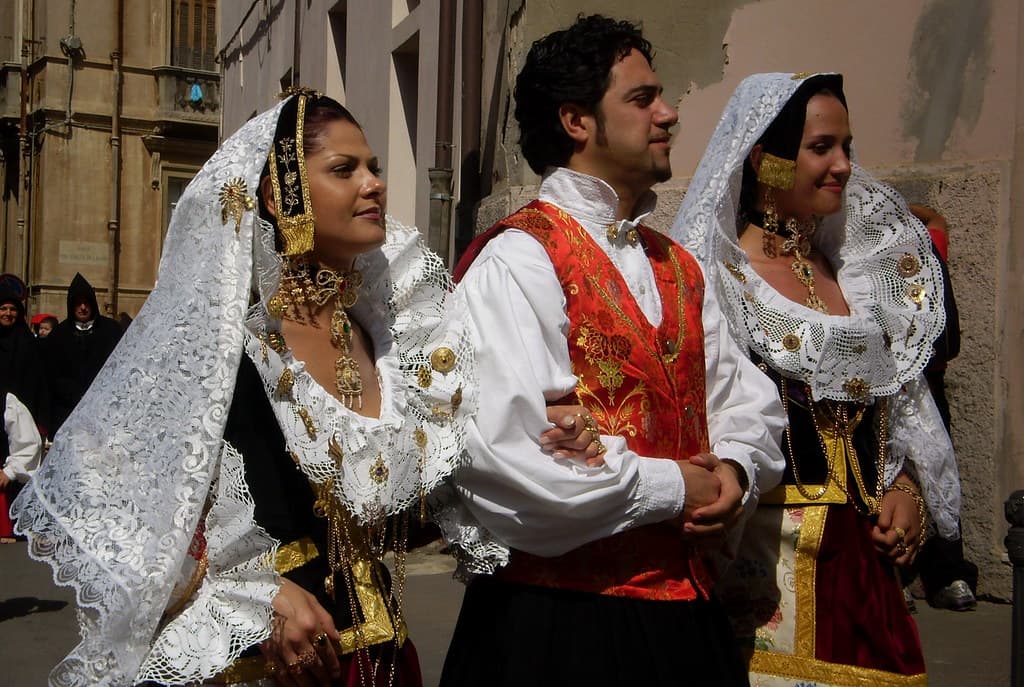
The climax is the feast day itself, usually a Sunday, when the statue of the patron saint is carried shoulder-high through the decorated streets in a solemn procession, accompanied by the band, clergy and the whole village.
What to expect
Each festa runs for about a week, with the biggest events on the weekend of the feast day.
During the week
Decorations and bands
The streets are decorated and lit up, the church is dressed for the feast, and brass bands march through the village in the evenings.
Saturday
Fireworks night
The eve of the feast brings band marches, crowds and fireworks, often including ground displays in the village square.
Sunday
The procession
The statue of the patron saint is carried through the streets in a procession, followed by more fireworks into the night.
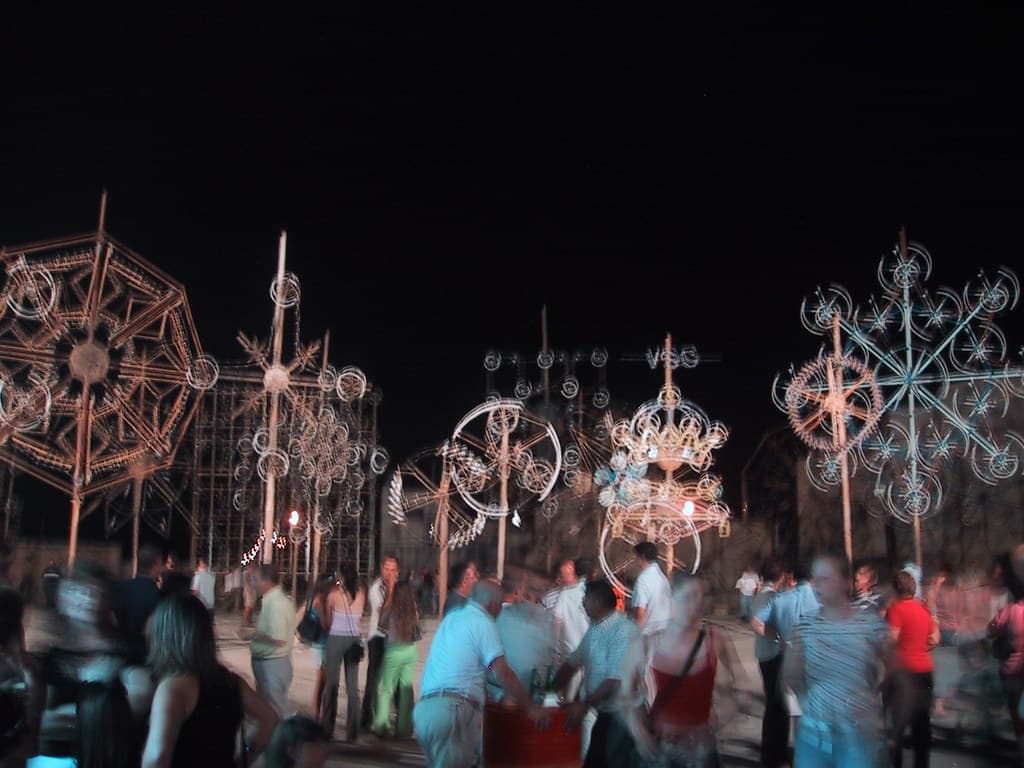
Ground fireworks ready for the festa night
Photo by chrismear / flickr · CC BY 2.0
Planning your trip
Getting there
Malta International Airport has flights from across Europe, and buses connect it with towns across the islands. Malta's bus network reaches every village, with extra night services for some big events, and taxis and ride apps are widely available.
Where to stay
Malta has hotels and apartments for all budgets, in Valletta, Sliema, St Julian's and the smaller towns. The islands are small, so you can stay in one place and travel to a different festa each weekend.
What it costs
The festas are free. Malta is moderately priced, and food and drink at the festa stalls, from nougat to fried snacks, are cheap.
Go like you know
- Try qubbajt, Maltese nougat, sold at stalls at every festa.
- Follow the band march through the village in the evening, and join the crowd.
- Visit the decorated parish church at night, when it is lit up inside and out.
- Go to Santa Marija on August 15, when several villages hold their festas on the same day.
- Venice's Festa del Redentore, in July, is another great Mediterranean feast of faith and fireworks.
- Cagliari's Sant'Efisio is a great religious procession on a Mediterranean island.
Frequently asked questions
When is festa season in Malta?
The festa season runs mainly from June to September, with some festas from late spring to early autumn. Almost every weekend, at least one village holds its festa, and August 15, the feast of Santa Marija, is one of the busiest days. Check local listings for each week's festas.
What is a festa?
A festa is the feast of a village's patron saint, celebrated over several days with decorations, band marches, fireworks and a procession of the saint's statue through the streets. Each village has its own festa and its own traditions, and many compete for the best fireworks and decorations.
Is the festa recognized by UNESCO?
Yes. In 2023, UNESCO inscribed the Maltese village festa on its Representative List of the Intangible Cultural Heritage of Humanity, recognizing the role of these celebrations in the life and identity of Malta's communities and the skills of the people who keep them alive.
Which festa should I go to?
It depends on the weekend you are in Malta. The Santa Marija festas on August 15, in places such as Mosta, Qrendi and Gudja, are among the biggest, while other villages are known for ground fireworks or decorations. Ask locals which festas are on that weekend, and pick one within easy bus reach.