What is Lewes Bonfire Night?
Across Britain, November 5 is Guy Fawkes Night, when towns light bonfires and set off fireworks to mark the failure of the 1605 Gunpowder Plot to blow up Parliament. Most places hold a tidy family fireworks display on the nearest weekend. Lewes, the county town of East Sussex, does something else entirely, and it does it on the night itself.
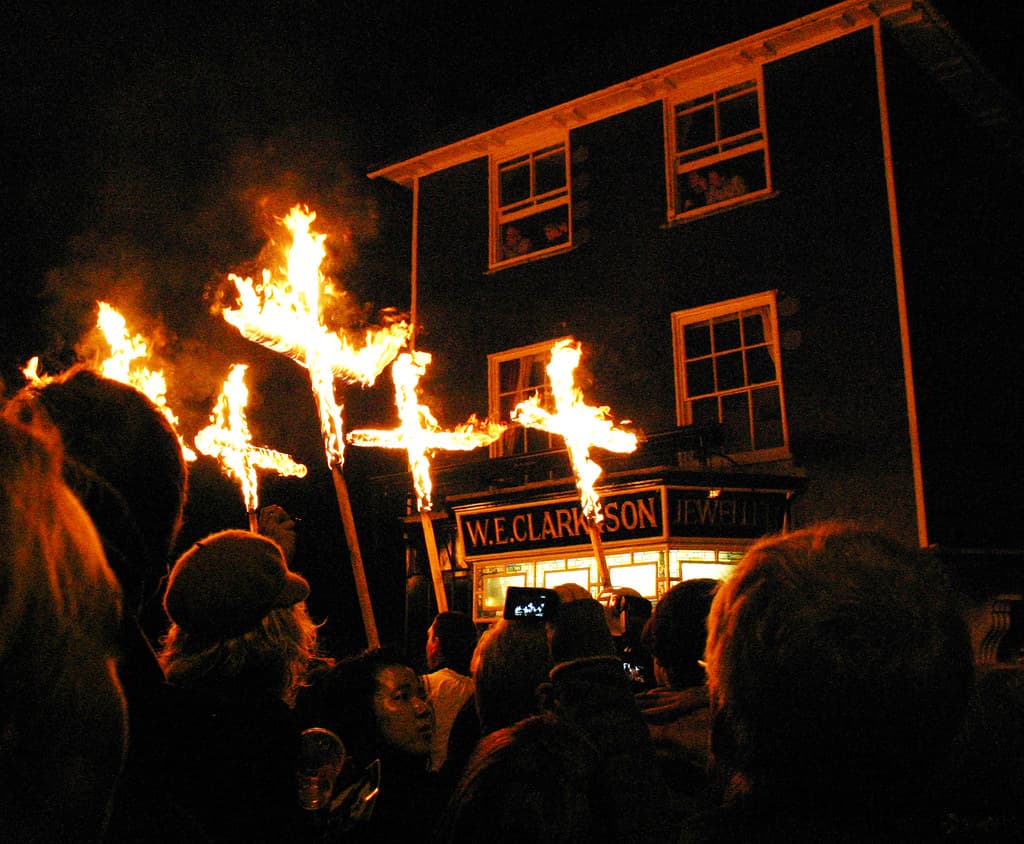
The town's celebration also carries an older and darker memory. Between 1555 and 1557, during the reign of Mary I, seventeen Protestants were burned at the stake on Lewes High Street. The seventeen burning crosses carried in the processions commemorate them, and the town's mix of anti-papal history and fierce local pride gives the night an edge you will not find at a municipal fireworks show.
The celebrations are run by six adult bonfire societies: Cliffe, Commercial Square, Lewes Borough, Southover, South Street and Waterloo, plus a juvenile society, Nevill Juvenile. Each has its own colors, costumes, route and fire site, and each spends the whole year building tableaux and giant effigies. Some effigies show Guy Fawkes or Pope Paul V, who became pope in 1605, the year of the plot; others satirize whichever public figure has annoyed the societies most that year, and they are blown to pieces at the end of the night. Visiting societies march too, and tens of thousands of spectators (a BBC report put 2024 at around 40,000) squeeze into a town built for far fewer.
Remember, remember the fifth of November.
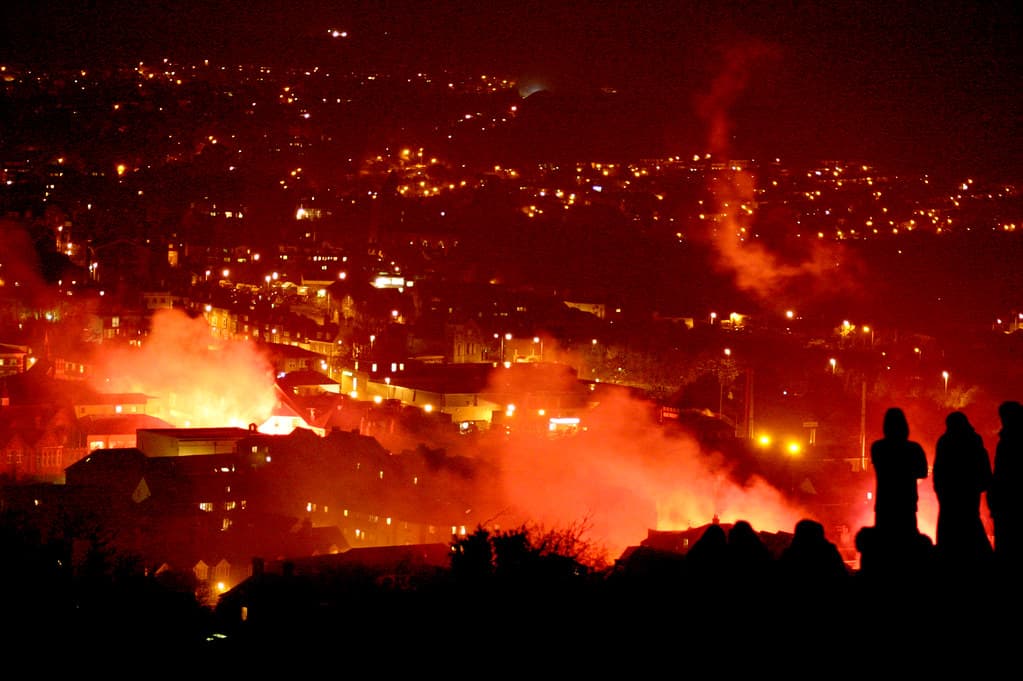
Watching the fire sites glow over Lewes from the hills above town
Photo by Dominic's pics / flickr · CC BY 2.0
What to expect
The night runs from late afternoon until well after midnight, with processions overlapping across town. Timings shift from society to society, so treat the times below as a rhythm rather than a timetable.
Late afternoon
Roads close, crowds build
Lewes seals itself off (road closures begin around 4:45 pm), and the streets fill with spectators claiming a spot along the High Street and Cliffe. Children's processions start the evening, from about 5:30 pm.
Early evening
The society processions
Each society marches its own route with torches, bands, banners and members in striped smugglers' jerseys or historical costume. The seventeen crosses pass, and flaming tar barrels are run through the streets.
Evening
Remembrance and the river
The seventeen crosses are carried to the war memorial for a wreath-laying, and the Cliffe society throws a burning tar barrel into the River Ouse, a nod to the magistrates who were once thrown in.
Late night
Fire sites
Each society leads its members to its own fire site on the edge of town for a huge bonfire, fireworks and the destruction of the effigies. Most sites are ticketed.
Planning your trip
Getting there
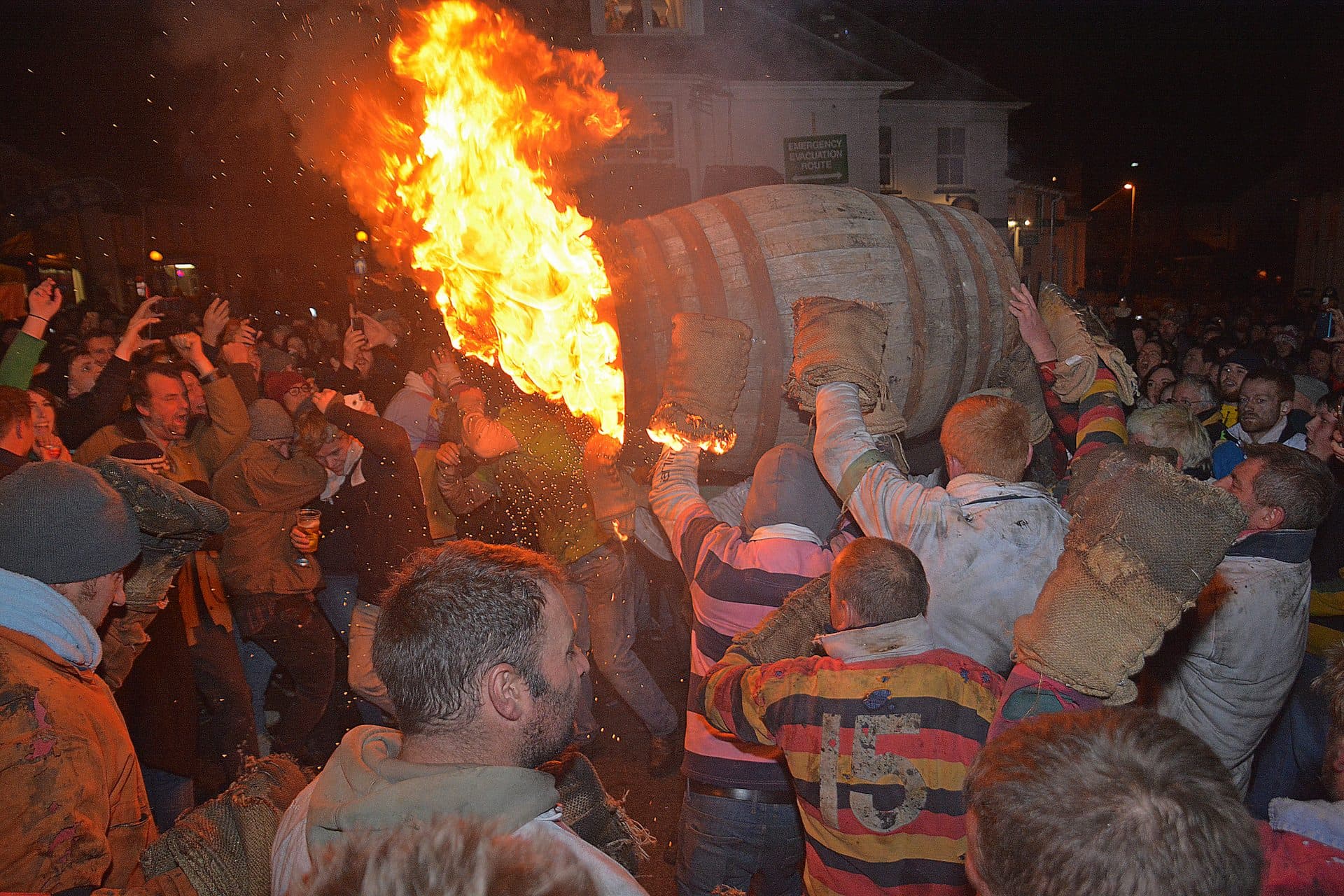
Lewes sits in the South Downs, about an hour by train from London Victoria and a short hop (around 16 minutes) from Brighton. On Bonfire Night, though, ordinary travel stops working. Rail operators and local authorities have said trains will not stop at Lewes, Falmer, Cooksbridge, Glynde or Southease from about 5 pm until service restarts the next day, roads into town close from late afternoon, and the societies and police openly ask outsiders not to come. If you go anyway, arrive in the early afternoon, plan to stay until the morning trains, or walk out to a pickup point outside the cordon. The same night, Devon's Ottery St Mary Tar Barrels carries blazing barrels through a small town, but it is a long way west, so choose one.
Where to stay
Most visitors base themselves in Brighton, which has far more beds and restaurants, and the late trains are the reason to sort a plan for getting back before you commit to a room. Lewes itself is small, so if you want a bed in town, book as early as you can.
What it costs
Watching the street processions is free. Fire-site tickets are priced and sold by each society, directly or through the Lewes Tourist Information Centre, so check each society's own channels for current prices. Beyond that, budget for a taxi or pickup out of town, since the trains will not carry you home.
Go like you know
- Bring earplugs. The bangers are loud enough to hurt, and they keep going for hours.
- Wear a wool or cotton outer layer. Synthetic jackets and sparks do not mix.
- Eat early. Pubs fill completely by the afternoon and food stalls are scarce on the processional routes.
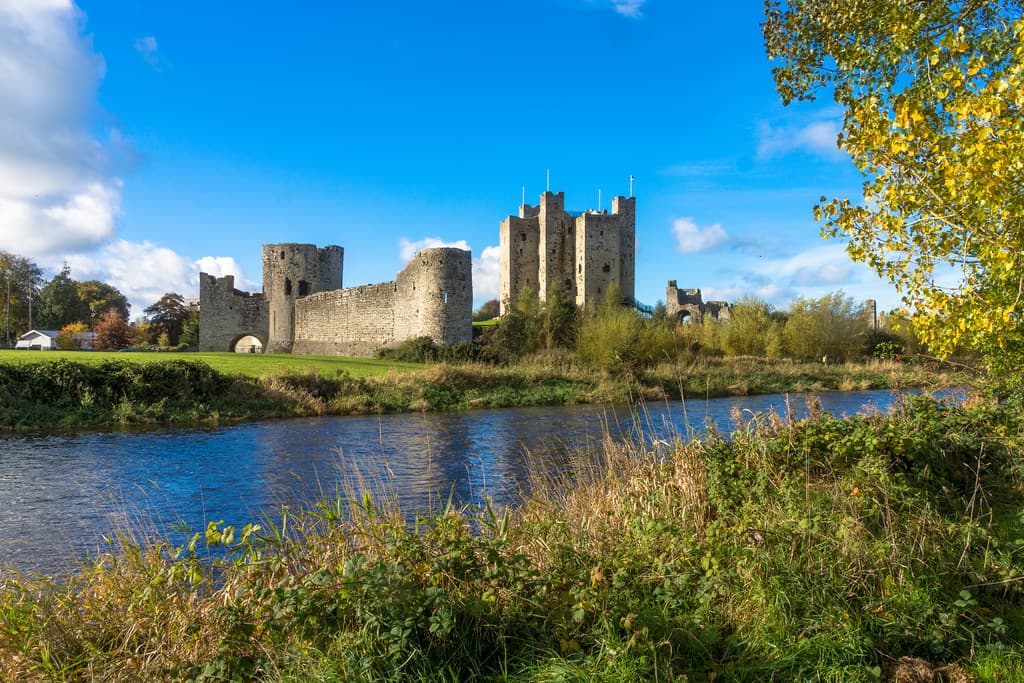
- Visit Lewes on another day to see the castle, the High Street and the Martyrs' Memorial in peace, so you understand what you are looking at on the night.
- If you cannot get to Lewes, many Sussex villages hold their own bonfire society nights through the autumn, with the same costumes and a fraction of the crowd.
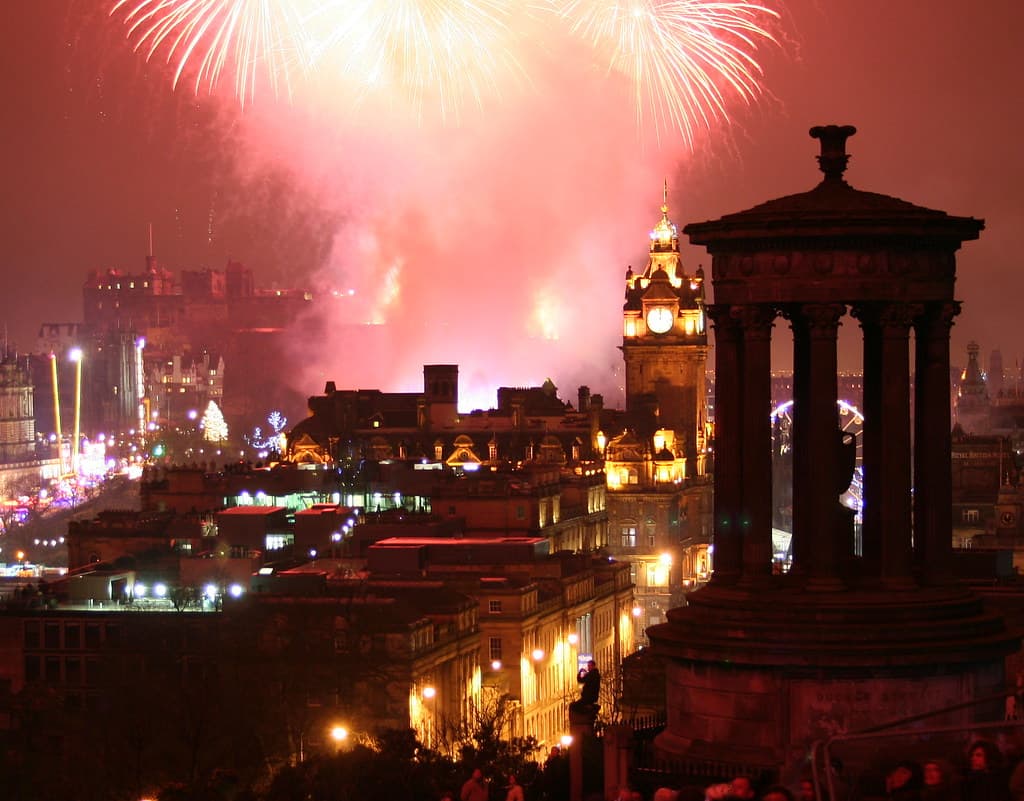
- Fire and torches suit you? Up Helly Aa in Shetland sends a thousand-odd torch-bearers through Lerwick in January, and Edinburgh's Hogmanay opens with a torchlight procession in late December.
Frequently asked questions
Is Lewes Bonfire Night suitable for children?
Older children who handle noise and crowds can enjoy the early processions from a safe spot. Toddlers and young children are a poor fit: the bangers are loud, the streets are packed and there is nowhere to retreat. Many local families watch the children's processions and then go home before the main evening.
Do I need tickets?
Watching the street processions is free. The bonfires, fireworks and effigy displays happen at the societies' fire sites, and most of those need a ticket bought in advance, either from the individual society or through the Lewes Tourist Information Centre. Check each society's channels early, because supply is limited.
Are the effigies offensive?
They are meant to provoke. Alongside Guy Fawkes, societies build effigies of politicians and other public figures who made headlines that year, and the choices regularly cause controversy. The tradition is rooted in political satire and religious history, and visitors should expect strong opinions rather than a family show.
How do I get home afterward?
Plan it before you arrive. Trains stop calling at Lewes from about 5 pm and do not restart until the next day's service, and roads stay closed until the crowds thin. Check rail and bus operators' bonfire arrangements, book any taxi pickup outside the closure zone, and expect long queues whatever you choose.