What is Sziget Festival?
Sziget means "island" in Hungarian, and the festival lives up to its name. For about a week every August, Óbuda Island, a leafy, roughly 100-hectare island in the Danube in northern Budapest, becomes one of the biggest music festivals in Europe, with dozens of stages, circus tents, art, sport and a campsite under the trees, a short ride from the centre of one of Europe's most beautiful capitals.
It began in 1993 as Diáksziget, Student Island, organized by a group of music fans as a summer gathering for young people after the end of communism. It grew quickly, took its current name in 2002, and has won awards as one of Europe's best major festivals. In record years it has drawn more than half a million visits over the week, and around half of its visitors come from abroad, many of them from Western Europe.
Sziget's character comes from its mix: big international headliners on the main stage alongside world music, jazz, theatre, circus, workshops and late-night clubs, and a crowd from all over Europe camping together for the week. For many, it is as much a holiday as a festival, with afternoons in the city's thermal baths and nights on the island.
The island itself is a big part of the appeal. Shaded by old trees and surrounded by the river, it feels more like a park than a field, with paths winding between the stages, sculptures and installations hidden in the woods, and the lights of the city across the water at night. Some people come for a single headliner and end up staying all week.
What to expect
The festival runs for around six days, from midday until early morning, with the island open around the clock for campers.
Day Zero
The opening day
In 2026, the festival introduced a softer opening day before the main programme, with its own performances, as campers arrive and set up on the island.
Main days
Music and more
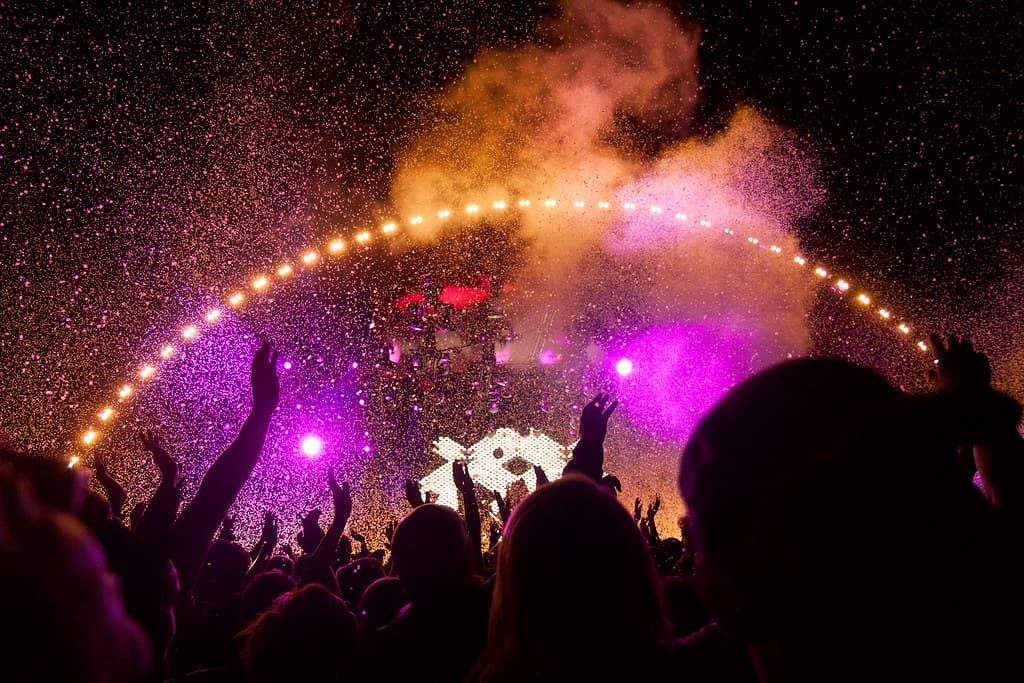
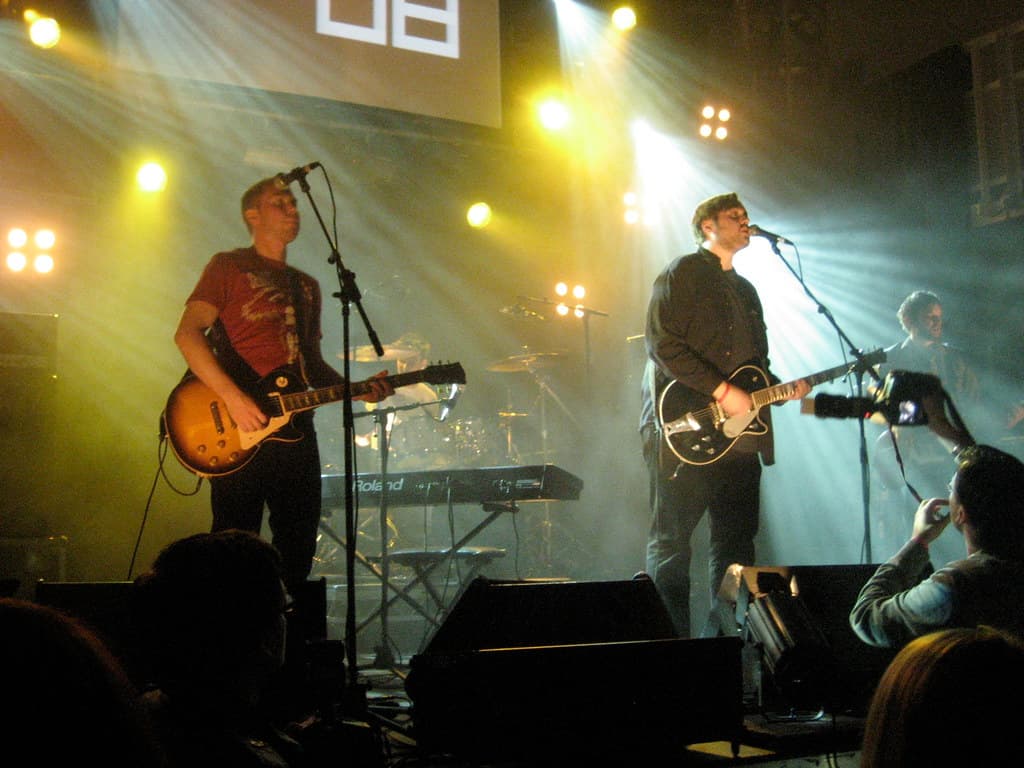
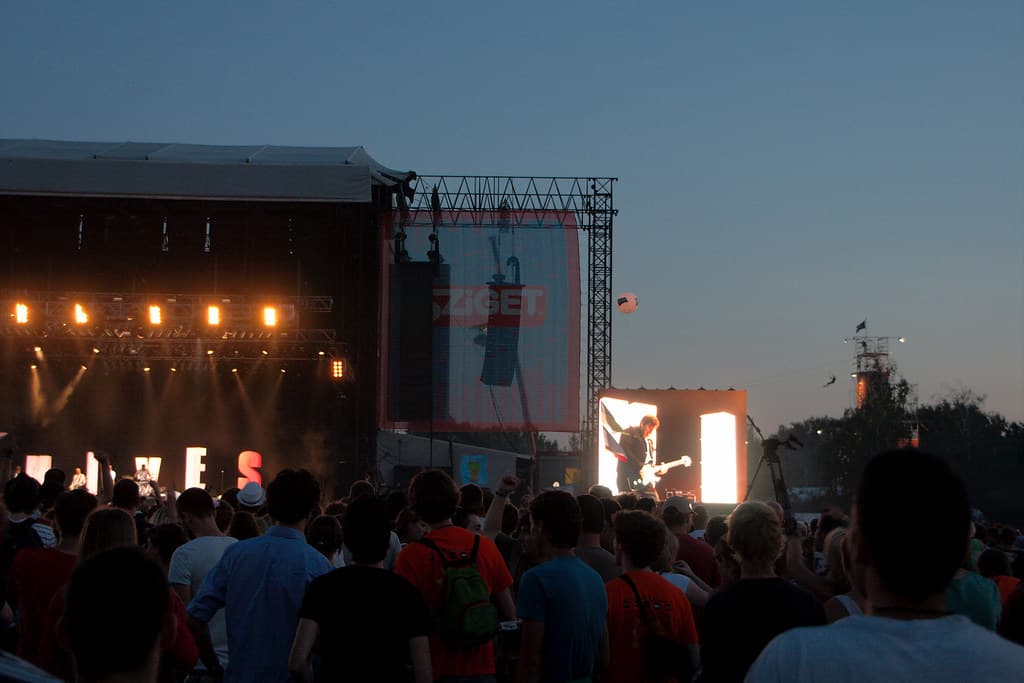
Each day, the main stage hosts international headliners in the evening, while other stages offer everything from world music and jazz to rock and electronic music. By day, the island is full of art, circus, sport and workshops.
Late nights
The clubs
After the main stage closes, the island's club venues and dance tents keep going until dawn.
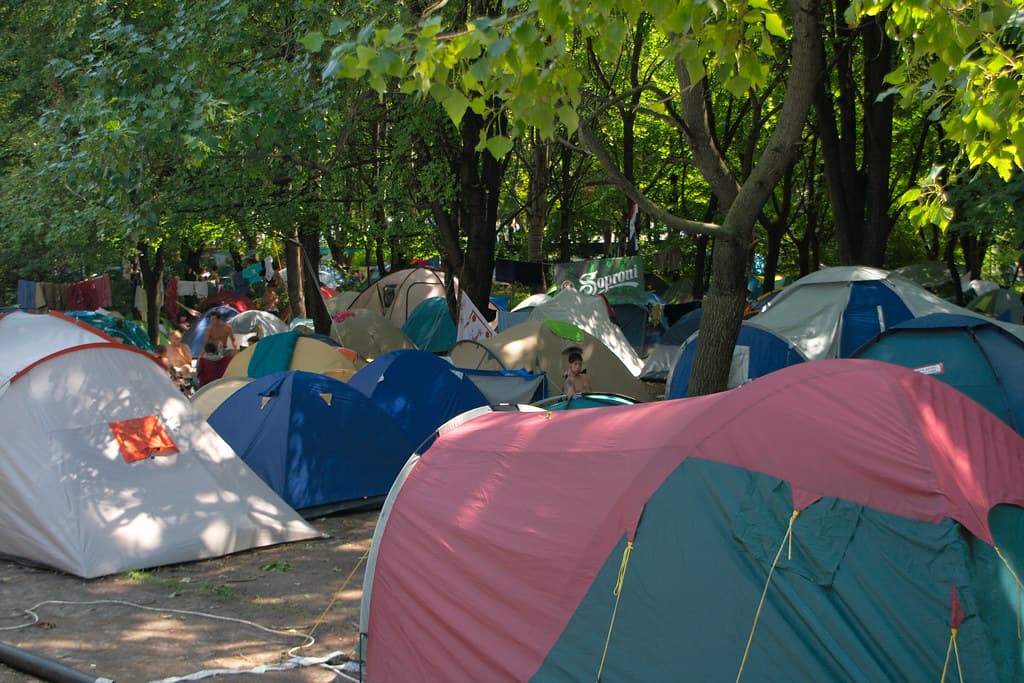
The Sziget campsite under the island's trees
Photo by Christian Haugen / flickr · CC BY 2.0
Planning your trip
Getting there
Budapest's airport has flights from across Europe, and buses and taxis run to the city. Óbuda Island is in the north of the city, reached by the HÉV suburban railway, buses and boats, with extra services during the festival. Many visitors from Western Europe come by train.
Where to stay
Camping on the island is the classic Sziget experience, with options from basic pitches to pre-pitched tents and more comfortable "glamping". Others stay in Budapest's hotels, hostels and apartments and commute to the island; the city is good value, and getting back late is easy.
What it costs
Five-day passes cost a few hundred euros, with shorter passes and day tickets available; camping is extra. Food and drink on the island are priced for a festival, but Budapest itself is affordable, and staying in the city can be cheaper than camping, especially for groups.
Go like you know
- Buy a multi-day pass rather than single days; it's better value and lets you settle into the island's rhythm.
- Explore beyond the main stage: the world music, jazz and circus tents are where Sziget feels unique.
- Visit a thermal bath to recover between festival days; the outdoor pools at Széchenyi are open into the evening.
- Denmark's Roskilde Festival, at the start of July, is the other great week-long festival of the European summer.
- Britain's Glastonbury Festival is the giant of the June festival season.
Frequently asked questions
When is Sziget Festival?
For about a week in early to mid August. In 2026 it ran from August 11 to 15, with an opening Day Zero on August 10. The organizers announce the next year's dates after each festival, so check the official site before booking travel.
Where is Sziget?
On Óbuda Island, also known as Hajógyári Island, in the Danube in the north of Budapest. It is close enough to the city centre that you can stay in Budapest and travel to the festival each day by suburban train, bus or boat.
Is Sziget suitable for families?
It is mainly a festival for young adults, especially at night, but many families visit for the day, when the island offers circus, art, sport and calmer stages. Check the festival's policies for children before you go, and bring ear protection for the main stage.