What is the Phaung Daw Oo Pagoda Festival?
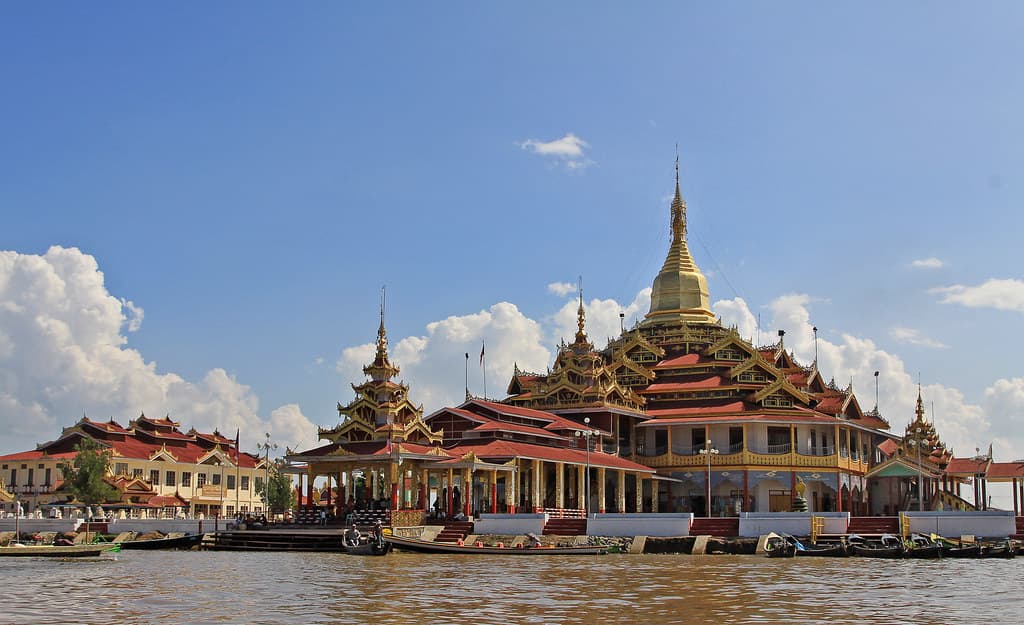
Phaung Daw Oo Pagoda (ဖောင်တော်ဦးဘုရားပွဲ) is the most revered shrine on Inle Lake, and its five small Buddha images are its heart. Each is only about nine to eighteen inches tall, and each has been covered in so many generations of devotional gold leaf that the original figure inside has long since vanished beneath a lumpen shell of gold. Tradition credits their arrival to King Alaungsithu of the Pagan (Bagan) Dynasty in the twelfth century.
For roughly eighteen days each autumn, four of those five images leave the pagoda and tour the lake. They ride an ornate replica royal barge shaped as a hintha (karaweik), a golden mythical bird, that is towed slowly across the water in a grand procession. The barge moves clockwise from village to village, the images resting overnight in each community's principal monastery before the circuit finally closes back at the pagoda.
The fifth image never travels. Legend holds that when the barge capsized in high winds in the 1960s and the images tumbled into the lake, that fifth Buddha was later found mysteriously back in its place at the monastery, so it is left home, safe, and never risked again. The empty spot beside its four companions is its own kind of presence.
What makes the spectacle unmistakably Inle is the rowing. The barge is towed by teams of Intha leg-rowers in matching costume, using the region's signature one-legged style: standing on the stern, one leg coiled around the oar, a technique found essentially nowhere else on earth.
Four of the five sacred Buddhas make the journey. The fifth, once lost to the lake and mysteriously returned, keeps to the pagoda forever.
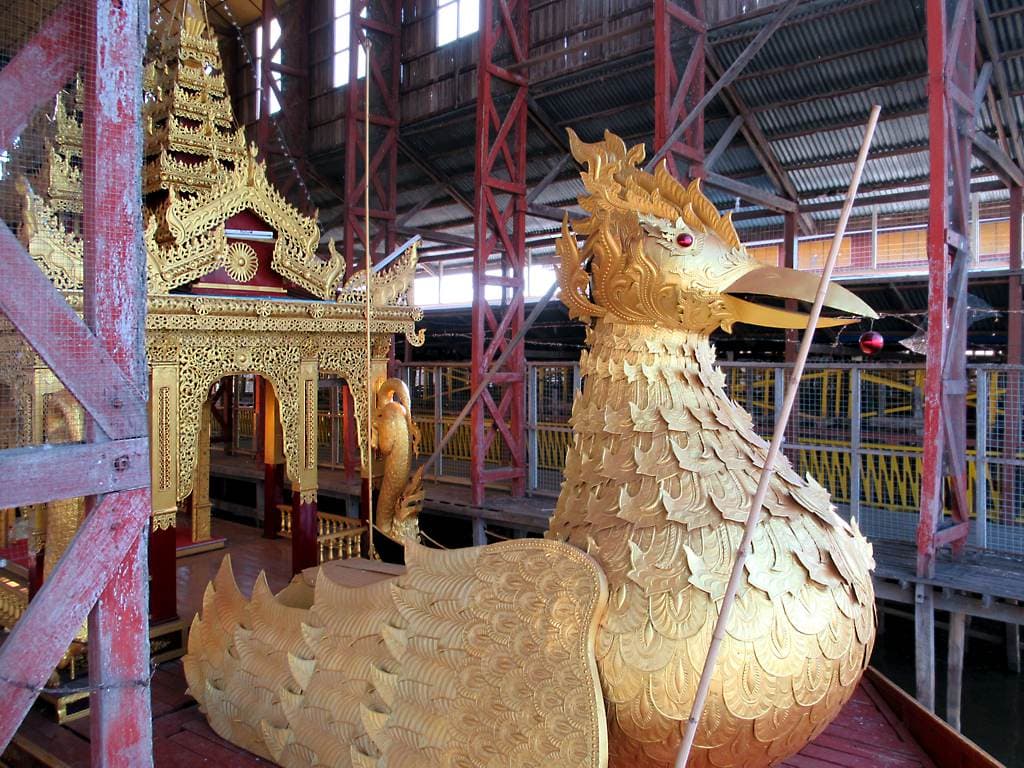
The golden royal barge at the heart of the Phaung Daw Oo festival
Photo by D-Stanley / flickr · CC BY 2.0
What to expect
The festival falls in the Burmese lunisolar month of Thadingyut, running about eighteen days from the first waxing day to the third day after the full moon, the end of Buddhist Lent. That places it in late September through October. Because the calendar is lunisolar, exact dates shift each year.
Opening days
The barge takes to the water
The four images are carried onto the golden hintha barge and the procession sets out across the lake. This is the most ceremonial stretch: leg-rowers in formation, the barge riding low and bright against the water and hills, and pilgrim boats gathering to follow it out.
The middle stretch
The village circuit
Over the following weeks the barge works around the lake, visiting lakeside villages (reports of the 2025 edition counted 21 stops). The images spend each night in a village monastery, so the daily rhythm is a slow water-borne parade from one community to the next, each hosting the Buddhas in turn with its own welcome.
Closing days
The boat races
Boat races between village teams, with leg-rowers fiercely contesting each course, are among the festival's best-known spectacles. Travel operators describe the largest races as coming near the end, as the images make their way back to the pagoda.
Planning your trip
Getting there
Start with the safety picture, because it decides whether you go at all.
If you do go, most visitors fly into Heho Airport and continue by road to Nyaungshwe, the lakeside gateway town, which is about 45 minutes to an hour by taxi. Watching anything on the water means hiring a motorized canoe with a boatman from Nyaungshwe. The procession only visits one village a day, so your boatman's local knowledge matters more than usual.
Where to stay
Base yourself in Nyaungshwe, or in a lakeside stilt hotel if you want to wake up on the water. Rooms around the lake are limited and festival weeks fill them, so book accommodation as far ahead as you can, and hire your boat and boatman a day ahead through your guesthouse.
What it costs
Guesthouses and boat hire are the main local costs, and both rise on peak festival days, so budget generously and agree a price for the boat before you set out. We found no published festival price list, so treat any figure you are quoted as negotiable. The larger spend is getting to Inle in the first place. Bring cash in kyat, since card acceptance around the lake can be patchy.
Go like you know
- Confirm the festival is actually running for your year before you commit to flights. Recent editions have been irregular, and dates are projected from the lunar calendar rather than officially announced.
- Dress modestly and remove shoes at monasteries. Since 2019 the pagoda trustees have stopped pilgrims adding more gold leaf to the images because they have grown so heavy; before that, only men were allowed to apply it.
- Follow the barge's schedule, not your own. Position yourself near the village hosting the images that day for the best view.
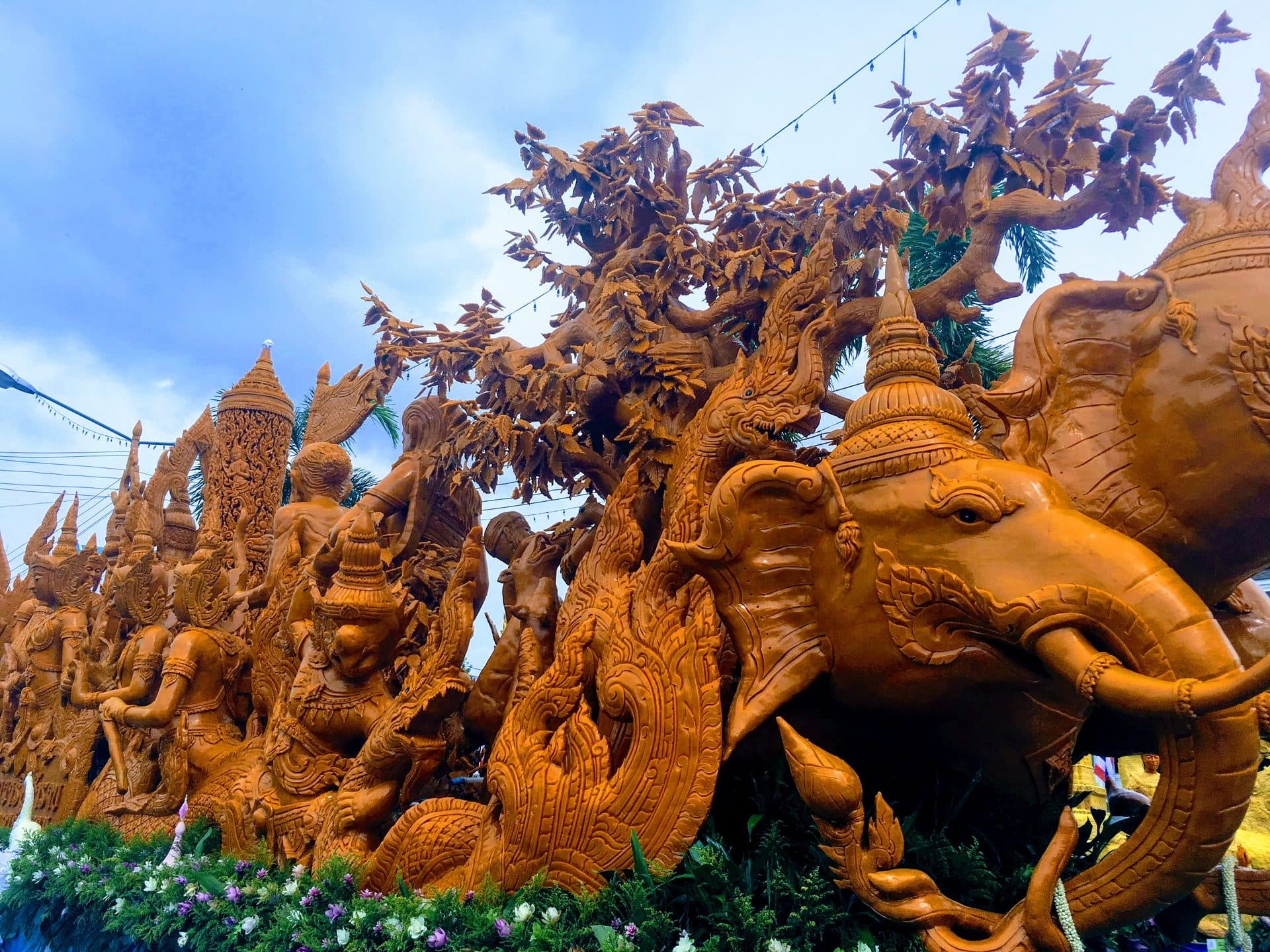
- Buddhist Lent has bookends: Thailand's Ubon Ratchathani Candle Festival marks its start around July, and Phaung Daw Oo arrives as it ends.
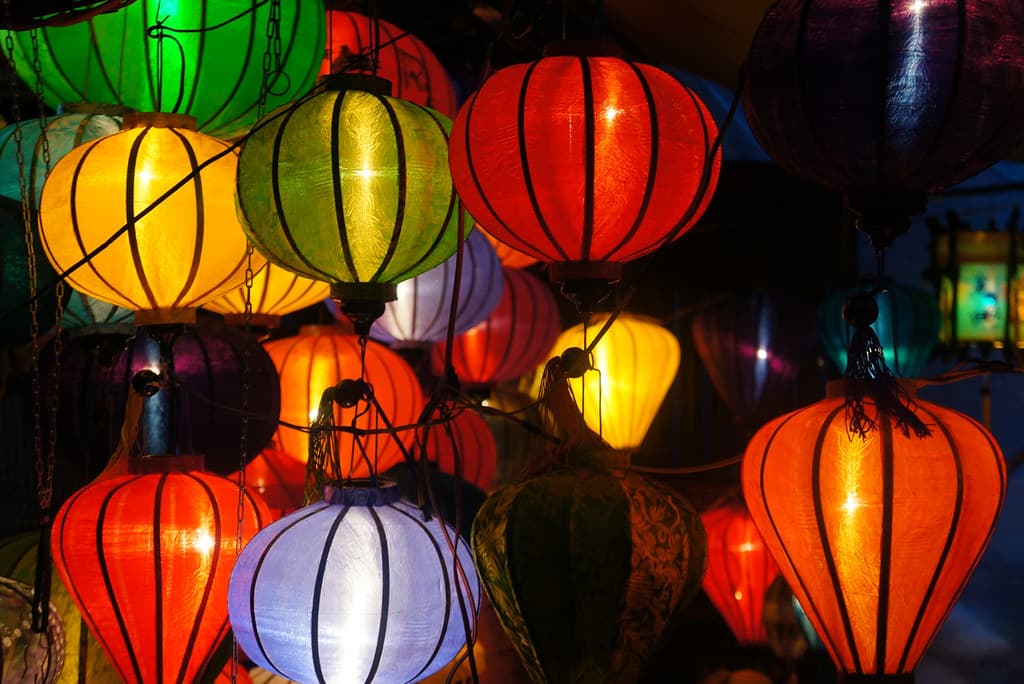
- Another autumn full-moon celebration, Tết Trung Thu, lights up Hoi An in late September or early October.
Frequently asked questions
Is it safe, and is the festival even running this year?
Both are open questions you must check yourself. Myanmar carries the severest travel advisory from the U.S., and other governments urge avoiding all or all but essential travel, citing armed conflict and instability, with Shan State affected. The festival has also run only intermittently since 2021, so verify advisories and confirm this year's staging before planning anything.
When exactly does it take place?
It follows the Burmese lunisolar month of Thadingyut: about eighteen days from the first waxing day to the third day after the full moon, in late September or October. The 2025 edition was reported to open on September 22. Future dates listed anywhere, including ours, are lunar estimates and can shift by a day or be cancelled outright.
Why do only four of the five Buddhas travel?
By legend, the barge capsized in high winds in the 1960s and the images fell into the lake. Four were recovered, but the fifth was later found mysteriously back in its place at the pagoda. Ever since, that image stays permanently at the monastery and is never taken onto the water.