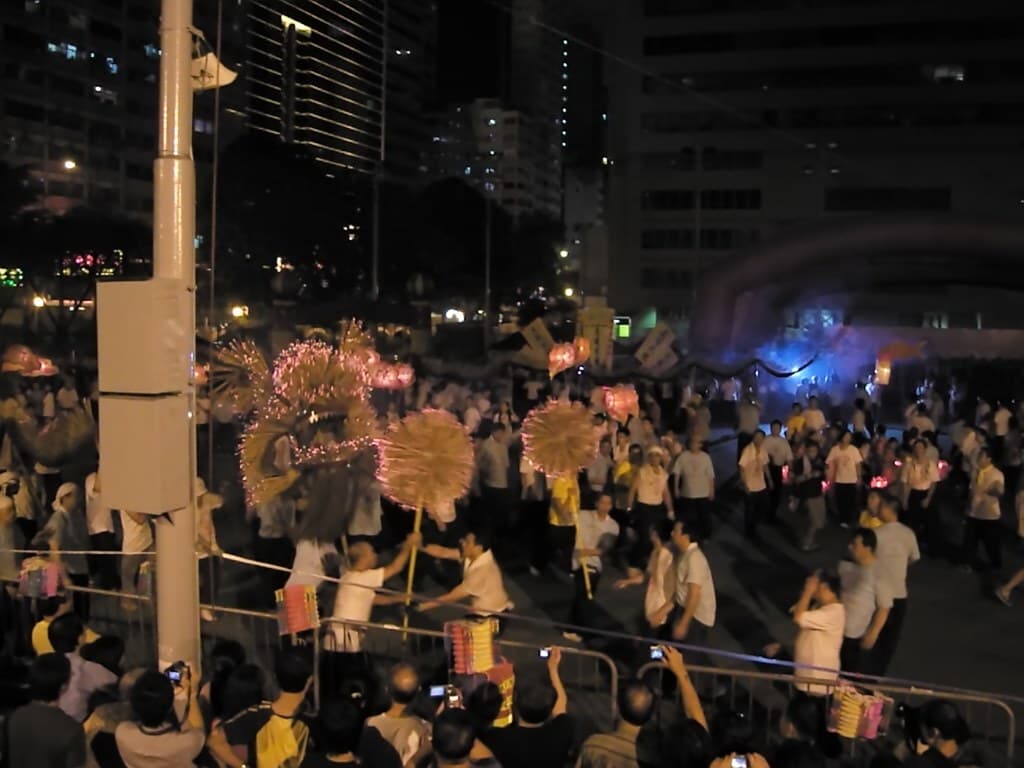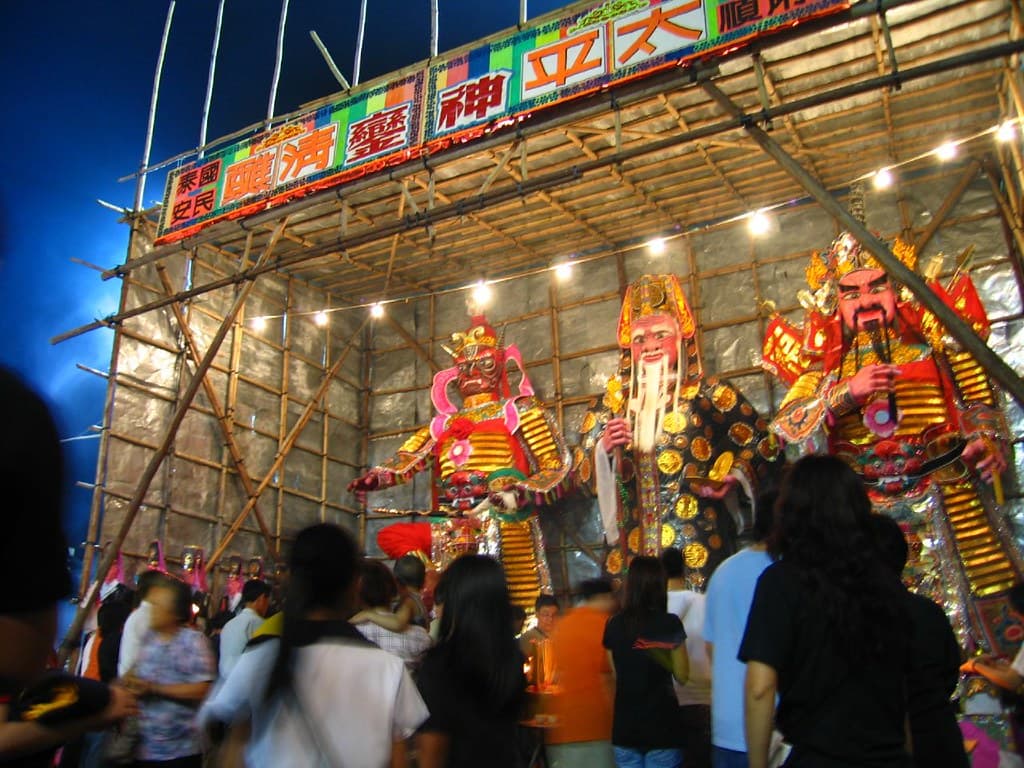
What is the Cheung Chau Bun Festival?
Cheung Chau is a small island off Hong Kong, a traditional fishing community with a lively harbor, narrow lanes and beaches. Its annual Tai Ping Ching Chiu (太平清醮) festival is a Taoist ritual that dates back to the Qing dynasty. According to local tradition, the island was struck by plague, and residents carried the image of the god Pak Tai through the streets to drive the disease away. The plague ended, and the festival has been held ever since to give thanks and pacify wandering spirits.
The festival lasts several days, with Taoist rituals and opera performances at the Pak Tai Temple. For about three days around the main procession, Cheung Chau turns vegetarian: butchers rest, and even fast-food chains change their menus. The festival culminates on the eighth day of the fourth lunar month, which is also Buddha's Birthday in Hong Kong.
The two most famous events are the Piu Sik parade, in which children in costume appear to float above the crowd, supported by hidden steel frames, and the bun scrambling competition, in which climbers race up a tower covered with buns to grab as many as possible. The buns, called ping on buns, are said to bring safety and good luck. In 2011 the festival was inscribed on China's national list of intangible cultural heritage, together with three other Hong Kong traditions, among them the Tai Hang Fire Dragon Dance.
A plague, a god and a tower of buns: the island has said thank you in the same way for generations.
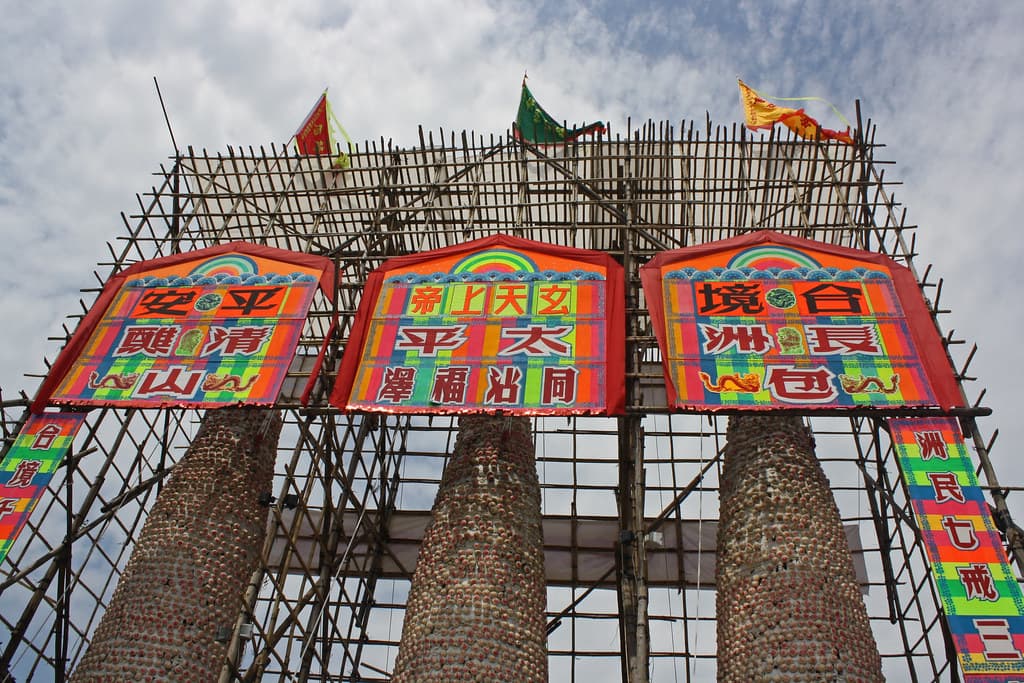
The bun towers on Cheung Chau, ready for the Bun Festival
Photo by istolethetv / flickr · CC BY 2.0
What to expect
The main day is packed with events, with rituals and preparations in the days before. In 2026 the Piu Sik parade set off around 2pm and the bun scramble ran from about 11:30pm into the early hours.
Days before
Rituals and bun towers
Taoist rituals and opera performances take place at the Pak Tai Temple, and bamboo towers covered with buns are built outside it.
Main day afternoon
Piu Sik parade
Children dressed as legendary and modern figures appear to float above the street in a parade through the island's main lanes, with lion dances and music.
Midnight
Bun scrambling
A dozen finalists race up a bun tower on the temple playground's football pitch, grabbing as many buns as they can in three minutes while crowds watch from ticketed zones.
Planning your trip
Getting there
Cheung Chau is reached by ferry from Central Pier 5 on Hong Kong Island. The fast ferry takes roughly 35 to 40 minutes, the ordinary ferry closer to an hour. On the main festival day extra sailings are added, but queues can be long, especially returning after the parade or the bun scramble. Arrive early and check the ferry company's special schedule. In 2026 a special ferry left the island for Central at 1:15am, after the scramble ended, and extra late-night buses ran from Central Pier to Mong Kok. Plan around that rather than the regular last sailing, which leaves around 11:30pm.
The island is small and walkable, with no cars, so once you land the festival is on foot. The harbor lanes get packed on the main day, so pack light and move with the flow.
Where to stay
Accommodation on Cheung Chau is limited, so most visitors return to Hong Kong Island or Kowloon in the evening. If you want to see the midnight bun scramble without a scramble for the last boat, book an island guesthouse well in advance.
What it costs
The parade, the bun scramble and the temple rituals are free to watch. In 2026 the 1,650 free scramble tickets were handed out on the night itself, from 10pm at a queue near the fire station, one per person, first come, first served, with the viewing zones opening at 10:30pm. If you would rather not queue, private operators sell paid options such as a VIP parade seat (HK$200 in 2026), though the free routes are the norm. The real costs are ferry fares, a souvenir bag of ping on buns, and a guesthouse bed if you stay over.
Go like you know
- Eat vegetarian during the festival; many restaurants offer special menus, and some simply close.
- Visit the Pak Tai Temple to see the rituals and offerings.
- Find a spot for the Piu Sik parade early, along the main lanes near the waterfront.
- Explore the island's beaches, such as Tung Wan, and its cliffside walks outside the festival hours.
- Try mango mochi and fish balls from street stalls, island favorites.
- Take an evening walk along the harbor promenade once the crowds thin out.
- Pair it with a second Hong Kong date: the Dragon Boat Festival comes about a month later, and the Tai Hang fire dragon follows with the autumn moon.
Frequently asked questions
When is the Cheung Chau Bun Festival?
The festival culminates on the eighth day of the fourth lunar month, which is Buddha's Birthday in Hong Kong, usually in late April or May. Rituals take place in the days before. The Piu Sik parade is in the afternoon, and the bun scramble runs around midnight, so plan your trip back to Central accordingly.
How do I watch the bun scrambling competition?
The bun scramble takes place on the Pak Tai Temple playground around midnight. Viewing is by free ticket, and in 2026 they were handed out first come, first served from 10pm on the night itself, one per person, while supplies lasted. Rules change by year, so check the Leisure and Cultural Services Department and festival committee announcements.
Can I climb the bun tower?
Not during the competition, which is reserved for a dozen finalists selected in advance. Visitors can try a climb at a separate paid practice tower: in 2026 a 12-meter Fun Bun Tower at a camping site on the island ran from May 10 to 31 for HK$180. Check local listings for the year's program.
Is the festival suitable for families?
Yes. The Piu Sik parade is especially popular with families, and the island's car-free lanes and beaches are pleasant for children. Crowds and ferry queues can be tiring, so arrive early, bring snacks and water, and plan your return trip in advance.
Why does the island go vegetarian?
During the festival, residents abstain from meat as an act of purification and respect toward the gods and spirits being honored. Butchers close, and restaurants, including international chains, serve vegetarian menus. Visitors are expected to follow the custom while on the island during the festival days, and many restaurants simply serve vegetarian menus.