What is the Bloemencorso Zundert?
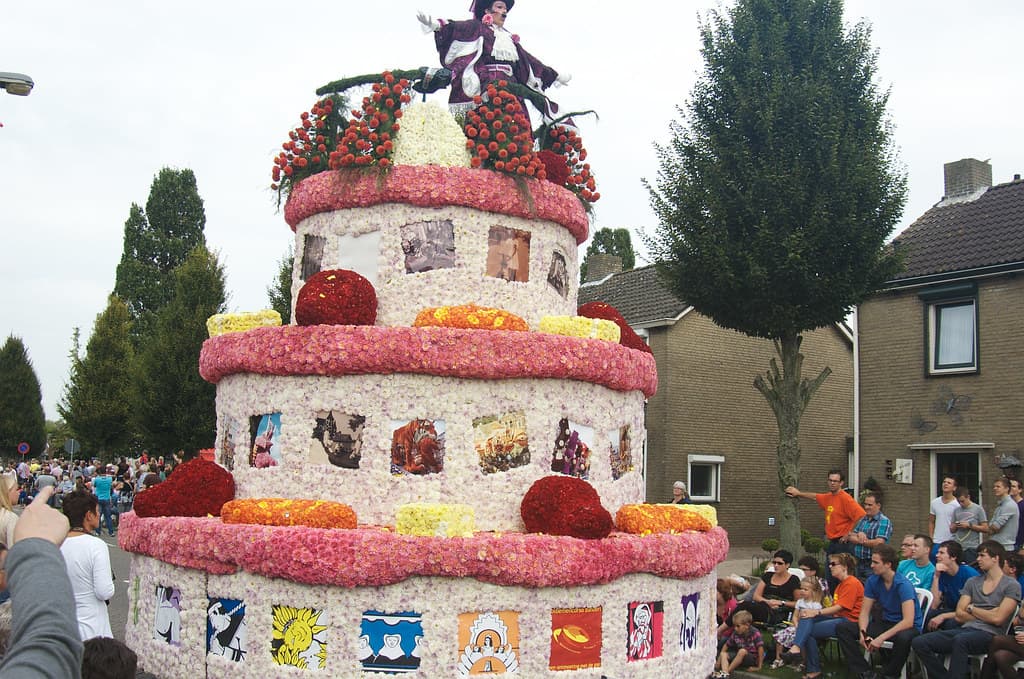
Zundert is a quiet village in the south of the Netherlands, close to the Belgian border, surrounded by nurseries and flower fields. On the first Sunday of September it becomes home to one of the most spectacular parades in Europe. The Corso Zundert is the largest flower parade in the world made entirely of dahlias: giant sculptures, many of them more than a storey high, covered from top to bottom in hundreds of thousands of flower heads.
The parade began in 1936 and is built entirely by the village. Zundert is divided into hamlets, or buurtschappen, and twenty of them now compete. Each hamlet designs its own float, a moving sculpture that might be a creature, a scene, a portrait or an abstract idea, often with moving parts. Through the summer, volunteers of every age build the steel and papier-mâché frames in big tents, while the older members grow the dahlias, around 8 million in total, most of them in Zundert's own fields.
In the last days before the parade, the whole village works around the clock. The flowers are picked, sorted by colour and pinned or glued onto the floats one by one, up to half a million on a single float, often through the final night. On Sunday the floats roll through the village, pushed and pulled along the route, with music, dancers and performers, and a professional jury picks the winner. Rivalry between the hamlets is fierce, and the result is announced to a packed square.
In 2021, the flower and fruit parades of the Netherlands, Zundert's among them, were added to UNESCO's list of the intangible cultural heritage of humanity. In 2026 the corso celebrated its 90th edition.
What to expect
The parade takes place on the first Sunday of September, and the floats stay on show on the Monday.
Saturday
The final night
In the tents across the village, the hamlets race to finish their floats, covering the last surfaces with dahlias through the night. The atmosphere in Zundert is electric.
Sunday
The parade
The floats set off on their route through the village in the afternoon, each with its own music and performers. After the parade, the jury's verdict is announced and the winning hamlet celebrates.
Monday
The floats on display
The floats are parked together for viewing, giving visitors a chance to see the detail of the flower work up close, before the dahlias begin to wilt.
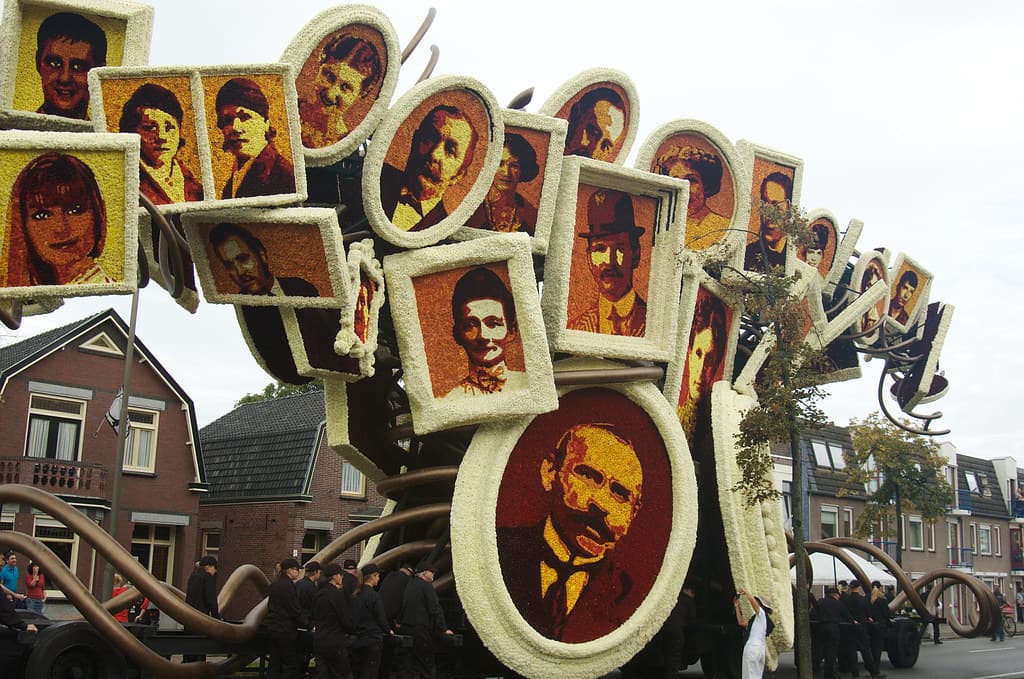
A float by one of Zundert's hamlets in the 2011 corso
Photo by Marcel 'MadJo' de Jong / flickr · CC BY-SA 2.0
Planning your trip
Getting there
Zundert is about 15 kilometres south of Breda and about 30 kilometres north of Antwerp. On corso day, special buses usually run from Breda station, which has fast trains from Amsterdam, Rotterdam and Antwerp. Driving is possible, but traffic is heavy and parking fills early.
Where to stay
Zundert has very little accommodation. Most visitors stay in Breda, a lively historic city a short bus ride away, or in Antwerp, across the border in Belgium, and come for the day. Book early for the corso weekend.
What it costs
Entry to the parade route is ticketed, with grandstand seats at extra cost. Prices are moderate, and the Netherlands is mid-priced for food and transport. Breda and Antwerp have rooms for a range of budgets.
Go like you know
- Visit the building tents in the days before the parade, when some hamlets welcome visitors to watch the dahlias go on.
- Pick a favourite hamlet and follow its float; the rivalry is part of the fun.
- Visit the Vincent van Gogh House in Zundert, the village where the painter was born in 1853.
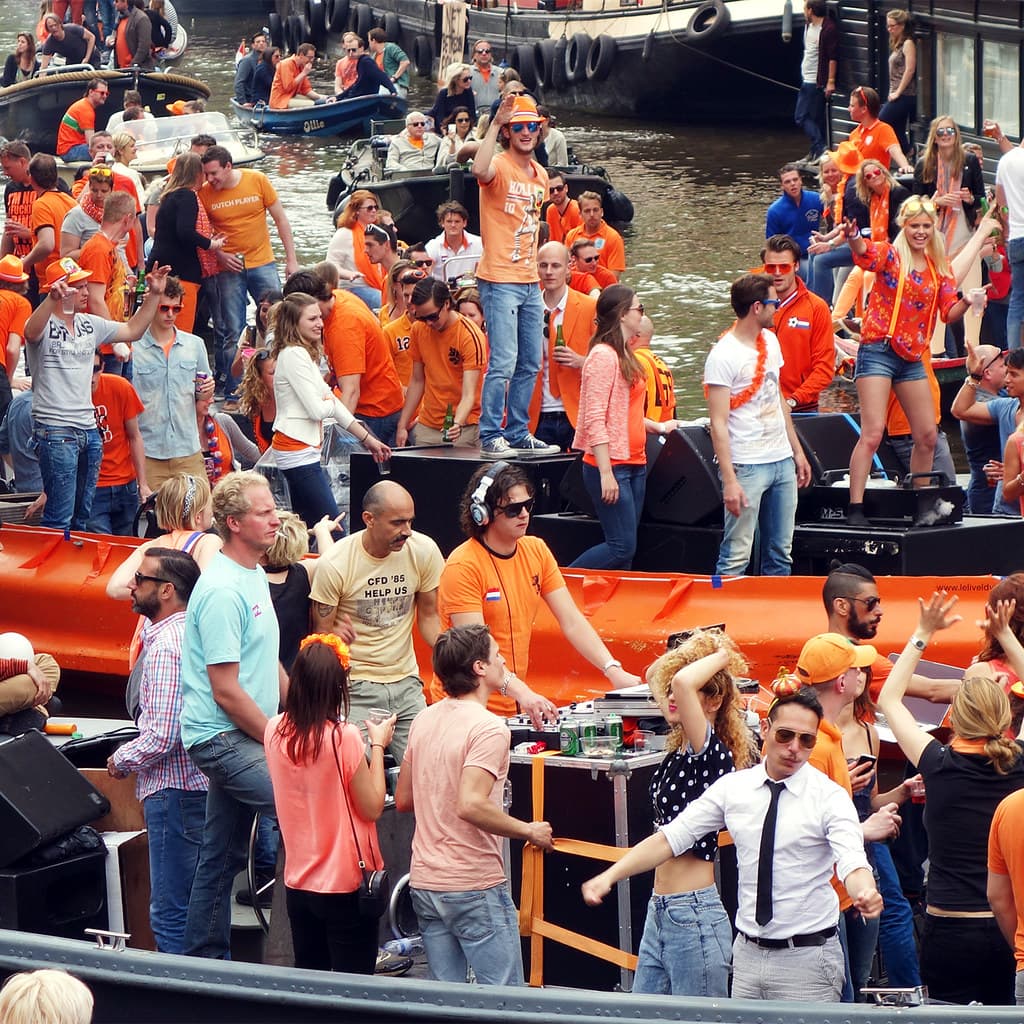
- For the Netherlands' great orange street party, see King's Day, in April.
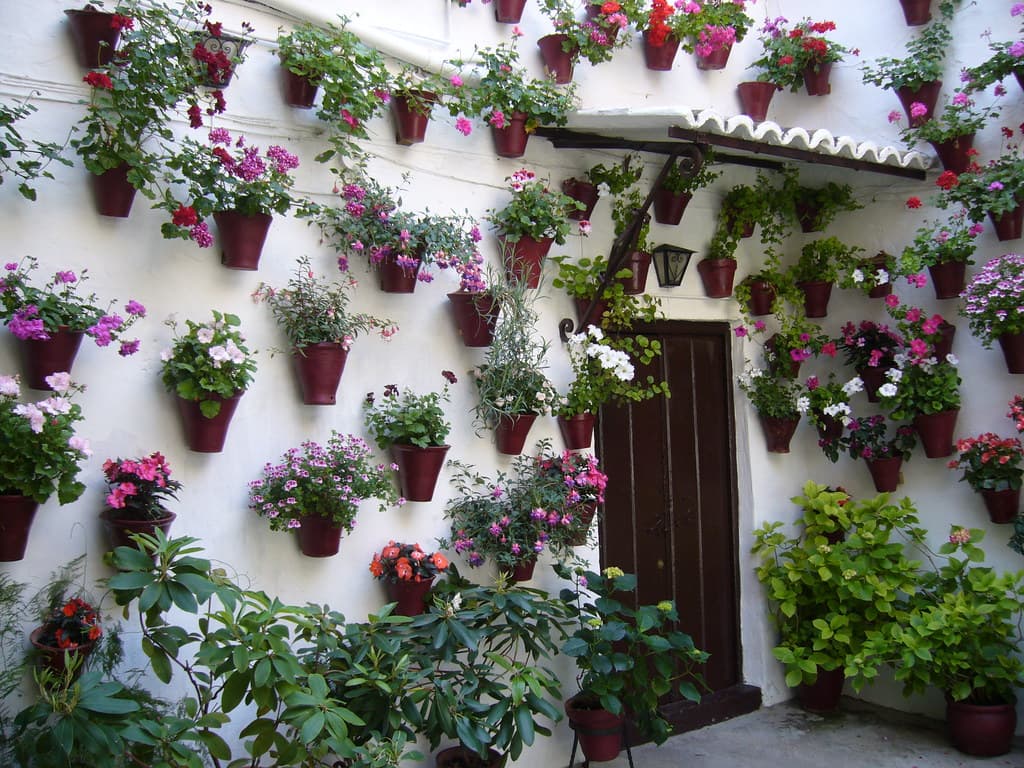
- Spain's Fiesta de los Patios de Córdoba is another festival built on months of patient flower-growing.
Frequently asked questions
When is the Bloemencorso Zundert?
On the first Sunday of September every year, with the floats on display on the Monday. In 2026 the parade was held on September 6. In 2027 it is expected on September 5, following the same rule. Check the corso's own site for tickets and the route.
How many dahlias are on each float?
Up to half a million on a single float, and about 8 million across the whole parade, most of them grown in Zundert itself. The flowers are pinned or glued on in the final days, and different varieties give the floats their colours, from deep purple to bright yellow.
Who builds the floats?
The people of Zundert. The village is divided into twenty hamlets, and each builds its own float with hundreds of volunteers, from children to grandparents. Designs are chosen months ahead, and the building work fills the evenings and weekends of the summer.